SL-12 DEB (28468)

COSPAR: 2004-043F | Alt Name: deb 8S812
DECAYED

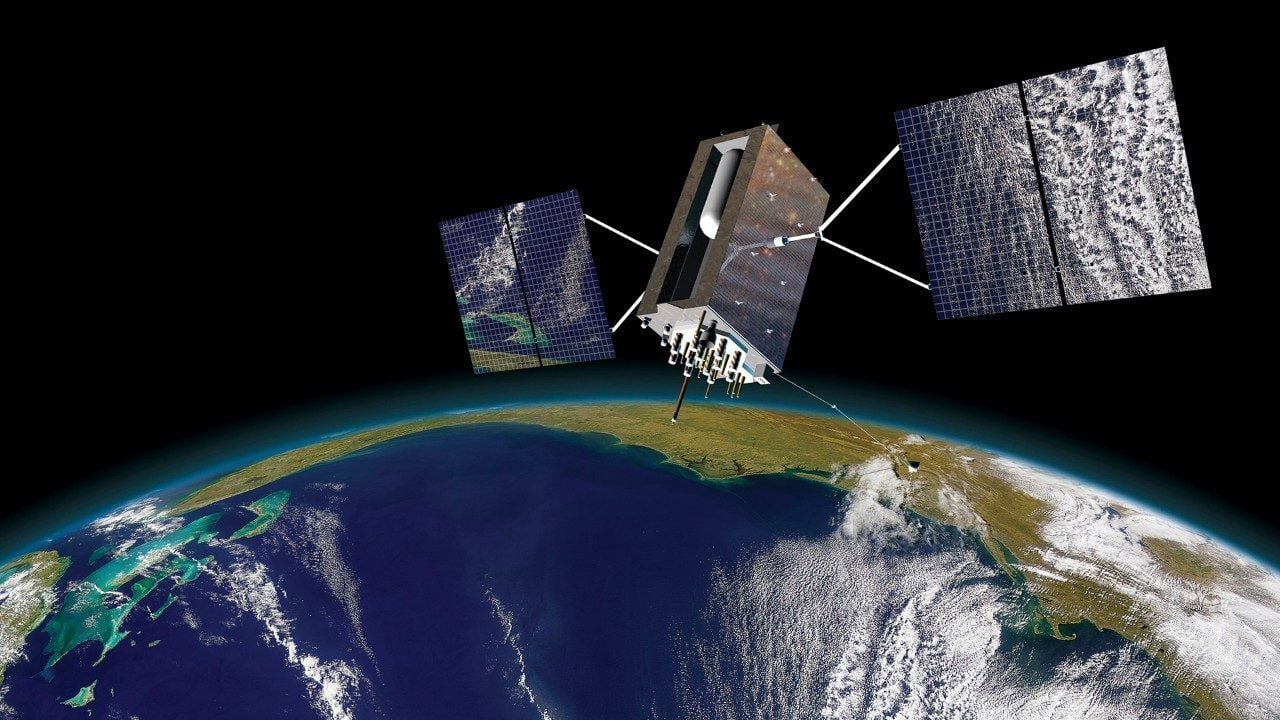
Image
SL-12 DEB Satellite Image
Additional Sources
Launch Details

Launch Date

October 29, 2004

Launch Pad

LC200/39

Launch Vehicle

Proton-K/DM-2M

Orbital Elements

NORAD ID

28468

International Designator

2004-043F

Decay Date

11/3/2004

Basic Satellite Info

Name

SL-12 DEB

Alternative Name

deb 8S812

Type

Debris

Status

Space Junk

Owner

RVSNR

Country

Russia

Constellation

N/A

Related Satellites

Major Events

N/A

Summary
Space debris, also known as space junk, encompasses all non-functional objects orbiting Earth such as defunct satellites, spent rocket stages, and fragments from collisions or disintegrations. Over time, this debris can accumulate and create an increasingly hazardous environment in orbit. Even tiny fragments, traveling at extremely high velocities, can inflict significant damage on operational satellites and spacecraft. If left unmanaged, the density of debris raises the risk of catastrophic collisions and further fragmentation, compounding the problem and threatening the safety and sustainability of space activities.
Physical Characteristics

Length

0

Diameter

0

Span

0

Dry Mass

0

Launch Mass

0

Shape

N/A

Radar Cross Section

Unknown

Visual Magnitude

Unknown

Color

Unknown

Material Composition

Unknown

Technical Details

Payload

Unknown

Purpose

Unknown

Mission

Unknown

Manufacturer

RKKE

Life Expectancy

Unknown

Bus

Unknown

Configuration

Unknown

Motor

Unknown

Equipment

Unknown

Power System

Unknown

ADCS

Unknown

Transmitter Frequency

Unknown

Satellite Articles

View All Posts »

Learn more about satellites and other related topics.

FAA Advances Approval for 44 Starship Launches From Pad 39A | KeepTrack X Report

FAA Advances Approval for 44 Starship Launches From Pad 39A | KeepTrack X Report

FAA advances environmental review for up to 44 Starship launches from Kennedy Space Center pad 39A. SpaceX wraps January with dual-coast Starlink launches. Crew-12 timeline tied to Artemis 2 schedule.

The Kessler Syndrome

The Kessler Syndrome

The Kessler Syndrome threatens humanity's future in space as cascading satellite collisions create exponential debris growth. With 36,000+ tracked objects and recent incidents accelerating risks, we face a critical juncture: implement solutions now or potentially lose access to low Earth orbit forever.

Space Brief 17 Sep 2024

Space Brief 17 Sep 2024

Today's Space Brief covers crucial satellite events including upcoming launches, military space developments, and exceptional celestial sightings.

GPS III SV10 Launches on Falcon 9, X Report 20 Apr 2026

GPS III SV10 Launches on Falcon 9, X Report 20 Apr 2026

GPS III SV10 launched April 21 on a SpaceX Falcon 9 with 3x better accuracy and 8x anti-jamming. Starlink stands at 10,263 working satellites.

Starship V3 Targets April 2026 Debut, X Report 20 Mar 2026

Starship V3 Targets April 2026 Debut, X Report 20 Mar 2026

Starship V3 targets an April 2026 debut, the ride for next-gen Starlink V3 satellites. Fleet stands at 10,062 working of 11,587 launched.

Rocket Lab to Acquire Iridium for $8B, X Report 30 Jun 2026

Rocket Lab to Acquire Iridium for $8B, X Report 30 Jun 2026

Rocket Lab will acquire Iridium for $8B to challenge SpaceX, whose Starlink constellation holds 10,706 working satellites of 12,390 launched.

Pentagon Pulls the Plug on GPS OCX | The $8 Billion Ground System That Never Worked

Pentagon Pulls the Plug on GPS OCX | The $8 Billion Ground System That Never Worked

On April 17, 2026, the U.S. Space Force officially cancelled the Next Generation Operational Control System after sixteen years of development, cost overruns, and testing failures. The $8 billion program was supposed to unlock the military's encrypted GPS signal. Instead, the satellites are flying with capabilities the ground can't command.

The $30 Million Toilet That Keeps Breaking on the Way to the Moon

The $30 Million Toilet That Keeps Breaking on the Way to the Moon

Sixty years of space toilet engineering, a decade of development, and a $30 million contract - and the Artemis II crew still had to pee in bags on Day 1.