


X Report 18 Feb 2025
SpaceX prepares for a historic Falcon 9 landing attempt in The Bahamas, while also contributing to FAA air traffic control modernization.


Launch Date
August 4, 2004
Launch Site
Launch Pad
LC200/39
Launch Vehicle
Proton-M/Briz-M
NORAD ID
28393
International Designator
2004-031A
Epoch
Fri, 03 Jul 2026 22:27:50 GMT
Apogee
Calculating...
Perigee
Calculating...
Inclination
9.45°
Right Ascension
58.82°
Eccentricity
Calculating...
Argument of Perigee
90.76°
Period
1462.53 min
Mean Motion
0.98 rev/day
Latitude
Calculating...
Longitude
Calculating...
Altitude
Calculating...
Velocity
Calculating...
Name
AMAZONAS 1
Alternative Name
Amazonas-1
Type
Status
Owner
HISPM/HISP
Country
Brazil
Constellation
N/A
Related Satellites
Major Events
N/A
1 28393U 04031A 26184.93600214 -.00000184 00000-0 00000-0 0 9993
2 28393 9.4458 58.8185 0013074 90.7584 104.0616 0.98459845 79646
Source: Celestrak
Length
5.8
Diameter
2.4
Span
35
Dry Mass
2800
Launch Mass
4540
Shape
Box + 2 Pan
Radar Cross Section
23.611
Visual Magnitude
Unknown
Color
Unknown
Material Composition
Unknown
Payload
Amazonas
Purpose
Communication
Mission
Communication
Manufacturer
EADSB
Life Expectancy
15 years
Bus
Eurostar 3000
Configuration
Eurostar-3000S
Motor
R-4D-15-375
Equipment
36 Ku-band transponders, 27 C-band transponders
Power System
2 deployable solar arrays, batteries
ADCS
Unknown
Transmitter Frequency
Unknown
Learn more about satellites and other related topics.
SpaceX prepares for a historic Falcon 9 landing attempt in The Bahamas, while also contributing to FAA air traffic control modernization.

Today's briefing covers a DARPA award for Redwire's innovative satellite project, Ursa Major's expansion in defense engines, a Rocket Lab military test flight, and more.
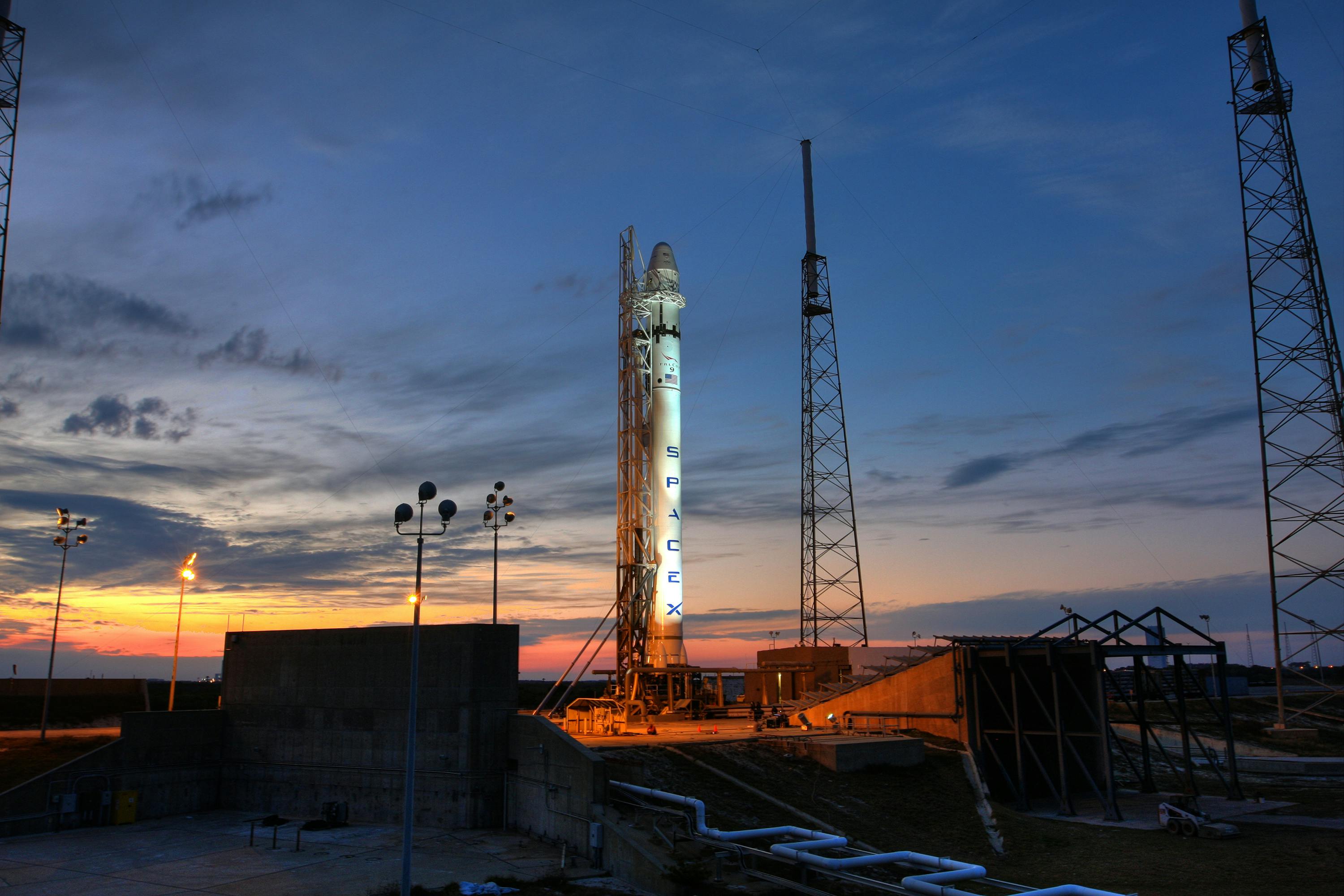
Booster B1067 sets a new Falcon 9 reuse record on its 36th flight, lifting Starlink 10-42 from Cape Canaveral at 5:25 a.m. EDT.
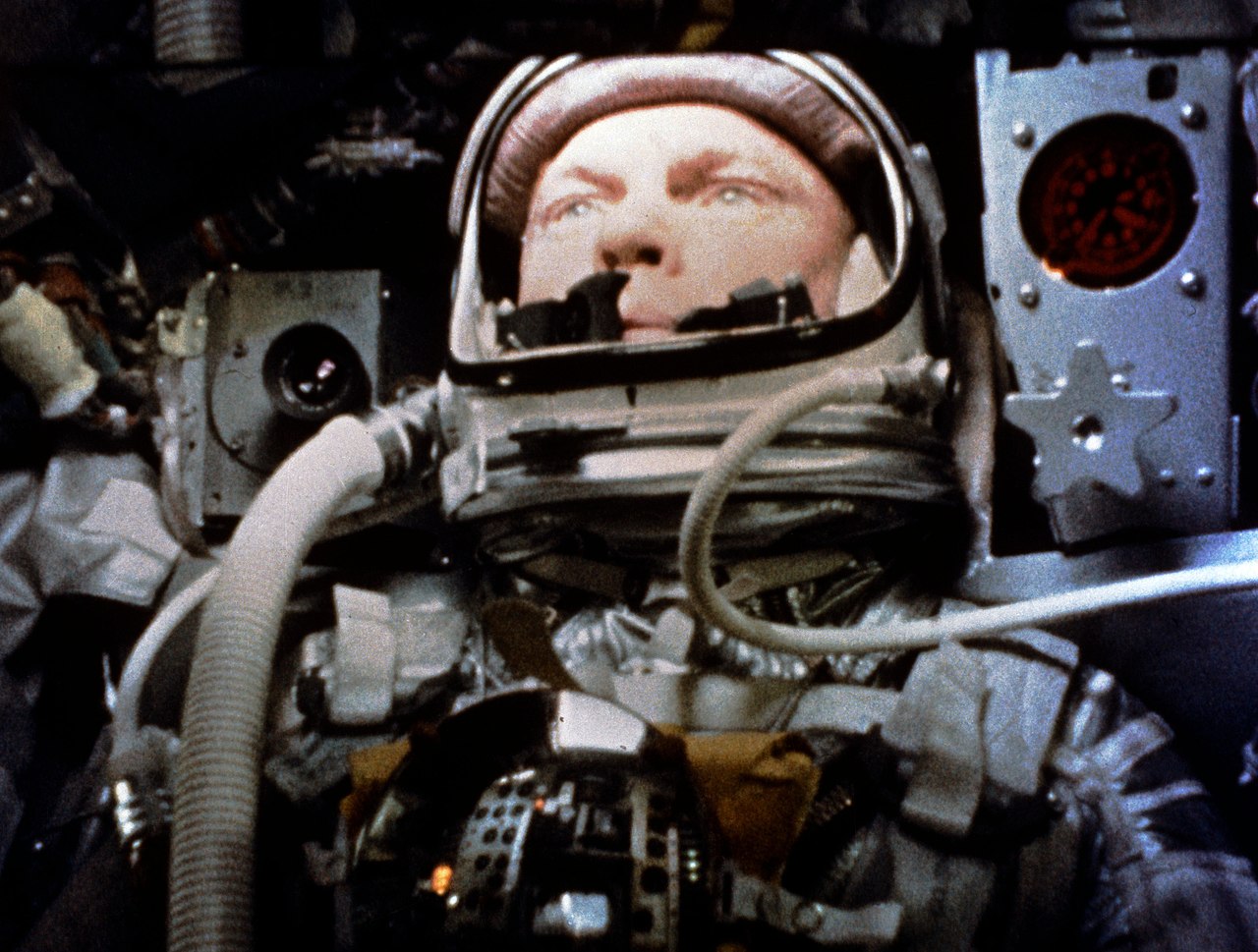
Sixty-three years ago, John Glenn became the first American to orbit Earth, piloting Friendship 7 through three historic orbits that transformed the Space Race

NASA is adding 6 post-certification crew missions to SpaceX's contract as Boeing remains unable to certify Starliner for operational flights.
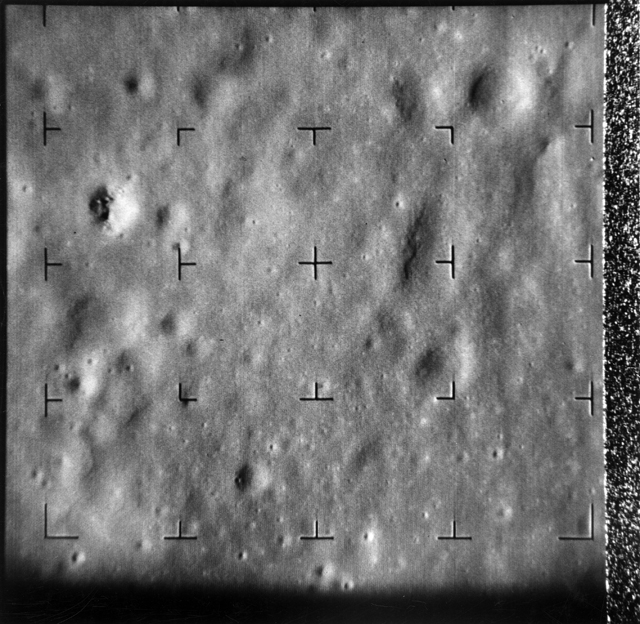
Sixty years ago, a pioneering spacecraft called Ranger 8 captured thousands of detailed photographs of the lunar surface before intentionally crashing into the Moon, helping pave the way for humanity's first steps on another world
SpaceX successfully launched 29 Starlink satellites, bolstering its broadband network and expanding global internet coverage.
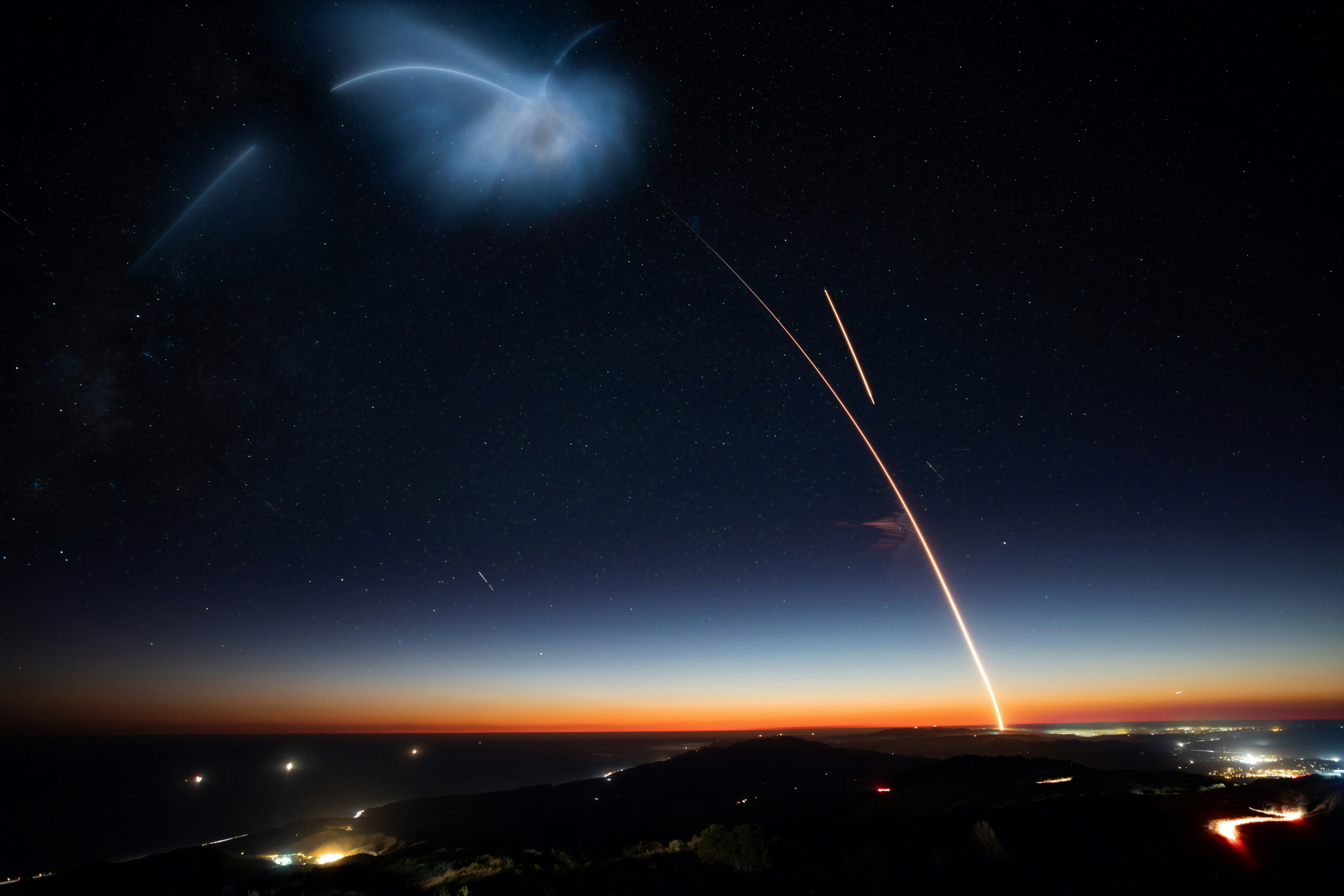
In a landmark achievement, SpaceX celebrated its 500th Falcon 9 launch by deploying 27 Starlink satellites while simultaneously advancing its reuse strategy with record-breaking milestones.