


Space Brief 5 Mar 2025
Today's brief covers developments in US military space initiatives, advancements in missile technology, and notable military contractor activities.


Launch Date
July 18, 2004
Launch Site
FRGUI
Launch Pad
ELA3
Launch Vehicle
Ariane 5G+
NORAD ID
28378
International Designator
2004-027A
Epoch
Sat, 04 Jul 2026 04:20:17 GMT
Apogee
Calculating...
Perigee
Calculating...
Inclination
3.33°
Right Ascension
79.22°
Eccentricity
Calculating...
Argument of Perigee
22.14°
Period
1436.10 min
Mean Motion
1.00 rev/day
Latitude
Calculating...
Longitude
Calculating...
Altitude
Calculating...
Velocity
Calculating...
Name
ANIK F2
Alternative Name
Anik F2
Type
Status
Owner
TCAN
Country
Canada
Constellation
N/A
Related Satellites
Major Events
N/A
1 28378U 04027A 26185.18075271 -.00000039 00000-0 00000-0 0 9997
2 28378 3.3286 79.2232 0003998 22.1388 134.7828 1.00271793 41435
Source: Celestrak
Length
6.2
Diameter
3.5
Span
45.6
Dry Mass
3700
Launch Mass
5965
Shape
Box + 2 Pan
Radar Cross Section
36.6346
Visual Magnitude
Unknown
Color
Unknown
Material Composition
Unknown
Payload
Anik F2
Purpose
Communication
Mission
Communication
Manufacturer
BOES
Life Expectancy
15 years
Bus
BSS-702HP
Configuration
BSS-702
Motor
R-4D-14-350
Equipment
114 transponders (50 Ka-band, 40 Ku-band, 24 C-band)
Power System
2 deployable solar arrays, batteries
ADCS
Unknown
Transmitter Frequency
Unknown
Learn more about satellites and other related topics.
Today's brief covers developments in US military space initiatives, advancements in missile technology, and notable military contractor activities.
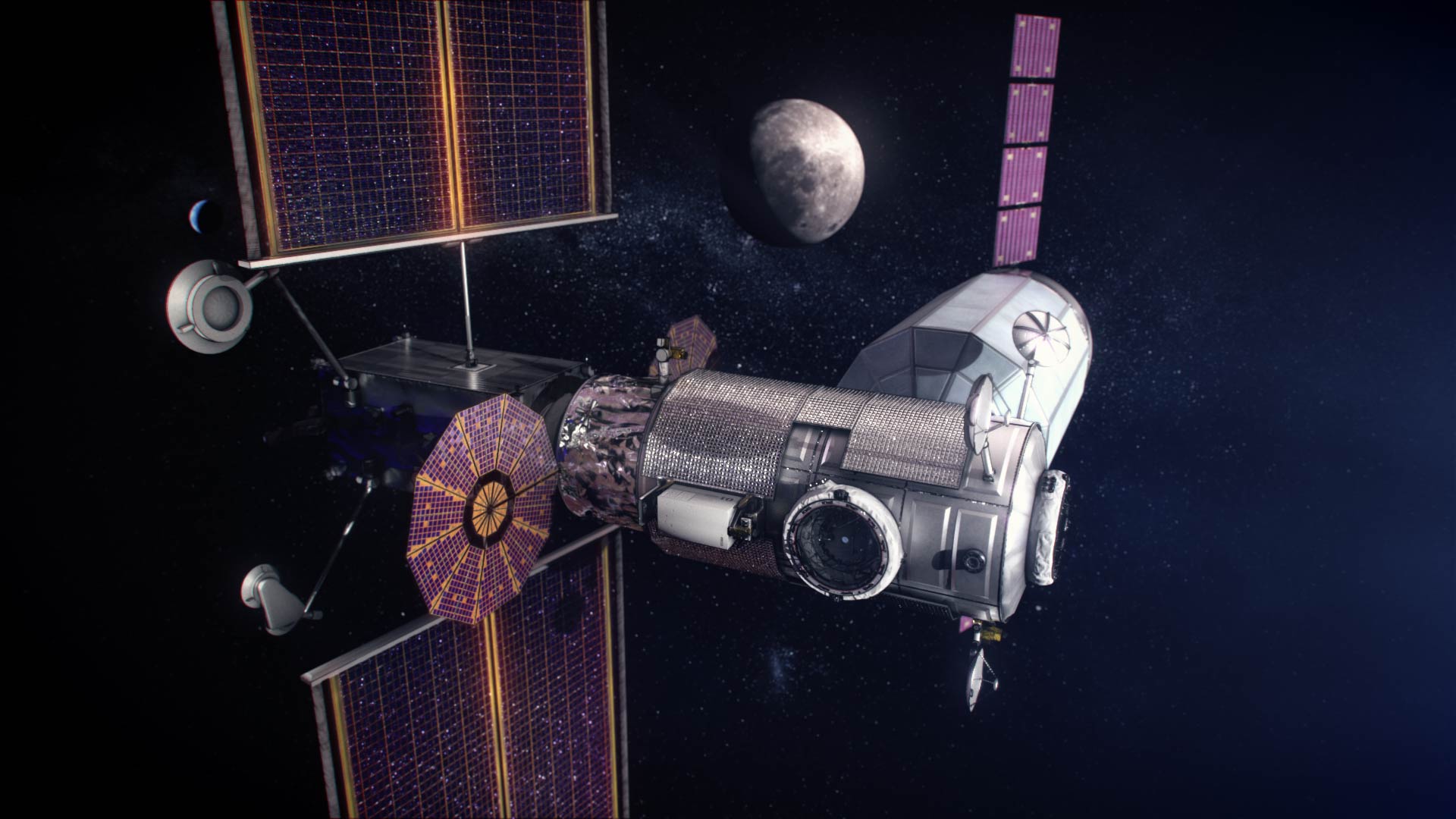
The volume of space between Earth and the Moon is roughly a thousand times larger than the orbit we actually watch, and almost none of it is under surveillance. As the U.S. and China race to build lunar outposts, the Space Force is scrambling to put eyes on a region it has been effectively blind to.
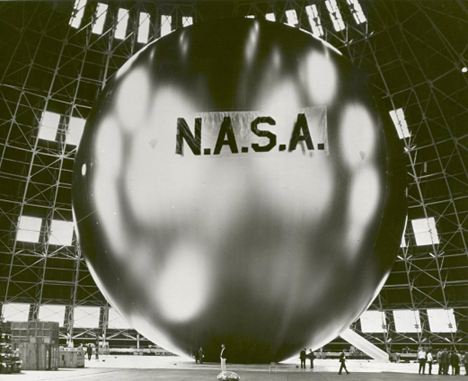
When a 135-foot inflatable mirror bounced a radio signal from England to Russia, it became the first joint US-Soviet space venture - and changed how we think about satellite communication.
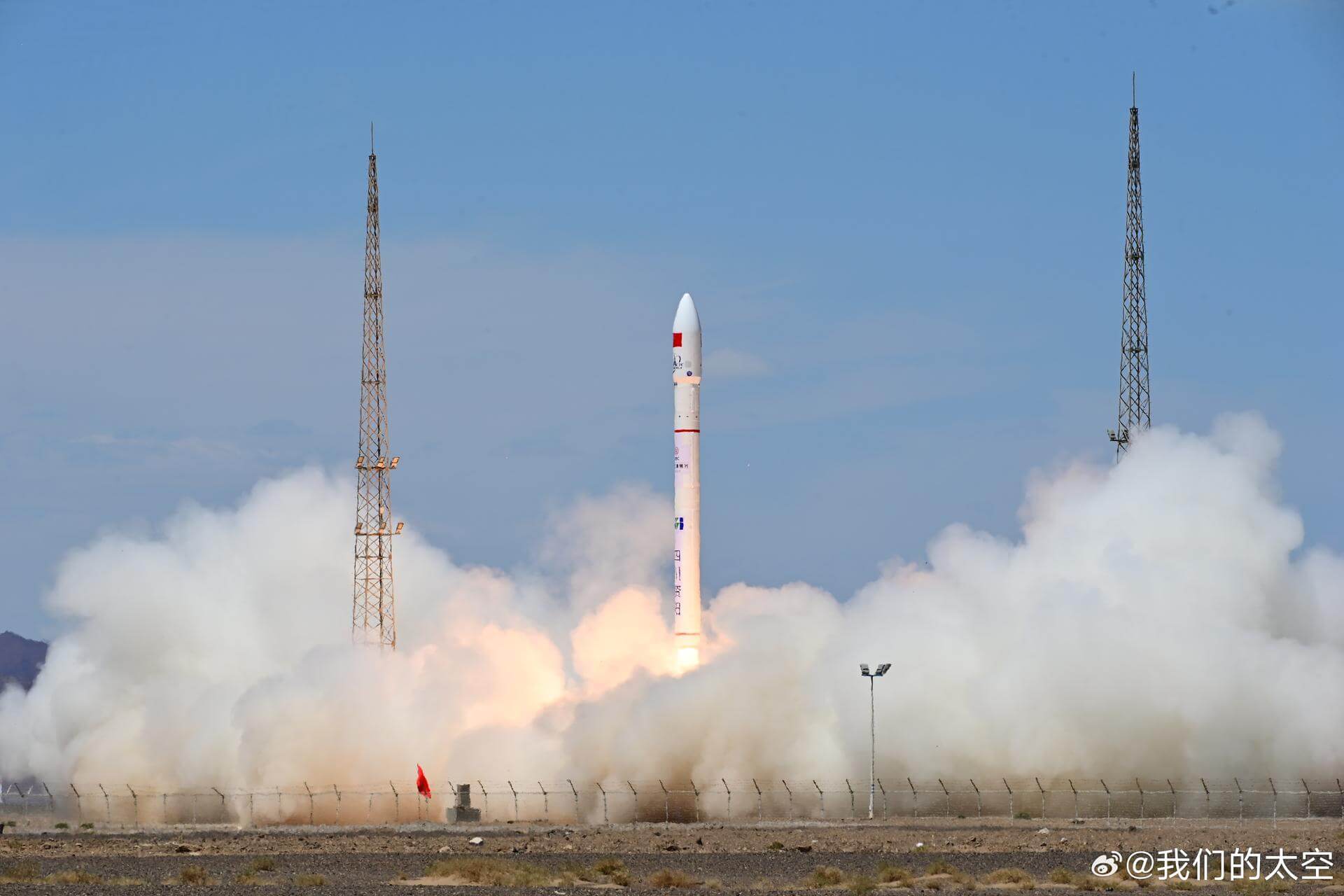
Today's briefing highlights recent launches and failures, including an Indian radar satellite setback, successful Rocket Lab missions, and China's debut of upgraded rocket technology.

SpaceX wins a $4.16B US Space Force contract for an airborne threat tracking satellite network. Starlink holds 10,413 satellites in orbit, 10,397 working.
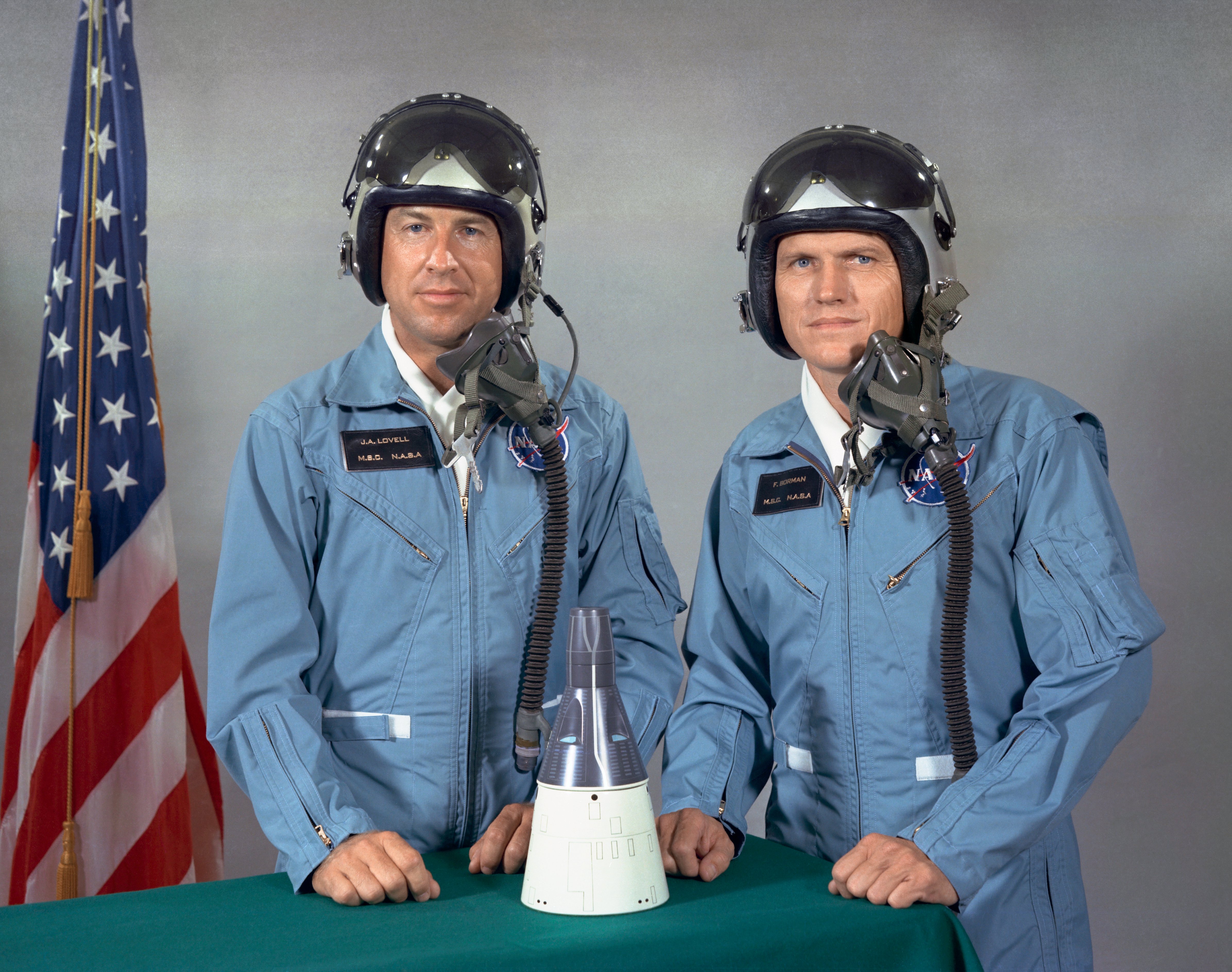
Sixty years ago, Frank Borman and James Lovell launched aboard Gemini 7 for a grueling 14-day mission that would prove humans could endure the journey to the moon and achieve the first true rendezvous in space

Today's key space events include a milestone Falcon booster landing, advances in US military satellite operations, and a new missile defense initiative.
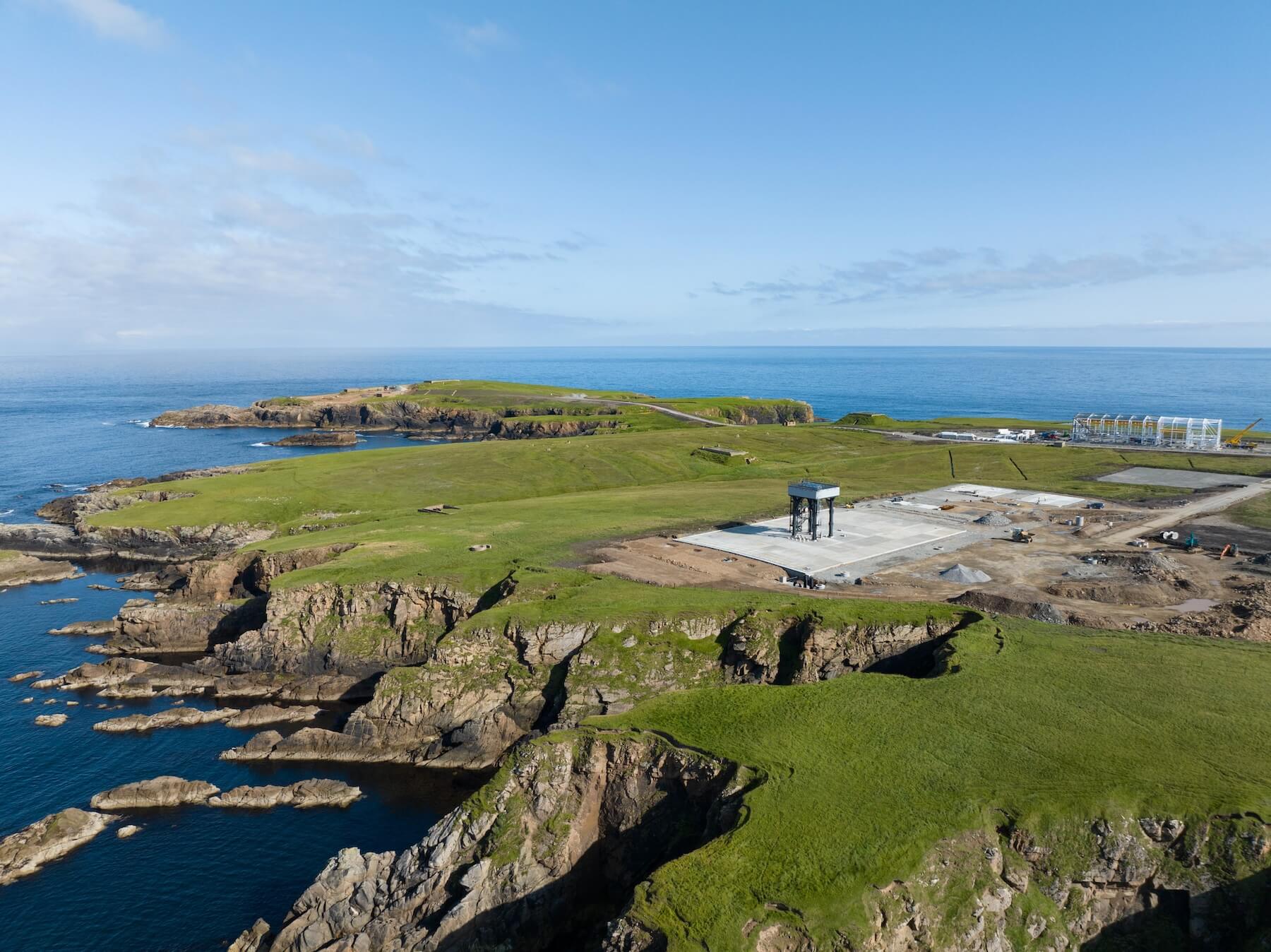
The UK's orbital ambitions rest on a remote Shetland island. How SaxaVord became Europe's first fully licensed vertical launch spaceport - and why, despite being ready for years, it's still waiting for a rocket that works.