


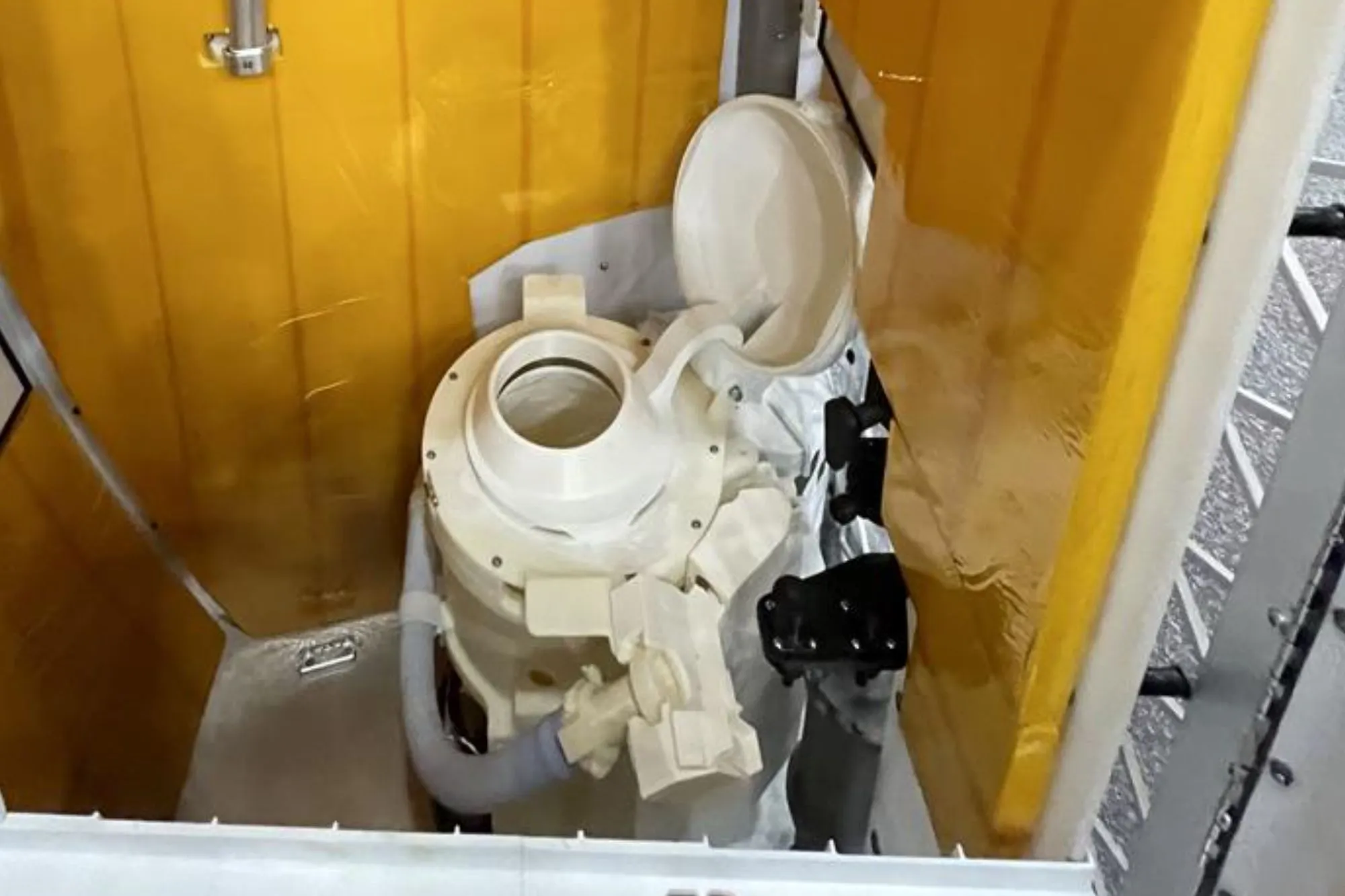
The $30 Million Toilet That Keeps Breaking on the Way to the Moon
Sixty years of space toilet engineering, a decade of development, and a $30 million contract - and the Artemis II crew still had to pee in bags on Day 1.


![BREEZE-M DEB [TANK] Satellite Image](/images/sat/deb4.jpg)
Launch Date
June 16, 2004
Launch Site
Launch Pad
LC200/39
Launch Vehicle
Proton-M/Briz-M
NORAD ID
28359
International Designator
2004-022B
Epoch
Sat, 04 Jul 2026 06:28:14 GMT
Apogee
Calculating...
Perigee
Calculating...
Inclination
49.52°
Right Ascension
258.36°
Eccentricity
Calculating...
Argument of Perigee
235.65°
Period
220.70 min
Mean Motion
6.52 rev/day
Latitude
Calculating...
Longitude
Calculating...
Altitude
Calculating...
Velocity
Calculating...
Name
BREEZE-M DEB [TANK]
Alternative Name
Briz-M DTB
Type
Status
Owner
KHRR
Country
Russia
Constellation
N/A
Related Satellites
Major Events
N/A
1 28359U 04022B 26185.26960873 .00008298 00000-0 77830-3 0 9993
2 28359 49.5225 258.3618 4492981 235.6460 73.5198 6.52457690493746
Source: Celestrak
Length
2.1
Diameter
4
Span
4
Dry Mass
1000
Launch Mass
11900
Shape
Torus
Radar Cross Section
6.302
Visual Magnitude
Unknown
Color
Unknown
Material Composition
Unknown
Payload
Briz-M torus tank
Purpose
Unknown
Mission
Unknown
Manufacturer
KHRR
Life Expectancy
Unknown
Bus
Briz tank
Configuration
Unknown
Motor
Unknown
Equipment
Unknown
Power System
Unknown
ADCS
Unknown
Transmitter Frequency
Unknown
Learn more about satellites and other related topics.
Sixty years of space toilet engineering, a decade of development, and a $30 million contract - and the Artemis II crew still had to pee in bags on Day 1.
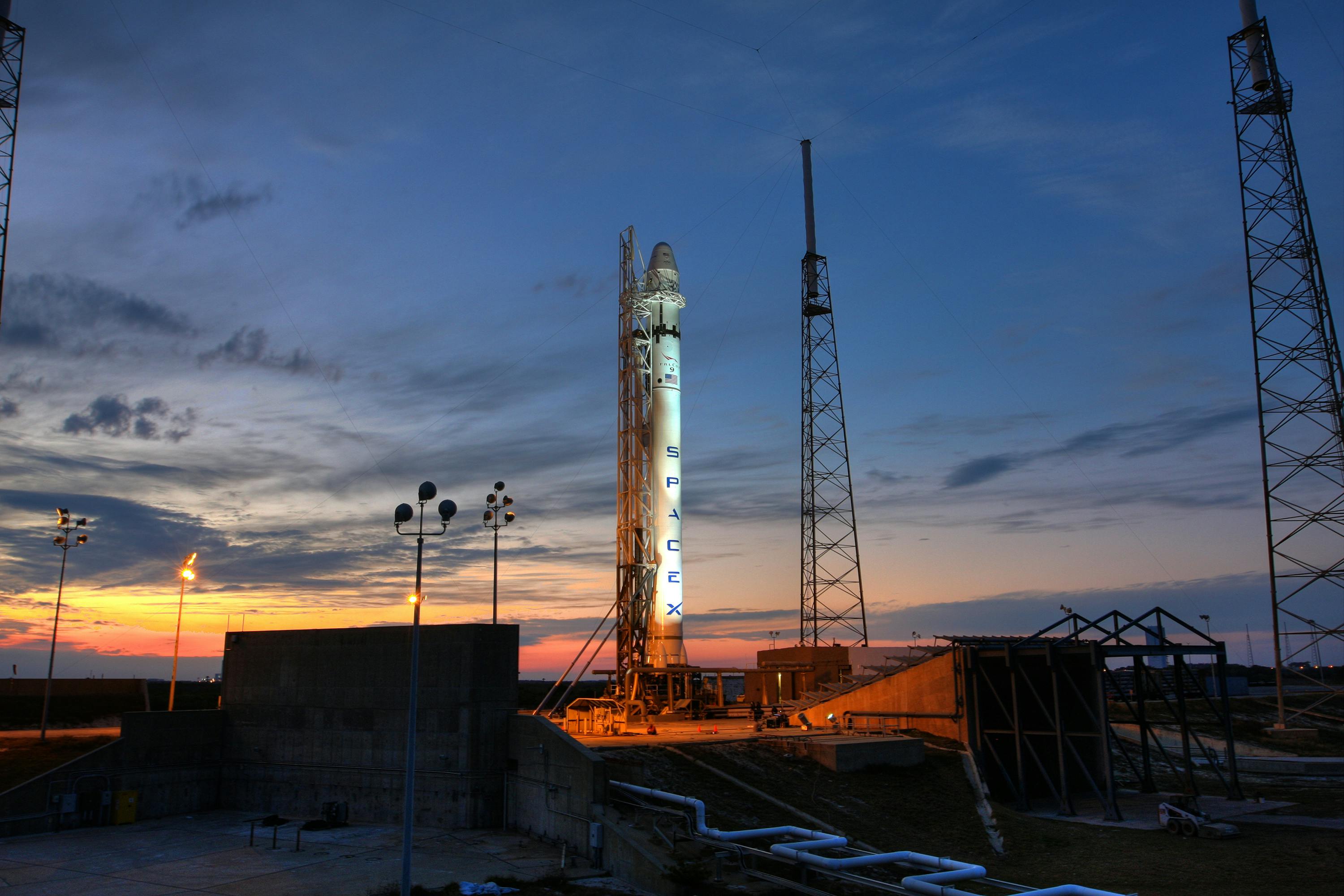
SpaceX kicks off 2025 with successful launches and a record-breaking outlook, aiming to maintain its market leadership amidst emerging competition.
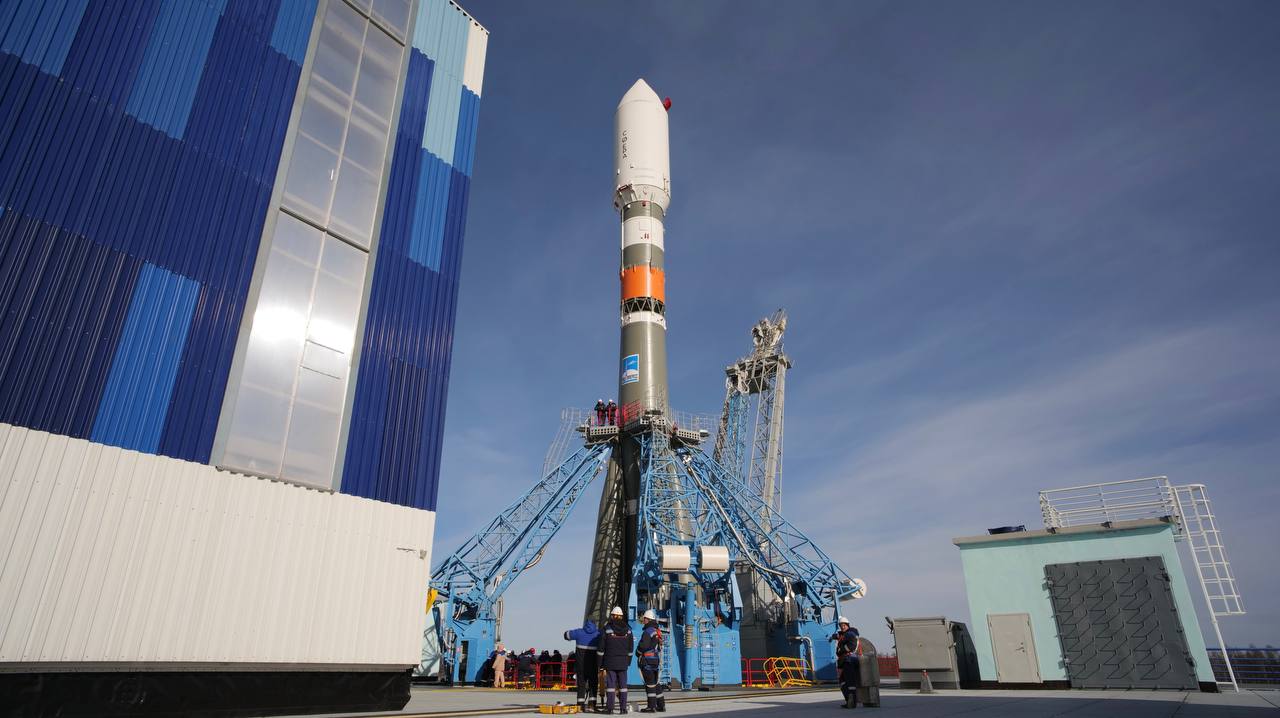
Today's brief covers China's latest experimental launch to GEO and new commercial satellites, insights from hyperspectral imagery on underground structures, and the Space Force's material testing for Mars missions.

SpaceX launches 25 Starlink satellites from Vandenberg after multiple weather delays. 20th Falcon 9 mission of 2026 features second-ever booster landing near The Bahamas.

Today's highlights include recent missile deals impacting military satellite launches, a Navy salvage operation in the South China Sea, and defense updates from the Manama Dialogue 2025.
Starship Flight 8 ends with mixed results as SpaceX successfully catches Super Heavy booster but loses the upper stage in a fiery breakup.
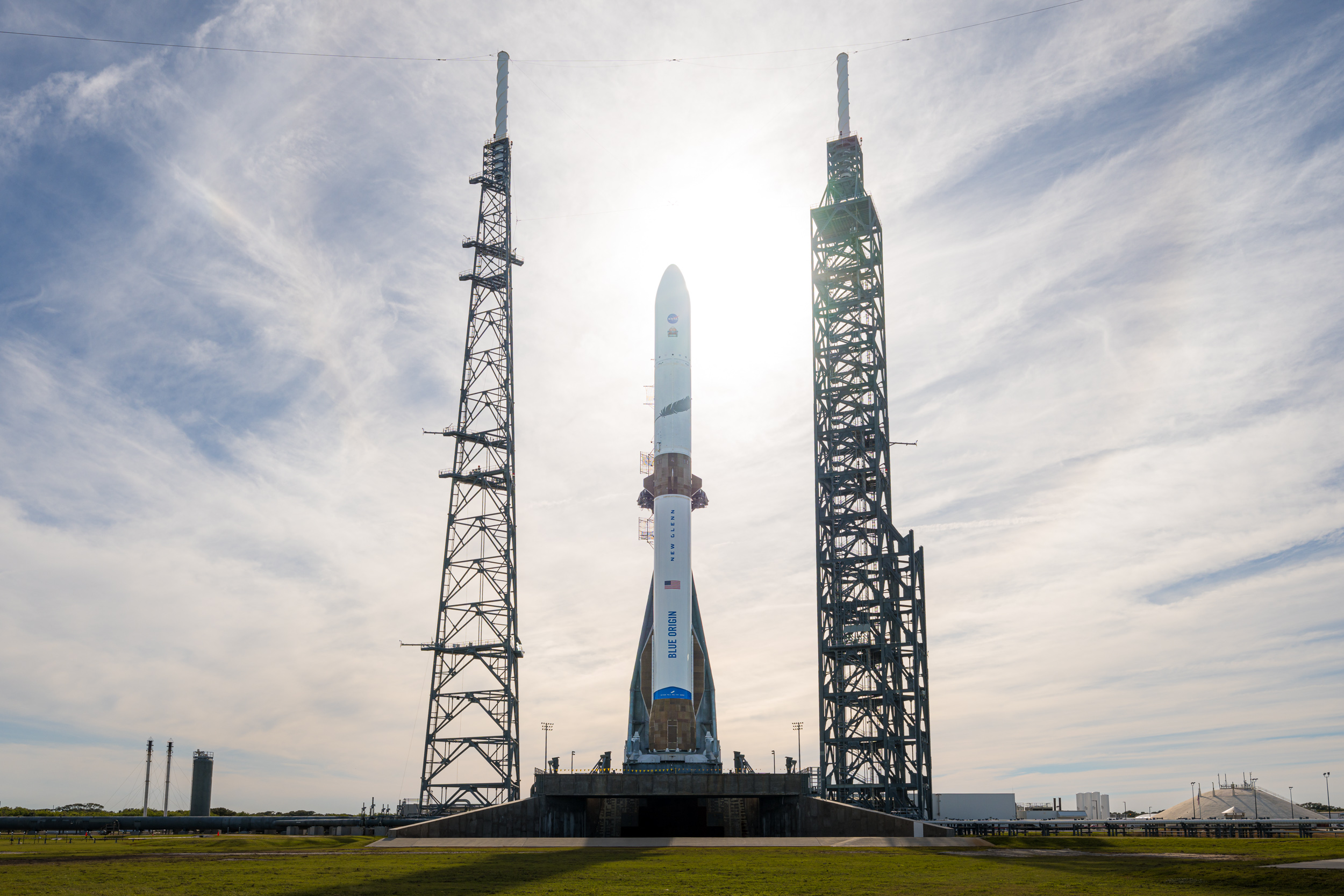
Artemis 2 astronauts completed first crewed lunar flyby since Apollo 17, traveling 690,000 miles aboard Orion. Four crew validated deep-space systems.
NASA's Artemis 2 launches April 1 with Commander Reid Wiseman and 3 crew members for first crewed lunar flyby since Apollo 17 in 1972.