FORMOSAT-2 (ROCSAT 2) (28254)

COSPAR: 2004-018A | Alt Name: Formosat-2

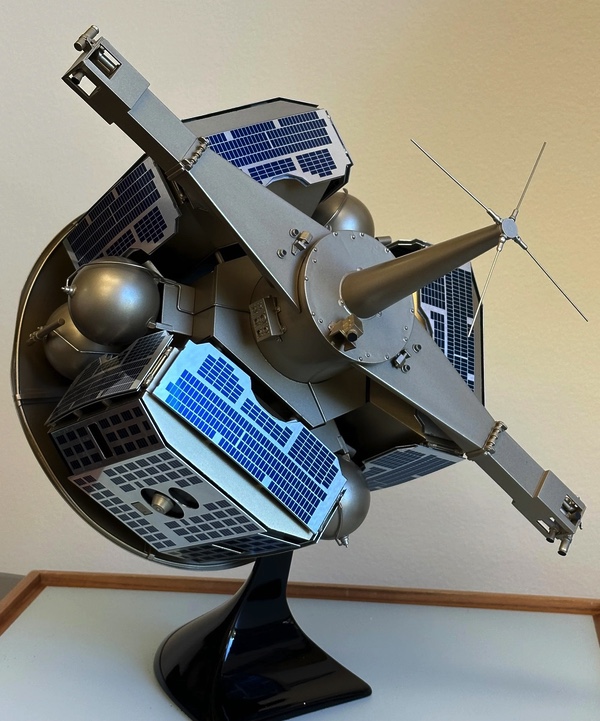
Image
FORMOSAT-2 (ROCSAT 2) Satellite Image
Additional Sources
Launch Details

Launch Date

May 20, 2004

Launch Site

AFWTR

Launch Pad

576E

Launch Vehicle

Taurus 3210

Orbital Elements

NORAD ID

28254

International Designator

2004-018A

Epoch

Fri, 03 Jul 2026 11:15:00 GMT

Apogee

Calculating...

Perigee

Calculating...

Inclination

98.85°

Right Ascension

151.45°

Eccentricity

Calculating...

Argument of Perigee

301.74°

Period

102.76 min

Mean Motion

14.01 rev/day

Latitude

Calculating...

Longitude

Calculating...

Altitude

Calculating...

Velocity

Calculating...

Polar Plot
3D Visualization
Basic Satellite Info

Name

FORMOSAT-2 (ROCSAT 2)

Alternative Name

Formosat-2

Type

Payload

Status

Non-operational

Owner

NSPT

Country

Taiwan

Constellation

N/A

Related Satellites

Major Events

N/A

Latest TLEs
1 28254U 04018A   26184.46875258 -.00000210  00000-0 -11129-3 0  9992
2 28254  98.8458 151.4519 0000673 301.7362 168.5398 14.01256763131032

Source: Celestrak

Summary
FORMOSAT-2 (ROCSAT 2), also known as Formosat-2, is an Earth observation and science satellite manufactured by ASTT for NSPT. Launched on May 20, 2004, from AFWTR using the Taurus 3210 launch vehicle, it has a configuration of Leostar-500-XO with dimensions of 4 meters in length, 3 meters in diameter, and spans 4 meters. Its dry mass is 714 kg, and at launch, its mass was 764 kg. Equipped with a 2 m resolution black-and-white imager, an 8 m resolution color imager, and a lightning detector, FORMOSAT-2 uses deployable fixed solar arrays and batteries for power. The satellite surpassed its designed lifetime of 5 years by achieving 12 years in orbit. Its shape is box-like with an RCS value of 3.1147 and it operates under the mission name ROCSAT-2, manufactured by ASTT.
Physical Characteristics

Length

4

Diameter

3

Span

4

Dry Mass

714

Launch Mass

764

Shape

Box

Radar Cross Section

3.1147

Visual Magnitude

Unknown

Color

Unknown

Material Composition

Unknown

Technical Details

Payload

ROCSAT-2

Purpose

Earth observation, Science

Mission

Earth observation, Science

Manufacturer

ASTT

Life Expectancy

5 years (design); 12 years (achieved)

Bus

Astrosat-500

Configuration

Leostar-500-XO

Motor

AOCS

Equipment

2 m resolution black-and-white imager, 8 m resolution color imager, lightning detector

Power System

Deployable fixed solar array, batteries

ADCS

Unknown

Transmitter Frequency

Unknown

Map
This tool will help you track the satellite's position and predict its upcoming passes over your location. Simply input the coordinates or click the geolocation button to get started.
Next Pass
Azimuth Elevation Time (Local)
Start Azimuth
Max Elevation
Stop Azimuth
Time Until
Pass Duration

Satellite Articles

View All Posts »

Learn more about satellites and other related topics.

The Day the Navy's Eyes Reached Orbit

The Day the Navy's Eyes Reached Orbit

Forty-two years ago, an Atlas H rocket climbed into the California sky carrying four objects that would help the U.S. Navy track every Soviet warship on the planet - a mission so secret that even the satellites' true name wasn't declassified until 2023
Space Force Kills Resilient GPS Program, China Tests Reusable Long March 12B | KeepTrack Space Brief

Space Force Kills Resilient GPS Program, China Tests Reusable Long March 12B | KeepTrack Space Brief

Space Force terminates Resilient GPS satellite program. China successfully tests Long March 12B reusable first stage at Jiuquan. GE and Lockheed validate detonation ramjet for hypersonic missiles.

Joe Engle and the Youngest Astronaut Wings Ever Earned

Joe Engle and the Youngest Astronaut Wings Ever Earned

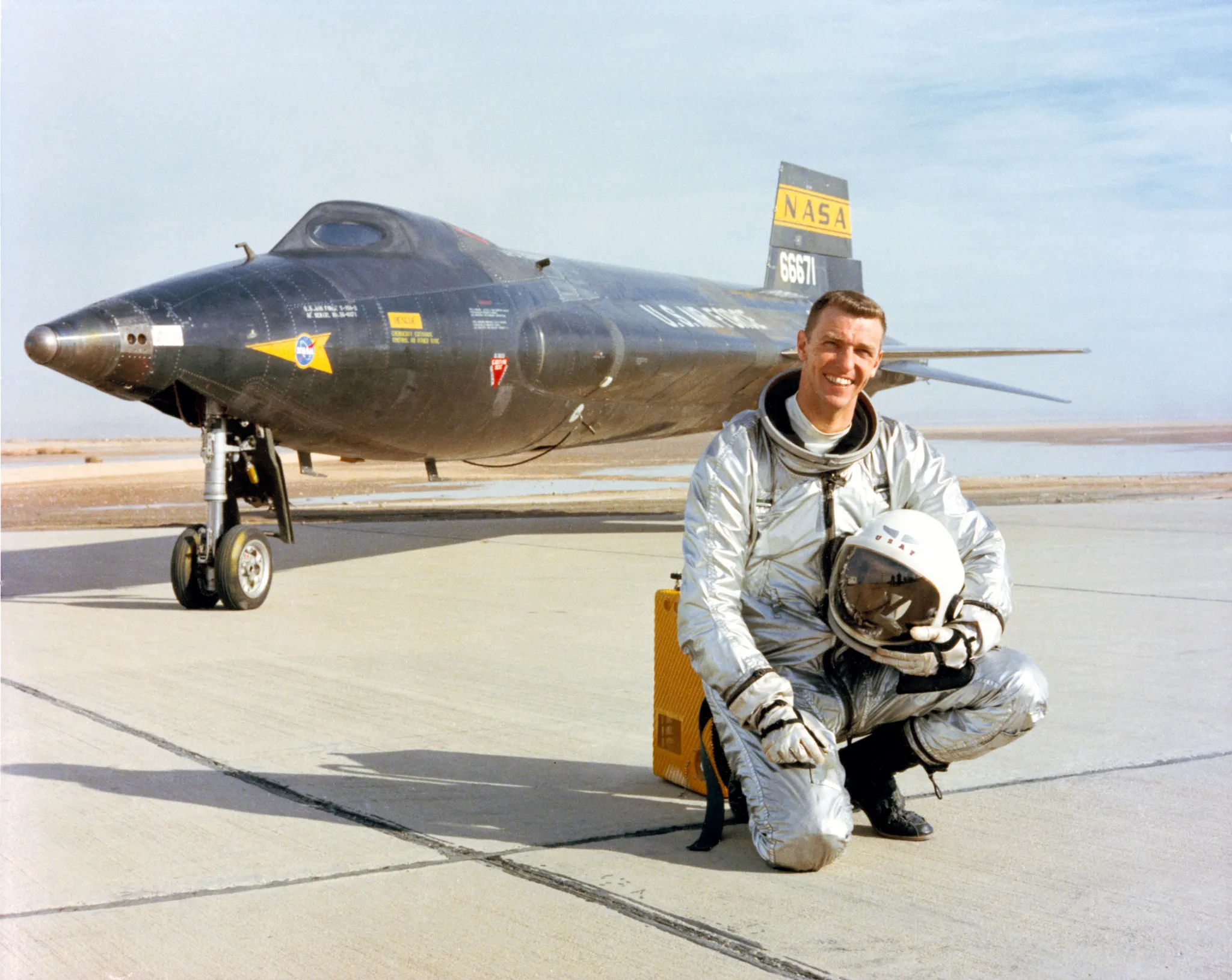
On 29 June 1965, a young Air Force test pilot rode a rocket-powered airplane to 280,600 feet above the California desert. He landed ten minutes later as the youngest person ever to earn astronaut wings.

Space Brief 4 Sep 2024

Space Brief 4 Sep 2024

Today's brief highlights SpaceX's Starlink launch, the sale of Telesat's remote communications services, advancements in hypersonic missile tracking, and more on satellite imagery from the NGA.

How does Google Map's Satellite View Feature Work?

How does Google Map's Satellite View Feature Work?

Learn which satellites take photos and why we can't get updates instantly.

Space Brief 28 Sep 2025

Space Brief 28 Sep 2025

Today's highlights include China's latest satellite launches, Blue Origin's expansion plans, and Purdue University's groundbreaking suborbital mission with Virgin Galactic.

Space Force Eyes 1,000 Launches by 2031, New Site Required | KeepTrack Space Brief

Space Force Eyes 1,000 Launches by 2031, New Site Required | KeepTrack Space Brief

Space Force projects ~1,000 launches between FY2027–FY2031, averaging 200 annually. DAF study concludes new launch site is "probably" required to absorb cadence.

Space Force Eyes Asteroid Mining, Clashes With Congress on R-GPS | KeepTrack Space Brief

Space Force Eyes Asteroid Mining, Clashes With Congress on R-GPS | KeepTrack Space Brief

Space Force sees strategic value in asteroid mining. Congress pushes back on R-GPS phase-out over jamming risks. BlackSky expands Gen 3 defense contracts.