

X Report 9 Jan 2025
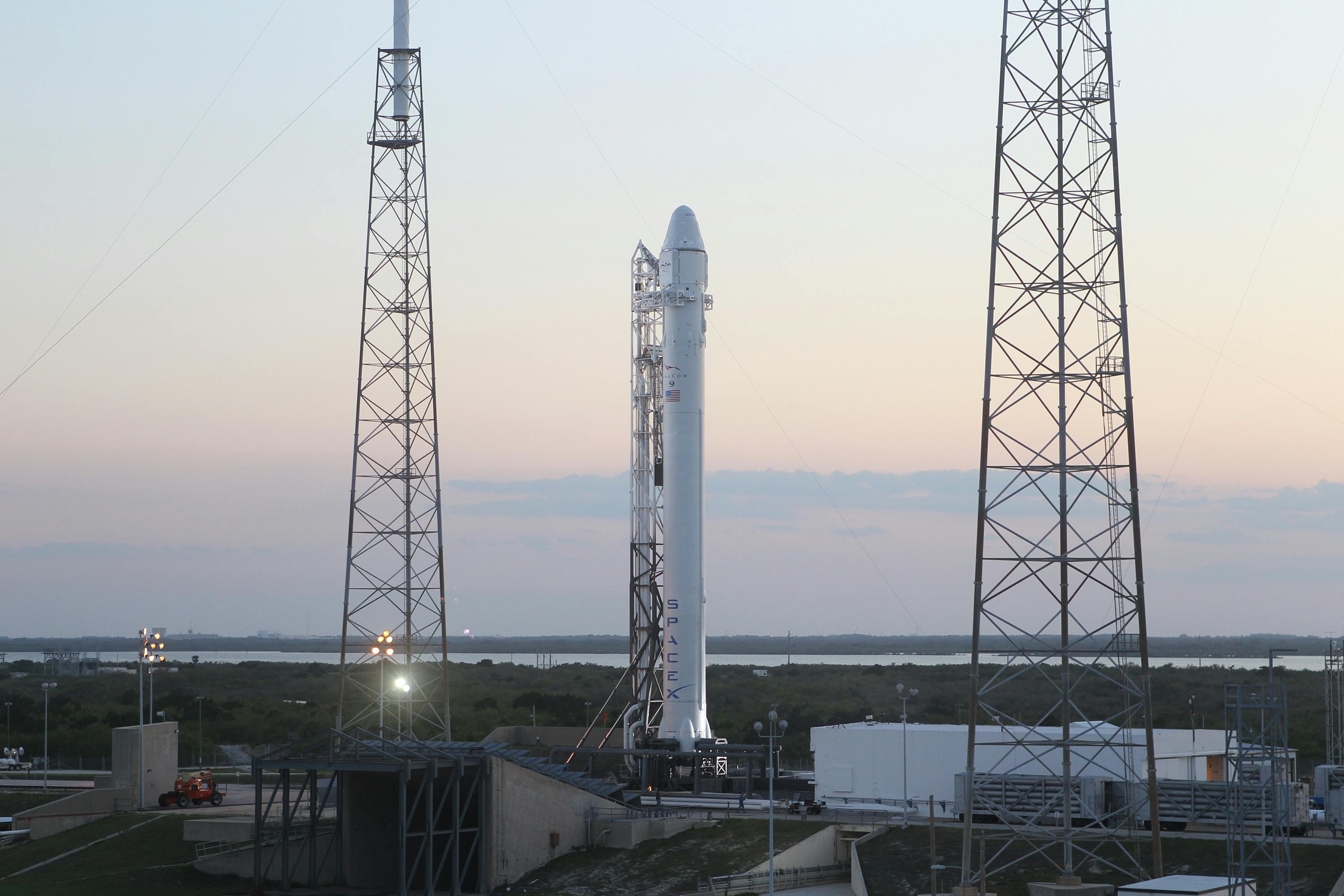
Exciting advancements from SpaceX as Starshield satellites prepare for launch, Starship Flight 7 faces a short delay, and new Starlink satellites enter orbit.


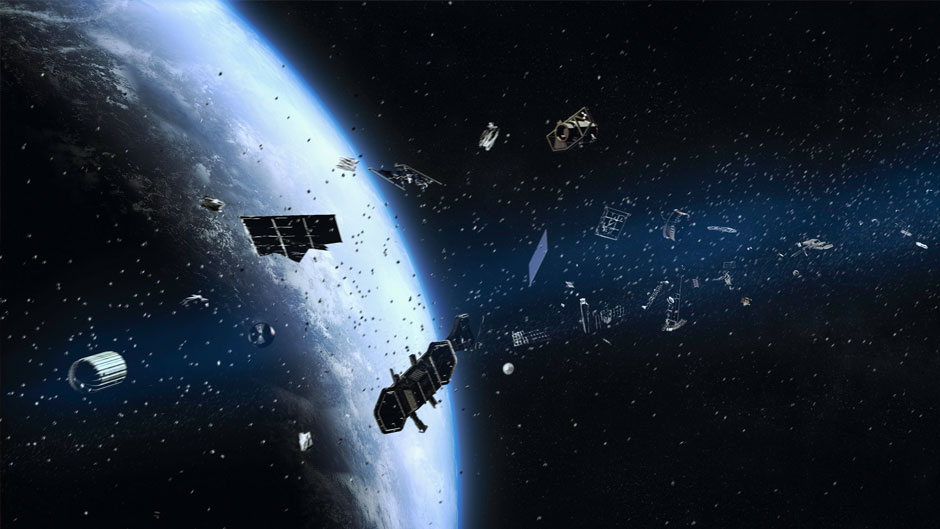
Launch Date
March 11, 2003
Launch Site
Launch Pad
SLC37B
Launch Vehicle
Delta 4M
NORAD ID
28247
International Designator
2003-008G
Decay Date
Unknown
Name
DELTA 4 DEB
Alternative Name
deb Delta 296
Type
Status
Owner
BLS
Country
United States
Constellation
N/A
Related Satellites
Major Events
N/A
Length
0
Diameter
0
Span
0
Dry Mass
0
Launch Mass
0
Shape
N/A
Radar Cross Section
Unknown
Visual Magnitude
Unknown
Color
Unknown
Material Composition
Unknown
Payload
deb DCSS-4 F02
Purpose
Unknown
Mission
Unknown
Manufacturer
Unknown
Life Expectancy
Unknown
Bus
Unknown
Configuration
Unknown
Motor
Unknown
Equipment
Unknown
Power System
Unknown
ADCS
Unknown
Transmitter Frequency
Unknown
Learn more about satellites and other related topics.
Exciting advancements from SpaceX as Starshield satellites prepare for launch, Starship Flight 7 faces a short delay, and new Starlink satellites enter orbit.
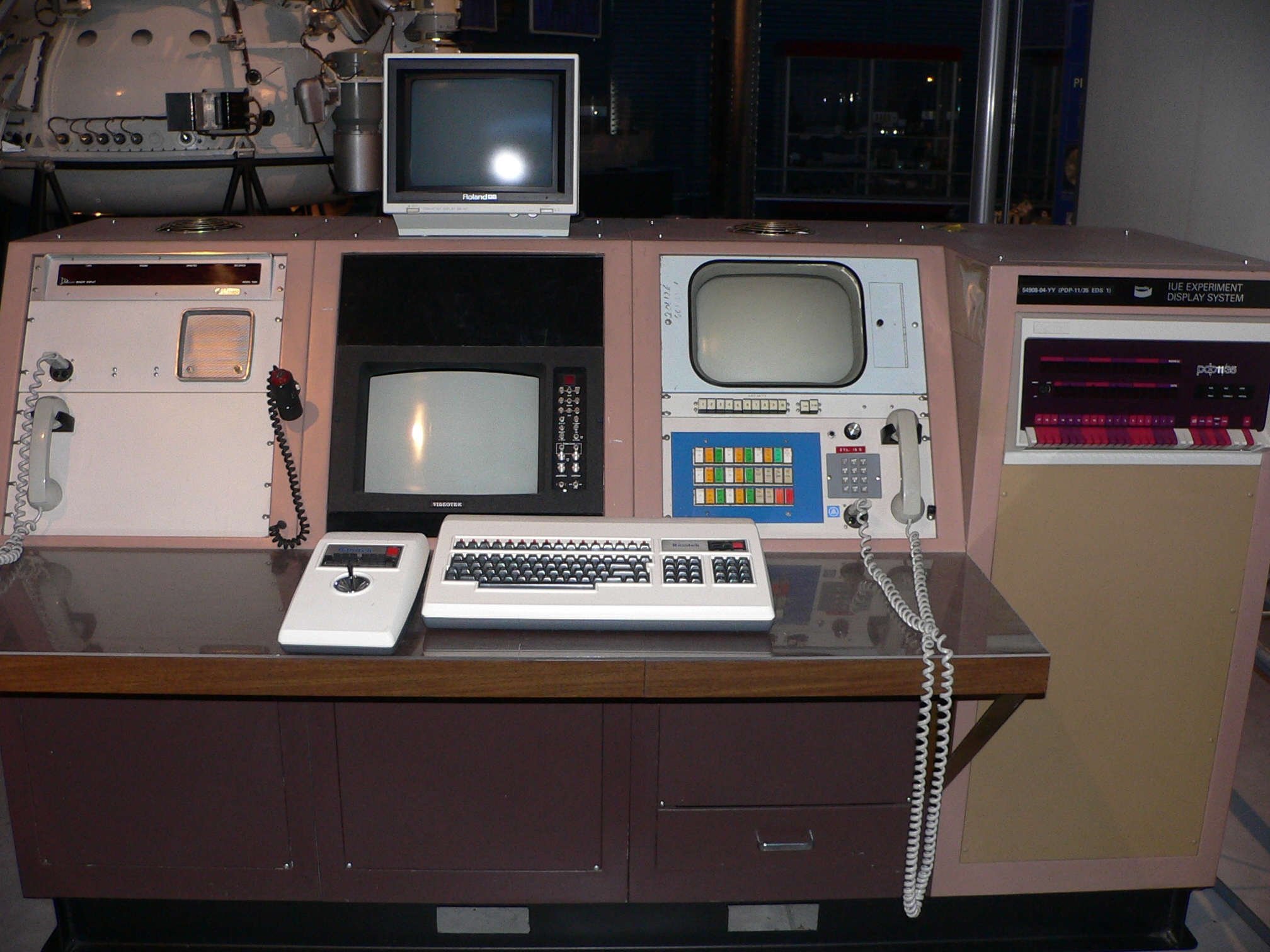
Forty-seven years ago, a revolutionary space telescope changed our view of the cosmos, pioneering international cooperation in space-based astronomy
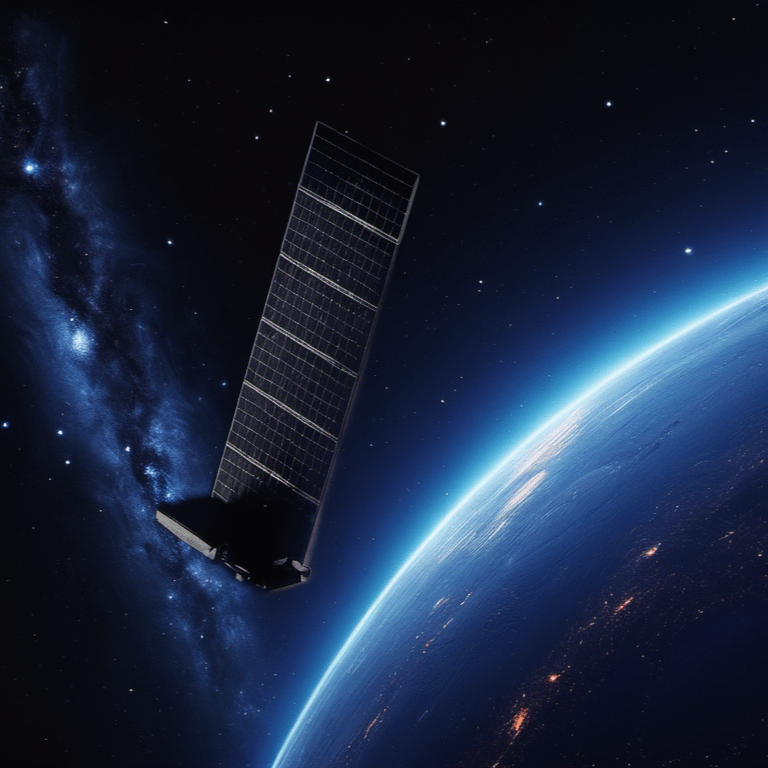
This article delves into SpaceX's incredible journey from its inception to becoming a space industry leader, and its Starlink project's mission to provide global internet access.

Today's highlights include the ongoing Crew-11 mission launch and Starship preparations for its upcoming test flight.

SpaceX continues to make strides in both its Starship program and Starlink satellite deployments, with a successful launch of 24 Starlink satellites and preparations for upcoming missions.

Today's report highlights the causes behind a recent Starship explosion, a significant delay in Axiom-4's launch, and the ongoing tension surrounding SpaceX's market dominance.
SpaceX successfully launched the Dror 1 satellite for Israel Aerospace Industries, marking another step forward in their launch capabilities.
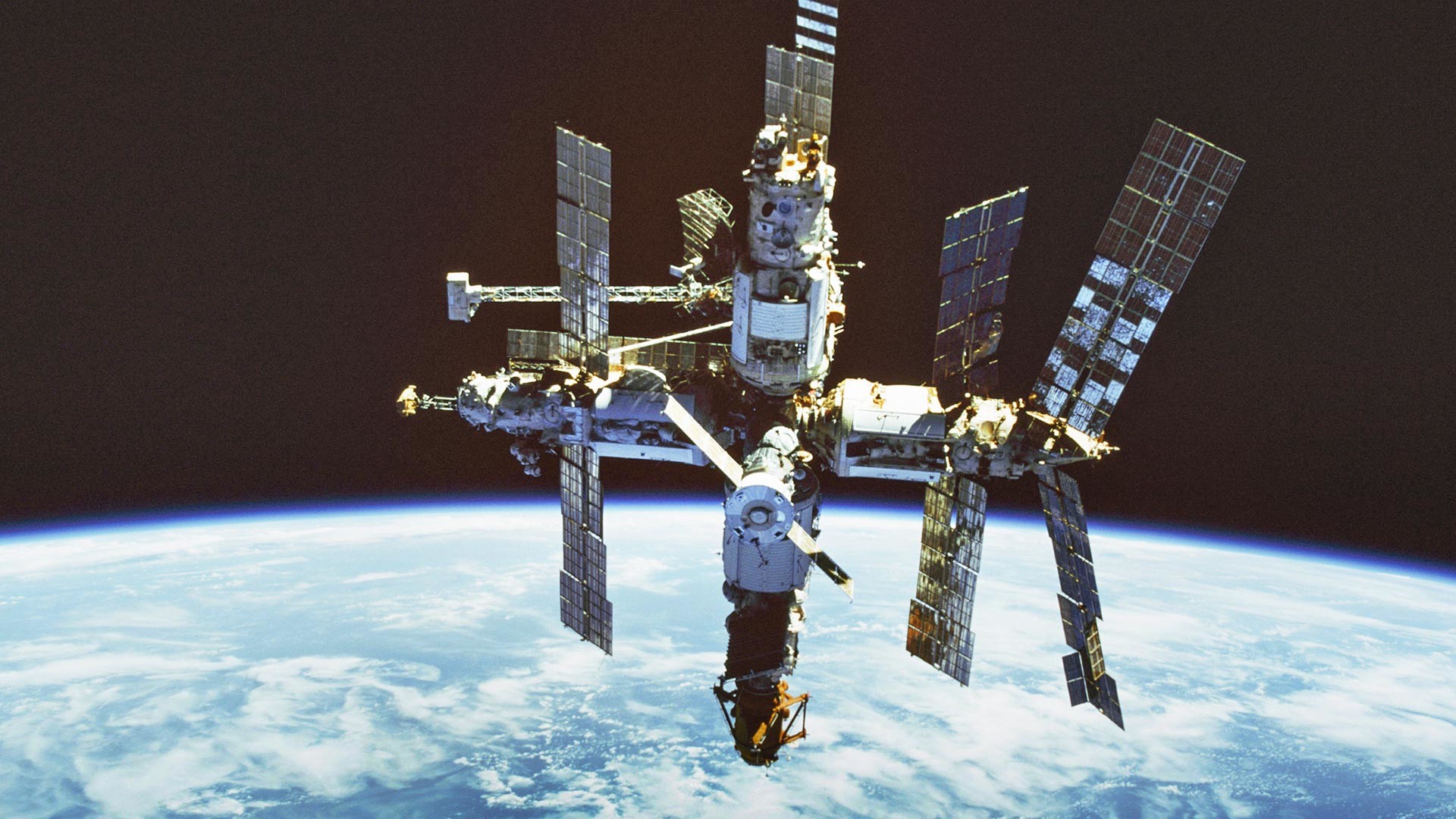
Forty years ago today, the USSR launched a 20-ton aluminum cylinder into low Earth orbit and called it 'Peace.' Over the next 15 years, Mir would host 104 people from 12 countries, survive a fire and a collision, and quietly teach humanity how to live in space.