


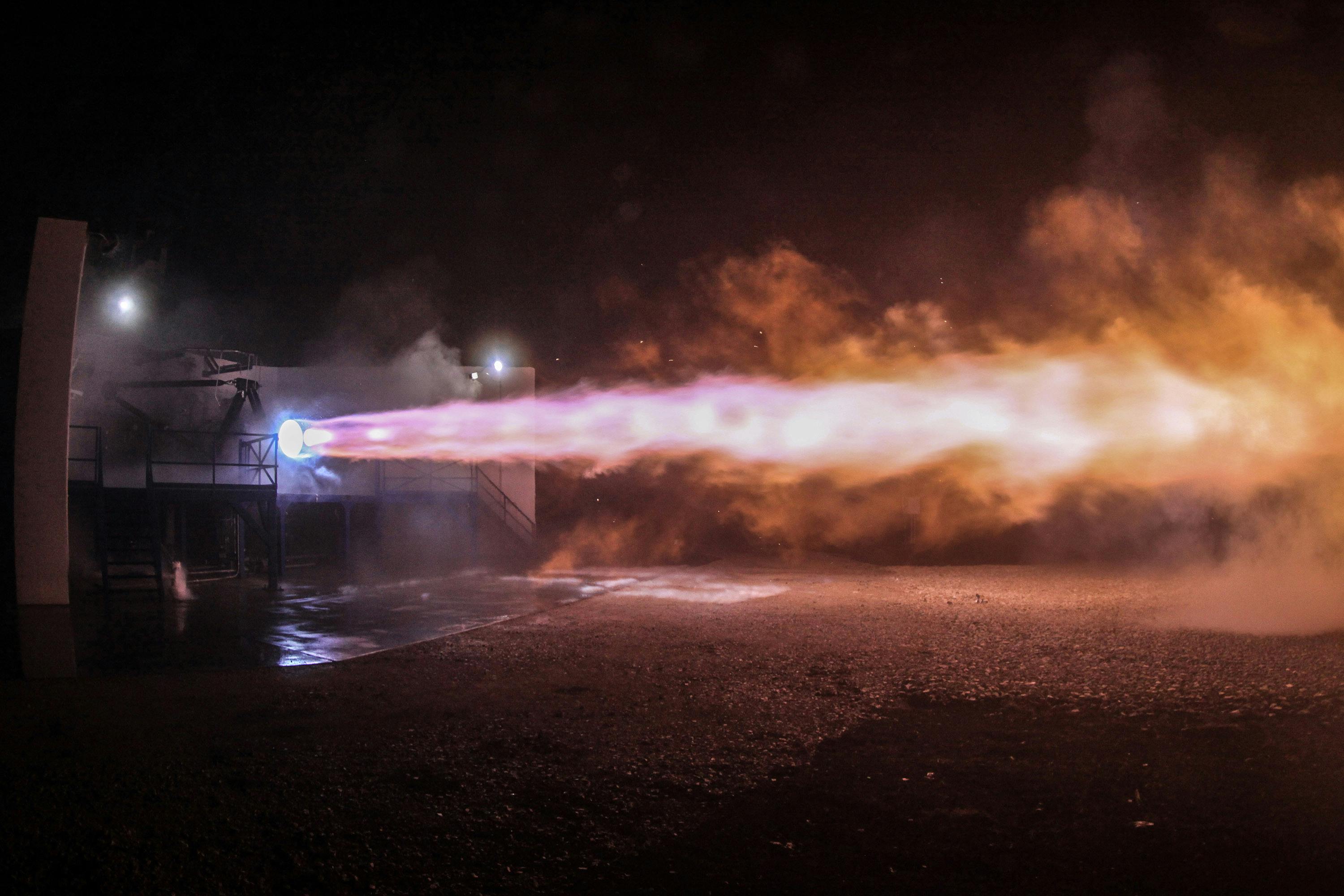
X Report 7 Apr 2025
SpaceX prepares for another Starlink launch today, following a successful deployment over the weekend from Florida's Space Coast.


Launch Date
April 20, 2004
Launch Site
AFWTR
Launch Pad
SLC2W
Launch Vehicle
Delta 7920-10C
NORAD ID
28230
International Designator
2004-014A
Epoch
Sat, 04 Jul 2026 02:21:25 GMT
Apogee
Calculating...
Perigee
Calculating...
Inclination
89.85°
Right Ascension
49.88°
Eccentricity
Calculating...
Argument of Perigee
101.94°
Period
97.08 min
Mean Motion
14.83 rev/day
Latitude
Calculating...
Longitude
Calculating...
Altitude
Calculating...
Velocity
Calculating...
Name
GP-B
Alternative Name
Gravity Probe B
Type
Status
Owner
MSFC
Country
United States
Constellation
N/A
Related Satellites
Major Events
N/A
1 28230U 04014A 26185.09821402 .00000805 00000-0 96343-4 0 9994
2 28230 89.8487 49.8770 0002258 101.9435 258.2043 14.83302347654853
Source: Celestrak
Length
6.4
Diameter
2.6
Span
6.4
Dry Mass
2805
Launch Mass
3145
Shape
Ell + Ant + 4 Pan
Radar Cross Section
10.178
Visual Magnitude
Unknown
Color
Unknown
Material Composition
Unknown
Payload
GP-B
Purpose
Fundamental Physics (Principle of relativity)
Mission
Fundamental Physics (Principle of relativity)
Manufacturer
LMMS/STAN
Life Expectancy
Unknown
Bus
Unknown
Configuration
Unknown
Motor
Unknown
Equipment
Four gyroscopes, Quartz telescope, GPS receiver, Retroreflector array
Power System
4 deployable fixed solar arrays, batteries
ADCS
Unknown
Transmitter Frequency
Unknown
Learn more about satellites and other related topics.
SpaceX prepares for another Starlink launch today, following a successful deployment over the weekend from Florida's Space Coast.

LeoLabs debuts Delta, a space monitoring tool designed for military operators to detect adversarial orbital activity beyond standard conjunction warnings.

SpaceX's secretive Starfall reentry demo launched June 23 as Starmind AI constellation targets 1M orbital compute nodes.

Today's space news features major US Space Force satellite launches, regulatory changes supporting private space initiatives, and updates on SpaceX's Starship advances.

SpaceX awarded $739M for nine national security missions. FCC approves 7,500 additional Starlink satellites. NASA announces early Crew-11 return from ISS due to medical issue.
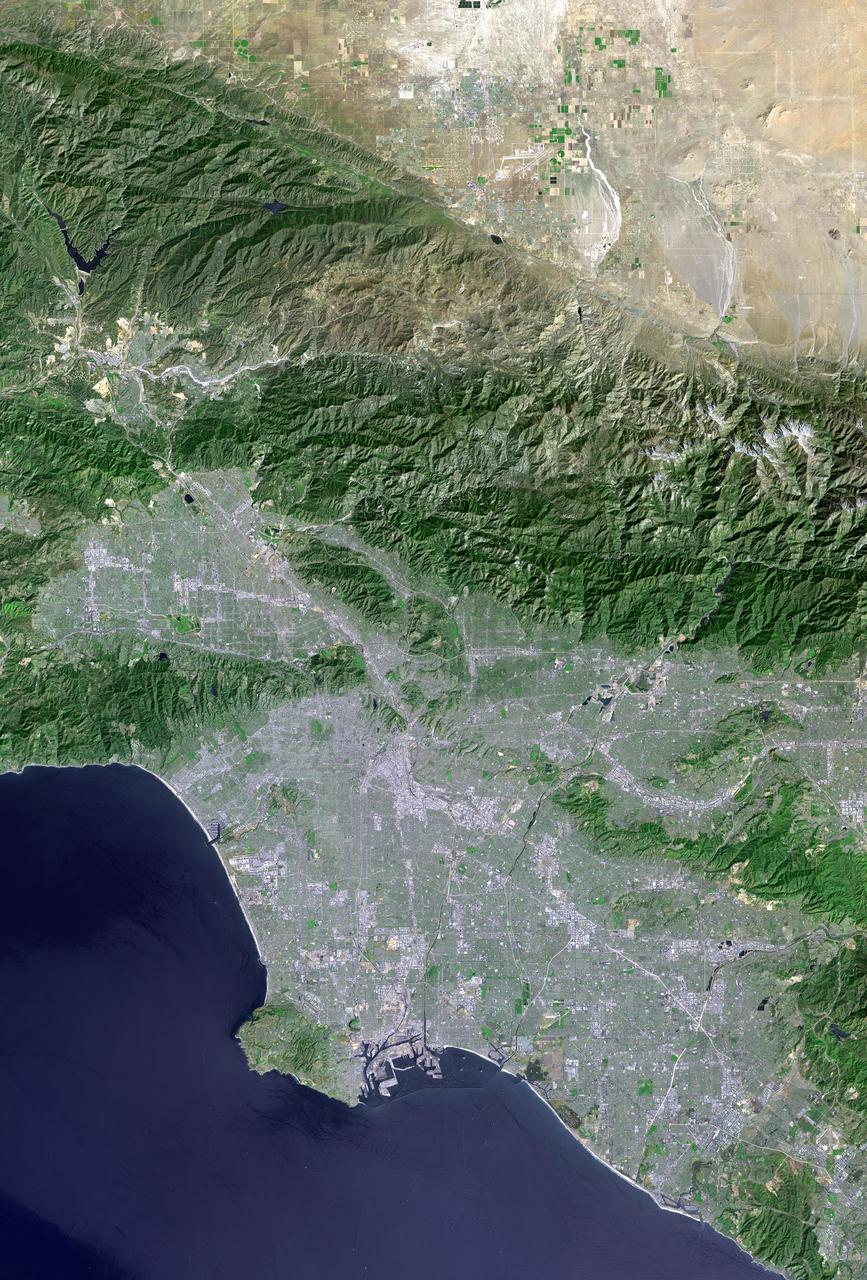
Landsat 7 launched on April 15, 1999, designed to last five years. It operated for twenty-five, survived a failure that destroyed a fifth of every image it took, and became part of the longest continuous record of Earth's surface ever assembled. Then they made the data free.
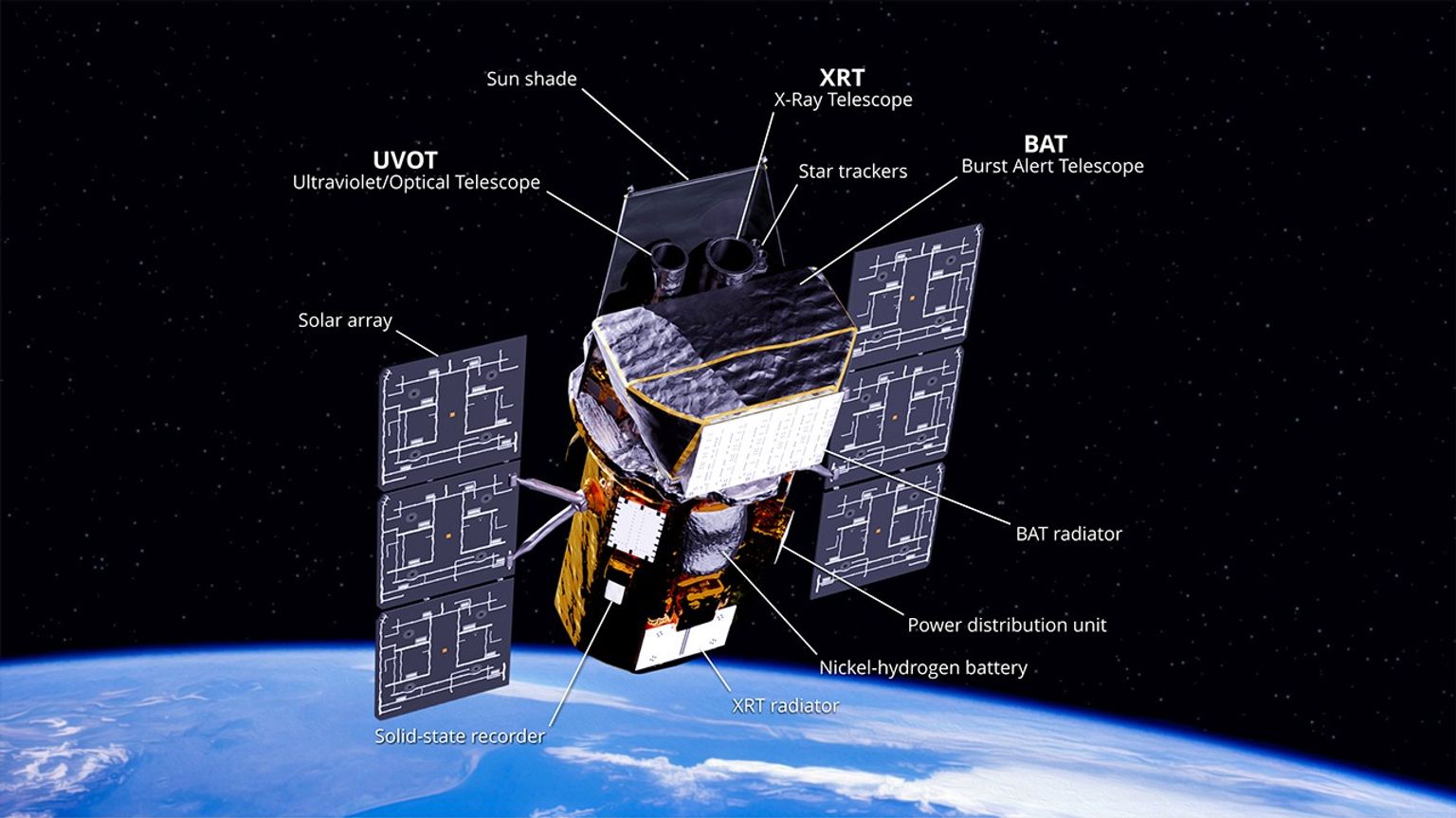
Designed for a two-year mission to catch gamma-ray bursts in the act, Swift is now 21 years old, slowly falling out of the sky, and the subject of an unprecedented private rescue mission. Nobody planned for it to be this hard to let go.
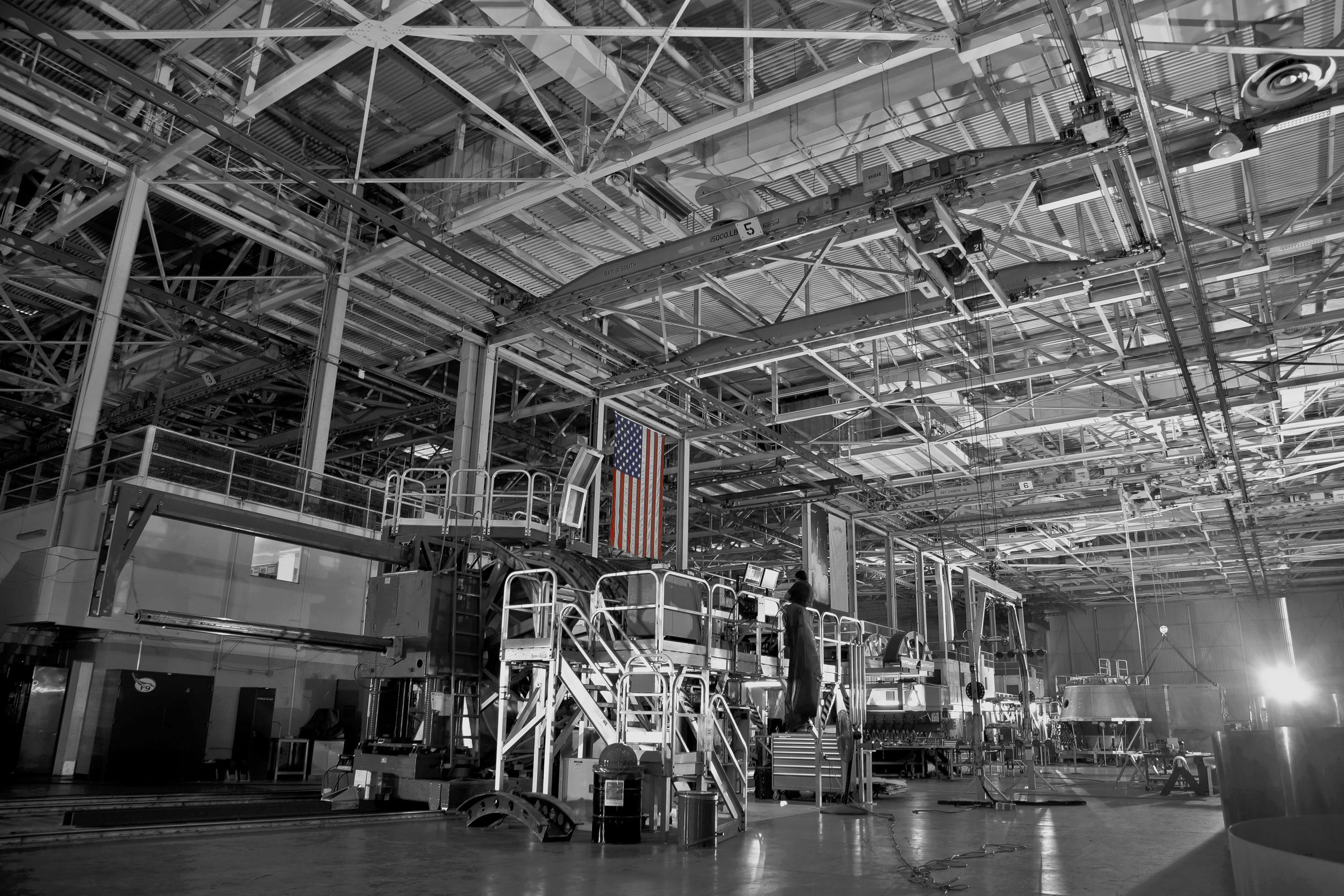
SpaceX continues its rapid launch cadence by deploying 28 Starlink satellites while expanding its service with collaborations such as United Airlines and Entel in Chile.