


Space Brief 18 Jul 2025
Today's highlights include Space Force prioritizing military missions, testing new GPS satellite software, and international defense collaborations impacting space assets.


Launch Date
April 18, 2004
Launch Site
XICLF
Launch Pad
LC3
Launch Vehicle
Chang Zheng 2C
NORAD ID
28220
International Designator
2004-012A
Epoch
Sat, 04 Jul 2026 05:01:13 GMT
Apogee
Calculating...
Perigee
Calculating...
Inclination
97.87°
Right Ascension
264.39°
Eccentricity
Calculating...
Argument of Perigee
326.27°
Period
93.86 min
Mean Motion
15.34 rev/day
Latitude
Calculating...
Longitude
Calculating...
Altitude
Calculating...
Velocity
Calculating...
Name
SHIYAN 1 (SY-1)
Alternative Name
Shiyan Weixing 1
Type
Status
Owner
CASC
Country
China
Constellation
N/A
Related Satellites
Major Events
N/A
1 28220U 04012A 26185.20918121 .00018339 00000-0 55564-3 0 9999
2 28220 97.8685 264.3882 0004255 326.2717 33.8253 15.34206707213708
Source: Celestrak
Length
1
Diameter
1
Span
3
Dry Mass
204
Launch Mass
204
Shape
Box + 2 Pan
Radar Cross Section
1.5466
Visual Magnitude
Unknown
Color
Unknown
Material Composition
Unknown
Payload
Tansuo 1
Purpose
Earth observation
Mission
Earth observation
Manufacturer
DFH/HARB
Life Expectancy
Unknown
Bus
SY
Configuration
Unknown
Motor
Unknown
Equipment
Unknown
Power System
4 deployable fixed solar arrays, batteries
ADCS
Unknown
Transmitter Frequency
Unknown
Learn more about satellites and other related topics.
Today's highlights include Space Force prioritizing military missions, testing new GPS satellite software, and international defense collaborations impacting space assets.

SpaceX targets May 19 for Starship Flight 12 debut, while CRS-34 delivers 6,500 lbs of cargo to ISS aboard a Falcon 9.
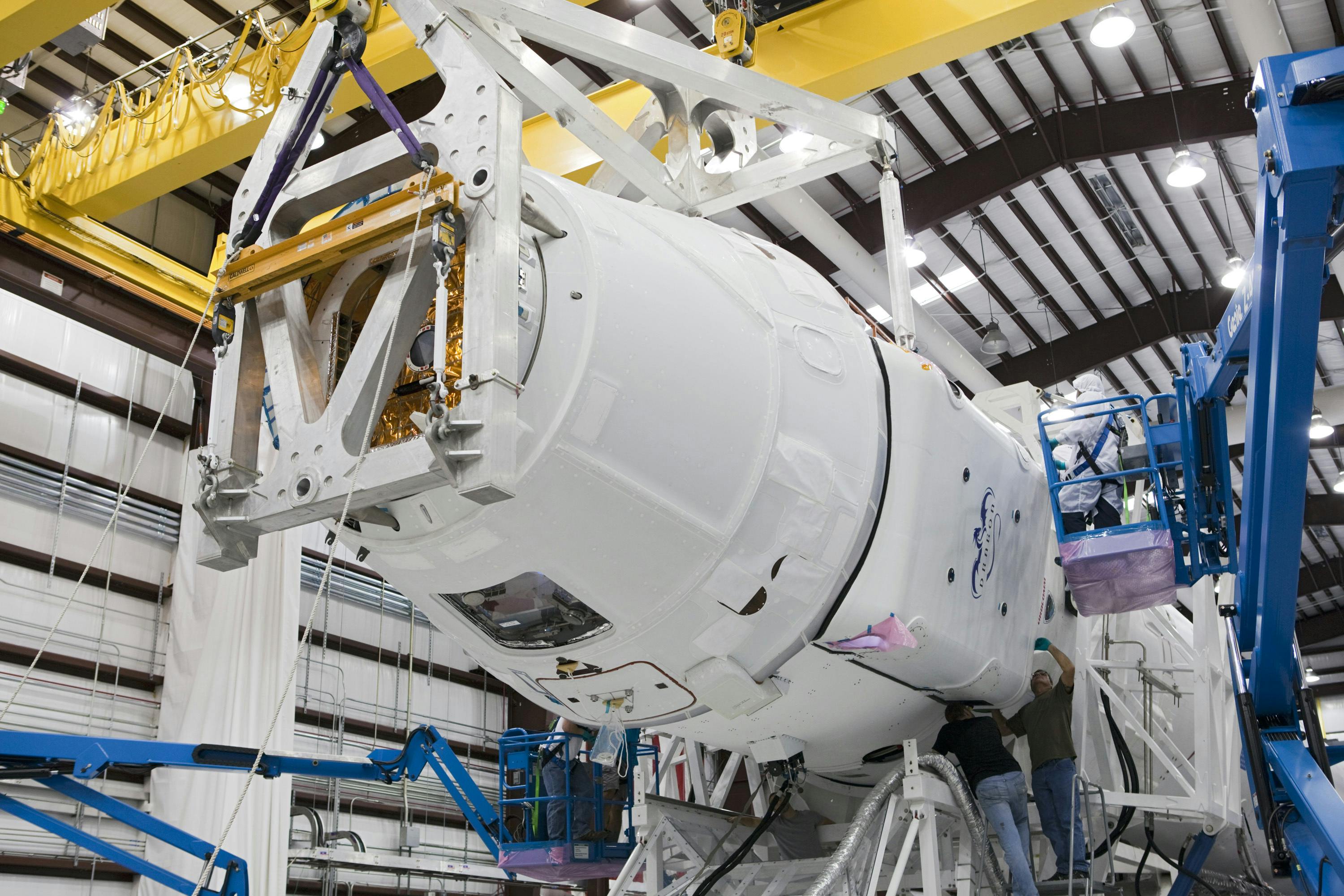
SpaceX prepares for its 100th Starlink launch while refining its lunar lander design for NASA's Artemis program amidst calls for architectural changes.

Follow the complete Artemis II mission in KeepTrack's 3D tracker. Replay Orion's full flight path from launch through the lunar flyby to Pacific splashdown, and scrub to any moment of the ten-day mission.
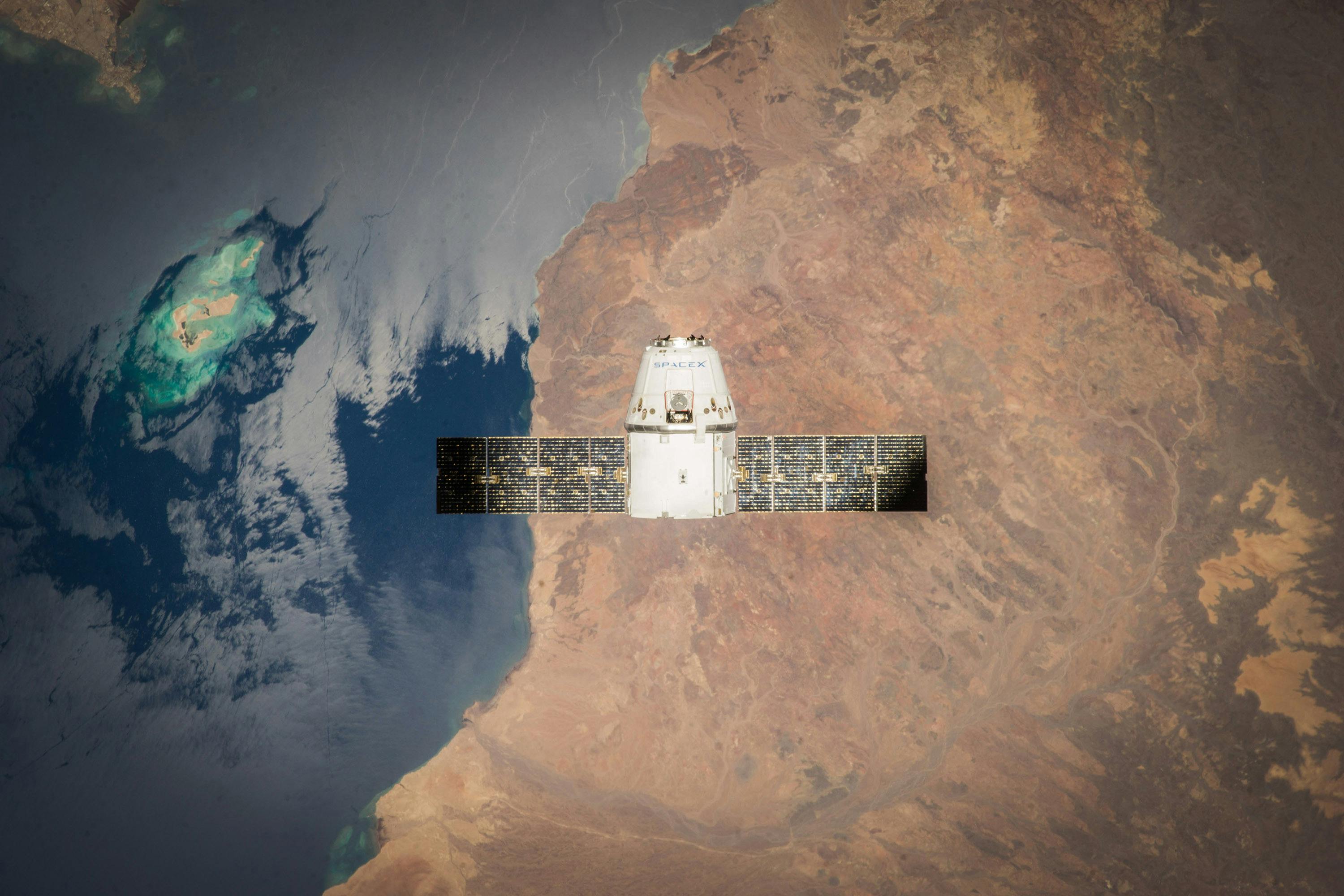
SpaceX advances Starship infrastructure, President Trump considers closing the National Space Council, and 23 new Starlink satellites boost global connectivity.
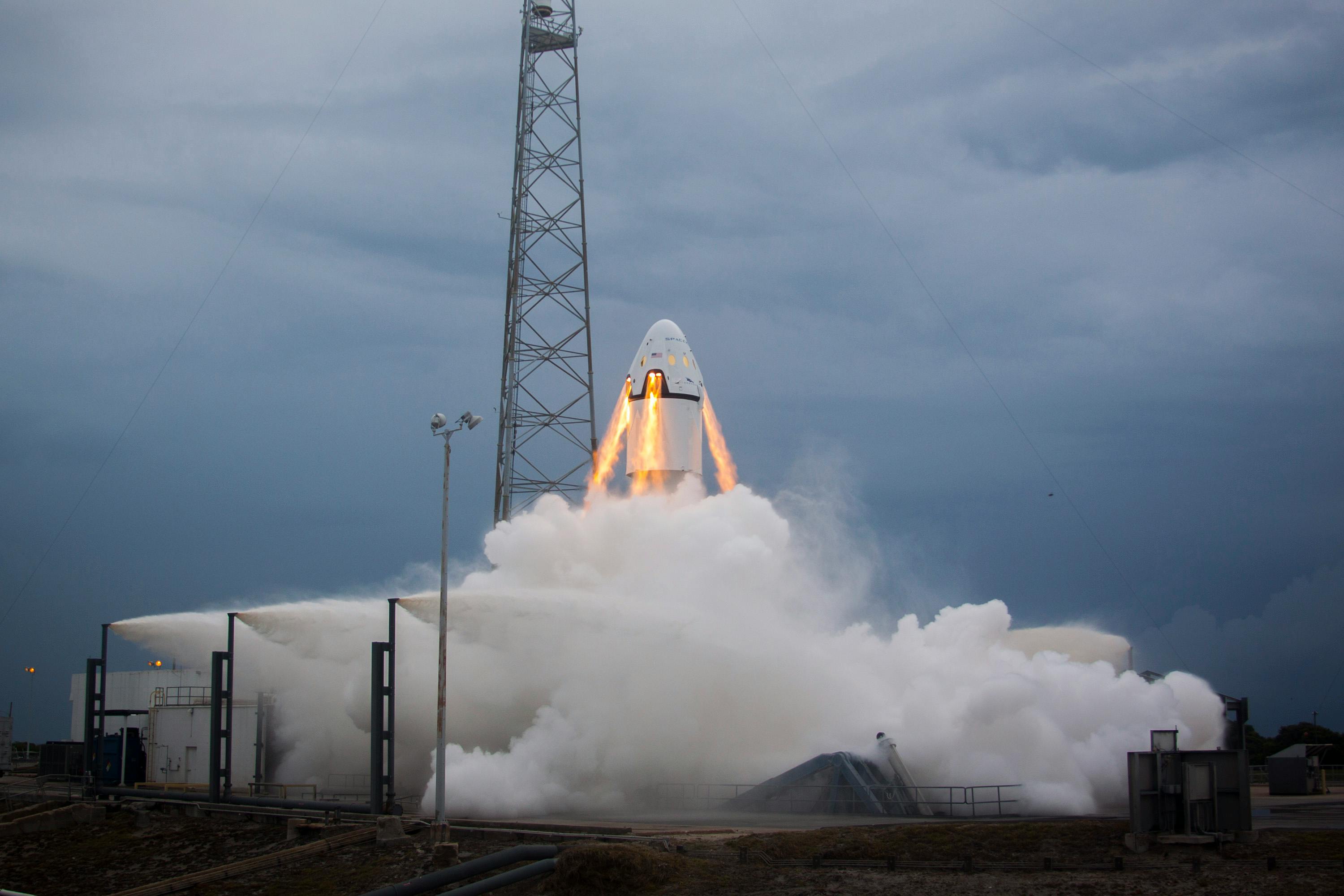
SpaceX achieves a milestone with its 350th successful mission, including a significant Starlink launch, while Starship advances in testing. Meanwhile, SpaceX boosts SiriusXM's satellite fleet and industry competitors make strides.

For nearly two decades, the U.S. Air Force and Space Force have been the world's unofficial civilian space traffic control system. The Department of Commerce's Traffic Coordination System for Space (TraCSS) is now taking over that job for commercial satellite operators - in stages, against persistent congressional pressure to kill the program, and with Department of Defense advocates pushing to make it happen before it is too late.

SpaceX celebrates 300 successful booster landings, further solidifying its dominance in reusable rocket technology.