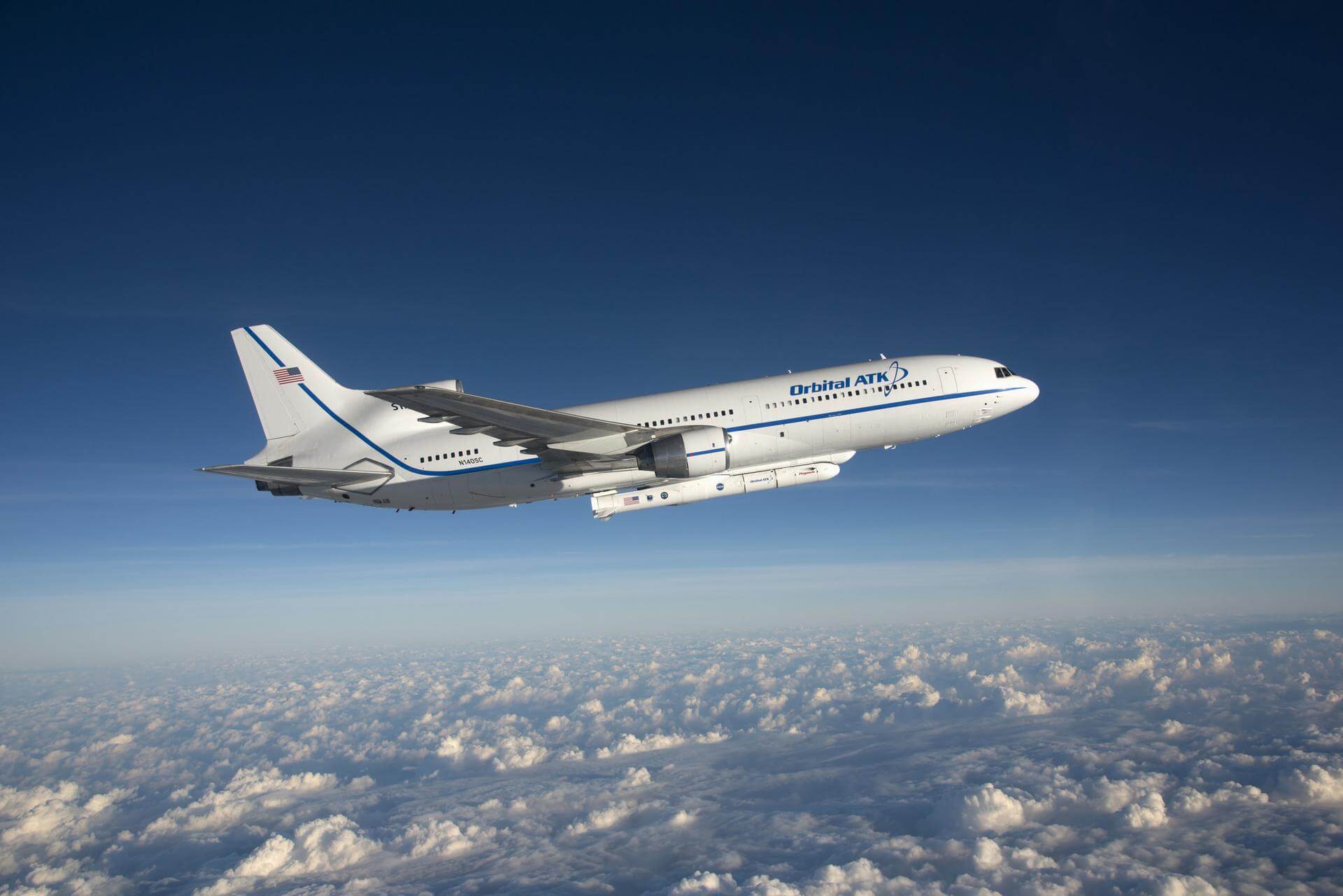
DELTA 2 R/B(1) (28191)

COSPAR: 2004-009B | Alt Name: Delta 303
DECAYED

Image
DELTA 2 R/B(1) Satellite Image
Additional Sources
Launch Details

Launch Date

March 20, 2004

Launch Pad

SLC17B

Launch Vehicle

Delta 7925-9.5

Orbital Elements

NORAD ID

28191

International Designator

2004-009B

Decay Date

9/22/2004

Basic Satellite Info

Name

DELTA 2 R/B(1)

Alternative Name

Delta 303

Type

Rocket Body

Status

Space Junk

Owner

BOHB

Country

United States

Constellation

N/A

Related Satellites

Major Events

N/A

Summary
A rocket body, also commonly referred to as an upper stage or spent rocket stage, is the structural shell left behind after a rocket has delivered its payload to orbit. These large and often heavy pieces of space hardware can remain in orbit for years, posing significant collision hazards as part of the growing space debris problem. If left uncontrolled, rocket bodies have the potential to reenter Earth's atmosphere unpredictably, which can lead to falling debris in populated areas. Additionally, they risk colliding with operational satellites or the International Space Station, creating more debris and putting human life at risk.
Physical Characteristics

Length

7

Diameter

2.4

Span

7

Dry Mass

924

Launch Mass

1500

Shape

Cyl + Cone

Radar Cross Section

9.5665

Visual Magnitude

Unknown

Color

Unknown

Material Composition

Unknown

Technical Details

Payload

Delta SSPS AJ-10-118K

Purpose

Unknown

Mission

Unknown

Manufacturer

BOHB

Life Expectancy

Unknown

Bus

Delta/0020

Configuration

Unknown

Motor

Unknown

Equipment

Unknown

Power System

Unknown

ADCS

Unknown

Transmitter Frequency

Unknown

Satellite Articles

View All Posts »

Learn more about satellites and other related topics.

China's Rocket Factory Finds a Second Gear

China's Rocket Factory Finds a Second Gear

In 2024, China launched 68 orbital missions. In 2025, the number jumped to 97. In 2026, state media and Western analysts agree the target is 140 or more. Most of that growth is being driven by two state-backed mega-constellations, a half-dozen private launch companies hitting stride, and a deliberate national pivot toward commercial space. Beijing is no longer trying to catch SpaceX. It is trying to build an industrial base that outlasts one.


X Report 27 Oct 2025

X Report 27 Oct 2025

SpaceX achieves a significant milestone with over 10,000 satellites launched, the West Coast welcomes Falcon Heavy launches, and developments around Artemis 3 prompt competitive discourse.

Satellites by Country

Satellites by Country

Explore a comprehensive breakdown of satellite counts by country, detailing the USA, Russia, China, and others.

Van Allen Probe A Reenters March 10 After 14 Years | KeepTrack Space Brief

Van Allen Probe A Reenters March 10 After 14 Years | KeepTrack Space Brief

NASA's Van Allen Probe A (1,300 lbs) reenters today after 14 years studying Earth's radiation belts. Most debris will burn up; ocean impact statistically likely.

Space Force Terminates $1.7B SCAR Contract, Relaunches | KeepTrack Space Brief

Space Force Terminates $1.7B SCAR Contract, Relaunches | KeepTrack Space Brief

Space Force terminated its $1.7B SCAR ground antenna modernization contract and is relaunching competition. Delays extend reliance on aging legacy systems for MEO and GEO satellite command.

Space Brief 11 Nov 2024

Space Brief 11 Nov 2024

SpaceX gears up for a Starlink launch from Florida amid ongoing space policy discussions. A closer look at the OneWeb satellite series in our Satellite Spotlight.

How a Parachutist Named Seagull Became the First Woman in Space

How a Parachutist Named Seagull Became the First Woman in Space

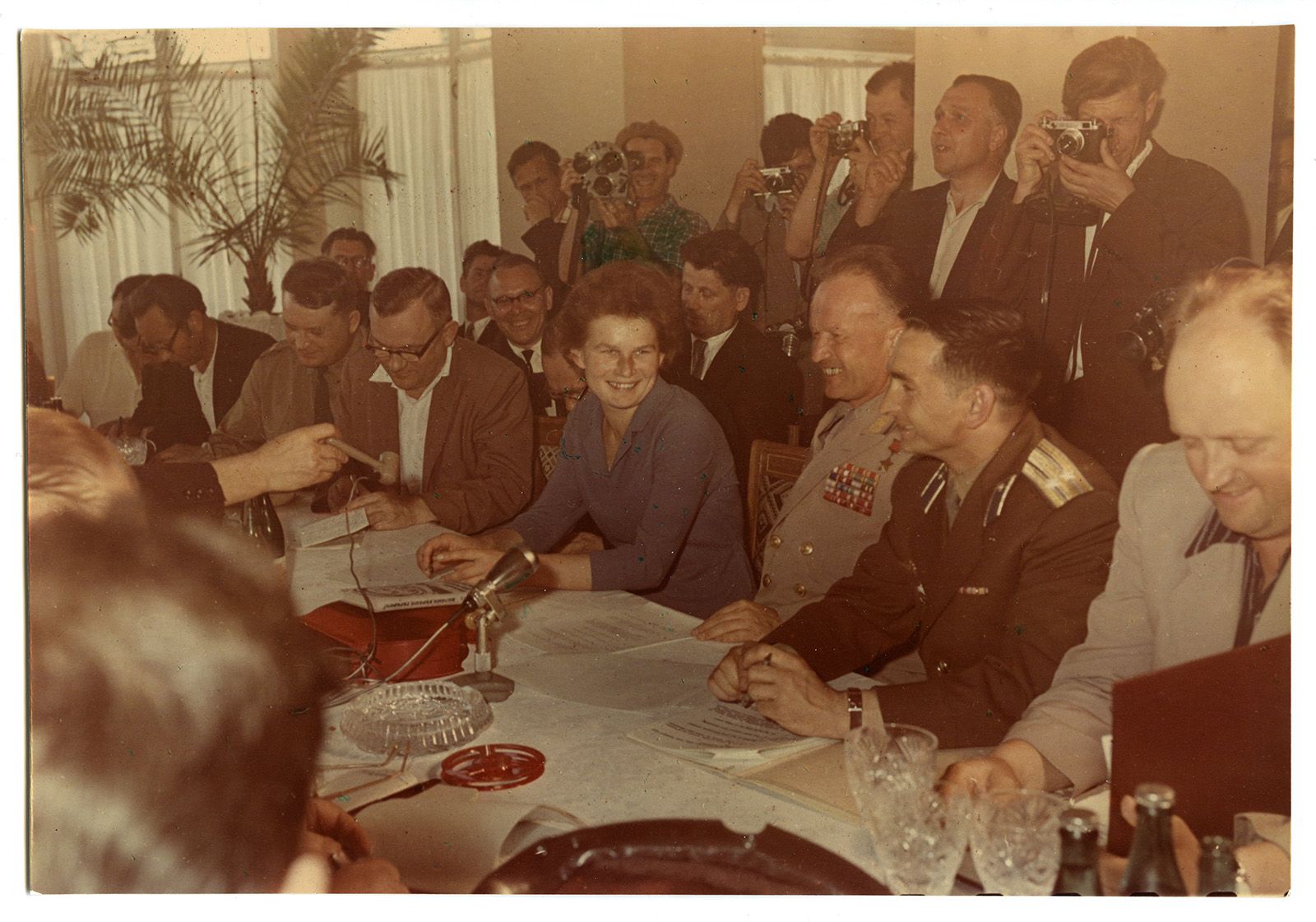
On 16 June 1963, a 26-year-old former textile worker named Valentina Tereshkova launched aboard Vostok 6 and spent nearly three days alone in orbit. She flew 48 times around the Earth, longer than every American astronaut combined, and spotted a dangerous flaw in her descent program that ground controllers had missed.

X Report 17 Nov 2025

X Report 17 Nov 2025

SpaceX successfully launched the Sentinel-6B satellite, marking a significant milestone as its 500th mission with a reused rocket, furthering global sea level monitoring efforts.