

X Report 18 Apr 2025
Cape Canaveral launch site activities intensify; SpaceX explores new subscription model for Trump's Golden Dome.



Launch Date
February 18, 2004
Launch Site
PLMSC
Launch Pad
LC16/2
Launch Vehicle
Molniya 8K78M
NORAD ID
28166
International Designator
2004-005D
Decay Date
3/15/2004
Name
SL-6 PLAT
Alternative Name
BOZ
Type
Status
Owner
RVSNR
Country
Russia
Constellation
N/A
Related Satellites
Major Events
N/A
Length
1
Diameter
2.3
Span
1
Dry Mass
328
Launch Mass
328
Shape
Cyl
Radar Cross Section
3.6068
Visual Magnitude
Unknown
Color
Unknown
Material Composition
Unknown
Payload
BOZ
Purpose
Unknown
Mission
Unknown
Manufacturer
PROGT
Life Expectancy
Unknown
Bus
BOZ
Configuration
Unknown
Motor
Unknown
Equipment
Unknown
Power System
Unknown
ADCS
Unknown
Transmitter Frequency
Unknown
Learn more about satellites and other related topics.
Cape Canaveral launch site activities intensify; SpaceX explores new subscription model for Trump's Golden Dome.

Sixty-four years ago, NASA made a decision that would shape the future of human spaceflight by selecting three astronauts to compete for America's first journey into space

Today marks significant milestones and setbacks for SpaceX as Starship Flight 9 completes a historic launch but ultimately suffers a loss of control. Additionally, a successful Starlink deployment continues to expand global internet coverage.

SpaceX delivered 3 Block 2 BlueBird satellites for AST SpaceMobile from Pad 40, advancing direct-to-cell broadband with 10,650 Starlink craft now active.
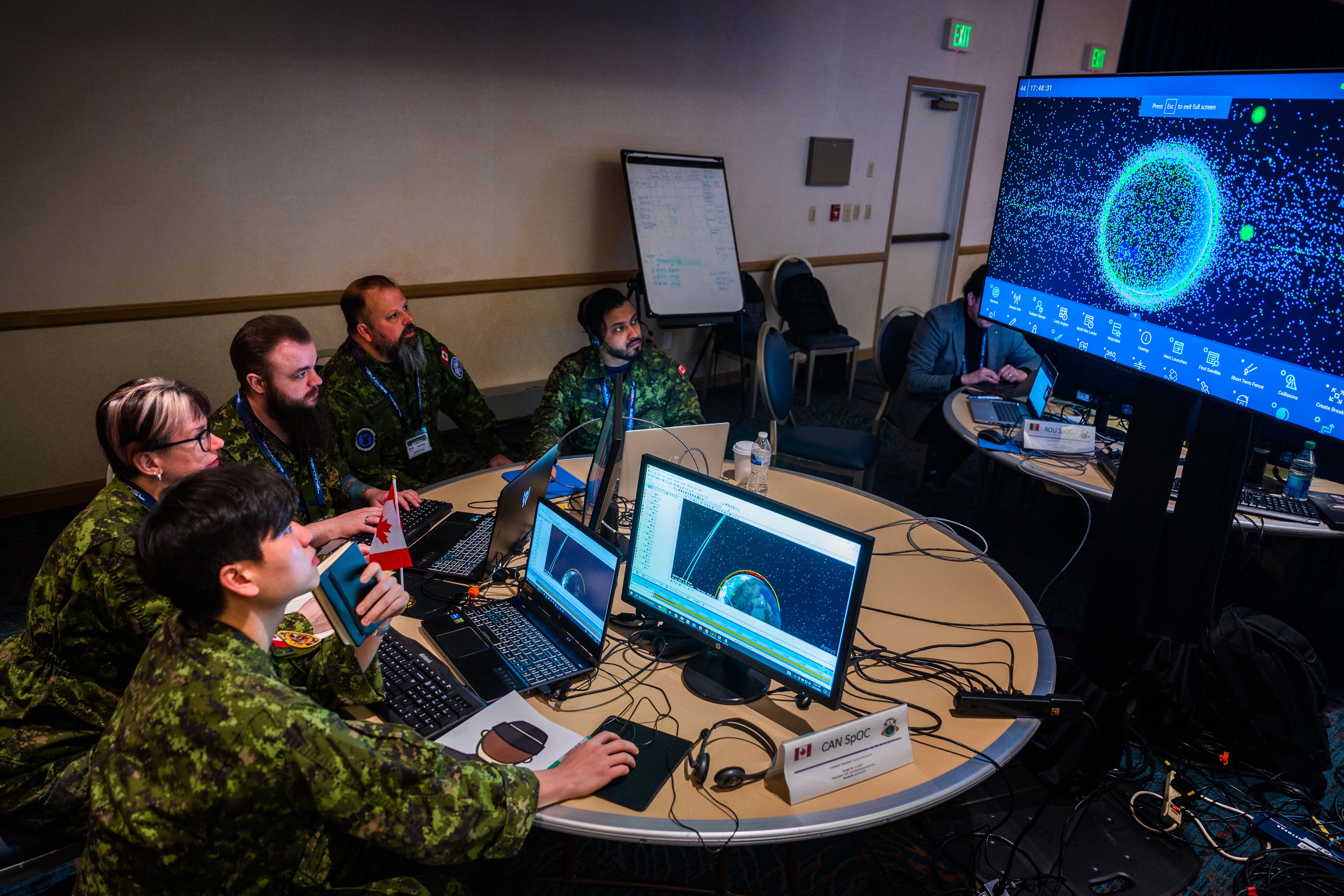
Space Force shares classified tracking data with commercial firms. Falcon 9 reentry linked to upper-atmosphere lithium plume. SpaceX launches 54 Starlink sats in one day.

Today's highlights include significant data release from NASA's Atmospheric Waves Experiment, SpaceX's dual launches of Crew-10 and Starlink satellites, and intriguing findings from the arctic ice studies.

SpaceX secures FCC nod for Starlink's direct-to-phone connectivity, lands NASA's Dragonfly mission, and sees new competition with the ZhuQue-2E launch.
White House directs NASA and Pentagon to field space nuclear power systems by 2028, with DoD demonstration required by 2031. Game-changer for military satellite power budgets.