


Space Brief 24 Jan 2025
Today's highlights include China's launch of classified TJS-14 satellite, Boeing's defense program losses, and the fourth batch launch of Thousand Sails satellites.


Launch Date
February 18, 2004
Launch Site
PLMSC
Launch Pad
LC16/2
Launch Vehicle
Molniya 8K78M
NORAD ID
28165
International Designator
2004-005C
Decay Date
4/11/2004
Name
SL-6 R/B(1)
Alternative Name
Molniya-M 92-690 Blok-I
Type
Status
Owner
RVSNR
Country
Russia
Constellation
N/A
Related Satellites
Major Events
N/A
Length
6.7
Diameter
2.7
Span
6.7
Dry Mass
2350
Launch Mass
2350
Shape
Cyl
Radar Cross Section
16.6058
Visual Magnitude
Unknown
Color
Unknown
Material Composition
Unknown
Payload
11S510
Purpose
Unknown
Mission
Unknown
Manufacturer
PROGT
Life Expectancy
Unknown
Bus
Blok-I
Configuration
Unknown
Motor
Unknown
Equipment
Unknown
Power System
Unknown
ADCS
Unknown
Transmitter Frequency
Unknown
Learn more about satellites and other related topics.
Today's highlights include China's launch of classified TJS-14 satellite, Boeing's defense program losses, and the fourth batch launch of Thousand Sails satellites.
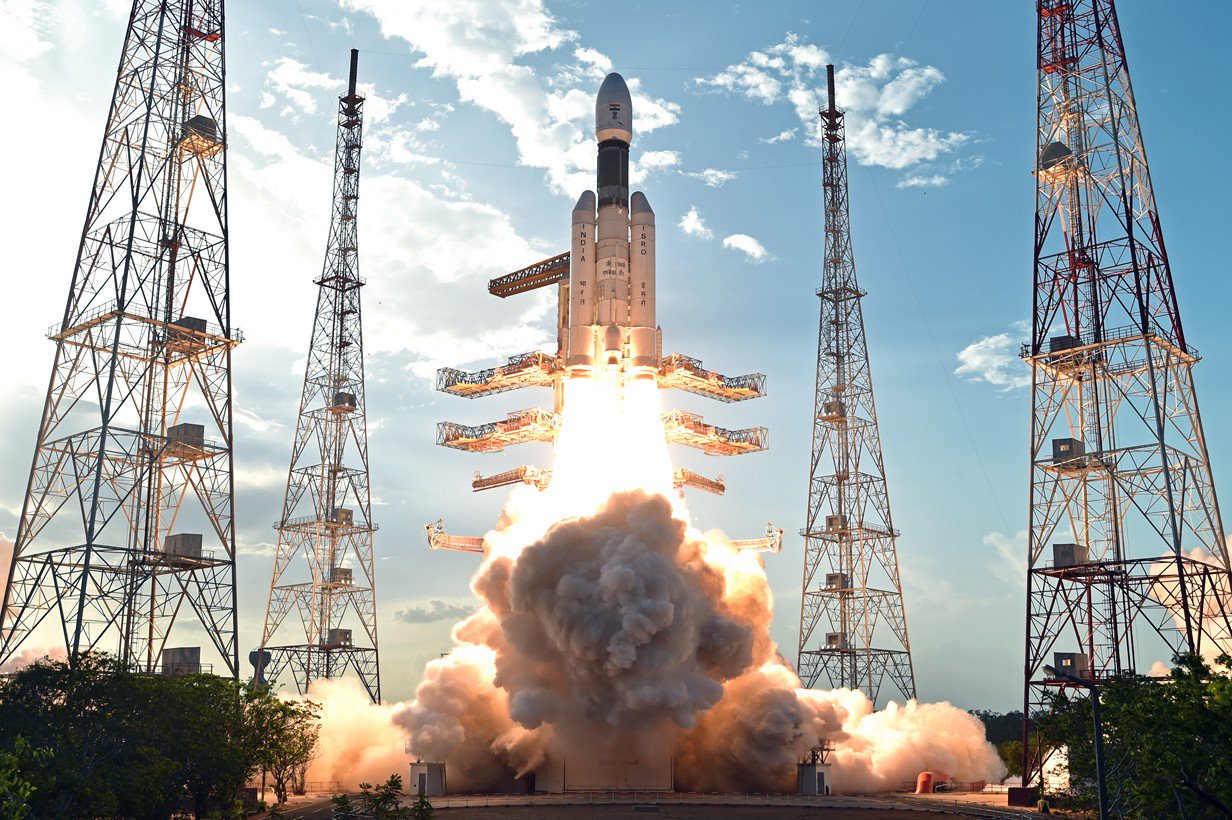
Today's stories cover Rocket Lab's innovative DiskSat launch, Digantara's expansion to missile defense, and DARPA's satellite surveillance network expansion, among other updates in military and satellite technology.

SpaceX awarded $178.5M Space Force contract for missile tracking satellite launches beginning 2027. Pentagon also extends GPS modernization support with $45M Raytheon order.

Pentagon cancels Next-Generation OPIR Polar program after Northrop Grumman delivered sensor payload. LEO and MEO alternatives deemed sufficient for missile-warning coverage.
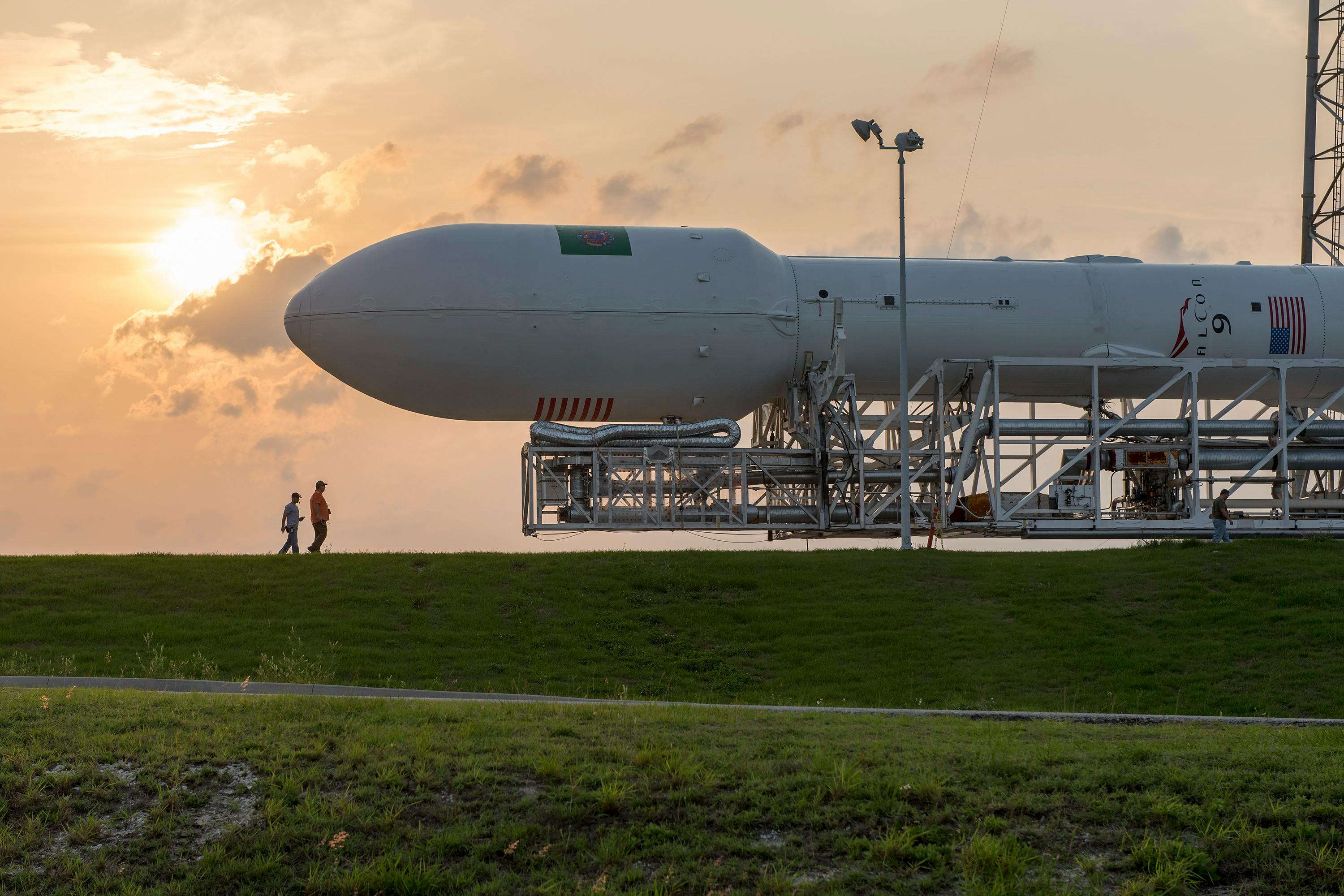
SpaceX successfully launched a batch of Starlink satellites today while introducing new features to enhance user experience. Their rideshare program continues to see increased demand, proving popular among customers.

Today's brief covers the new Space Force operations doctrine, international defense collaborations by the UAE, and satellite tracking technology innovations.
Space Force initiates cybersecurity network upgrades across 14 bases. SDA expands $3.5B Tracking Layer with 72 new satellites. SpaceX and China drive record orbital launches in 2025.

Army launches space career field seeking 1,000 new specialists. HASC chair Rogers eyes $1.5T defense budget. Army and Marines share fire mission data via JADC2.