

Space Brief 31 May 2025
Today's brief covers a significant GPS satellite launch by SpaceX, China's classified satellite mission, and Rocket Lab's strategic steps in the defense sector.



Launch Date
July 17, 1991
Launch Site
FRGUI
Launch Pad
ELA2
Launch Vehicle
Ariane 40
NORAD ID
28065
International Designator
1991-050H
Decay Date
3/26/2007
Name
SARA DEB
Alternative Name
SARA antenna debris
Type
Status
Owner
AE
Country
France
Constellation
N/A
Related Satellites
Major Events
N/A
Length
0
Diameter
0
Span
0
Dry Mass
0
Launch Mass
0
Shape
N/A
Radar Cross Section
0.1098
Visual Magnitude
Unknown
Color
Unknown
Material Composition
Unknown
Payload
Unknown
Purpose
Unknown
Mission
Unknown
Manufacturer
ESIE
Life Expectancy
Unknown
Bus
Unknown
Configuration
Unknown
Motor
Unknown
Equipment
Unknown
Power System
Unknown
ADCS
Unknown
Transmitter Frequency
Unknown
Learn more about satellites and other related topics.
Today's brief covers a significant GPS satellite launch by SpaceX, China's classified satellite mission, and Rocket Lab's strategic steps in the defense sector.

SpaceX explores new horizons with Starship's point-to-point travel announcement and reports significant Starlink deployment progress.

ULA's Vulcan rocket preps for USSF-87 national security launch to open 2026. Sierra Space delivers SDA Tranche 2 satellites three months early. NASA delays spacewalk for Crew-11 medical issue.

Today's brief covers increased Space Force funding, a renewed focus on nuclear power in space, a proposed US missile defense system, new defense budget revelations, and NATO's call for increased air defenses.
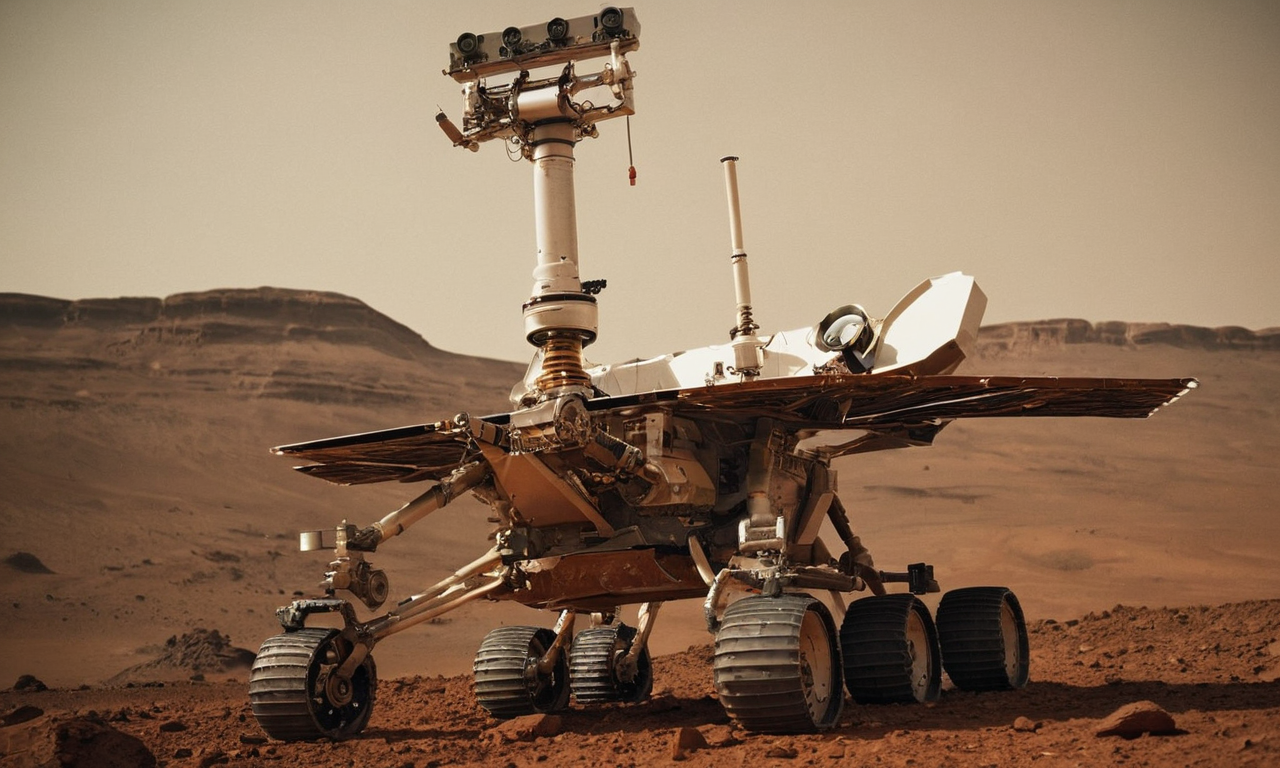
Twenty-one years ago, a golf cart-sized rover bounced to a stop inside a small crater on Mars, beginning one of the most remarkable chapters in space exploration history
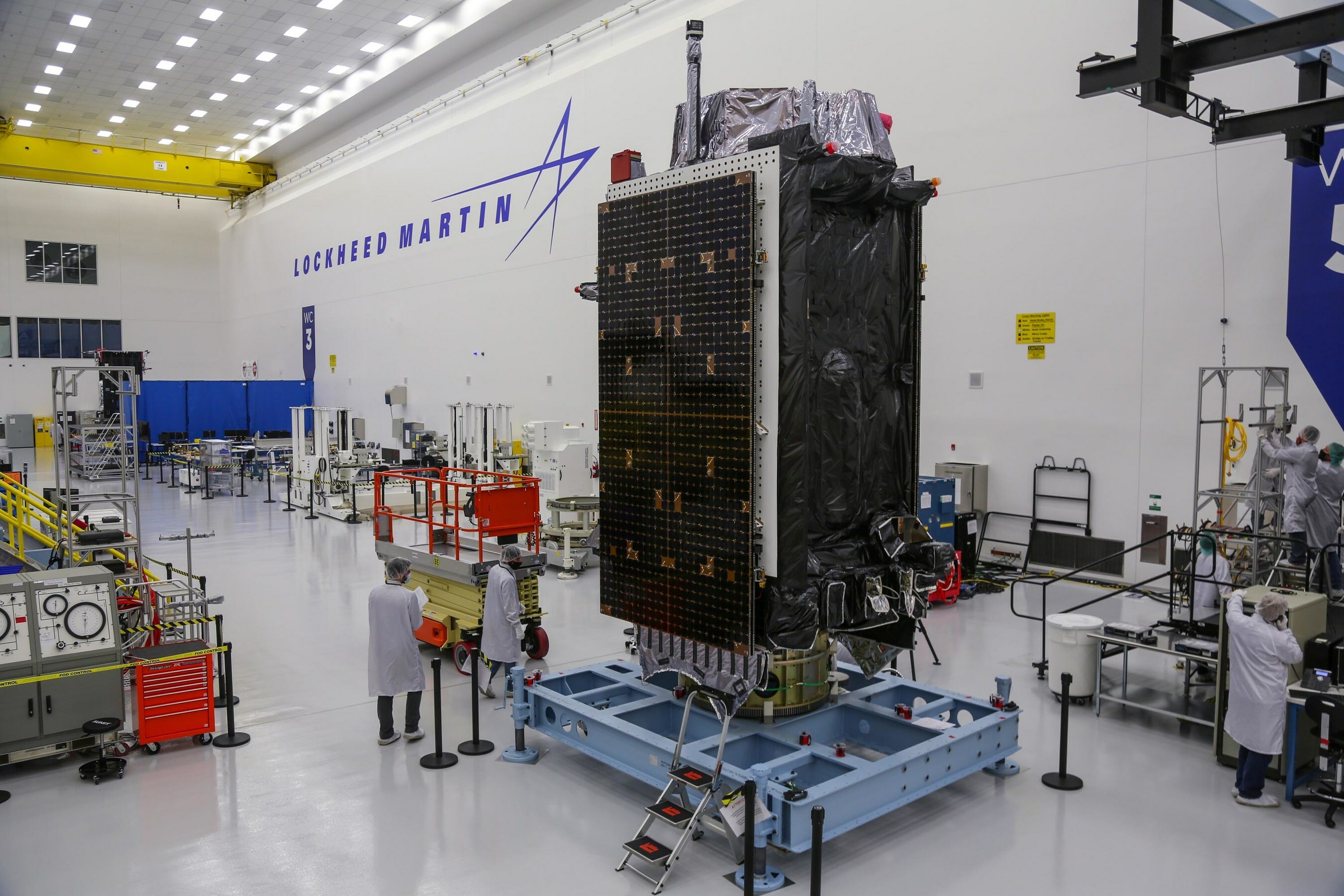
On April 21, 2026, the tenth and final GPS Block III satellite reached medium Earth orbit aboard a SpaceX Falcon 9. Named for Hedy Lamarr, the actress whose 1942 frequency-hopping patent underpins modern GPS, SV10 closes a procurement that took eight years to deliver hardware and opens the optical-crosslink era that will define the constellation's next decade.

SpaceX set to launch 11,000th Starlink satellite on Starlink 17-19 from Vandenberg. NASA moves Crew-12 launch to Feb 11 after ISS medical evacuation. Starship V3 targets mid-March first flight.
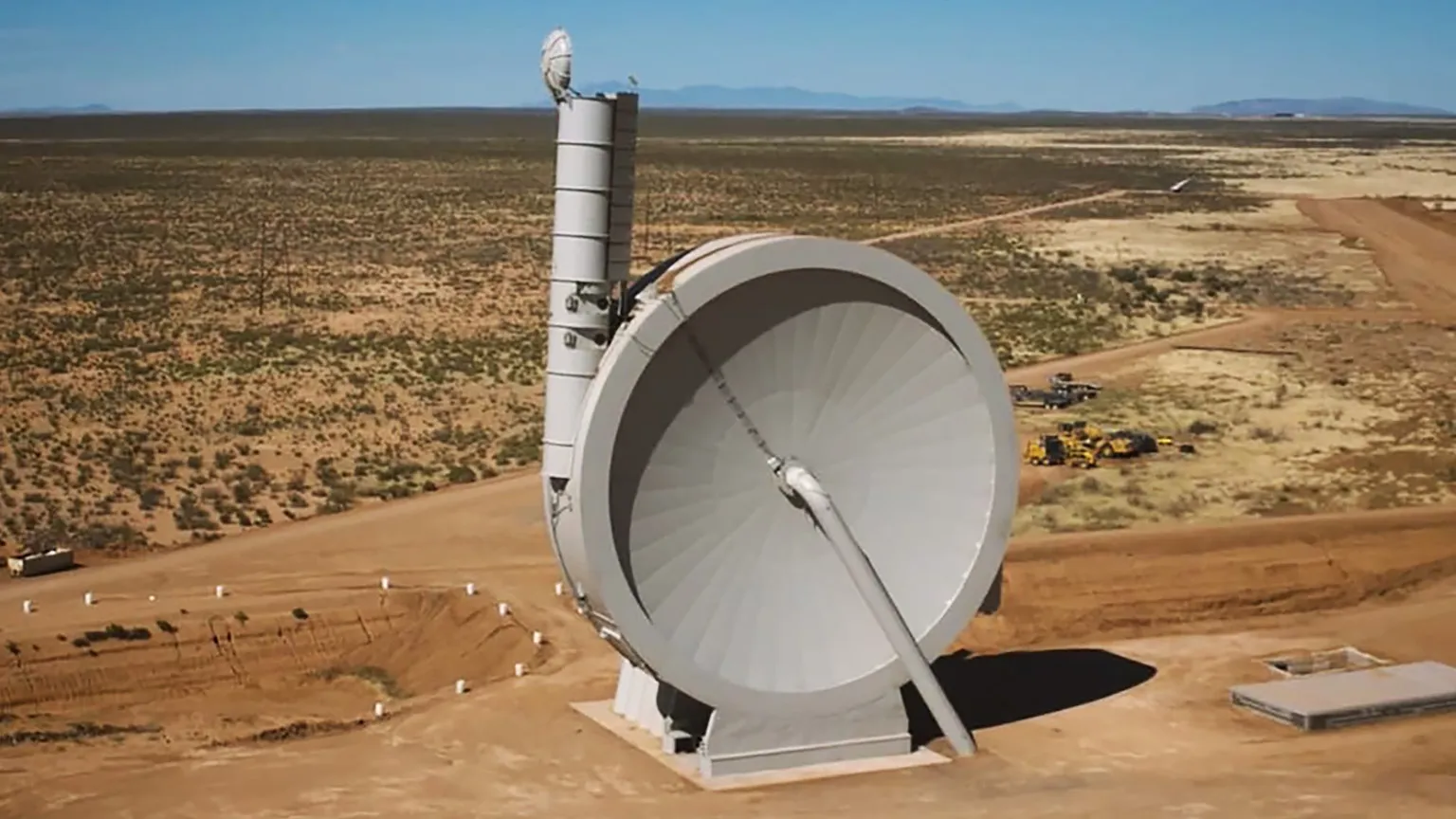
How a California startup's massive centrifuge could transform space access by eliminating rocket fuel, reducing costs by 70%, and enabling daily satellite launches - if it can overcome the physics of scaling from suborbital tests to orbital reality