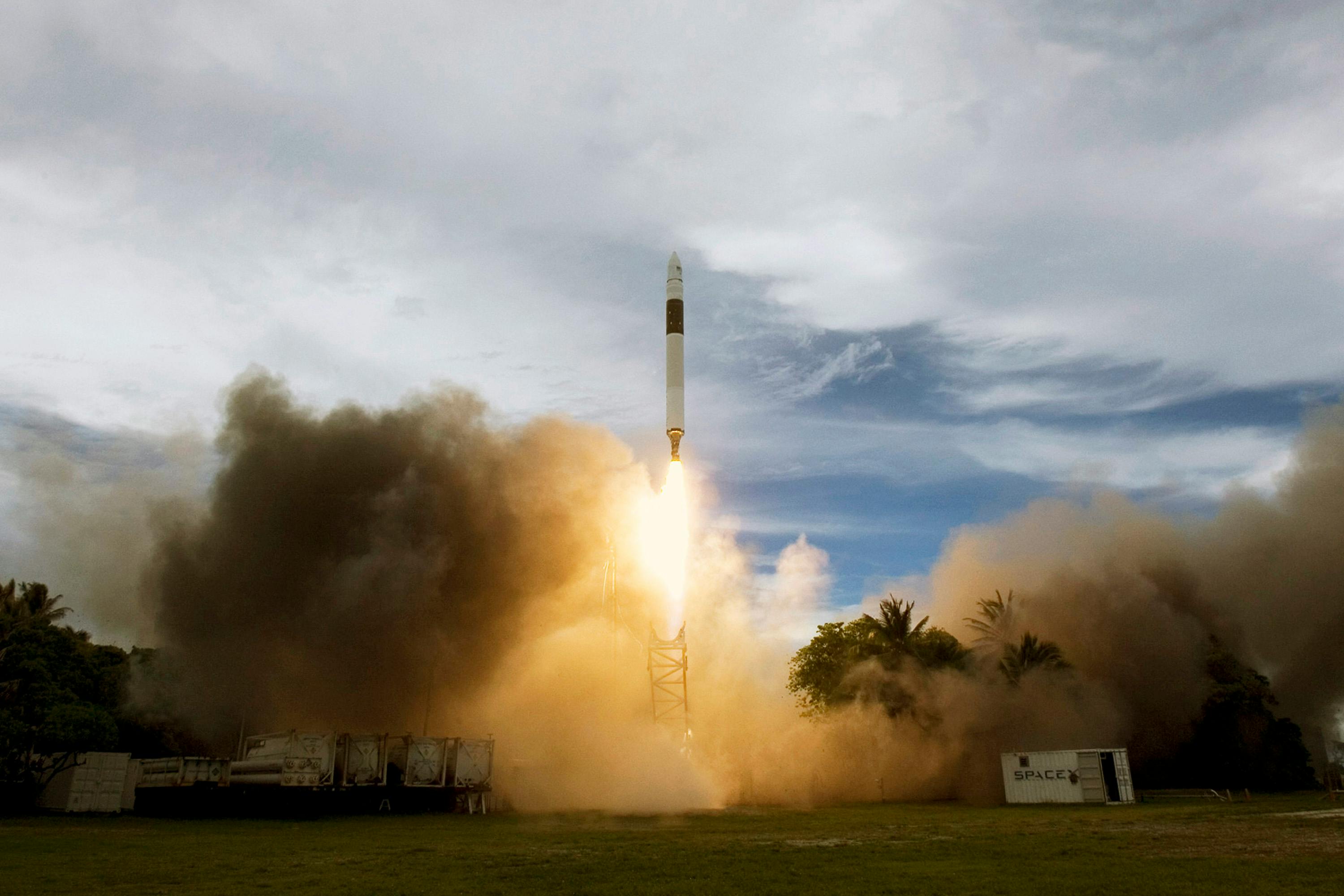
THOR ABLE R/B (00028)

COSPAR: 1960-002A | Alt Name: Thor Able II Stage 3
DECAYED

Image
THOR ABLE R/B Satellite Image
Additional Sources
Launch Details

Launch Date

April 1, 1960

Launch Pad

LC17A

Launch Vehicle

Thor Able II

Orbital Elements

NORAD ID

00028

International Designator

1960-002A

Decay Date

7/3/1991

Basic Satellite Info

Name

THOR ABLE R/B

Alternative Name

Thor Able II Stage 3

Type

Rocket Body

Status

Space Junk

Owner

AFBMD

Country

United States

Constellation

N/A

Related Satellites

Major Events

N/A

Summary
A rocket body, also commonly referred to as an upper stage or spent rocket stage, is the structural shell left behind after a rocket has delivered its payload to orbit. These large and often heavy pieces of space hardware can remain in orbit for years, posing significant collision hazards as part of the growing space debris problem. If left uncontrolled, rocket bodies have the potential to reenter Earth's atmosphere unpredictably, which can lead to falling debris in populated areas. Additionally, they risk colliding with operational satellites or the International Space Station, creating more debris and putting human life at risk.
Physical Characteristics

Length

1.5

Diameter

0.5

Span

1.5

Dry Mass

24

Launch Mass

24

Shape

Cyl

Radar Cross Section

1.6017

Visual Magnitude

Unknown

Color

Unknown

Material Composition

Unknown

Technical Details

Payload

Altair X-248

Purpose

Unknown

Mission

Unknown

Manufacturer

ABL

Life Expectancy

Unknown

Bus

Altair

Configuration

Unknown

Motor

Unknown

Equipment

Unknown

Power System

Unknown

ADCS

Unknown

Transmitter Frequency

Unknown

Satellite Articles

View All Posts »

Learn more about satellites and other related topics.

SpaceX Eyes Confidential IPO at $1.75T Valuation, Launches 54 Starlinks in One Day | KeepTrack X Report

SpaceX Eyes Confidential IPO at $1.75T Valuation, Launches 54 Starlinks in One Day | KeepTrack X Report

SpaceX reportedly eyes a confidential March IPO filing that could value the company at $1.75 trillion. Dual Falcon 9 launches deploy 54 Starlink satellites, pushing total on-orbit past 9,900.

Starlink Powers Air Force One; Pentagon Orders 10,000 Cruise Missiles | KeepTrack Space Brief

Starlink Powers Air Force One; Pentagon Orders 10,000 Cruise Missiles | KeepTrack Space Brief

Starlink confirmed operational aboard Air Force One over Pacific. Pentagon awards 10,000 low-cost cruise missiles to 4 contractors under new LCCMP program.

SpaceX Lands $2.29B Space Force Contract, X Report 27 May 2026

SpaceX Lands $2.29B Space Force Contract, X Report 27 May 2026

SpaceX wins a $2.29 billion US Space Force contract for a military space data network, NASA adds 6 crew missions, and Starship V3 makes its first flight.

Space Brief 21 Nov 2024

Space Brief 21 Nov 2024

Today's brief covers influential space events including Space Force's interest in Starship, U.S. military constellation advancements, and technological developments in counter-drone capabilities.

Space Brief 20 Aug 2025

Space Brief 20 Aug 2025

Today's Space Brief highlights Globalstar's new military focus, technological innovations in the Army's tactical systems, and a deeper look at key military satellite communications developments.

Starlink V2 Flies on Starship in 2027, X Report 4 Mar 2026

Starlink V2 Flies on Starship in 2027, X Report 4 Mar 2026

Gwynne Shotwell confirms Starlink V2 launches on Starship in 2027. Ship 39 preps Starship Flight 12; Falcon 9 lofts its 600th Starlink of 2026.

Space Force Awards $54.5M to Starfish Space for GEO Servicing | KeepTrack Space Brief

Space Force Awards $54.5M to Starfish Space for GEO Servicing | KeepTrack Space Brief

Space Force awards $54.5M to Starfish Space for GEO satellite servicing vehicle. Artemis II heads to launch pad for first crewed Moon flyby in 54 years. Crew-12 confirmed.

Today in Space History 2025

Today in Space History 2025

From Apollo's darkest days to humanity's first transmission from Venus, we spent 2025 remembering the missions that made modern spaceflight possible. Here's what we covered - and why we're committed to keeping this series going.