


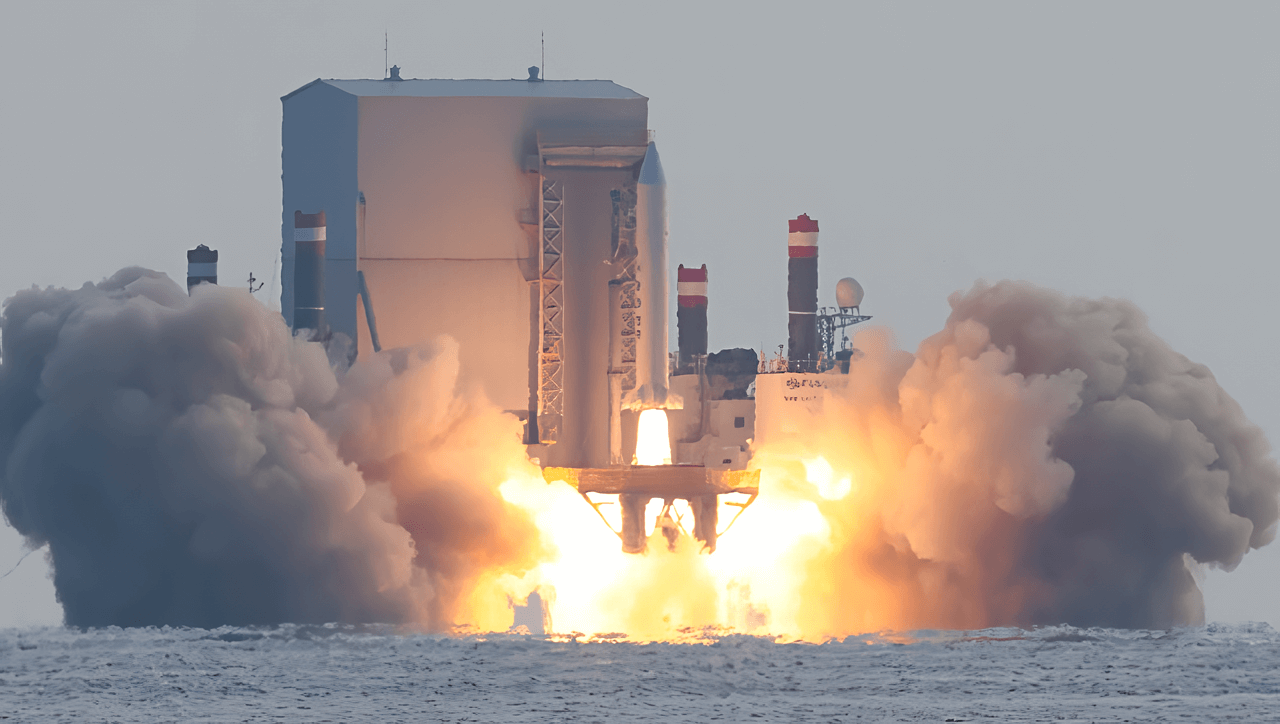
China Launches VLEO Alliance With Sats Below 300km | KeepTrack Space Brief
China formalized a national VLEO industry alliance with multiple satellites sustaining operations below 300 kilometers altitude. Propulsion startups attracting investment.



Launch Date
October 15, 1965
Launch Site
Launch Pad
LC40
Launch Vehicle
Titan IIIC
NORAD ID
02799
International Designator
1965-082KX
Epoch
Sat, 04 Jul 2026 06:00:19 GMT
Apogee
Calculating...
Perigee
Calculating...
Inclination
32.05°
Right Ascension
240.82°
Eccentricity
Calculating...
Argument of Perigee
75.85°
Period
97.68 min
Mean Motion
14.74 rev/day
Latitude
Calculating...
Longitude
Calculating...
Altitude
Calculating...
Velocity
Calculating...
Name
TITAN 3C TRANSTAGE DEB
Alternative Name
deb Transtage 4
Type
Status
Owner
AFSSD
Country
United States
Constellation
N/A
Related Satellites
Major Events
N/A
1 02799U 65082KX 26185.25022075 .00001144 00000-0 16231-3 0 9999
2 02799 32.0548 240.8166 0032999 75.8516 336.8874 14.74201139158670
Source: Celestrak
Length
0
Diameter
0
Span
0
Dry Mass
0
Launch Mass
0
Shape
N/A
Radar Cross Section
0.0558
Visual Magnitude
Unknown
Color
Unknown
Material Composition
Unknown
Payload
Unknown
Purpose
Unknown
Mission
Unknown
Manufacturer
Unknown
Life Expectancy
Unknown
Bus
Unknown
Configuration
Unknown
Motor
Unknown
Equipment
Unknown
Power System
Unknown
ADCS
Unknown
Transmitter Frequency
Unknown
Learn more about satellites and other related topics.
China formalized a national VLEO industry alliance with multiple satellites sustaining operations below 300 kilometers altitude. Propulsion startups attracting investment.
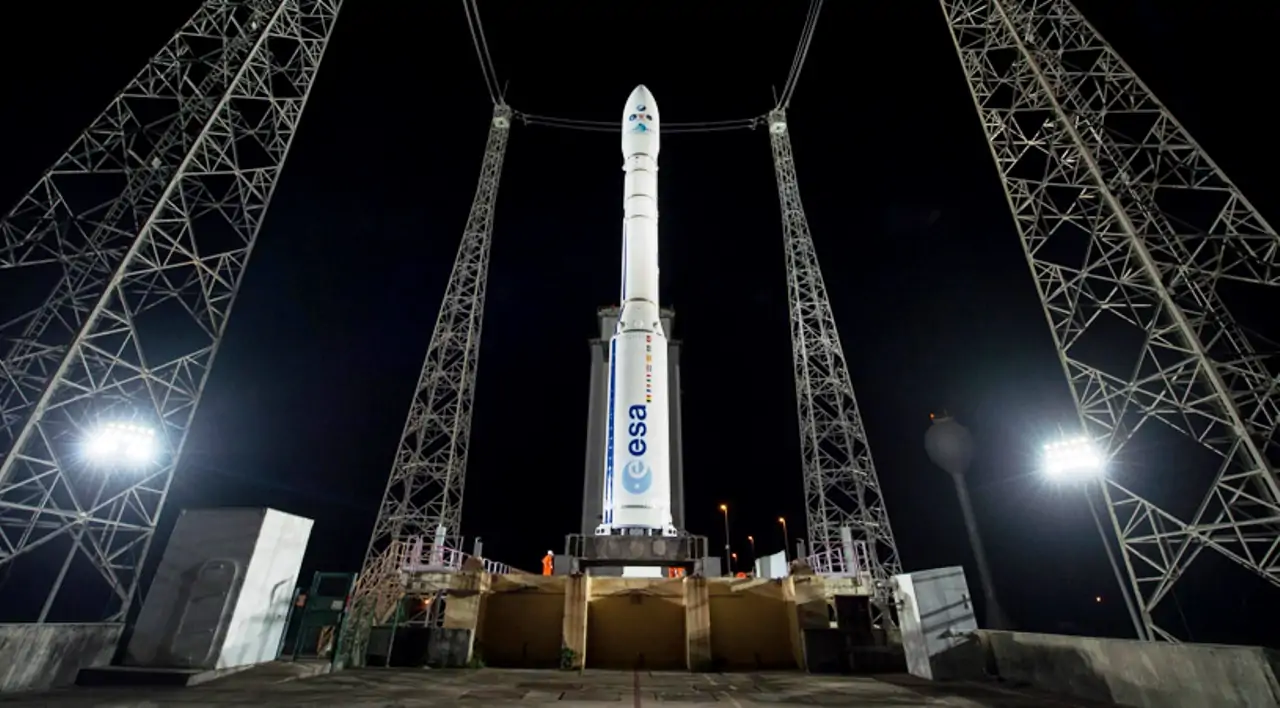
Thirteen years ago, a new rocket lifted off from the edge of the Amazon rainforest, marking Europe's entry into the small satellite launch market and carrying the dreams of university students across a continent
Starship transport barge identified for shipping components from Starbase to Kennedy Space Center. Starlink's 2025 report shows 4.6M new customers and expansion to 35 new regions.

In 2024, China launched 68 orbital missions. In 2025, the number jumped to 97. In 2026, state media and Western analysts agree the target is 140 or more. Most of that growth is being driven by two state-backed mega-constellations, a half-dozen private launch companies hitting stride, and a deliberate national pivot toward commercial space. Beijing is no longer trying to catch SpaceX. It is trying to build an industrial base that outlasts one.

Army launches space career field seeking 1,000 new specialists. HASC chair Rogers eyes $1.5T defense budget. Army and Marines share fire mission data via JADC2.

SpaceX concludes a wet dress rehearsal for Starship Flight 7, aiming for the largest rocket launch on January 15 after weather delays.
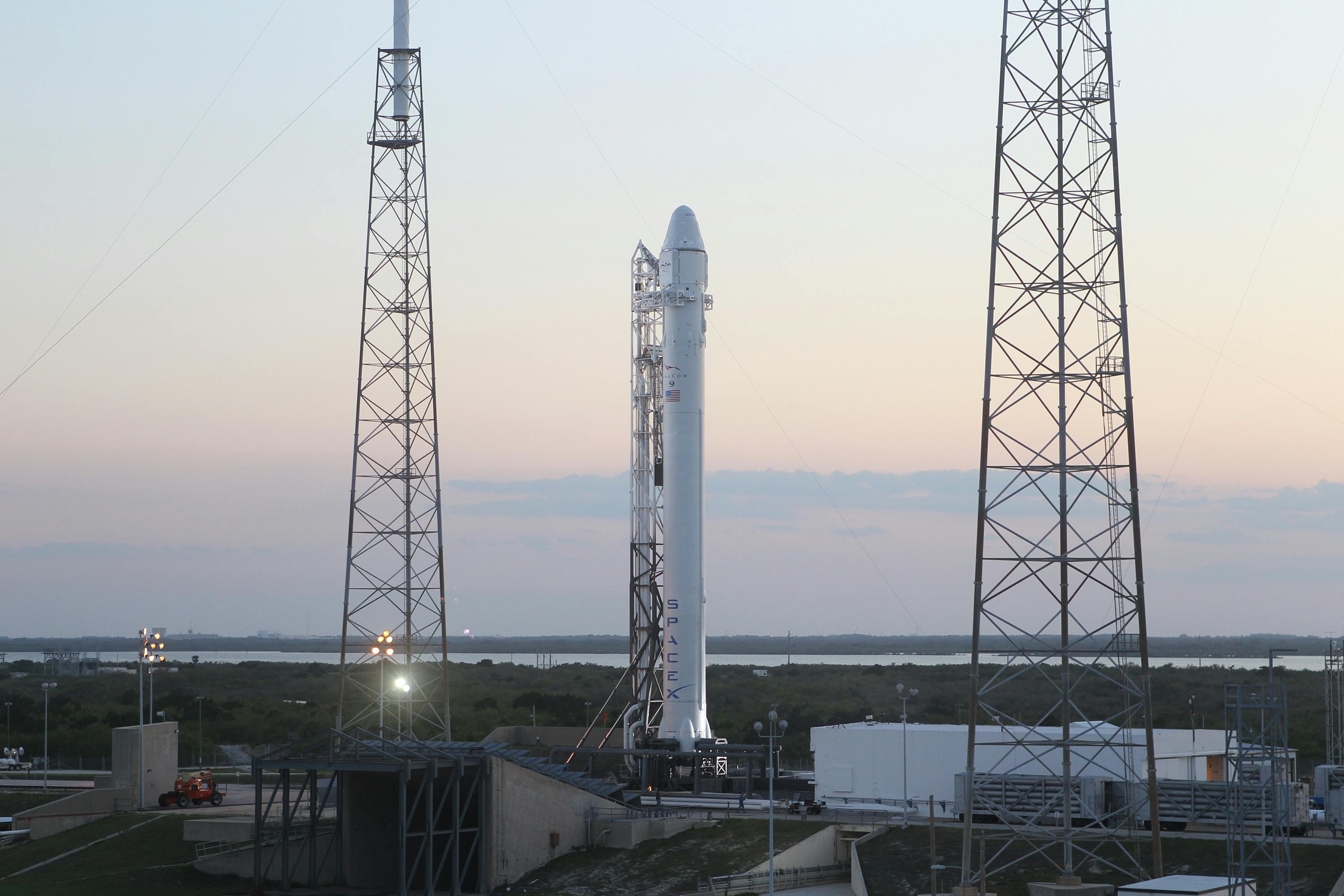
SpaceX prepares for Starship Flight 6 as it readies another doubleheader Starlink launch day, while NASA navigates a complex presidential transition.

Space Force scraps SDA transport layer, requests $1.6 billion for proliferated LEO SATCOM constellation. Roger Mason nominated to lead NRO.