SL-12 DEB (27982)

COSPAR: 1988-085AC | Alt Name: deb DM2-43L SOZ-1
DECAYED

Image
SL-12 DEB Satellite Image
Additional Sources
Launch Details

Launch Date

September 16, 1988

Launch Pad

LC200/39

Launch Vehicle

Proton-K/DM-2

Orbital Elements

NORAD ID

27982

International Designator

1988-085AC

Decay Date

10/24/2003

Basic Satellite Info

Name

SL-12 DEB

Alternative Name

deb DM2-43L SOZ-1

Type

Debris

Status

Space Junk

Owner

RVSNR

Country

Russia

Constellation

N/A

Related Satellites

Major Events

N/A

Summary
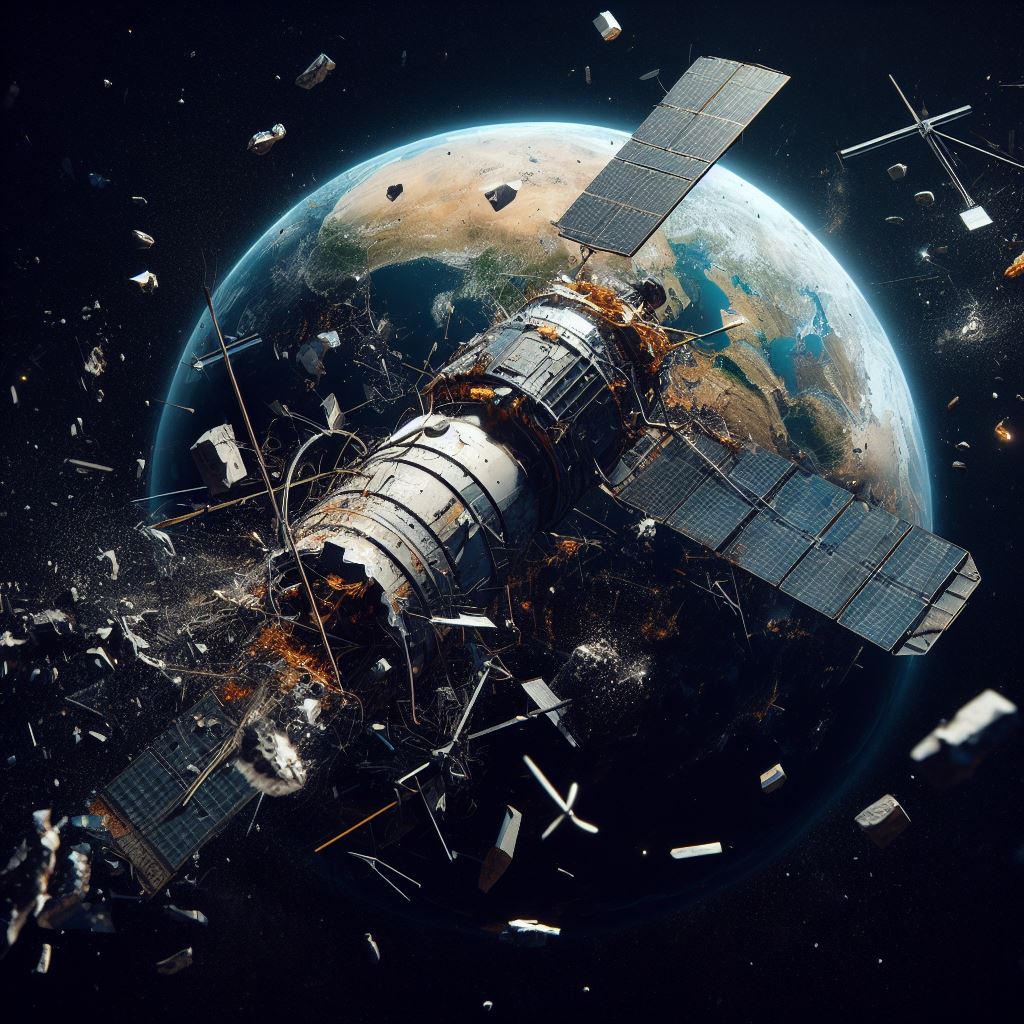
Space debris, also known as space junk, encompasses all non-functional objects orbiting Earth such as defunct satellites, spent rocket stages, and fragments from collisions or disintegrations. Over time, this debris can accumulate and create an increasingly hazardous environment in orbit. Even tiny fragments, traveling at extremely high velocities, can inflict significant damage on operational satellites and spacecraft. If left unmanaged, the density of debris raises the risk of catastrophic collisions and further fragmentation, compounding the problem and threatening the safety and sustainability of space activities.
Physical Characteristics

Length

0

Diameter

0

Span

0

Dry Mass

0

Launch Mass

0

Shape

N/A

Radar Cross Section

0.0482

Visual Magnitude

Unknown

Color

Unknown

Material Composition

Unknown

Technical Details

Payload

Unknown

Purpose

Unknown

Mission

Unknown

Manufacturer

Unknown

Life Expectancy

Unknown

Bus

Unknown

Configuration

Unknown

Motor

Unknown

Equipment

Unknown

Power System

Unknown

ADCS

Unknown

Transmitter Frequency

Unknown

Satellite Articles

View All Posts »

Learn more about satellites and other related topics.

The Day Humanity First Used a Planet to Navigate the Solar System

The Day Humanity First Used a Planet to Navigate the Solar System

Fifty-one years ago, Mariner 10 revolutionized space exploration by executing the first-ever planetary gravity assist at Venus, pioneering a technique that would transform how we explore the solar system

Space Force Completes First Tactical Orbital Intercept | KeepTrack Space Brief

Space Force Completes First Tactical Orbital Intercept | KeepTrack Space Brief

U.S. Space Force executes first tactical orbital intercept under Victus Haze mission using commercial spacecraft. Rendezvous and proximity operations now operationally demonstrated.

Astroscale Taps Isar for ELSA-M Debris Mission | KeepTrack Space Brief

Astroscale Taps Isar for ELSA-M Debris Mission | KeepTrack Space Brief

Astroscale selects Isar Aerospace to launch ELSA-M, a commercial deorbit mission targeting defunct satellites in LEO. Over 20,000 trackable debris objects now in orbit.

STS-30 | When Atlantis Sent a Radar to Venus

STS-30 | When Atlantis Sent a Radar to Venus

On May 4, 1989, Space Shuttle Atlantis lifted off from LC-39B carrying Magellan, NASA's first interplanetary mission since 1978. The eleven-year drought ended in a payload bay, and the radar that emerged would map ninety-eight percent of Venus through clouds that no camera could ever see through.

Space Brief 8 Mar 2025

Space Brief 8 Mar 2025

Today's Space Brief covers the landing of the X-37B spaceplane after a 434-day mission, the postponement of SDA's satellite launch, and the fiery debris from SpaceX's Starship over The Bahamas.

Space Brief 18 Mar 2025

Space Brief 18 Mar 2025

Today's Space Brief covers the reentry of Firefly's Blue Ghost moon lander, a compelling study on space debris exacerbated by climate change, and new advancements from the Vera Rubin Observatory.

SpaceX Hits 600th Falcon 9 Launch, NASA SLS Leak Tests Struggle | KeepTrack Space Brief

SpaceX Hits 600th Falcon 9 Launch, NASA SLS Leak Tests Struggle | KeepTrack Space Brief

SpaceX reaches 600th Falcon 9 launch with Starlink 17-13 from Vandenberg. NASA SLS hydrogen leak repairs only partially successful. New book explores forces shaping space.

The Evolution of Space Stations

The Evolution of Space Stations

A brief journey through the evolution of space stations, delving into Russia's Mir, the International Space Station, China's Tiangong, and envisioning the future of orbital habitats.