


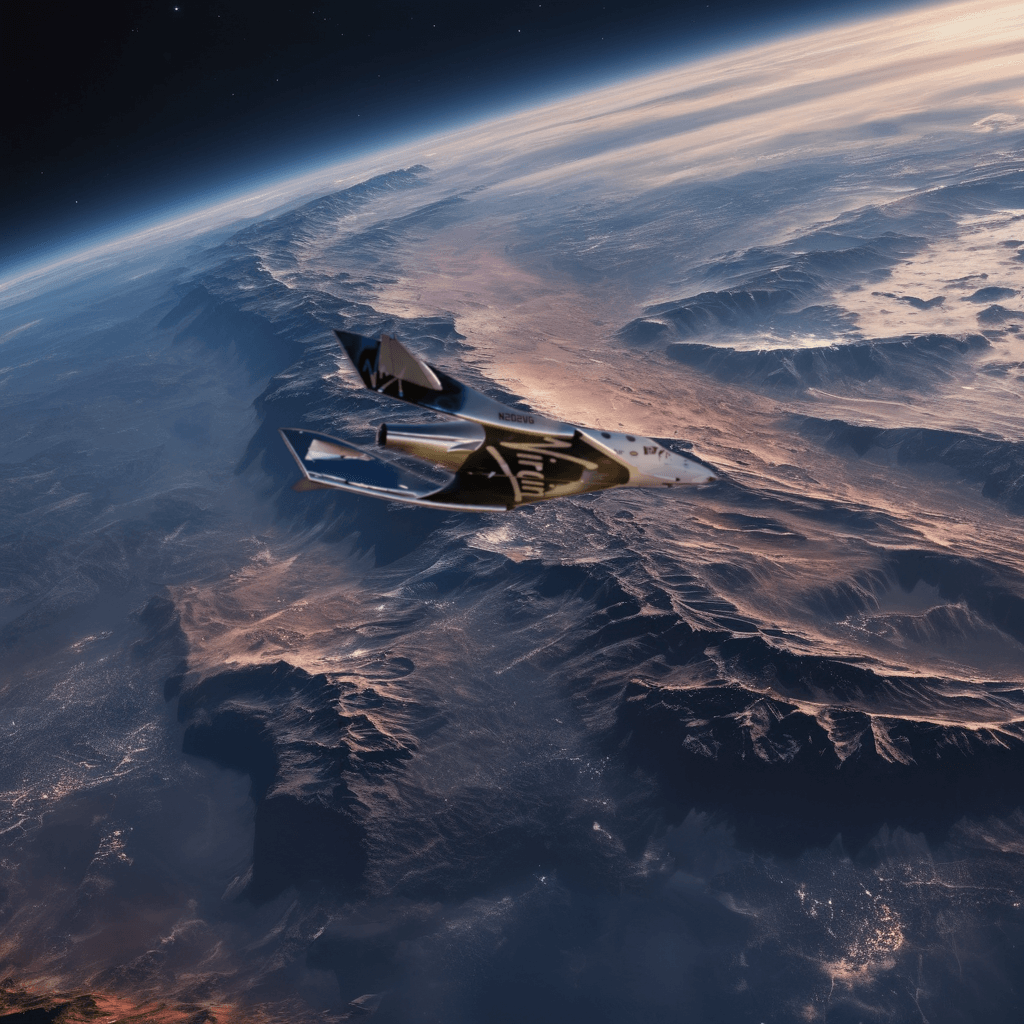
Virgin Galactic's Upcoming "Galactic 06" Spaceflight
On January 26, 2024, Virgin Galactic's "Galactic 06" mission will launch, marking its 11th spaceflight.


Launch Date
September 27, 2003
Launch Site
PLMSC
Launch Pad
LC132/1
Launch Vehicle
Kosmos 11K65M
NORAD ID
27943
International Designator
2003-042E
Epoch
Sat, 04 Jul 2026 04:22:56 GMT
Apogee
Calculating...
Perigee
Calculating...
Inclination
98.40°
Right Ascension
355.81°
Eccentricity
Calculating...
Argument of Perigee
301.12°
Period
98.15 min
Mean Motion
14.67 rev/day
Latitude
Calculating...
Longitude
Calculating...
Altitude
Calculating...
Velocity
Calculating...
Name
BILSAT 1
Alternative Name
BILSAT-1
Type
Status
Owner
TUBTK
Country
Turkey
Constellation
N/A
Related Satellites
Major Events
N/A
1 27943U 03042E 26185.18259554 .00000342 00000-0 70106-4 0 9992
2 27943 98.3988 355.8091 0009722 301.1157 58.9092 14.67072082216617
Source: Celestrak
Length
0.6
Diameter
0.6
Span
6.6
Dry Mass
100
Launch Mass
100
Shape
Box + Ant
Radar Cross Section
0.617
Visual Magnitude
Unknown
Color
Unknown
Material Composition
Unknown
Payload
DMC BILSAT-1
Purpose
Earth Observation
Mission
Earth Observation
Manufacturer
SSTL
Life Expectancy
Unknown
Bus
SSTL-100
Configuration
Microsat-100 (modified)
Motor
Unknown
Equipment
32-meter resolution imager in 3 spectral bands, COBAN, GEZIN
Power System
Solar cells, batteries
ADCS
Unknown
Transmitter Frequency
Unknown
Learn more about satellites and other related topics.
On January 26, 2024, Virgin Galactic's "Galactic 06" mission will launch, marking its 11th spaceflight.
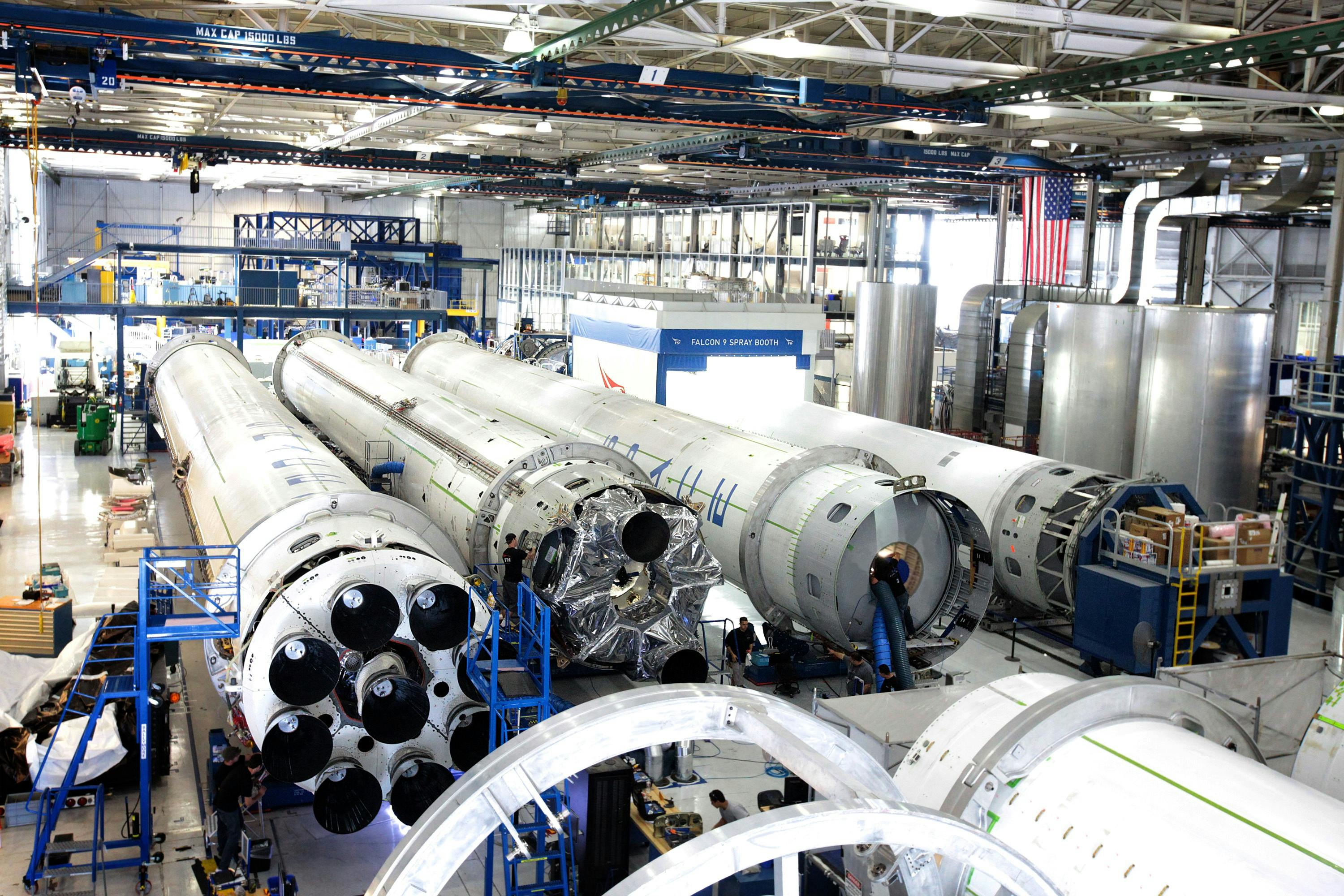
SpaceX successfully launched its CRS-33 Dragon cargo mission to the ISS, while preparations for the upcoming Starship Flight 10 continue, highlighting significant advancements in both cargo operations and test flight reliability.
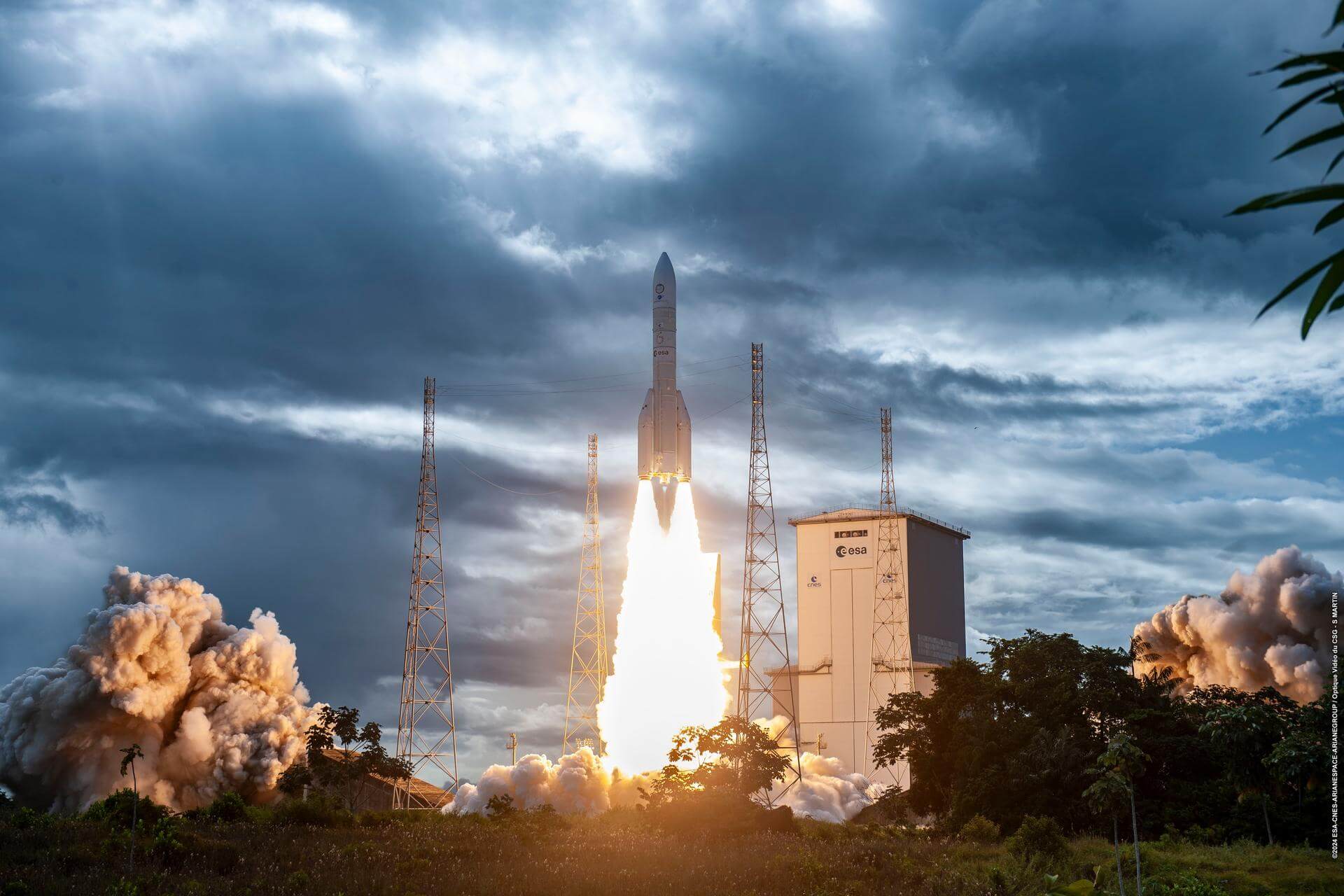
Spacewalks have resumed on the ISS, while Blue Origin prepares for a unique New Shepard mission. In other news, astronomers push for a ban on space ads and potential budget cuts threaten the JWST.

NASA's Van Allen Probe A (1,300 lbs) reenters today after 14 years studying Earth's radiation belts. Most debris will burn up; ocean impact statistically likely.
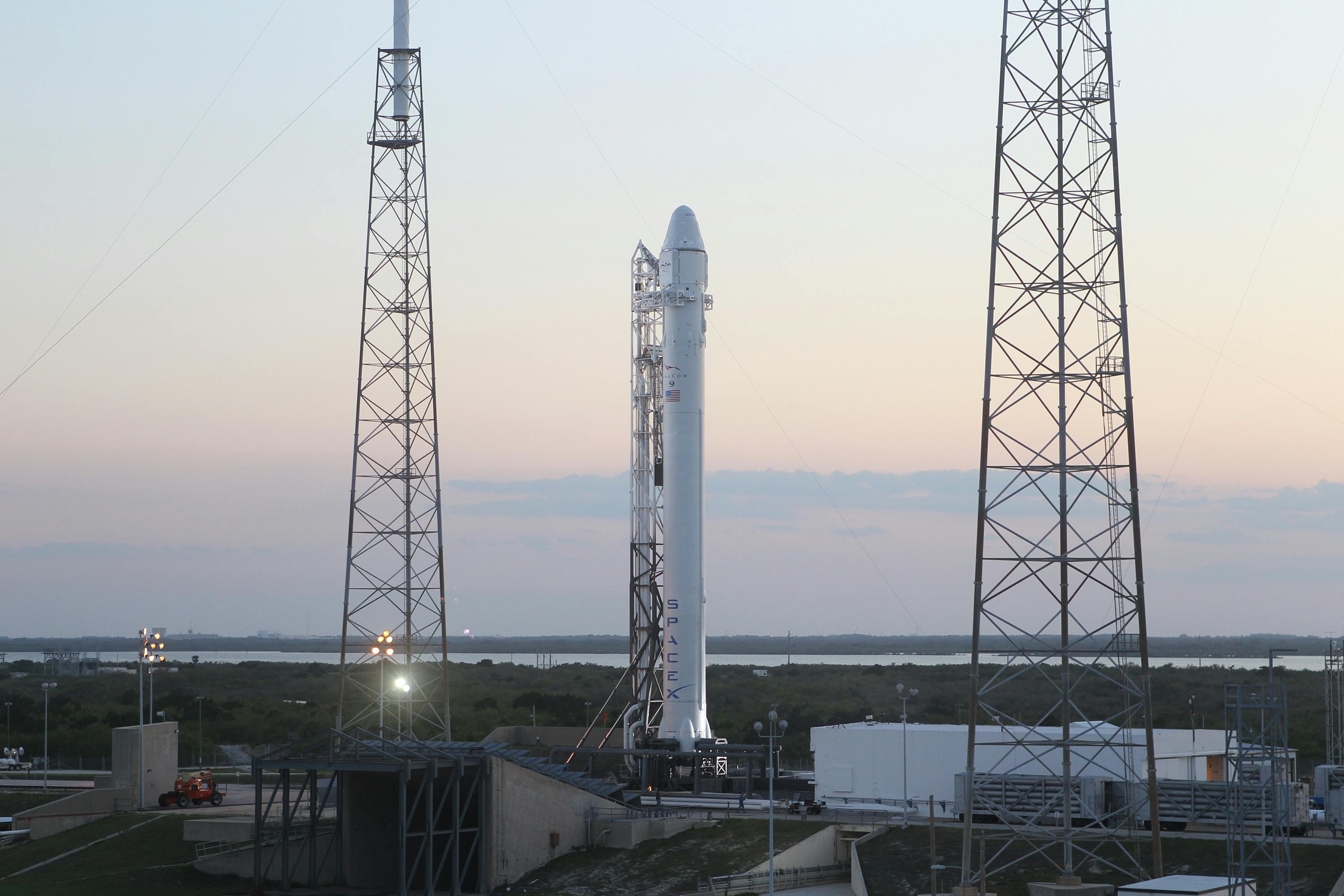
SpaceX continues to expand its Starlink network with multiple launches and gains momentum in international markets, while revisiting launch tariffs and new regulations.
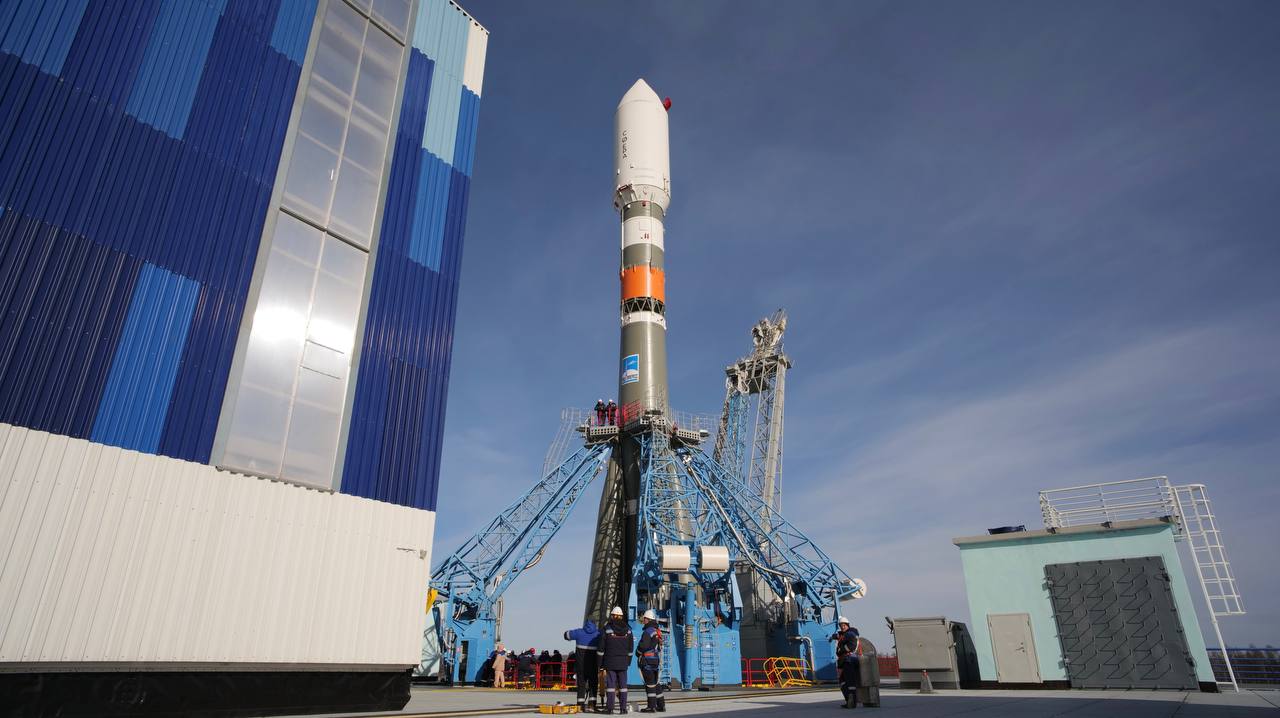
Today's Space Brief focuses on multi-billion dollar contracts for missile-tracking satellites, developments in optical nuclear clock research, and innovative drone projects for military collaboration.
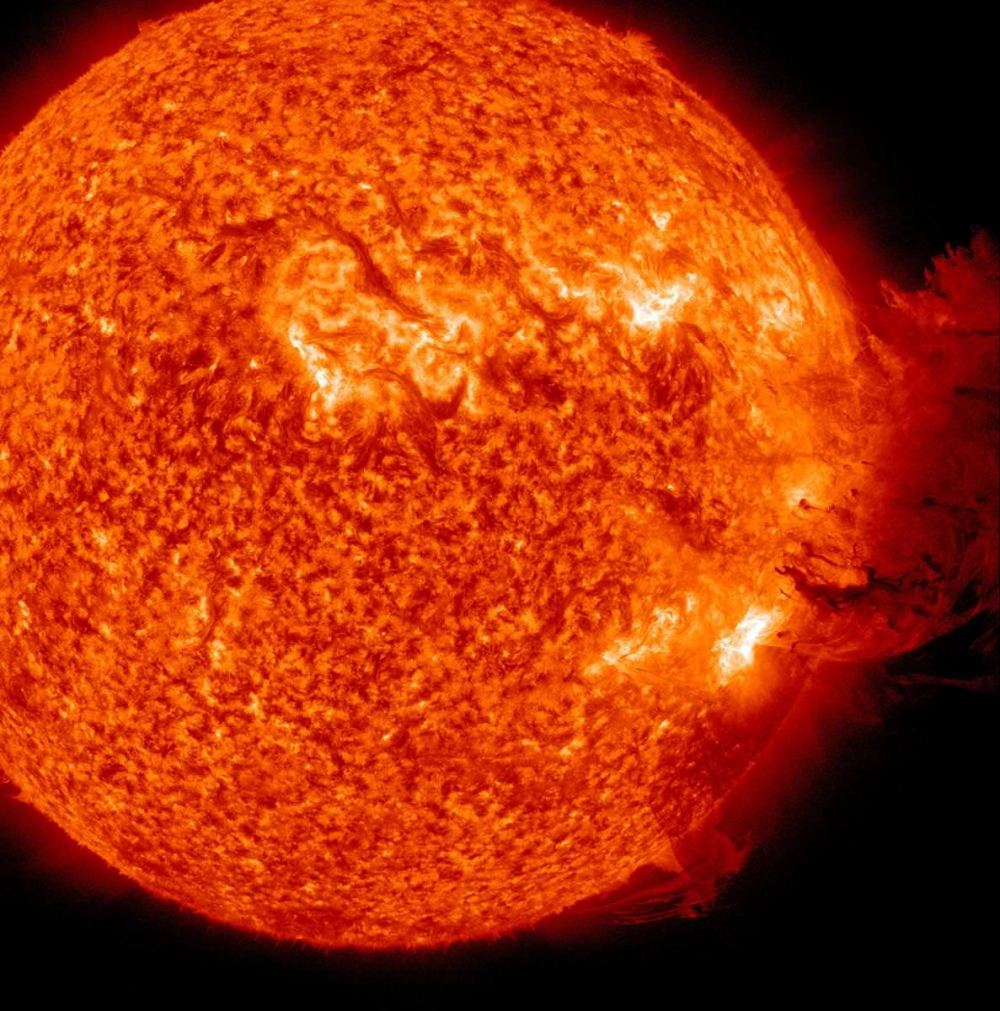
Fifteen years ago, NASA launched its most advanced solar observatory, revolutionizing our understanding of our star and transforming space weather prediction
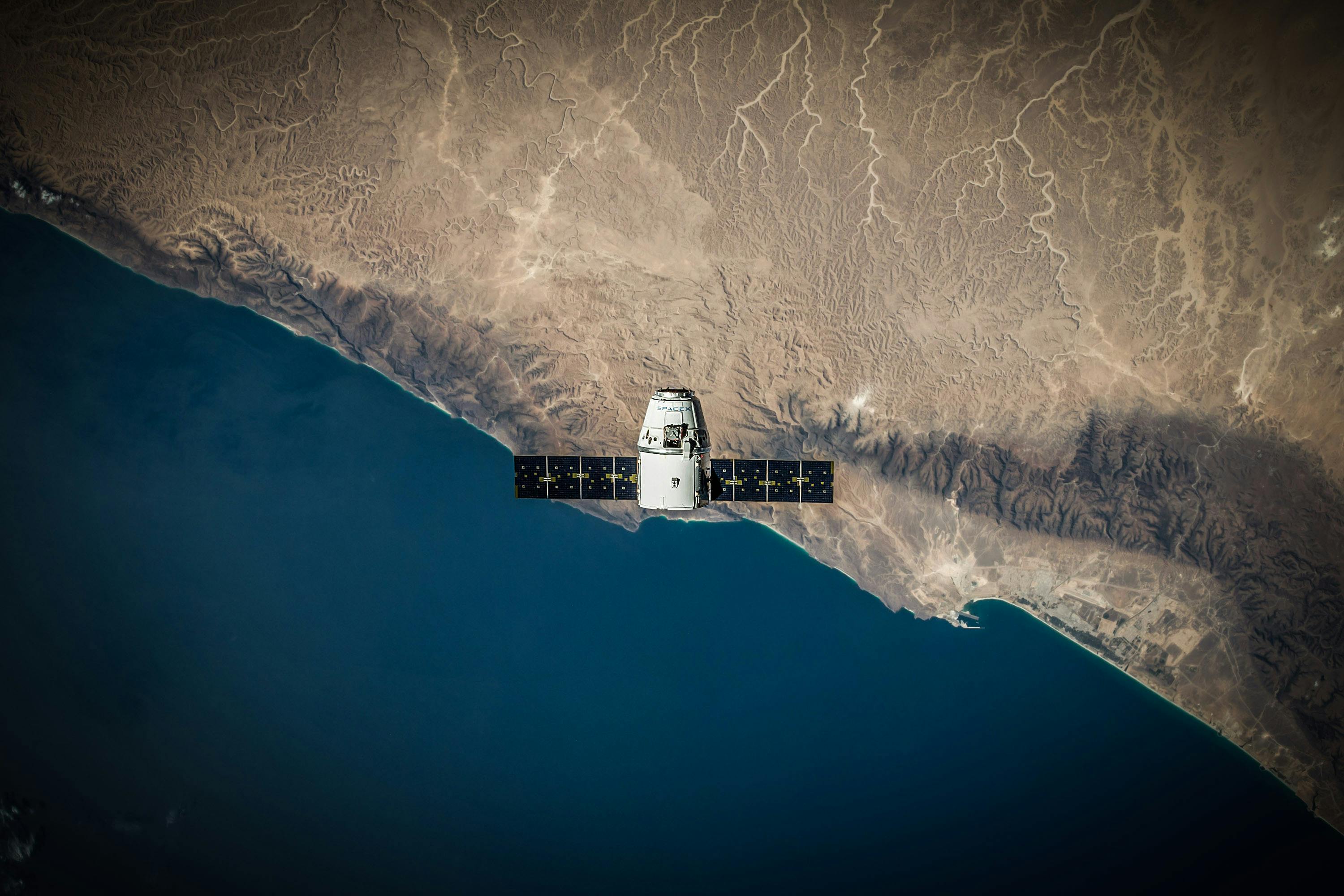
On December 14, 2025, SpaceX achieved a significant milestone with its 550th booster landing following the launch of 27 new Starlink satellites, while exploring potential IPO strategies to fund future projects.