


Space Brief 19 Mar 2025
Today's brief explores a simulated 'dogfight' in space by Chinese satellites, insights into a cloud platform by Oracle and Singapore's defense agency, and more space-related developments.



Launch Date
September 16, 1987
Launch Site
Launch Pad
LC200/40
Launch Vehicle
Proton-K/DM-2
NORAD ID
27923
International Designator
1987-079AG
Decay Date
5/30/2022
Name
SL-12 DEB
Alternative Name
deb DM2-26L SOZ-2
Type
Status
Owner
KVR
Country
Russia
Constellation
N/A
Related Satellites
Major Events
N/A
Length
0
Diameter
0
Span
0
Dry Mass
0
Launch Mass
0
Shape
N/A
Radar Cross Section
0.3265
Visual Magnitude
Unknown
Color
Unknown
Material Composition
Unknown
Payload
Unknown
Purpose
Unknown
Mission
Unknown
Manufacturer
Unknown
Life Expectancy
Unknown
Bus
Unknown
Configuration
Unknown
Motor
Unknown
Equipment
Unknown
Power System
Unknown
ADCS
Unknown
Transmitter Frequency
Unknown
Learn more about satellites and other related topics.
Today's brief explores a simulated 'dogfight' in space by Chinese satellites, insights into a cloud platform by Oracle and Singapore's defense agency, and more space-related developments.
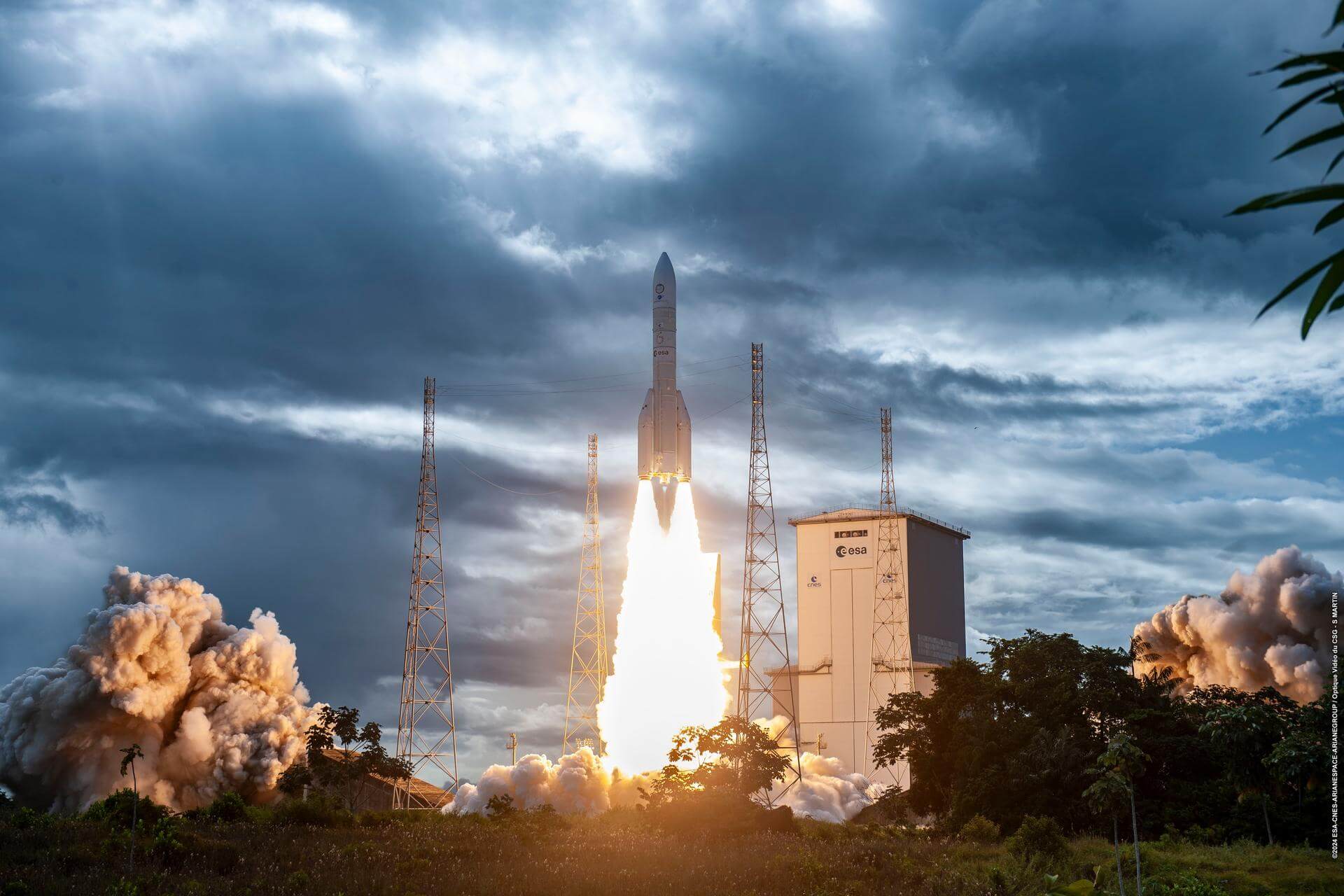
Today's highlights include new satellite launches by SpaceX, technical hiccups for an Indian navigation satellite, and insights into the future of satellite servicing.
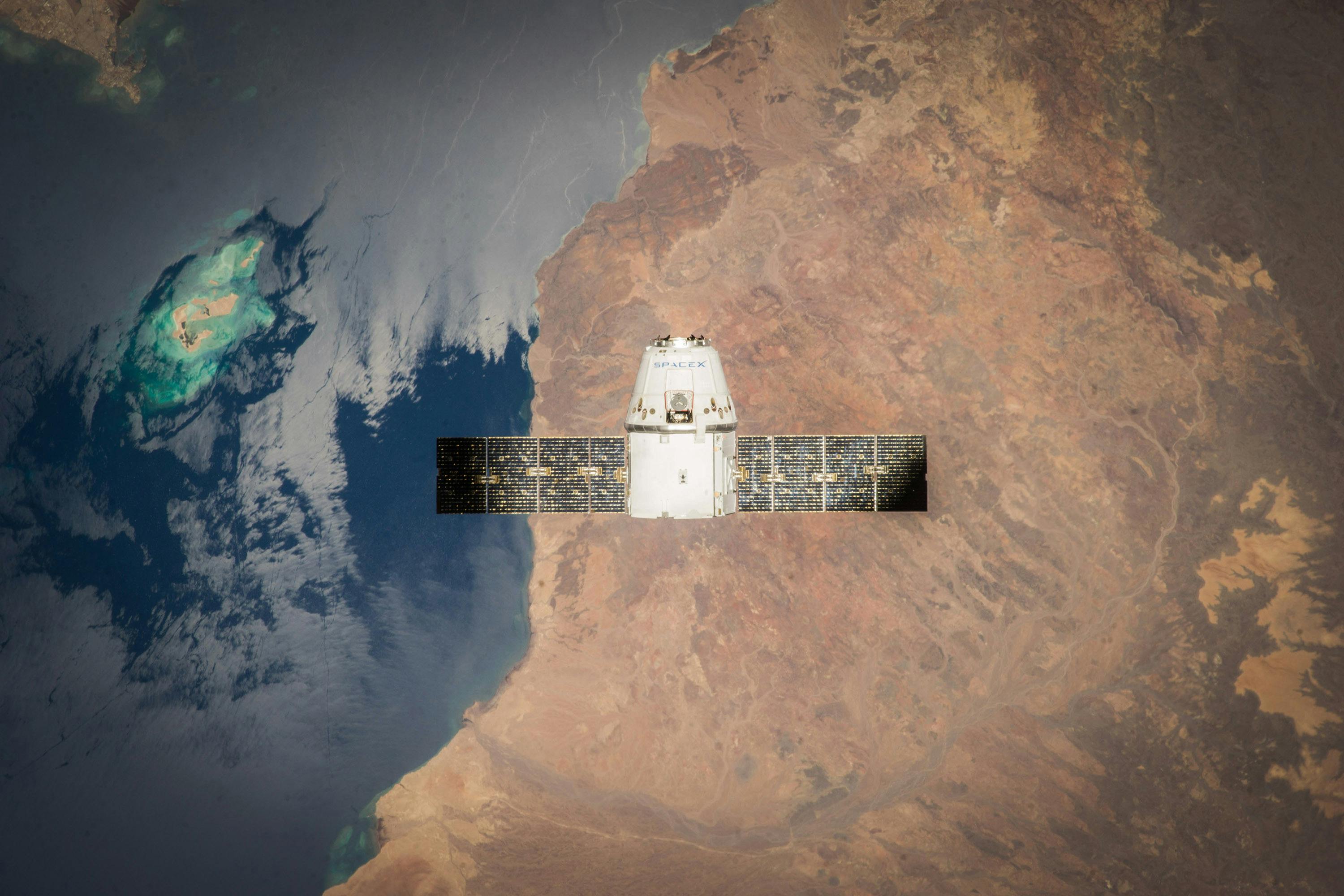
SpaceX readies Starlink 17-20 launch of 25 satellites to polar orbit from Vandenberg pad 4E — seventh Starlink mission of the year. 11,009 total Starlink satellites launched to date.
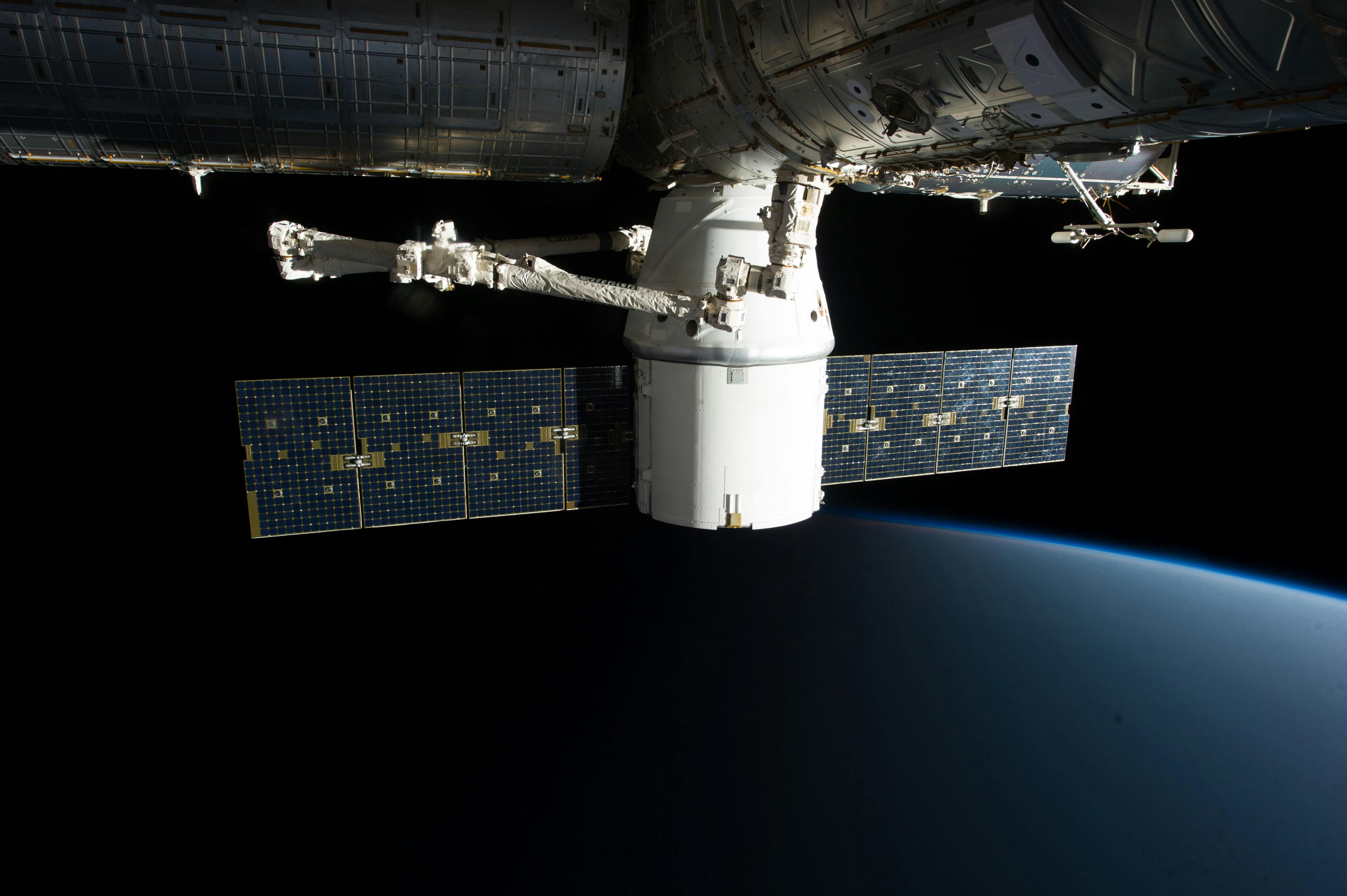
SpaceX secures FAA license for Starship Flight 7 and plans to establish Starbase as a city. Firefly and ispace are set to share a Falcon 9 launch. Plus, new Starlink services launch in New Zealand.
Artemis 2 Orion carries first humans toward the Moon in 53 years. Spacecraft in good health after trans-lunar injection; lunar flyby observation plan due April 6.
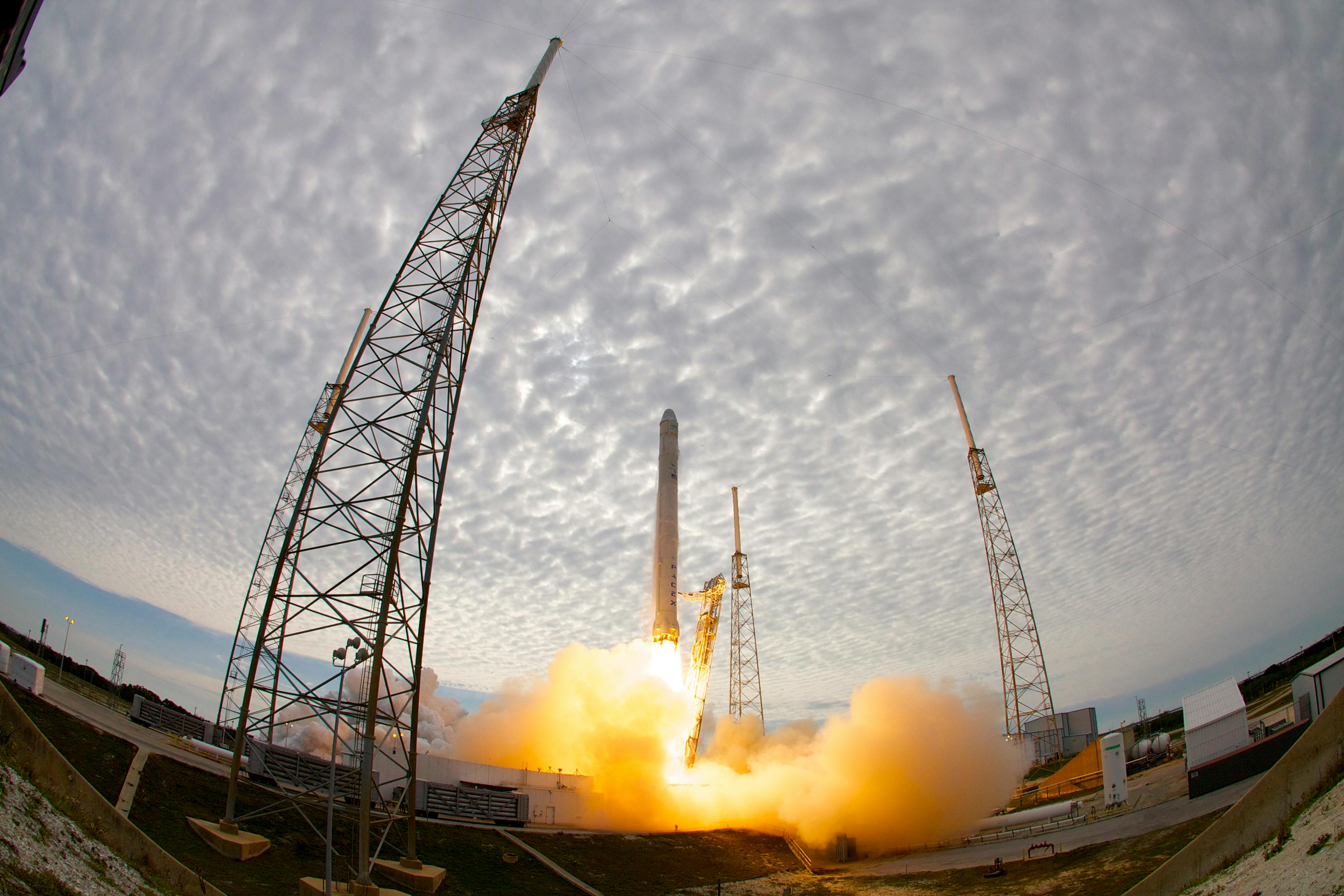
SpaceX conducts another Starship test flight, with high-profile audience; SEOPS secures Falcon 9 for rideshare mission; Ontario partners with Starlink for rural connectivity.
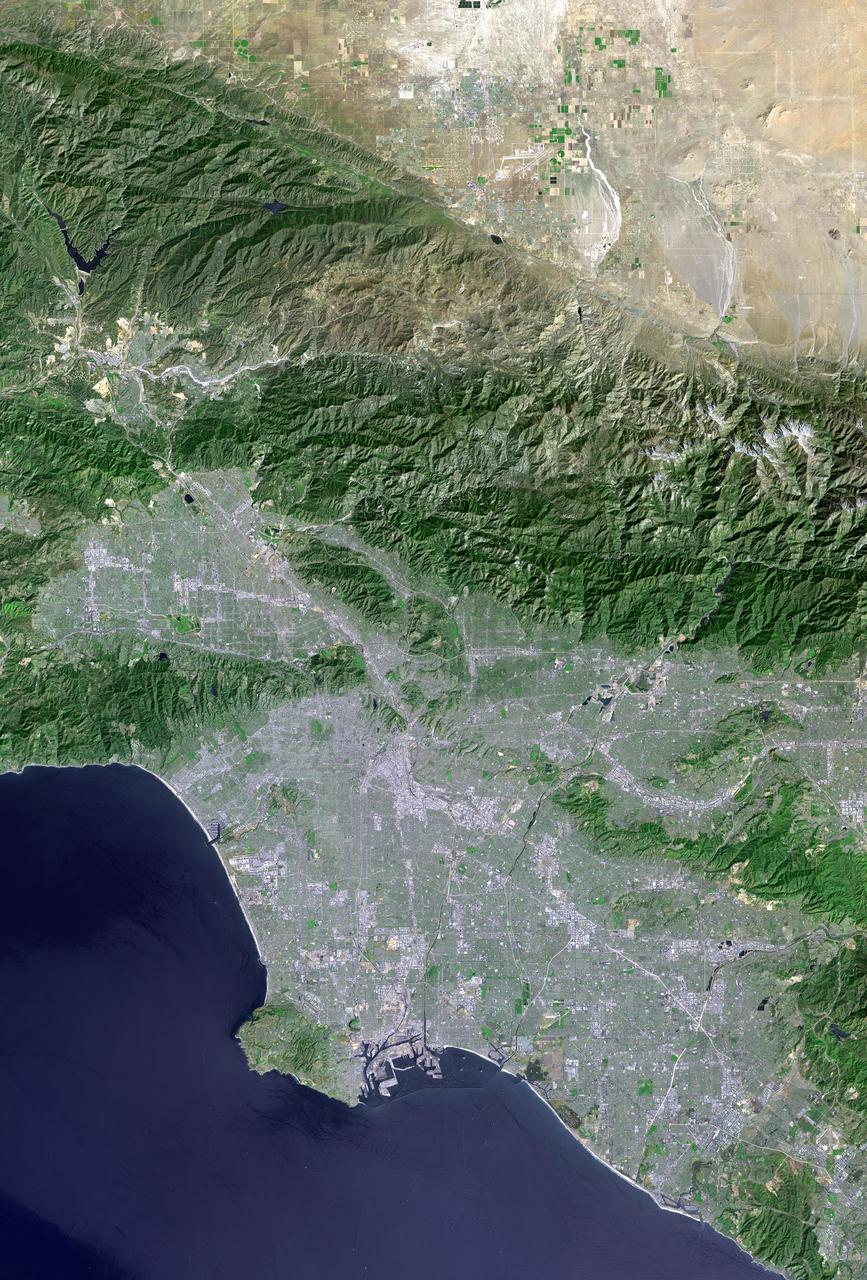
Landsat 7 launched on April 15, 1999, designed to last five years. It operated for twenty-five, survived a failure that destroyed a fifth of every image it took, and became part of the longest continuous record of Earth's surface ever assembled. Then they made the data free.

Space Force suspends all Vulcan launches pending solid rocket booster investigation. Rocket Lab scrubs HASTE hypersonic vehicle launch. Military space funding hits record highs.