



Space Brief 23 Oct 2025
Today's updates cover Vantor's satellites overcoming tracking challenges, a startup's ambitious missile defense test, and more pivotal space events.


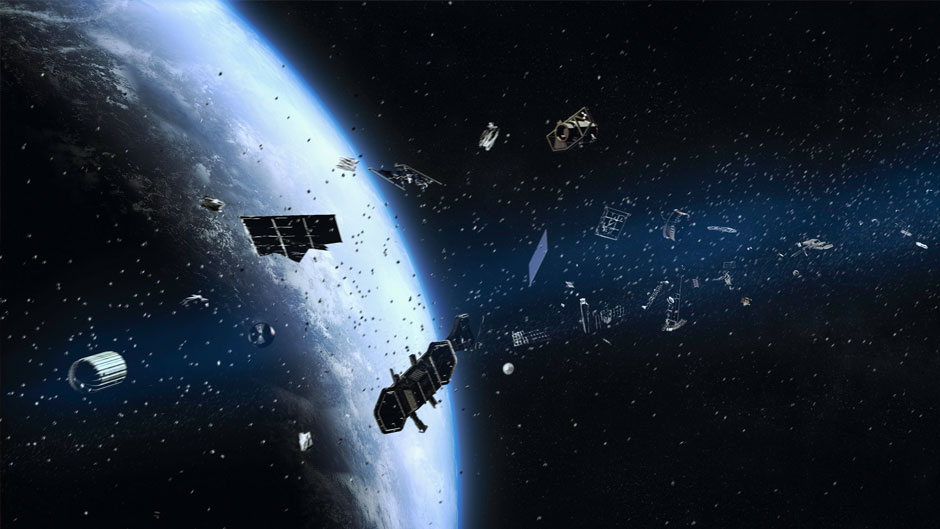
Launch Date
June 29, 1984
Launch Site
Launch Pad
LC90
Launch Vehicle
Tsiklon-2
NORAD ID
27911
International Designator
1984-069AD
Epoch
Sun, 17 Dec 2023 23:44:42 GMT
Apogee
Calculating...
Perigee
Calculating...
Inclination
65.05°
Right Ascension
122.13°
Eccentricity
Calculating...
Argument of Perigee
312.69°
Period
103.52 min
Mean Motion
13.91 rev/day
Latitude
Calculating...
Longitude
Calculating...
Altitude
Calculating...
Velocity
Calculating...
Name
COSMOS 1579 COOLANT
Alternative Name
US-A coolant
Type
Status
Owner
VMF
Country
Russia
Constellation
N/A
Related Satellites
Major Events
N/A
1 27911U 84069AD 23350.98938590 .00000186 00000-0 21650-3 0 9993
2 27911 65.0463 122.1341 0056655 312.6915 46.9384 13.91025722 68307
Source: Celestrak
Length
0
Diameter
0
Span
0
Dry Mass
0
Launch Mass
0
Shape
N/A
Radar Cross Section
0.0036
Visual Magnitude
Unknown
Color
Unknown
Material Composition
Unknown
Payload
Unknown
Purpose
Unknown
Mission
Unknown
Manufacturer
Unknown
Life Expectancy
Unknown
Bus
Unknown
Configuration
Unknown
Motor
Unknown
Equipment
Unknown
Power System
Unknown
ADCS
Unknown
Transmitter Frequency
Unknown
Learn more about satellites and other related topics.
Today's updates cover Vantor's satellites overcoming tracking challenges, a startup's ambitious missile defense test, and more pivotal space events.
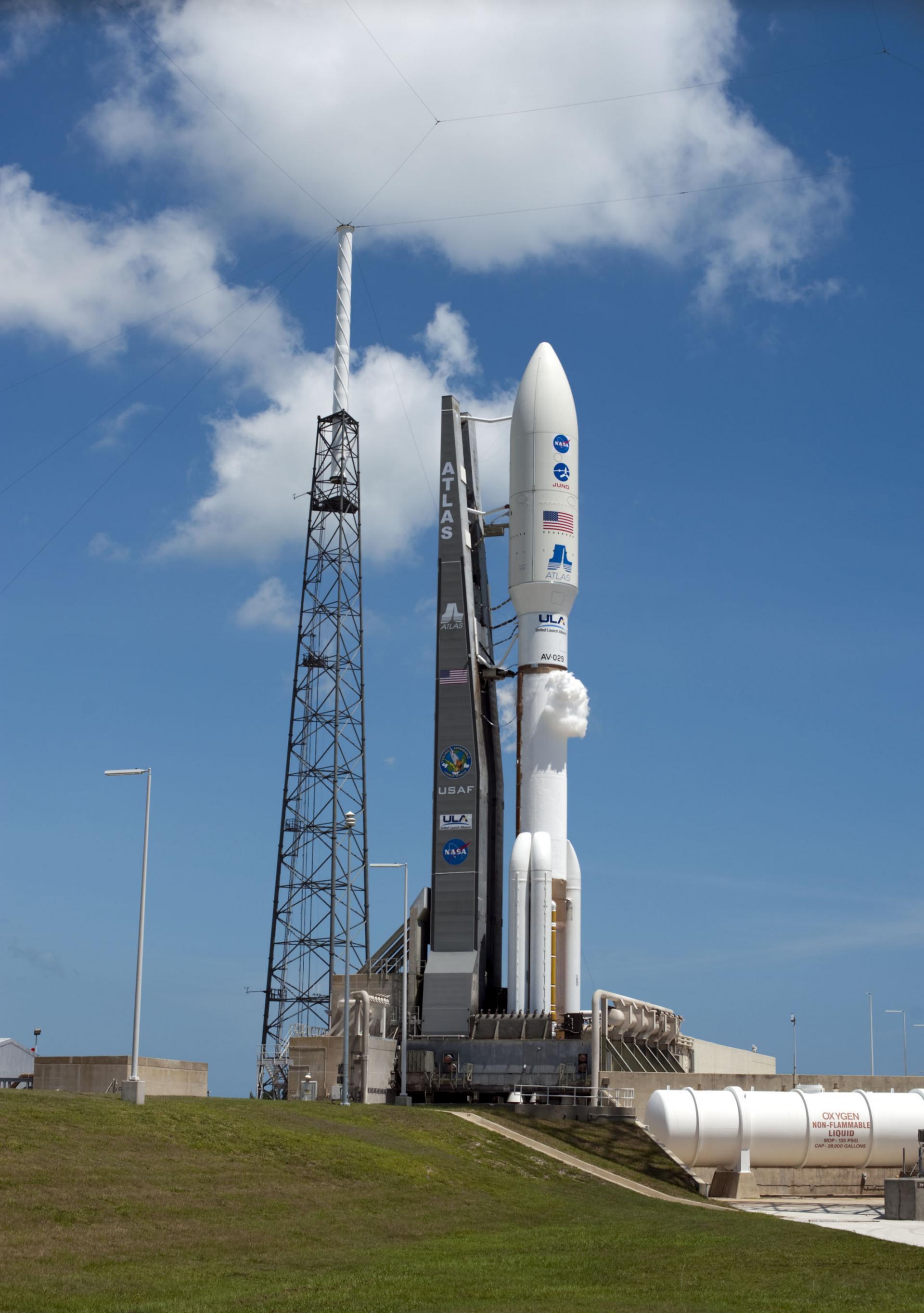
Shenzhou-23 docked with Tiangong May 24 with 3 astronauts, including Hong Kong's first crew member. One will stay ~1 year in orbit.
Today's brief covers ULA's new mission for the US Space Force, China's moon rocket test, delays in the DARC radar system, and SpaceX's Starlink launches.

Today's highlights include a record number of launches from Florida's Space Coast, Germany's new military space strategy, SpaceX's Starlink deployment, and more.
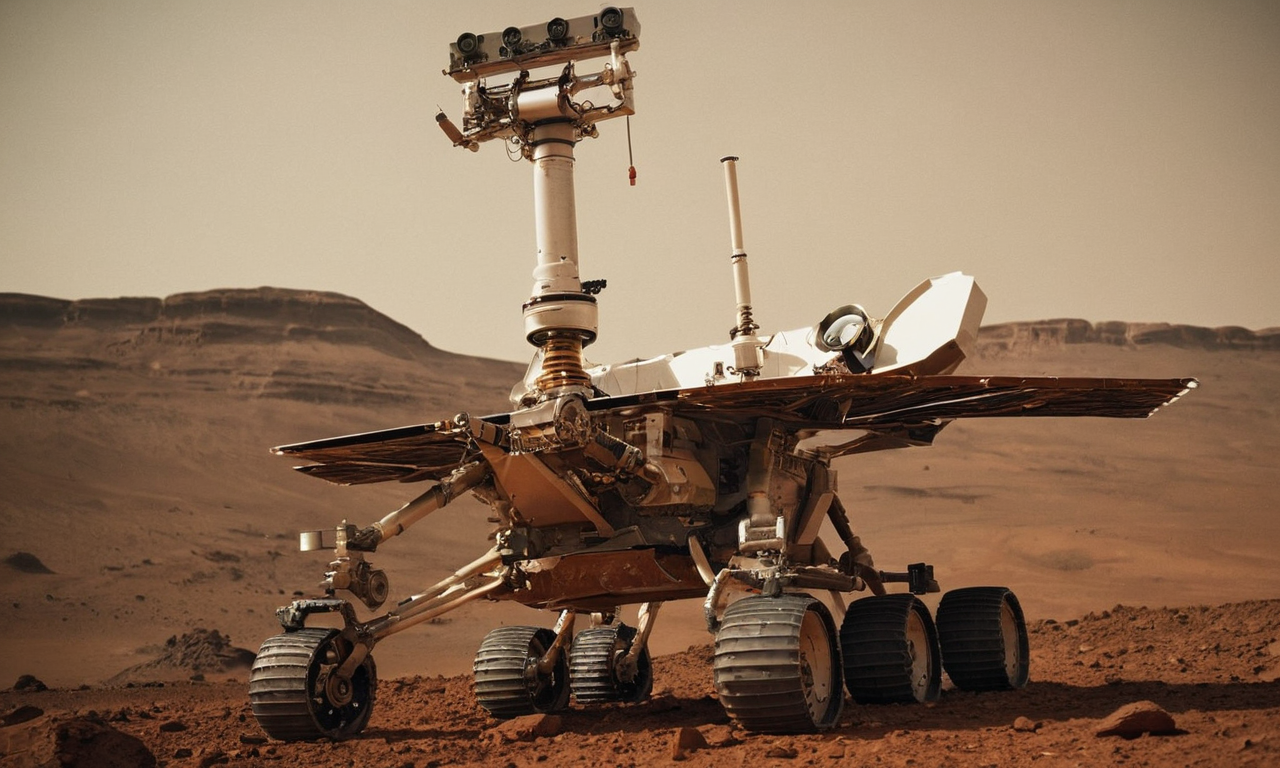
Twenty-one years ago, a golf cart-sized rover bounced to a stop inside a small crater on Mars, beginning one of the most remarkable chapters in space exploration history

Today's highlights include delayed satellite launches, SpaceX's Florida Starship expansion, a historic mission by Europe's Ariane 6, and NASA's twin missions to explore the ends of the Earth and the universe.
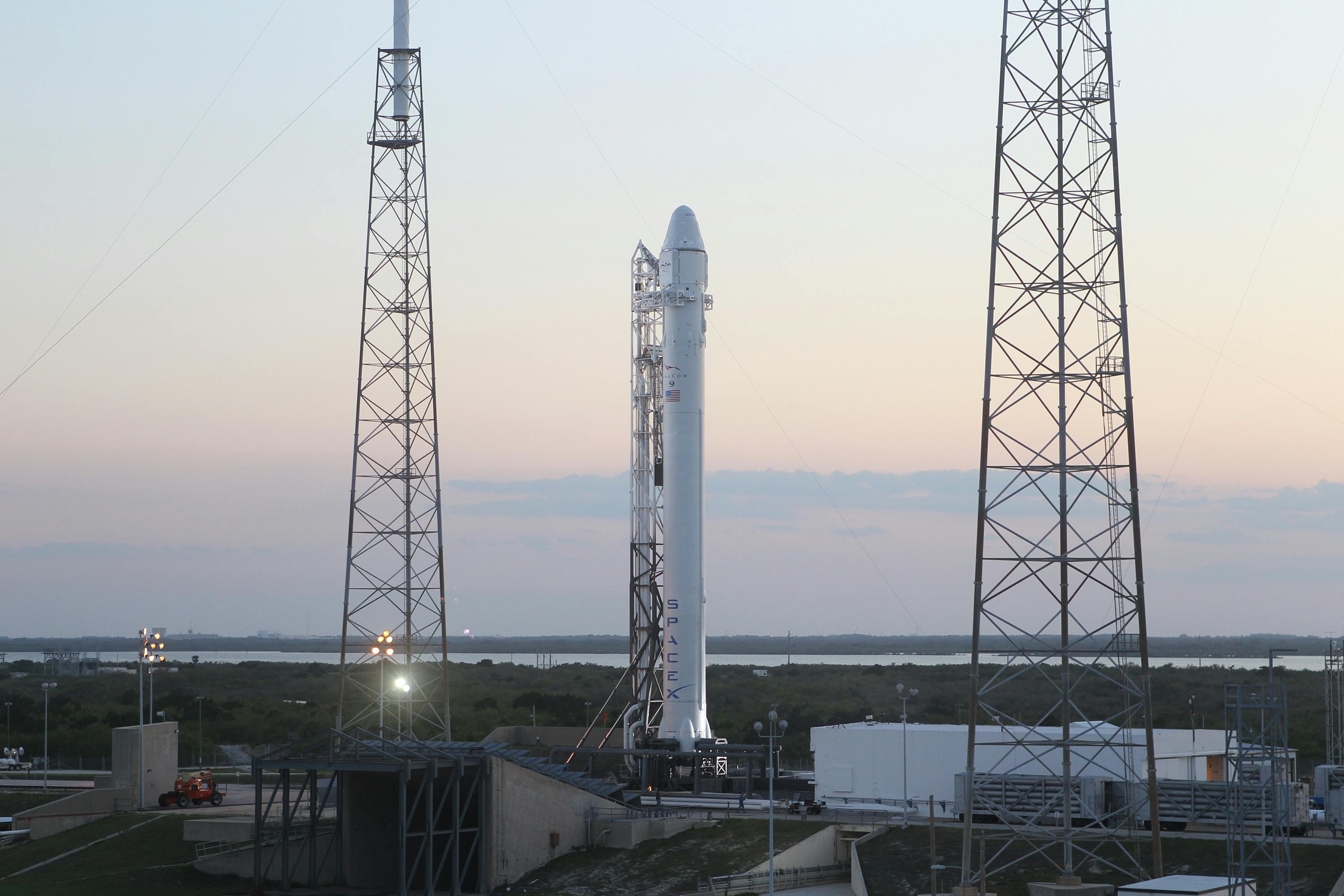
Exciting advancements from SpaceX as Starshield satellites prepare for launch, Starship Flight 7 faces a short delay, and new Starlink satellites enter orbit.
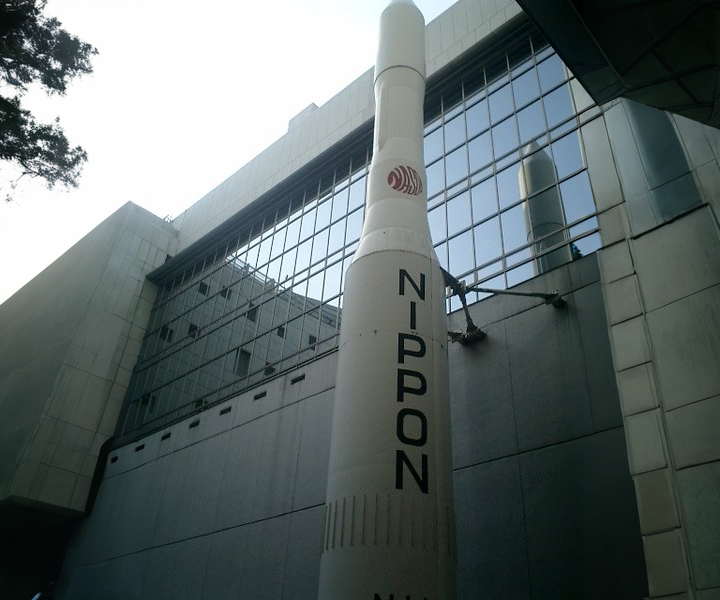
Forty-eight years ago, a pioneering satellite named Kiku 2 propelled Japan into the exclusive group of nations capable of operating satellites in geostationary orbit