


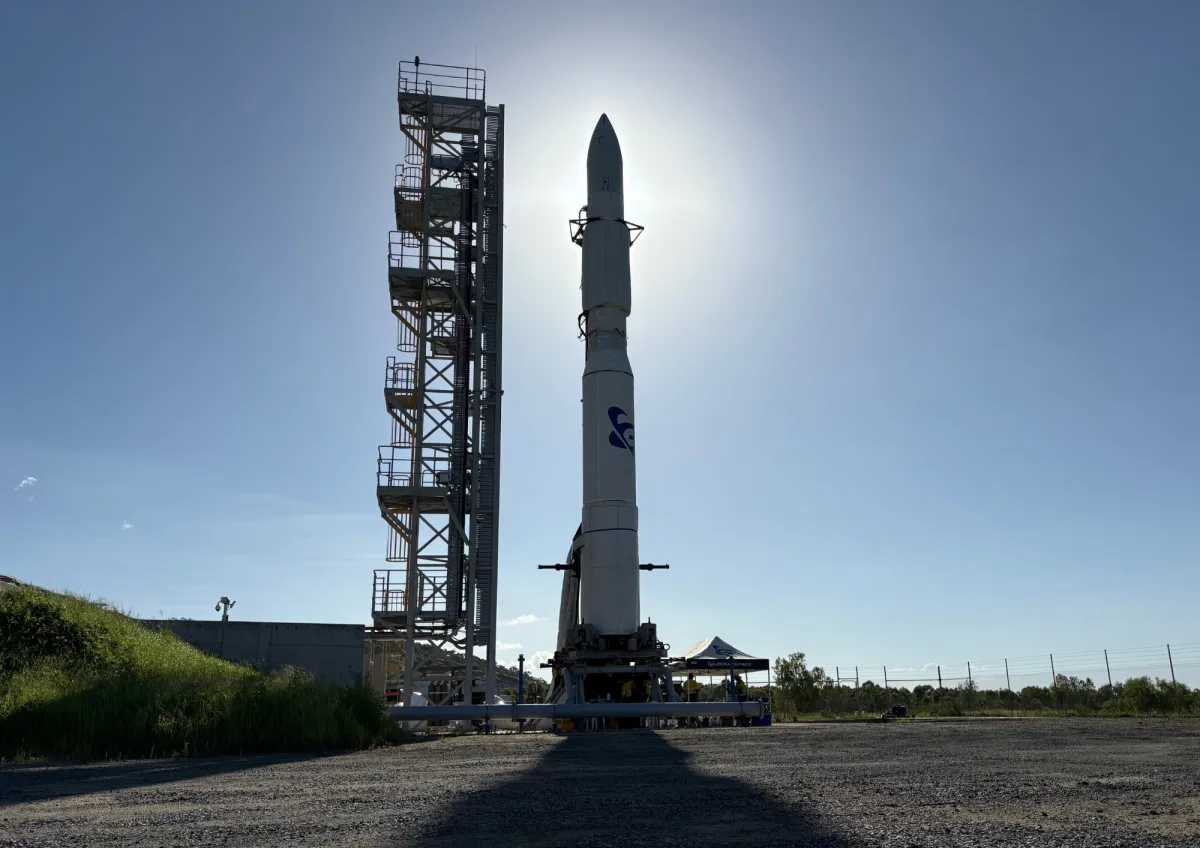
Space Brief 2 May 2025
Today's space highlights include significant military contracts for aerospace innovations, advancements in small-satellite procurement, and discussions on the role of nuclear energy in space exploration.



Launch Date
June 29, 1984
Launch Site
Launch Pad
LC90
Launch Vehicle
Tsiklon-2
NORAD ID
27910
International Designator
1984-069AC
Epoch
Sat, 11 Jul 2020 06:24:56 GMT
Apogee
Calculating...
Perigee
Calculating...
Inclination
65.05°
Right Ascension
150.06°
Eccentricity
Calculating...
Argument of Perigee
28.58°
Period
104.03 min
Mean Motion
13.84 rev/day
Latitude
Calculating...
Longitude
Calculating...
Altitude
Calculating...
Velocity
Calculating...
Name
COSMOS 1579 COOLANT
Alternative Name
US-A coolant
Type
Status
Owner
VMF
Country
Russia
Constellation
N/A
Related Satellites
Major Events
N/A
1 27910U 84069AC 20192.26731532 -.00000088 00000-0 00000+0 0 9995
2 27910 65.0488 150.0627 0067798 28.5846 331.8847 13.84177674891564
Source: Celestrak
Length
0
Diameter
0
Span
0
Dry Mass
0
Launch Mass
0
Shape
N/A
Radar Cross Section
0.0033
Visual Magnitude
Unknown
Color
Unknown
Material Composition
Unknown
Payload
Unknown
Purpose
Unknown
Mission
Unknown
Manufacturer
Unknown
Life Expectancy
Unknown
Bus
Unknown
Configuration
Unknown
Motor
Unknown
Equipment
Unknown
Power System
Unknown
ADCS
Unknown
Transmitter Frequency
Unknown
Learn more about satellites and other related topics.
Today's space highlights include significant military contracts for aerospace innovations, advancements in small-satellite procurement, and discussions on the role of nuclear energy in space exploration.
Today's brief covers challenges in Space Force procurement, promising developments in tracking technologies, and significant budget cuts affecting military aerospace projects.
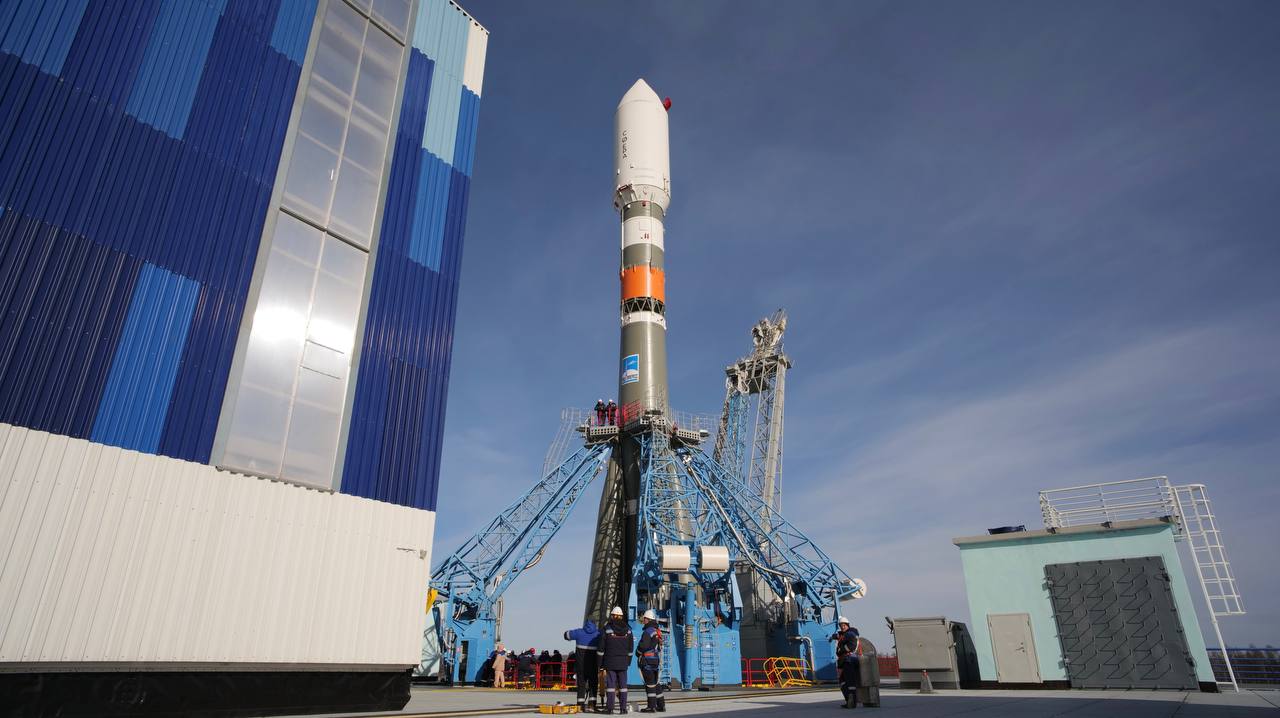
Today's brief covers China's latest experimental launch to GEO and new commercial satellites, insights from hyperspectral imagery on underground structures, and the Space Force's material testing for Mars missions.

SpaceX explores new horizons with Starship's point-to-point travel announcement and reports significant Starlink deployment progress.

Northrop Grumman's GEM 63XL solid rocket booster passed static fire testing, but ULA's investigation into a February 2026 Vulcan in-flight anomaly remains open. No RTF date set.

SpaceX celebrates 300 successful booster landings, further solidifying its dominance in reusable rocket technology.
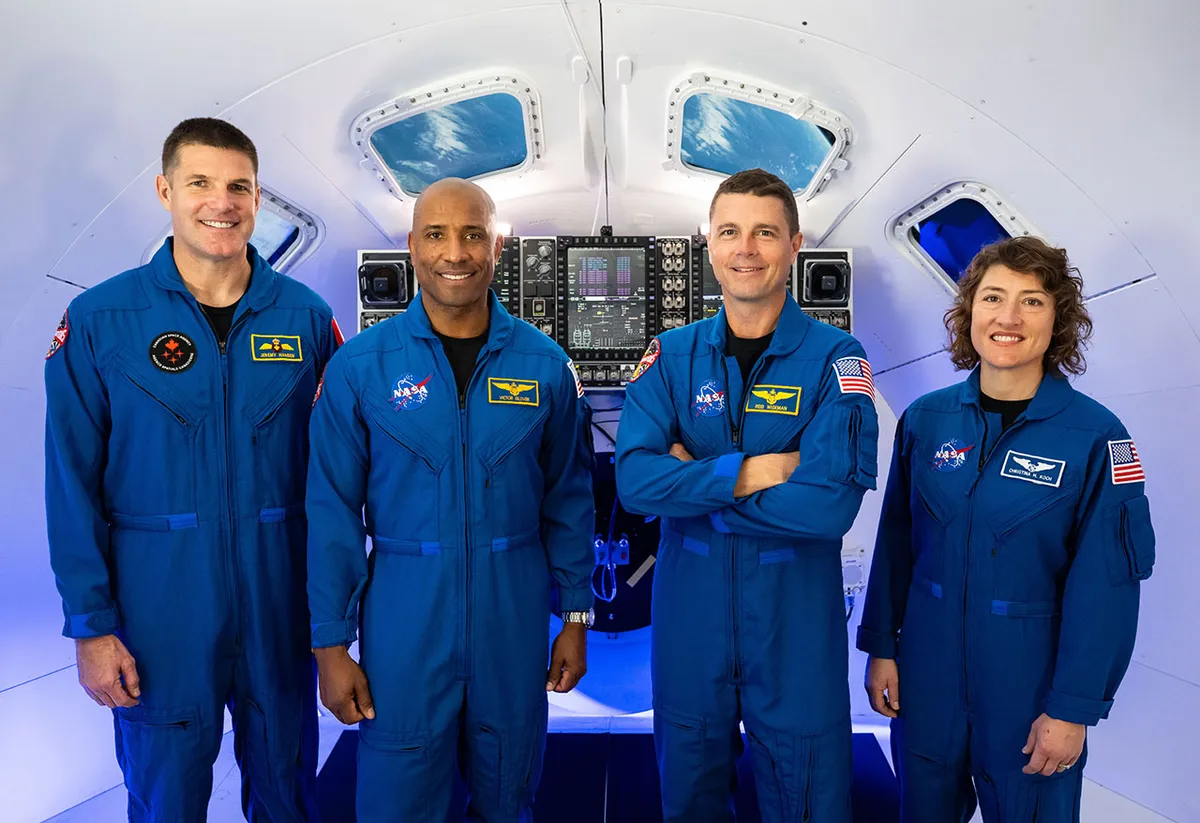
Four astronauts, a patched-together heat shield, and a $50 billion question: whether NASA can still send humans beyond low Earth orbit. Tomorrow, we find out.
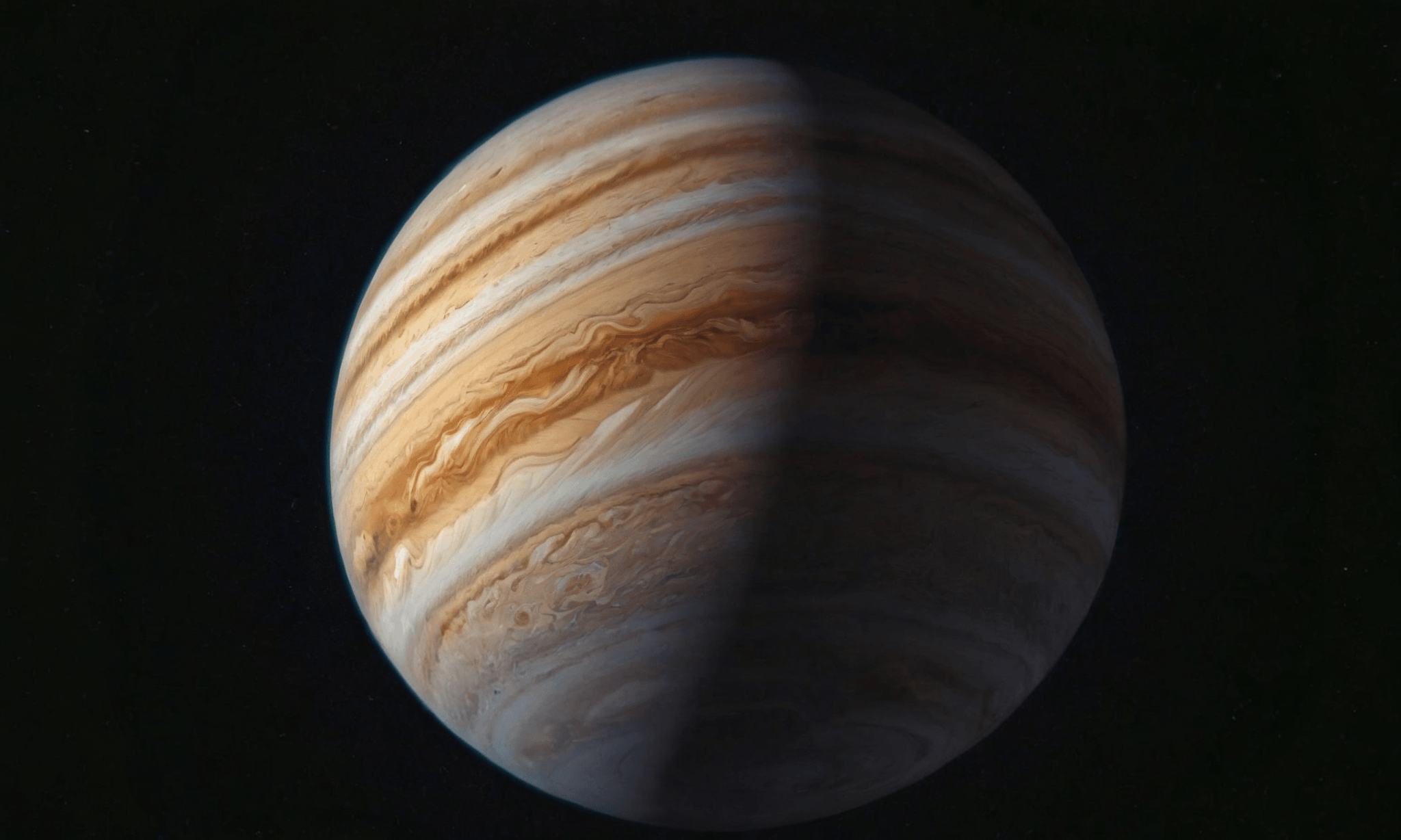
Today’s Space Brief covers a rescued lunar orbiter, a thorough pre-launch check for a Jupiter-bound mission, and leadership changes in a satellite communication company. We also spotlight a recently launched CubeSat and an innovative act of deorbiting.