


X Report 12 Jun 2025
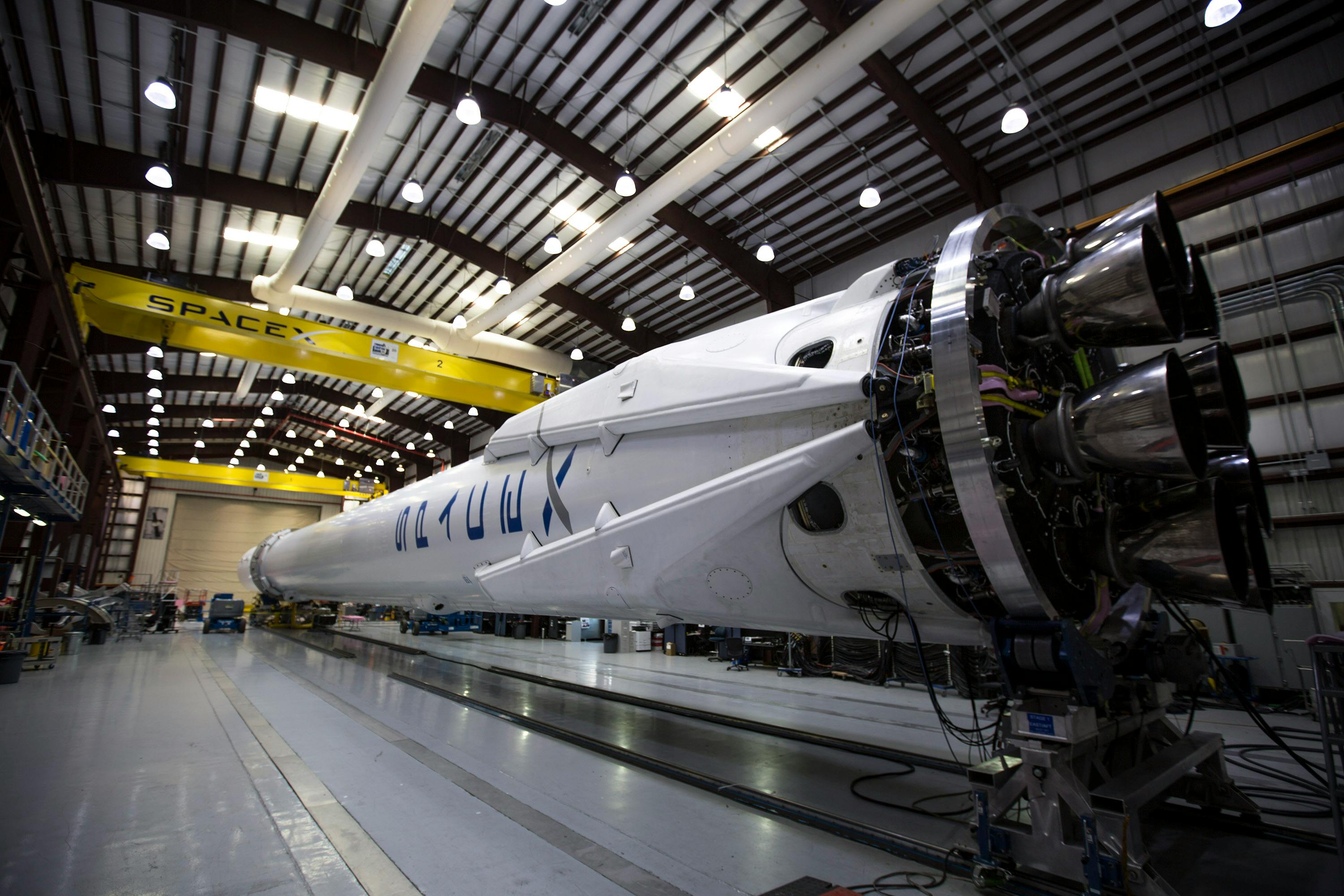
Today, SpaceX faced delays in launching the Ax-4 mission due to a booster leak, while Starlink made strides towards launching in India with new telecom license approval.



Launch Date
July 2, 1980
Launch Site
PLMSC
Launch Pad
LC41/1
Launch Vehicle
Molniya 8K78M
NORAD ID
27898
International Designator
1980-057L
Epoch
Sat, 04 Jul 2026 01:12:21 GMT
Apogee
Calculating...
Perigee
Calculating...
Inclination
64.76°
Right Ascension
53.50°
Eccentricity
Calculating...
Argument of Perigee
30.76°
Period
721.15 min
Mean Motion
2.00 rev/day
Latitude
Calculating...
Longitude
Calculating...
Altitude
Calculating...
Velocity
Calculating...
Name
COSMOS 1191 DEB
Alternative Name
deb Kosmos-1191
Type
Status
Owner
PVO
Country
Russia
Constellation
N/A
Related Satellites
Major Events
N/A
1 27898U 80057L 26185.05024463 -.00001086 00000-0 00000-0 0 9996
2 27898 64.7649 53.5003 6980062 30.7635 356.1422 1.99680178 43282
Source: Celestrak
Length
0
Diameter
0
Span
0
Dry Mass
0
Launch Mass
0
Shape
N/A
Radar Cross Section
0.2518
Visual Magnitude
Unknown
Color
Unknown
Material Composition
Unknown
Payload
deb Oko
Purpose
Unknown
Mission
Unknown
Manufacturer
Unknown
Life Expectancy
Unknown
Bus
Unknown
Configuration
Unknown
Motor
Unknown
Equipment
Unknown
Power System
Unknown
ADCS
Unknown
Transmitter Frequency
Unknown
Learn more about satellites and other related topics.
Today, SpaceX faced delays in launching the Ax-4 mission due to a booster leak, while Starlink made strides towards launching in India with new telecom license approval.
Today's highlights include Russia's record-setting satellite launch, insights from NASA's AWE during Hurricane Helene, and confirmation of astronaut Suni Williams' good health aboard the ISS.
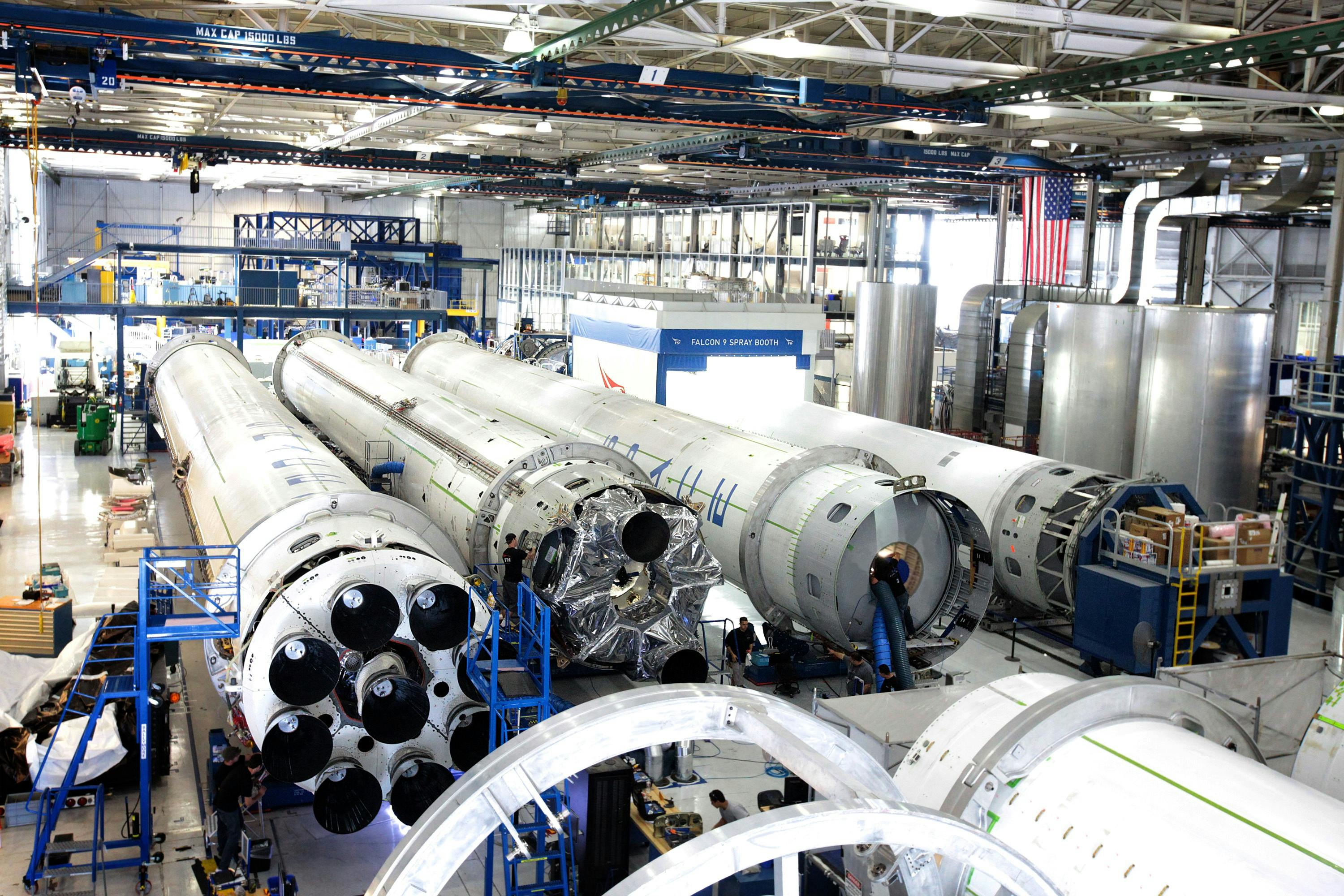
SpaceX wraps up a record-breaking year with successful launches and advancements in Starlink mega-constellation.

Discover the history and significance of Two-Line Element Sets (TLEs) in satellite tracking. Dive into their components, applications, and how they are evolving to meet future space challenges.
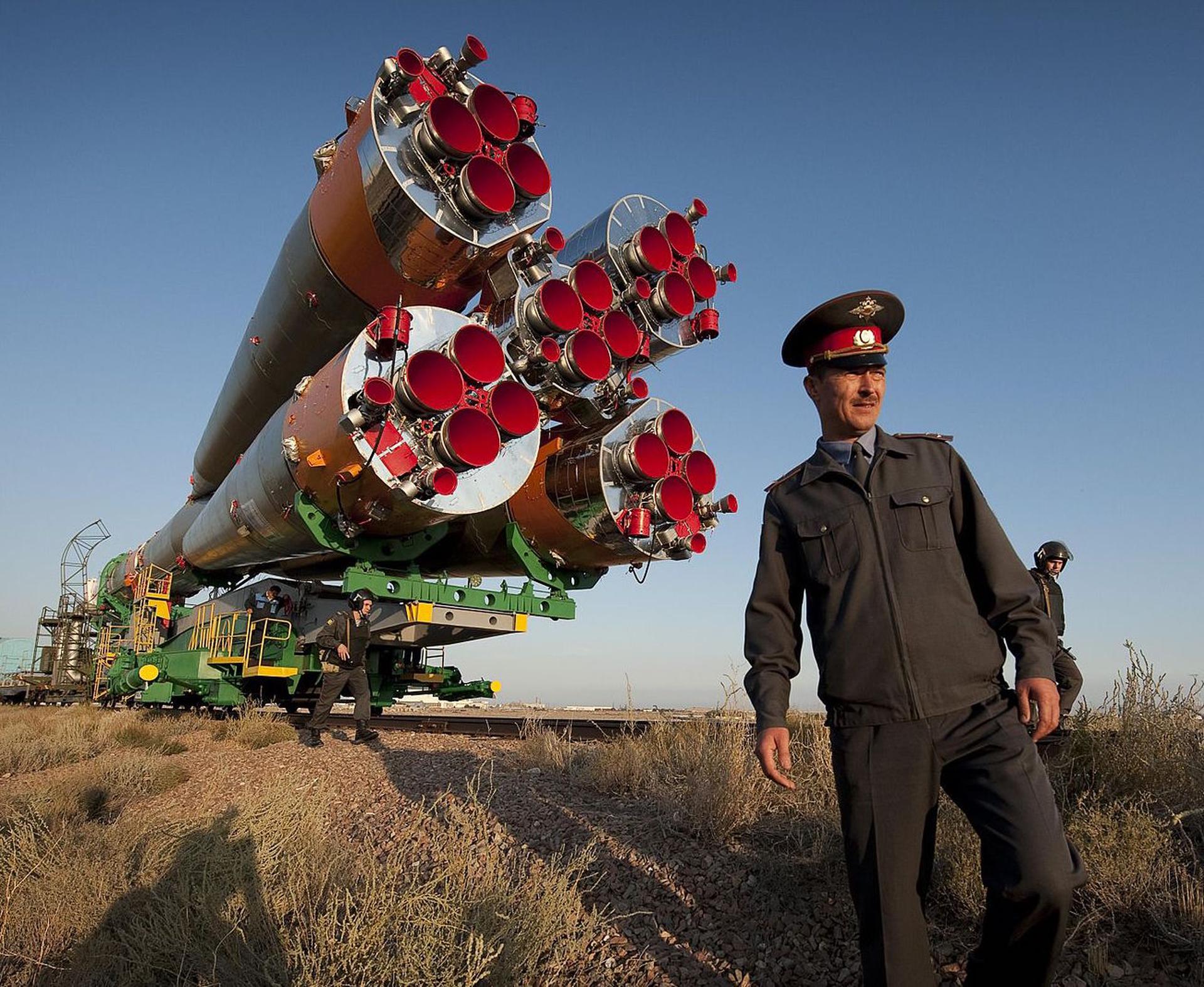
SpaceX achieves a new launch record with its Starlink mission, NASA's Perseverance rover captures eerie Martian winds, and Buzz Aldrin endorses Trump. Plus, discussions around space debris and military space tech agreements.

Notable space events as the year closes: China's record orbital launches, Vandenberg's new launch site, Rocket Lab's achievements, and urgent MAVEN recovery efforts.
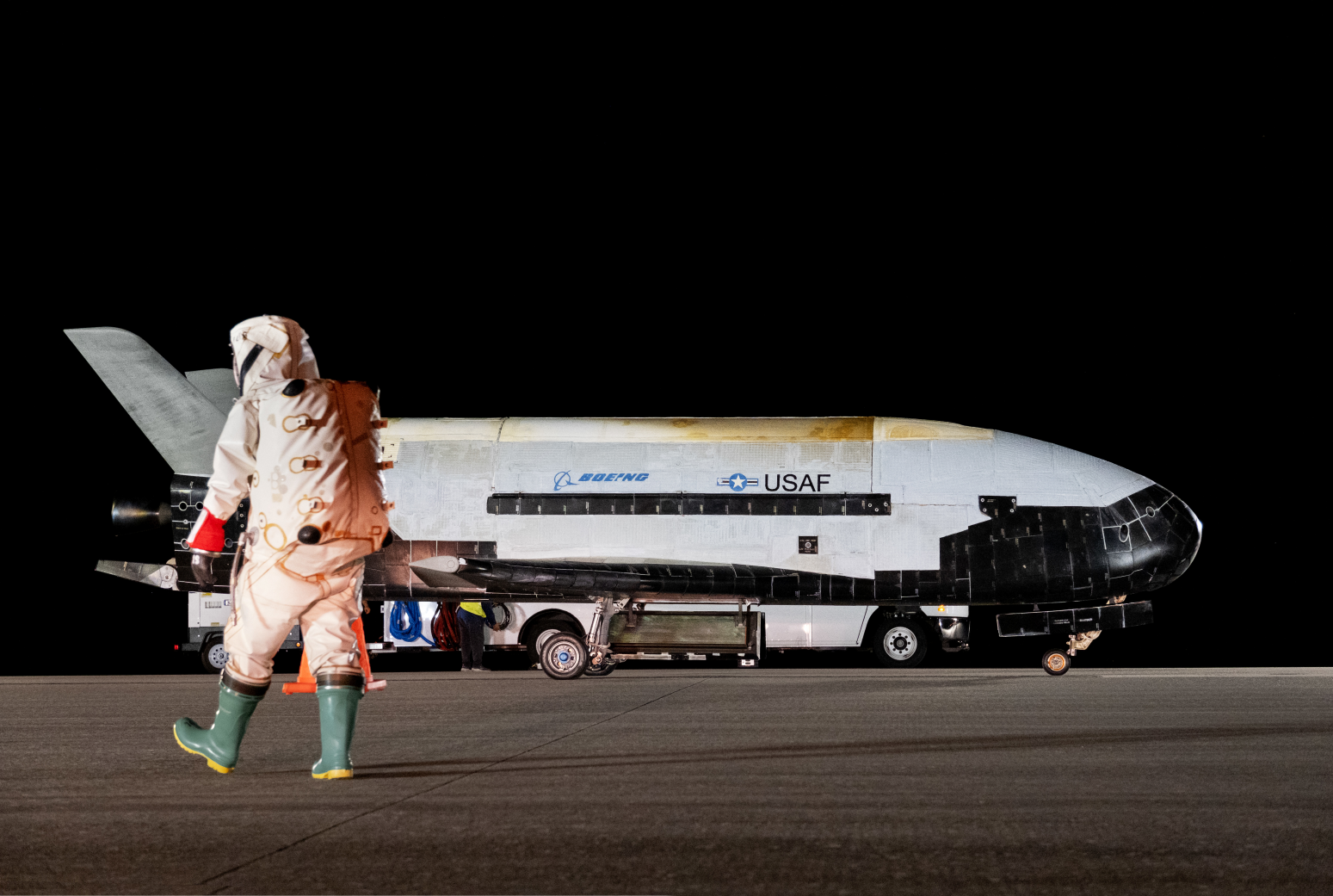
On April 22, 2010, an Atlas V lifted off from Cape Canaveral carrying a reusable robotic spaceplane so secret that the Air Force would not even confirm its mission duration. It came back 224 days later, lighter, quieter, and more operational than anyone outside Washington had expected. Fifteen years later, the X-37B is still flying, and the military still will not say what it does.
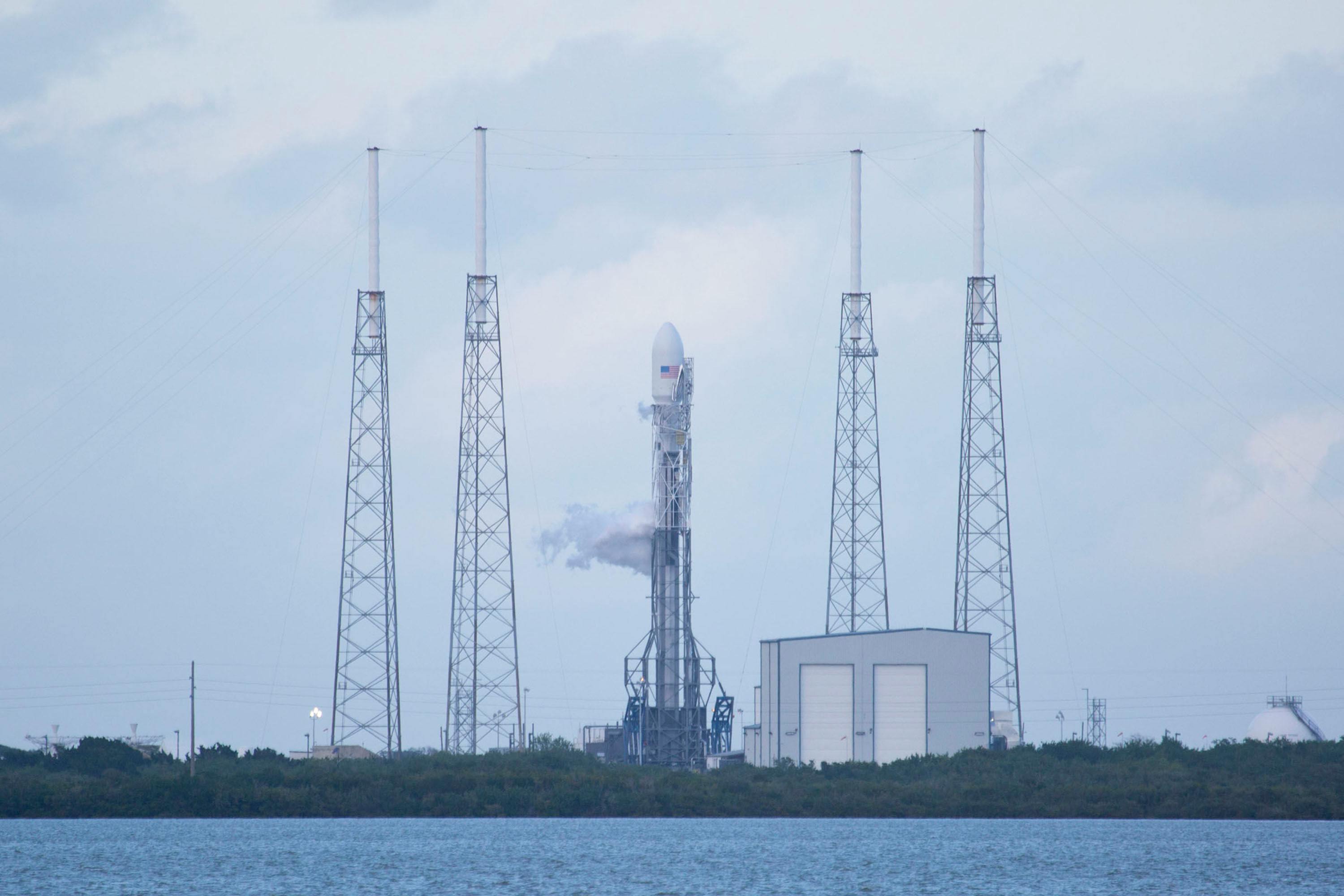
SpaceX prepares to launch 27 Starlink satellites in its first mission since the recent Starship explosion, while the FAA investigates debris reports from the failed test flight.