


X Report 14 Aug 2025
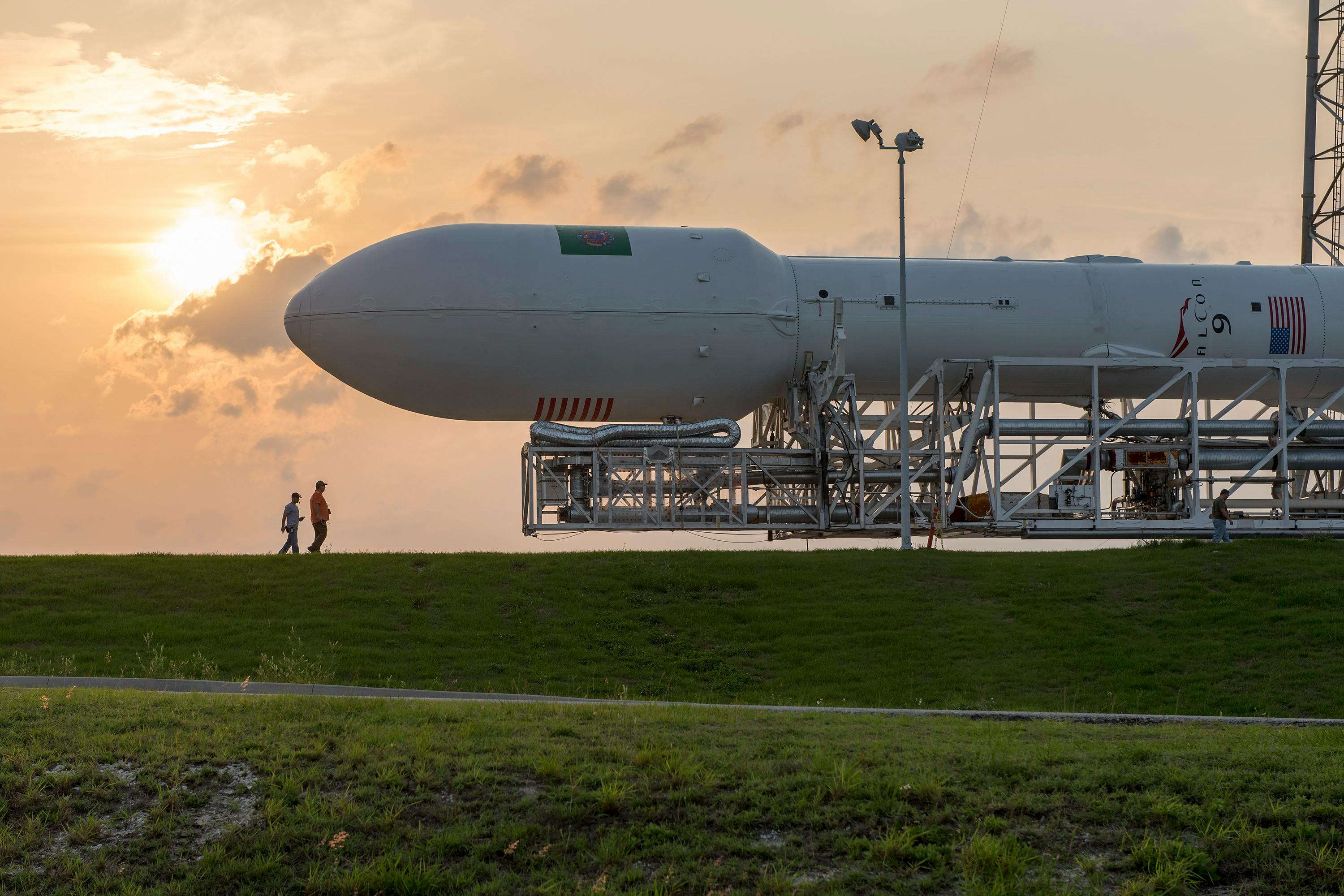
SpaceX successfully launched a batch of Starlink satellites today while introducing new features to enhance user experience. Their rideshare program continues to see increased demand, proving popular among customers.



Launch Date
June 28, 1978
Launch Site
PLMSC
Launch Pad
LC43/3
Launch Vehicle
Molniya 8K78M
NORAD ID
27890
International Designator
1978-066G
Epoch
Sat, 02 Jul 2011 15:26:47 GMT
Apogee
Calculating...
Perigee
Calculating...
Inclination
66.99°
Right Ascension
106.51°
Eccentricity
Calculating...
Argument of Perigee
95.92°
Period
709.57 min
Mean Motion
2.03 rev/day
Latitude
Calculating...
Longitude
Calculating...
Altitude
Calculating...
Velocity
Calculating...
Name
COSMOS 1024 DEB
Alternative Name
deb Kosmos-1024
Type
Status
Owner
PVO
Country
Russia
Constellation
N/A
Related Satellites
Major Events
N/A
1 27890U 78066G 11182.64360497 .00000136 00000-0 00000+0 0 9994
2 27890 66.9856 106.5085 5485158 95.9157 28.4750 2.02939386 71225
Source: Celestrak
Length
0
Diameter
0
Span
0
Dry Mass
0
Launch Mass
0
Shape
N/A
Radar Cross Section
0.0252
Visual Magnitude
Unknown
Color
Unknown
Material Composition
Unknown
Payload
deb Oko
Purpose
Unknown
Mission
Unknown
Manufacturer
Unknown
Life Expectancy
Unknown
Bus
Unknown
Configuration
Unknown
Motor
Unknown
Equipment
Unknown
Power System
Unknown
ADCS
Unknown
Transmitter Frequency
Unknown
Learn more about satellites and other related topics.
SpaceX successfully launched a batch of Starlink satellites today while introducing new features to enhance user experience. Their rideshare program continues to see increased demand, proving popular among customers.
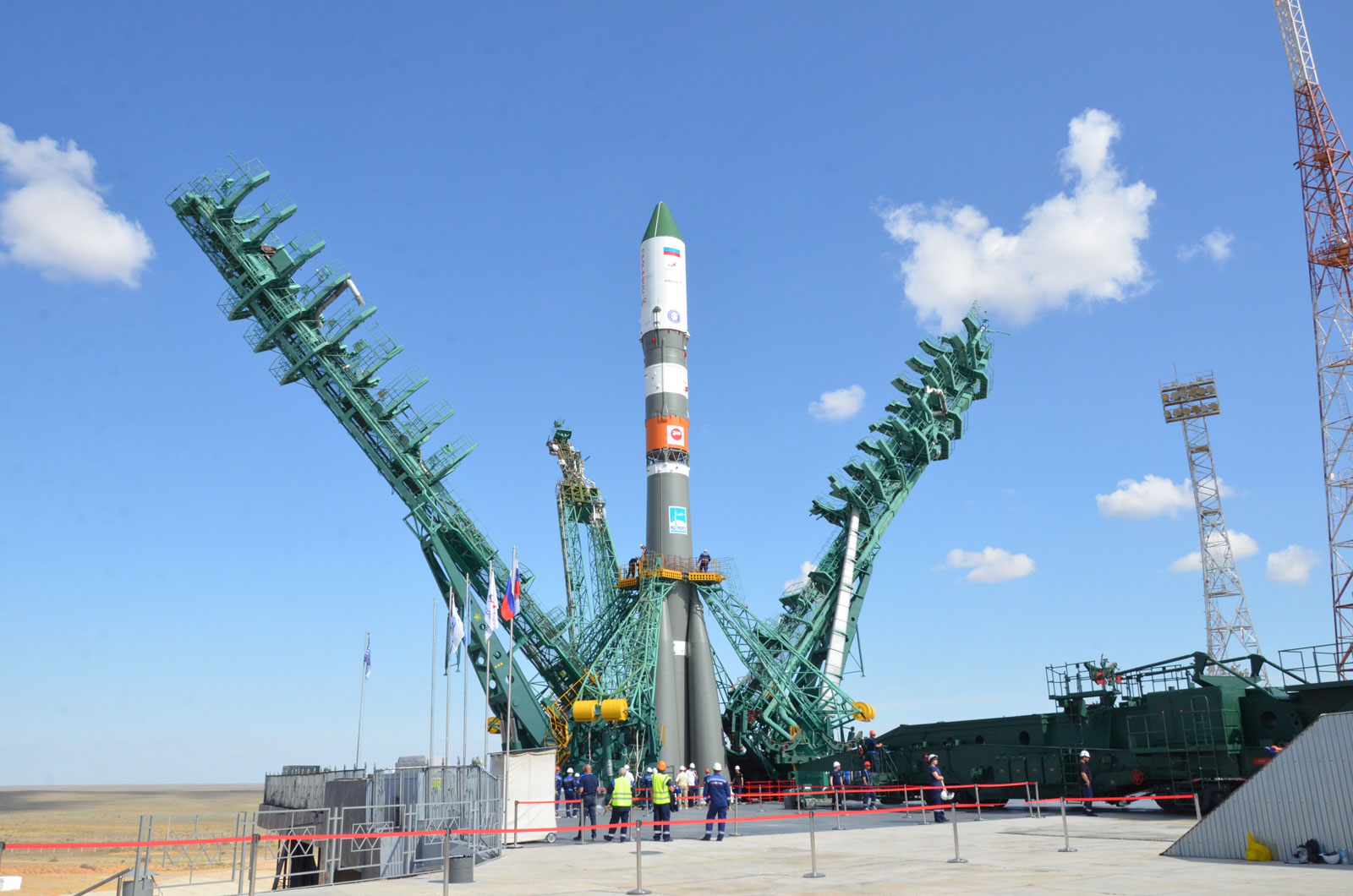
Today's brief covers potential shifts in Space Force's strategy, new milestones in military satellite programs, and advancements in ground systems for missile defense. We'll also highlight Rocket Lab's latest contract win and critical design reviews in drone technology.

Discover the latest developments in space defense, innovative satellite technologies, nuclear advancements in space travel, and strategic military updates.
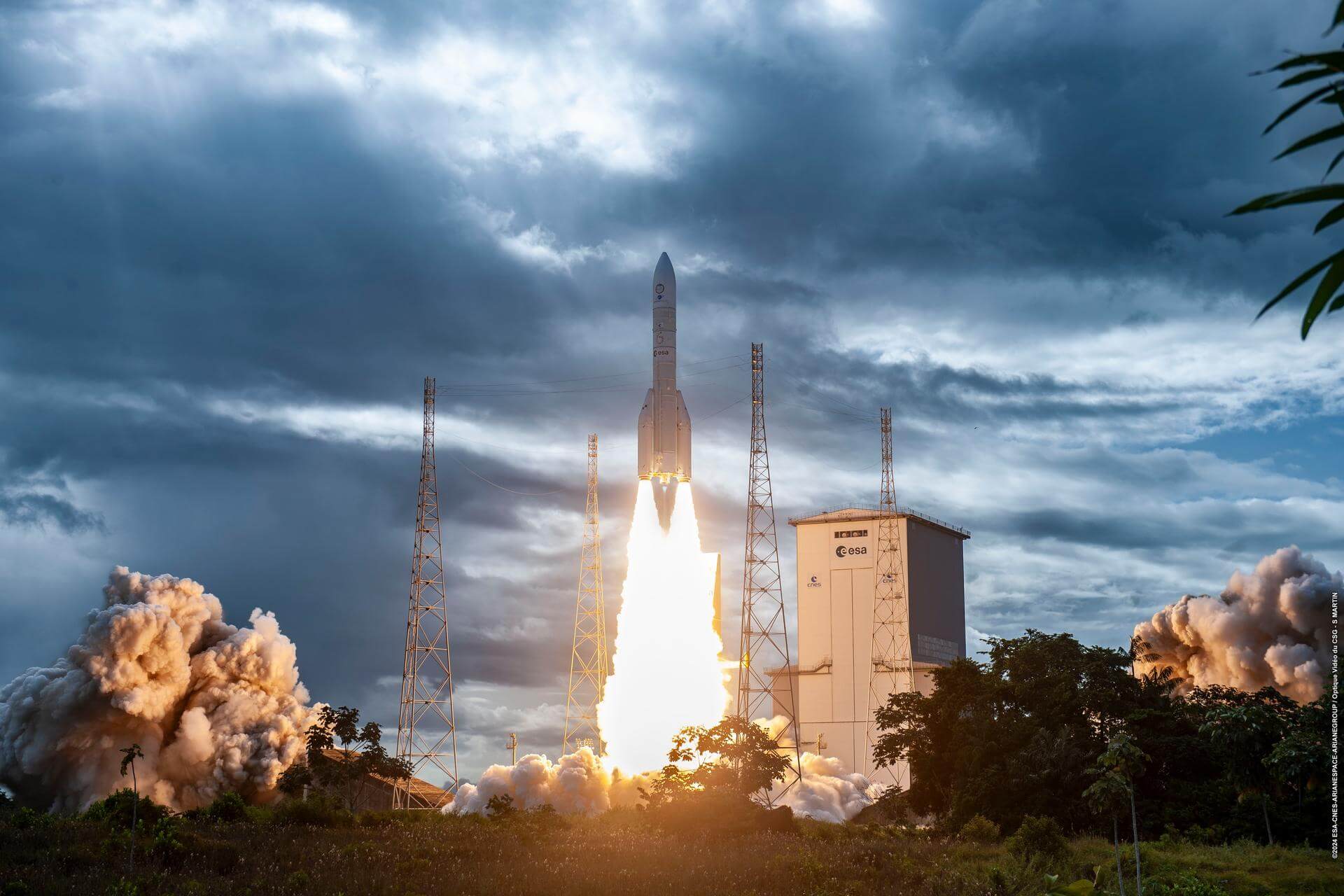
Today's highlights include new satellite launches by SpaceX, technical hiccups for an Indian navigation satellite, and insights into the future of satellite servicing.

Today's brief highlights significant developments in space defense, innovation fund challenges, and international defense agreements impacting satellite utilities.

MDA Space and Hanwha target South Korea's K-LEO defense satellite network. House passes $839B defense bill. Pentagon picks 25 vendors for $150M drone competition.
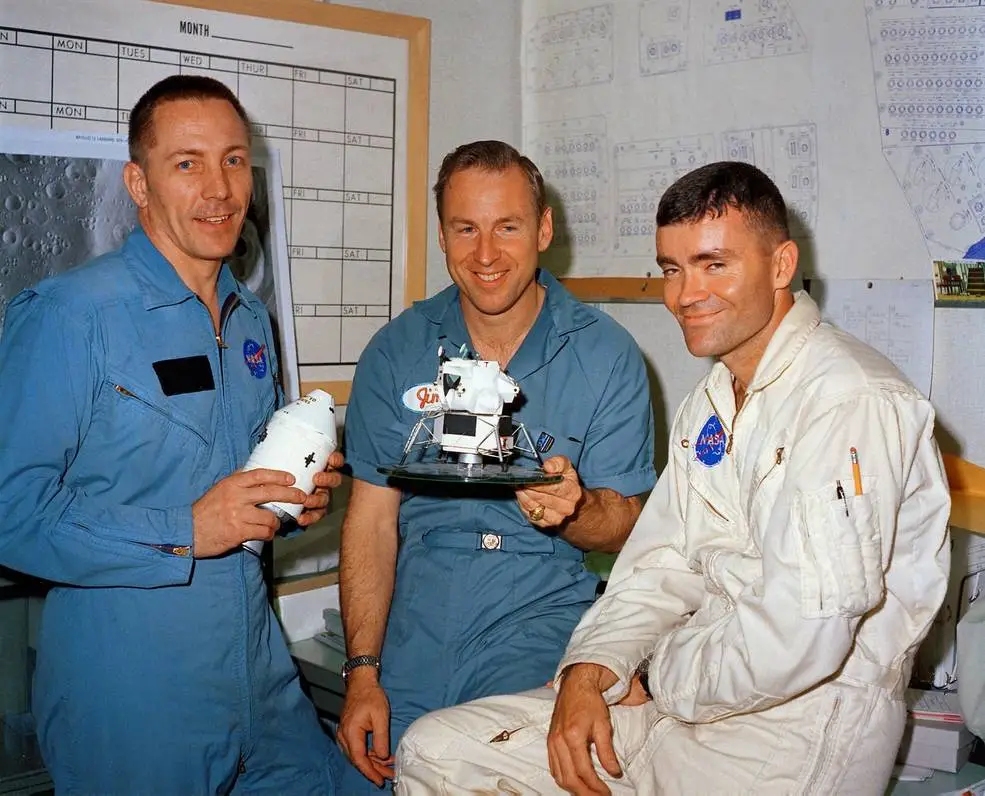
An overlooked thermostat, eight hours of overheating on a Florida launch pad, and 200,000 miles of coasting through deep space. Then Oxygen Tank No. 2 tore itself apart, and three men had to figure out how to come home alive in a spacecraft designed to land on the Moon.
Today's brief covers a groundbreaking national security mission for ULA's Vulcan, NASA's collaboration with LeoLabs for enhanced collision avoidance, and SEOPS' new satellite tracking services, among other key developments.