


Space Brief 26 Jan 2025
Spacewalks have resumed on the ISS, while Blue Origin prepares for a unique New Shepard mission. In other news, astronomers push for a ban on space ads and potential budget cuts threaten the JWST.


Launch Date
August 29, 2003
Launch Site
Launch Pad
SLC37B
Launch Vehicle
Delta 4M
NORAD ID
27875
International Designator
2003-040A
Epoch
Thu, 02 Jul 2026 20:28:10 GMT
Apogee
Calculating...
Perigee
Calculating...
Inclination
10.53°
Right Ascension
47.80°
Eccentricity
Calculating...
Argument of Perigee
42.75°
Period
1436.08 min
Mean Motion
1.00 rev/day
Latitude
Calculating...
Longitude
Calculating...
Altitude
Calculating...
Velocity
Calculating...
Name
USA 170
Alternative Name
DSCS III B-6
Type
Status
Owner
AFSMC/DISA
Country
United States
Constellation
N/A
Related Satellites
Major Events
N/A
1 27875U 03040A 26183.85289851 .00000132 00000-0 00000-0 0 9998
2 27875 10.5312 47.7972 0001718 42.7502 161.5742 1.00272797 33159
Source: Celestrak
Length
2.1
Diameter
1.9
Span
9.5
Dry Mass
900
Launch Mass
1244
Shape
Box + 2 Pan
Radar Cross Section
Unknown
Visual Magnitude
Unknown
Color
Unknown
Material Composition
Unknown
Payload
DSCS III B-6
Purpose
Communication
Mission
Communication
Manufacturer
LMVF
Life Expectancy
10 years
Bus
DSCS III
Configuration
DSCS-3 Bus, 3-Axis stabilization
Motor
AOCS
Equipment
6 SHF transponders, 1 special purpose transponder (SHF and UHF)
Power System
2 deployable solar arrays, batteries
ADCS
Unknown
Transmitter Frequency
Unknown
Learn more about satellites and other related topics.
Spacewalks have resumed on the ISS, while Blue Origin prepares for a unique New Shepard mission. In other news, astronomers push for a ban on space ads and potential budget cuts threaten the JWST.
Uncover the top companies dominating the satellite industry. From SpaceX to One Web, learn who's leading in space assets. Full list inside.
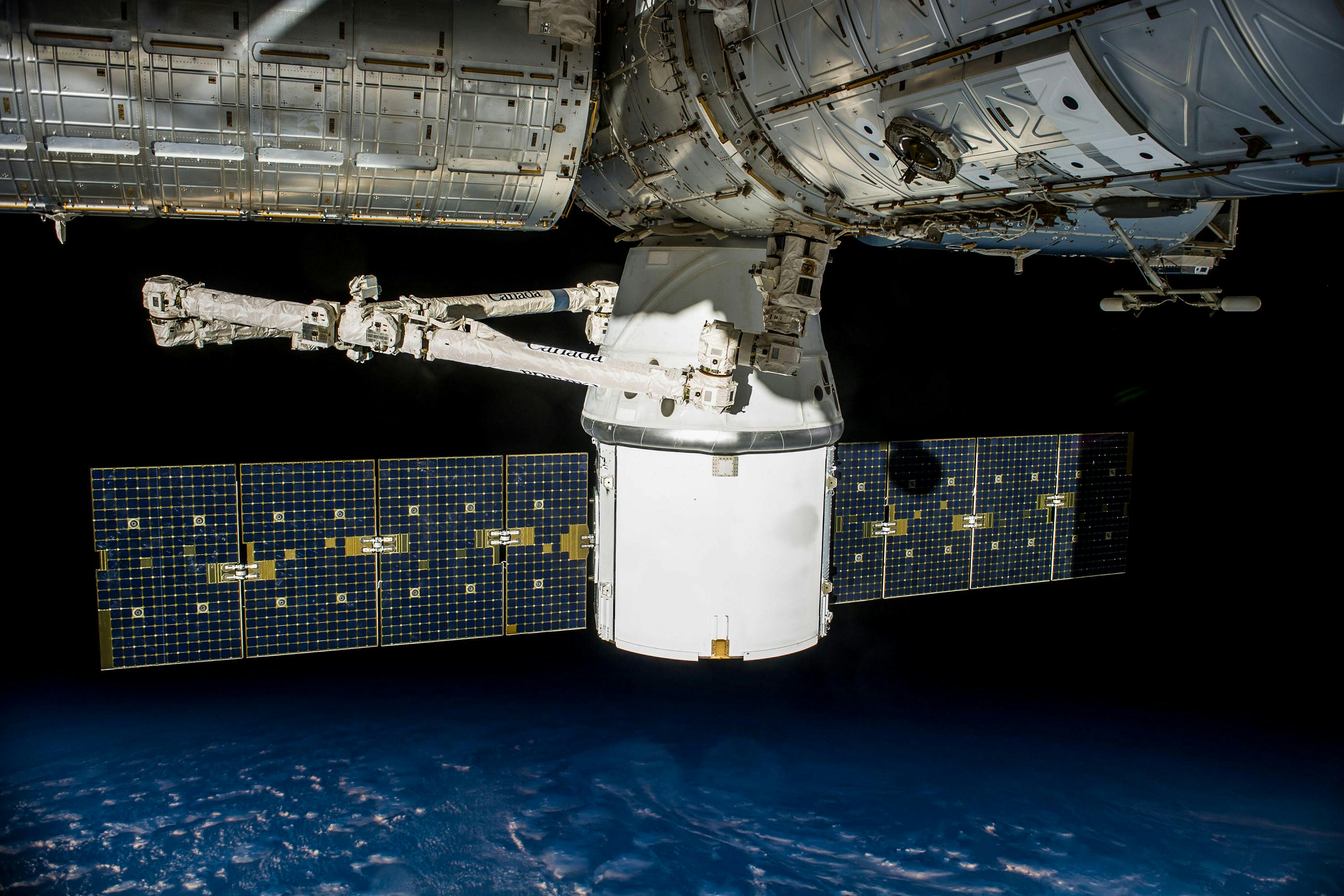
SpaceX makes significant strides with Starship Flight Test 10 approved and updates on the new Starbase pad design.
Today's updates focus on significant developments in U.S. national security space launches, Army space training, potential shifts in satellite procurement strategies, and the Meteor 2-21 satellite.
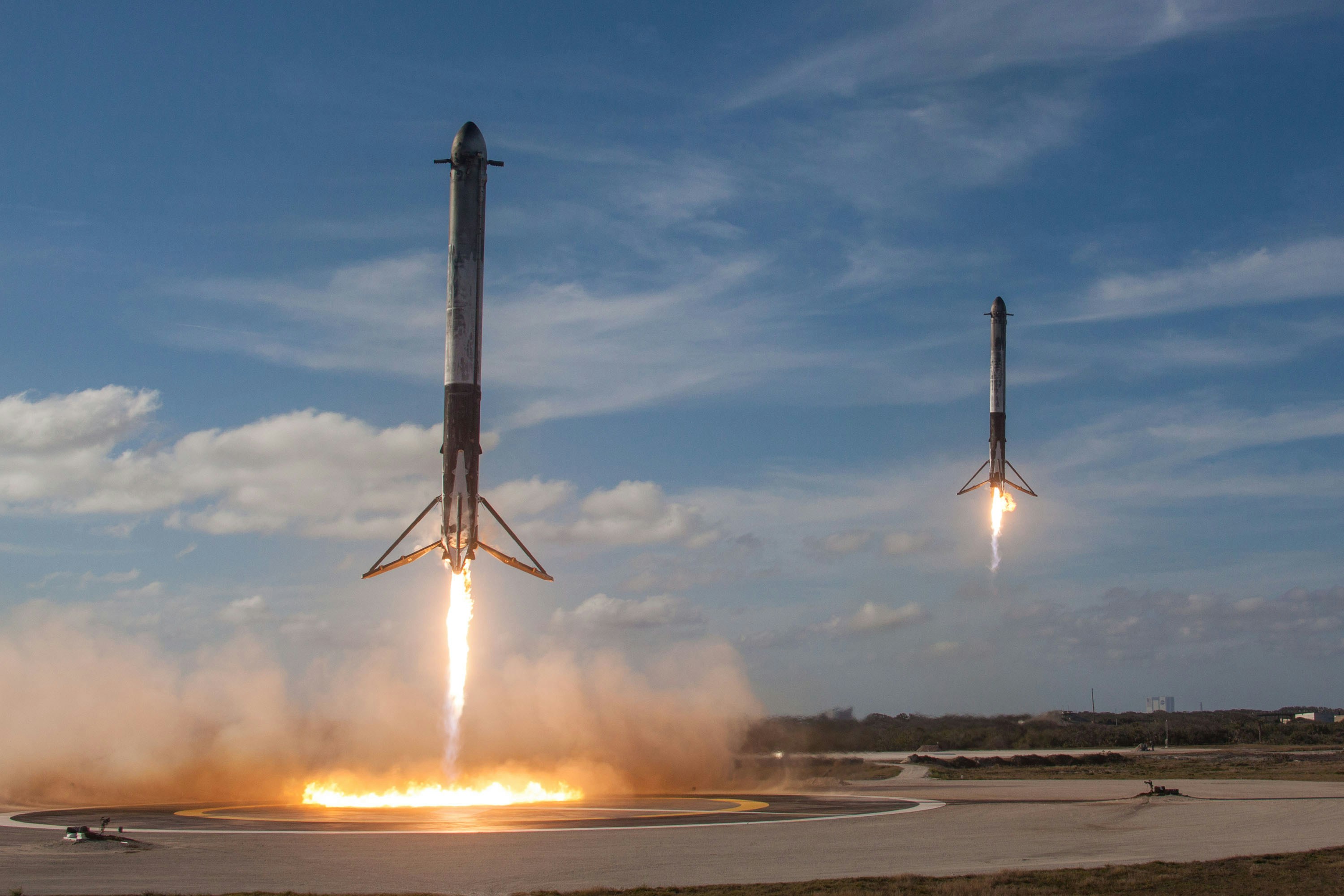
SpaceX successfully launched its ninth Starlink mission of the month, boosting broadband coverage with additional satellites deployed from both coasts. The latest missions underscore the company's commitment to expanding global internet access.
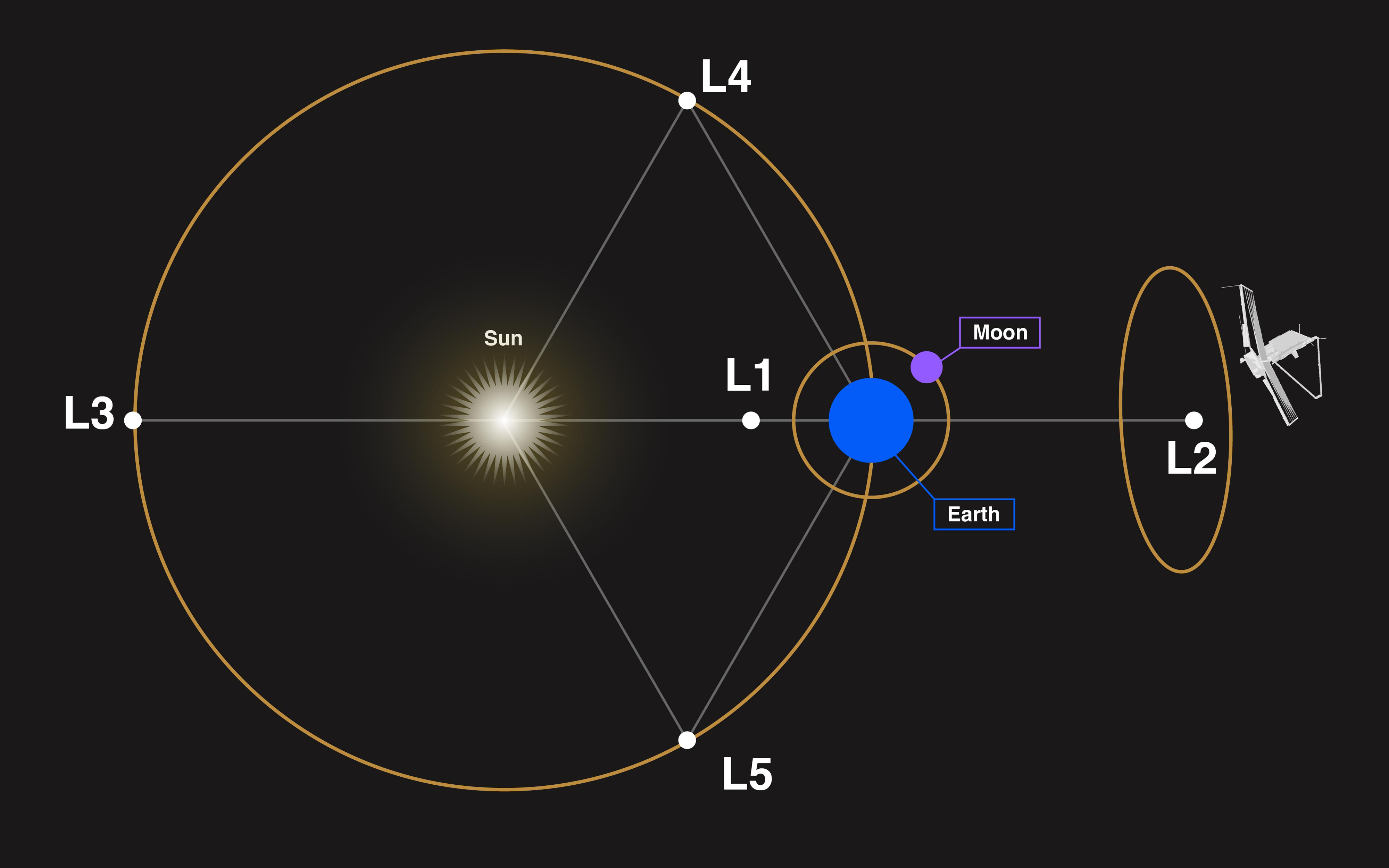
Five spots in the Earth-Sun system where the gravitational tug of two massive bodies and the pull of circular motion all cancel out, creating gravitational parking spaces where spacecraft can sit for decades with almost no fuel.
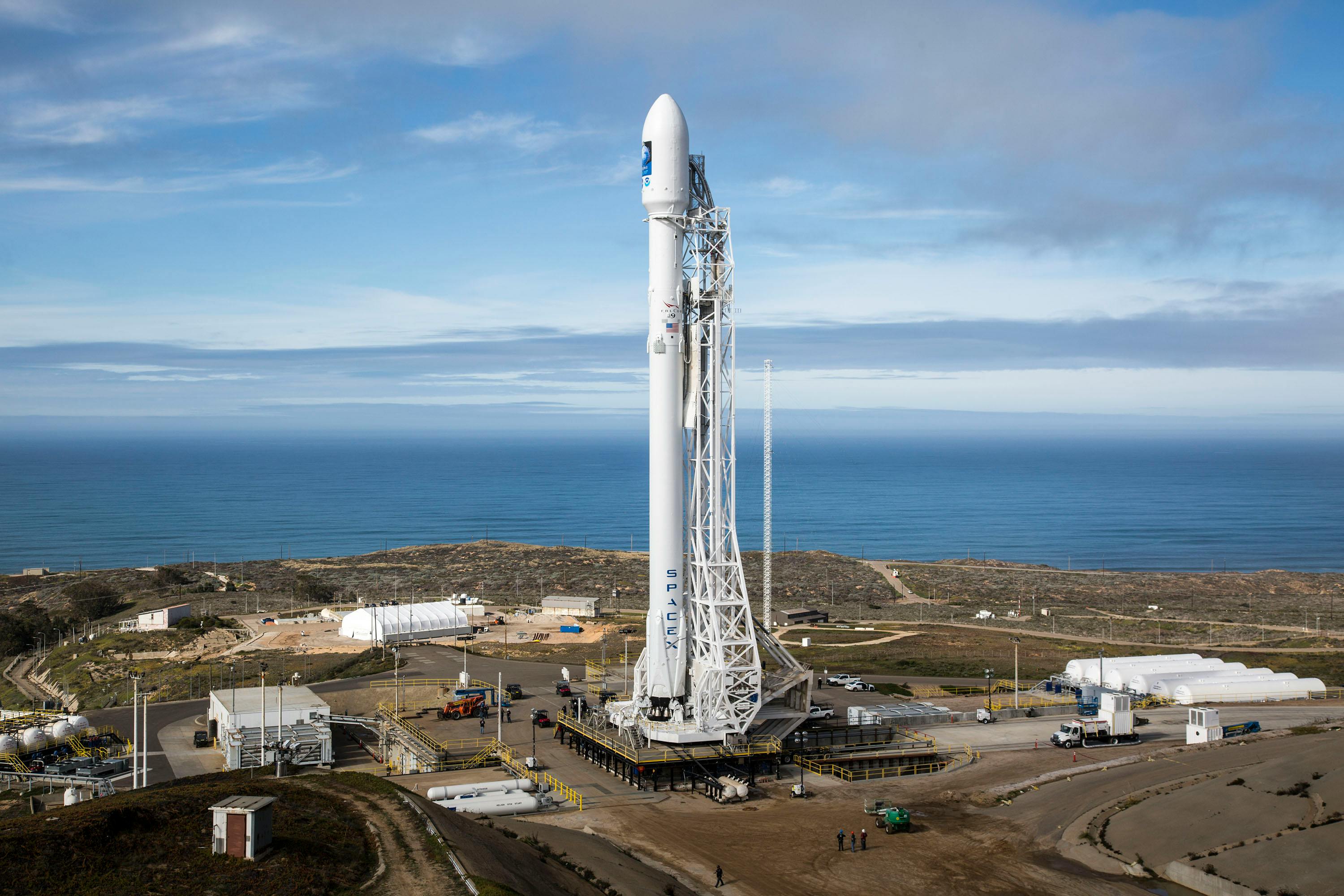
Anticipated NISAR launch now scheduled for March 2025; Rivada persists in broadband constellation quest despite setbacks; SpaceX scrubbed RRT-1 launch holds mystery.

Space Force awards $54.5M to Starfish Space for GEO satellite servicing vehicle. Artemis II heads to launch pad for first crewed Moon flyby in 54 years. Crew-12 confirmed.