SPITZER (SIRTF) (27871)

COSPAR: 2003-038A | Alt Name: Spitzer Space Telescope

Image
SPITZER (SIRTF) Satellite Image
Additional Sources
Launch Details

Launch Date

August 25, 2003

Launch Pad

SLC17B

Launch Vehicle

Delta 7920H

Orbital Elements

NORAD ID

27871

International Designator

2003-038A

Epoch

Tue, 26 Aug 2003 05:42:54 GMT

Apogee

Calculating...

Perigee

Calculating...

Inclination

31.50°

Right Ascension

218.62°

Eccentricity

Calculating...

Argument of Perigee

291.80°

Period

87.74 min

Mean Motion

16.41 rev/day

Latitude

Calculating...

Longitude

Calculating...

Altitude

Calculating...

Velocity

Calculating...

Polar Plot
3D Visualization
Basic Satellite Info

Name

SPITZER (SIRTF)

Alternative Name

Spitzer Space Telescope

Type

Payload

Status

Non-operational

Owner

JPL

Country

United States

Constellation

N/A

Related Satellites

Major Events

N/A

Latest TLEs
1 27871U 03038A   03237.23812767 +.00001051 -33233-5 +00000-0 0  9997
2 27871 031.5001 218.6248 0000281 291.7986 199.5315 16.41232779000006

Source: Celestrak

Summary
SPITZER (SIRTF), also known as the Spitzer Space Telescope, is an astronomy satellite specialized in infrared observation. It was launched on August 25, 2003, from Air Force Eastern Test Range at SLC17B using a Delta 7920H launch vehicle by JPL. The spacecraft has dimensions of 4.5 meters in length and span with a diameter of 2.1 meters and a dry mass of 851 kilograms. It was equipped with solar cells and batteries for power and had a cylindrical shape. Launched at a mass of 916 kg, the satellite completed its mission achieving a lifetime of 16 years in space. The payload includes SIRTF equipment manufactured by LMMS.
Physical Characteristics

Length

4.5

Diameter

2.1

Span

4.5

Dry Mass

851

Launch Mass

916

Shape

Cyl

Radar Cross Section

15

Visual Magnitude

Unknown

Color

Unknown

Material Composition

Unknown

Technical Details

Payload

SIRTF

Purpose

Astronomy, Infra-Red

Mission

Astronomy, Infra-Red

Manufacturer

LMMS

Life Expectancy

+16 years (achieved)

Bus

SIRTF

Configuration

Unknown

Motor

Unknown

Equipment

see above

Power System

Solar cells, batteries

ADCS

Unknown

Transmitter Frequency

Unknown

Map
This tool will help you track the satellite's position and predict its upcoming passes over your location. Simply input the coordinates or click the geolocation button to get started.
Next Pass
Azimuth Elevation Time (Local)
Start Azimuth
Max Elevation
Stop Azimuth
Time Until
Pass Duration

Satellite Articles

View All Posts »

Learn more about satellites and other related topics.

X Report 8 Aug 2025

X Report 8 Aug 2025

SpaceX celebrates its 100th launch of the year with a Falcon 9 mission carrying Amazon's Project Kuiper satellites, while Crew-10 prepares for its return from the ISS and the company expands its interplanetary ambitions with new Mars partnerships.
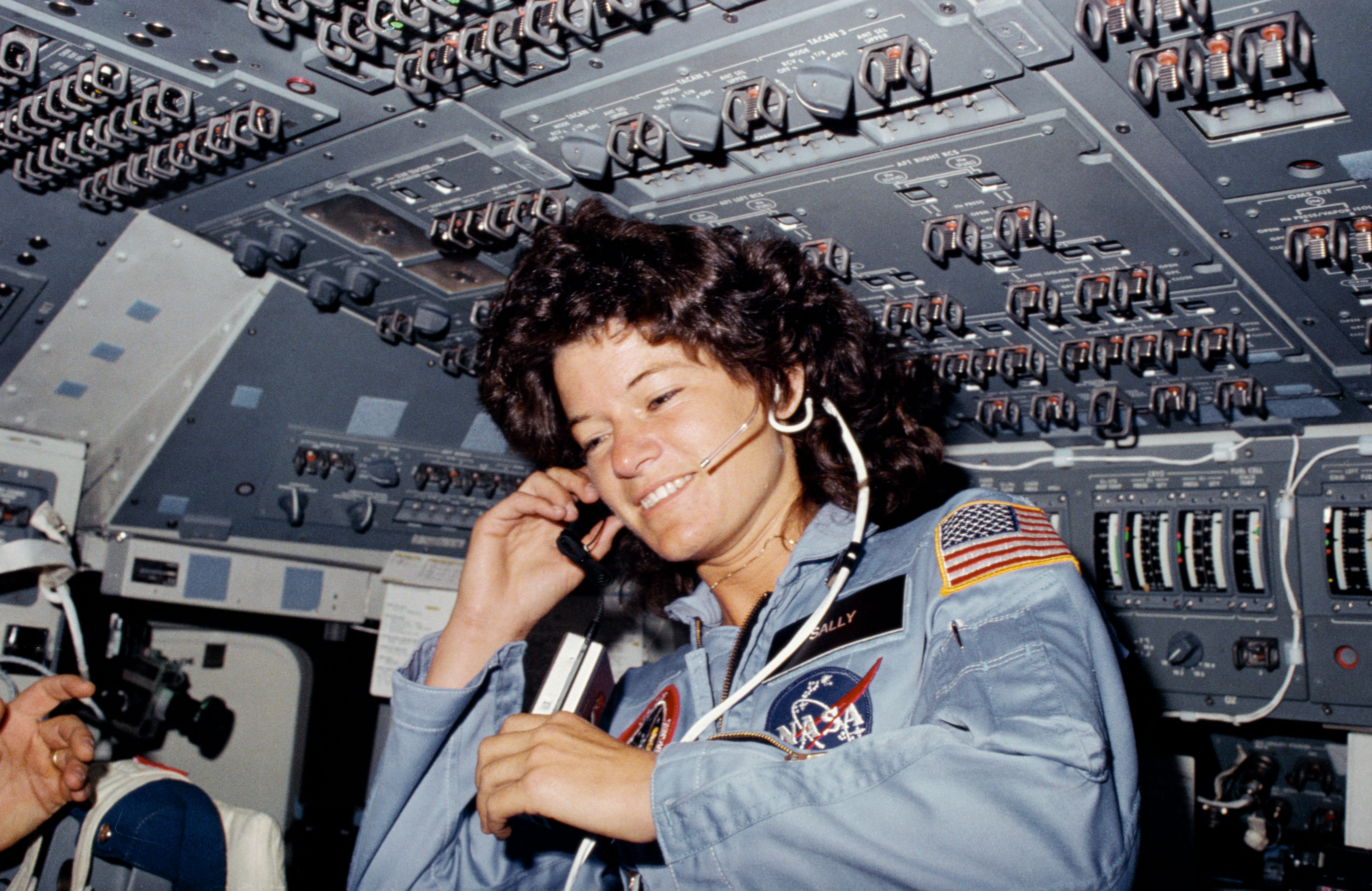
Sally Ride and the Twenty Years It Took America to Catch Up

Sally Ride and the Twenty Years It Took America to Catch Up

At 7:33 on the morning of 18 June 1983, a 32-year-old astrophysicist named Sally Ride rode Challenger off Pad 39A and became the first American woman in space. She got there two decades after the Soviets, and only after months of being asked whether spaceflight would damage her reproductive organs and whether she planned to cry.

Starship Flight 13 to Deploy First Starlink V3 Sats | KeepTrack X Report

Starship Flight 13 to Deploy First Starlink V3 Sats | KeepTrack X Report

Starship Flight 13 launches first Starlink V3 satellites as SpaceX nears 10,839 working satellites in orbit across the Starlink fleet.

X Report 27 Jun 2025

X Report 27 Jun 2025

SpaceX successfully launched 27 Starlink satellites while facing new competition for its satellite programs, including potential alternatives for the Space Force.

Mega-Constellations Are Set to Flood Earth's Orbit

Mega-Constellations Are Set to Flood Earth's Orbit

We forecast how many satellites could be in orbit by 2030 and what capabilities we can expect.

Space Brief 11 Sep 2025

Space Brief 11 Sep 2025

Key updates today focus on SpaceX's latest satellite launch for the U.S. military, critical space resource assessments by the U.S. Space Force, and new developments in space infrastructure and equipment for defense operations.

Van Allen Probe A Reenters After 14 Years; NASA Designates Starliner Type A Mishap | KeepTrack Space Brief

Van Allen Probe A Reenters After 14 Years; NASA Designates Starliner Type A Mishap | KeepTrack Space Brief

NASA's 590 kg Van Allen Probe A reentered March 10 after 14 years studying Earth's radiation belts. Meanwhile, Boeing Starliner classified as Type A mishap after leaving astronauts stranded on ISS.

X Report 6 Dec 2024

X Report 6 Dec 2024

SpaceX achieves a milestone with its 350th successful mission, including a significant Starlink launch, while Starship advances in testing. Meanwhile, SpaceX boosts SiriusXM's satellite fleet and industry competitors make strides.