


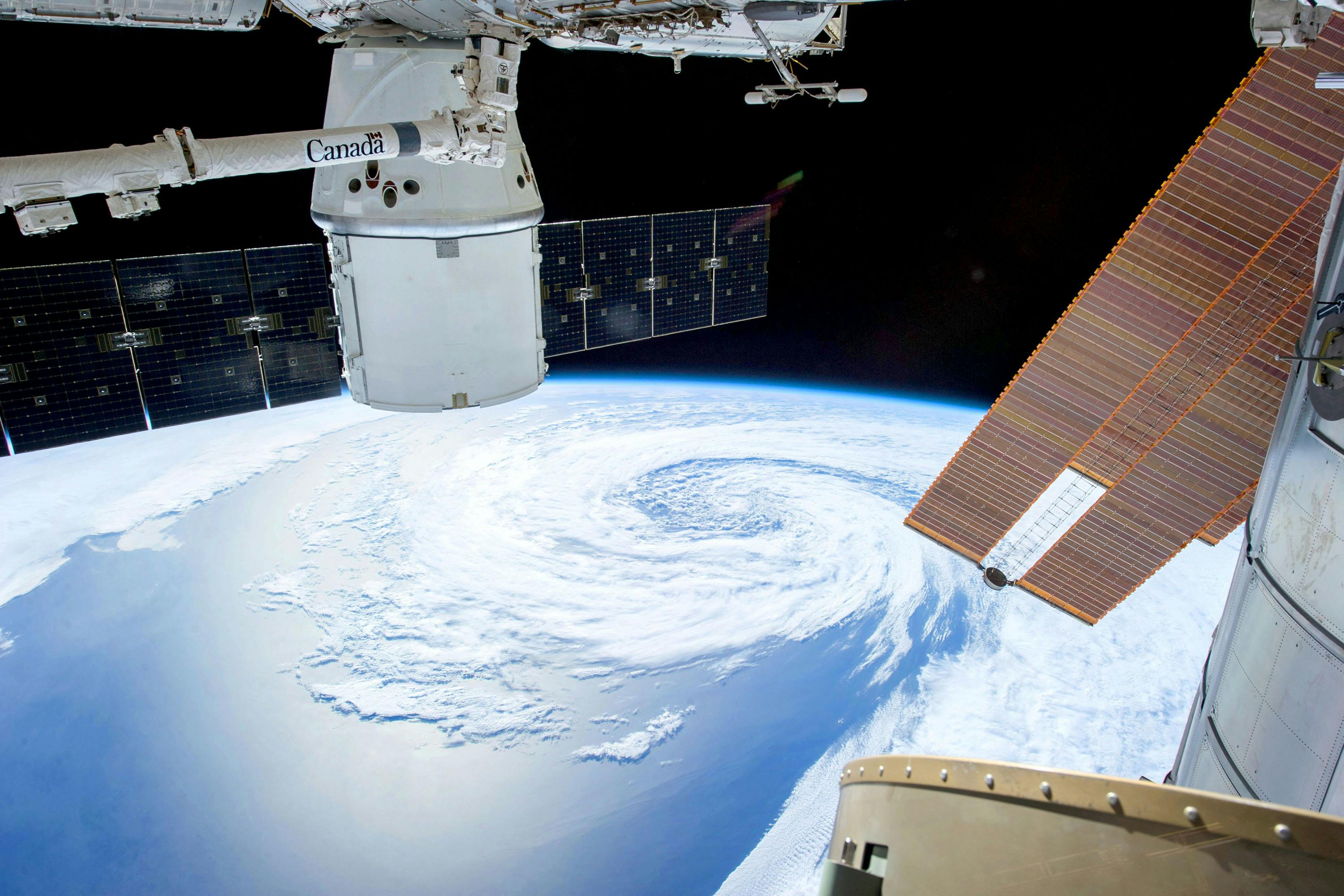
Starship V3 Targets April 2026 Debut, X Report 20 Mar 2026
Starship V3 targets an April 2026 debut, the ride for next-gen Starlink V3 satellites. Fleet stands at 10,062 working of 11,587 launched.


Launch Date
August 13, 2003
Launch Site
WRAS
Launch Pad
RW30/12
Launch Vehicle
Pegasus XL
NORAD ID
27858
International Designator
2003-036A
Epoch
Fri, 03 Jul 2026 20:06:28 GMT
Apogee
Calculating...
Perigee
Calculating...
Inclination
73.93°
Right Ascension
138.26°
Eccentricity
Calculating...
Argument of Perigee
208.03°
Period
97.20 min
Mean Motion
14.81 rev/day
Latitude
Calculating...
Longitude
Calculating...
Altitude
Calculating...
Velocity
Calculating...
Name
SCISAT 1
Alternative Name
SCISAT-1
Type
Status
Owner
CSA
Country
Canada
Constellation
N/A
Related Satellites
Major Events
N/A
1 27858U 03036A 26184.83783469 .00000773 00000-0 10324-3 0 9991
2 27858 73.9296 138.2602 0007939 208.0287 152.0464 14.81467693233914
Source: Celestrak
Length
0.6
Diameter
1.1
Span
1.1
Dry Mass
150
Launch Mass
150
Shape
Cyl
Radar Cross Section
0.6788
Visual Magnitude
Unknown
Color
Unknown
Material Composition
Unknown
Payload
SCISAT-1
Purpose
Atmospheric science
Mission
Atmospheric science
Manufacturer
BRIS
Life Expectancy
2 years
Bus
MAC-100
Configuration
Spin stabilized sun pointing
Motor
?
Equipment
ACE-FTS, MAESTRO
Power System
Solar cells, batteries
ADCS
Unknown
Transmitter Frequency
Unknown
Learn more about satellites and other related topics.
Starship V3 targets an April 2026 debut, the ride for next-gen Starlink V3 satellites. Fleet stands at 10,062 working of 11,587 launched.
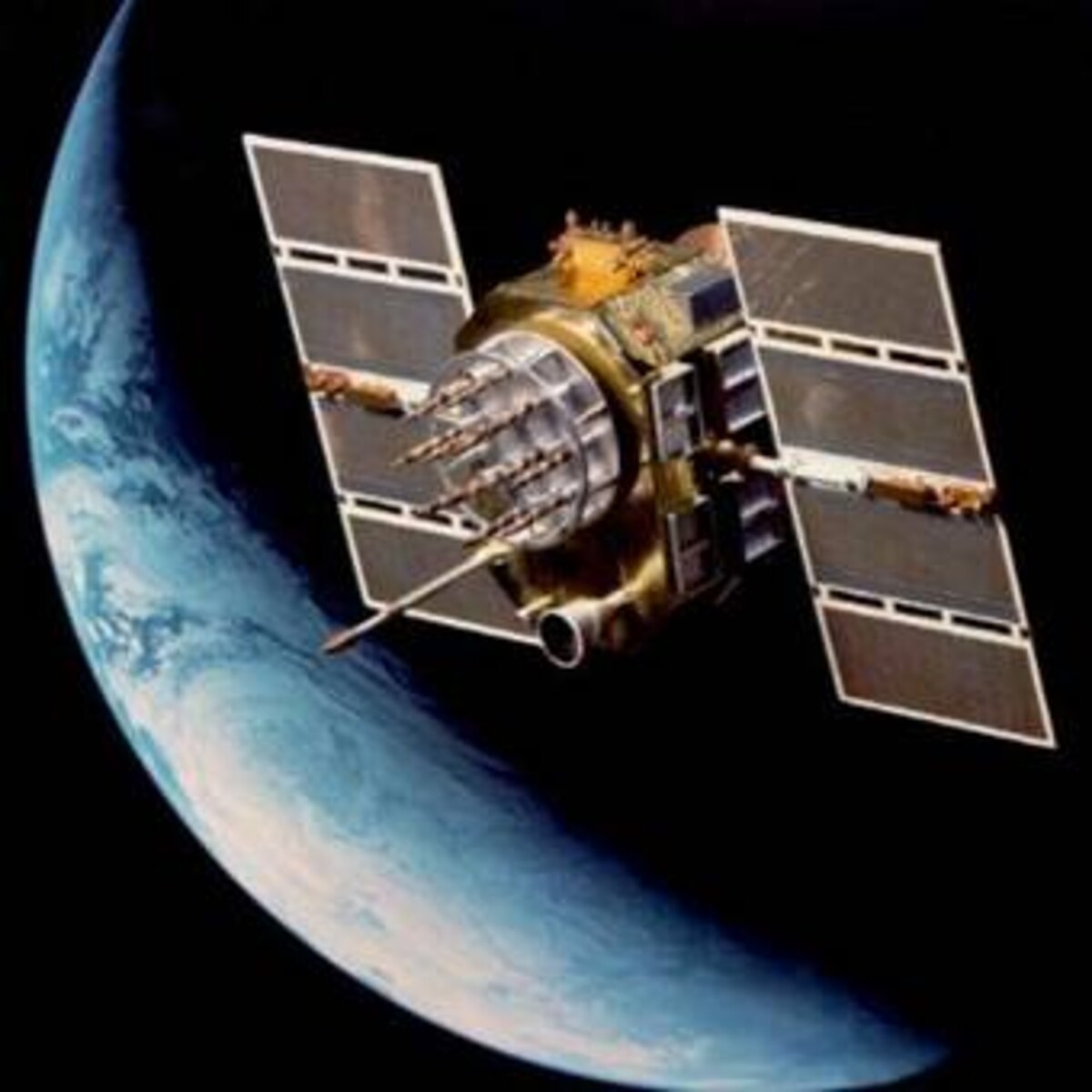
Forty-seven years ago, an Atlas rocket carried the first GPS satellite into orbit, launching a revolution in navigation that would transform daily life across the globe
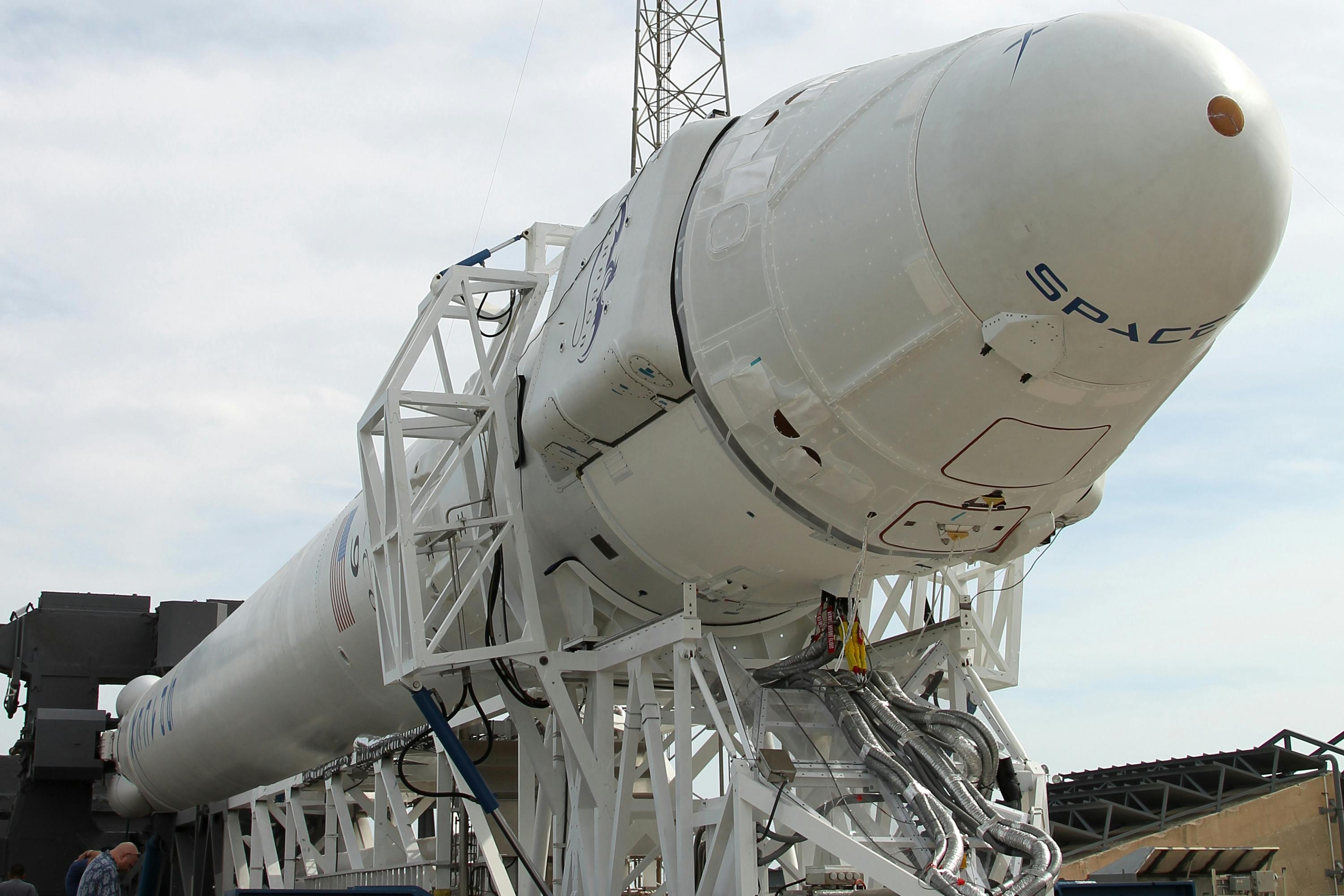
SpaceX's 13th NRO proliferated-arch mission lifted off May 11 as Starlink shuts its GPS-rival feature ahead of a looming IPO.

Starlink restrictions reportedly hit Moscow's drone coordination and frontline comms. SpaceX and xAI enter Pentagon's $100M drone contest. Sentinel ICBM to clear key review this year.

CENTCOM confirms first-ever combat use of PrSM against Iranian targets. Space Force VP calls for aggressive end strength growth. Artemis II boosters on pad.
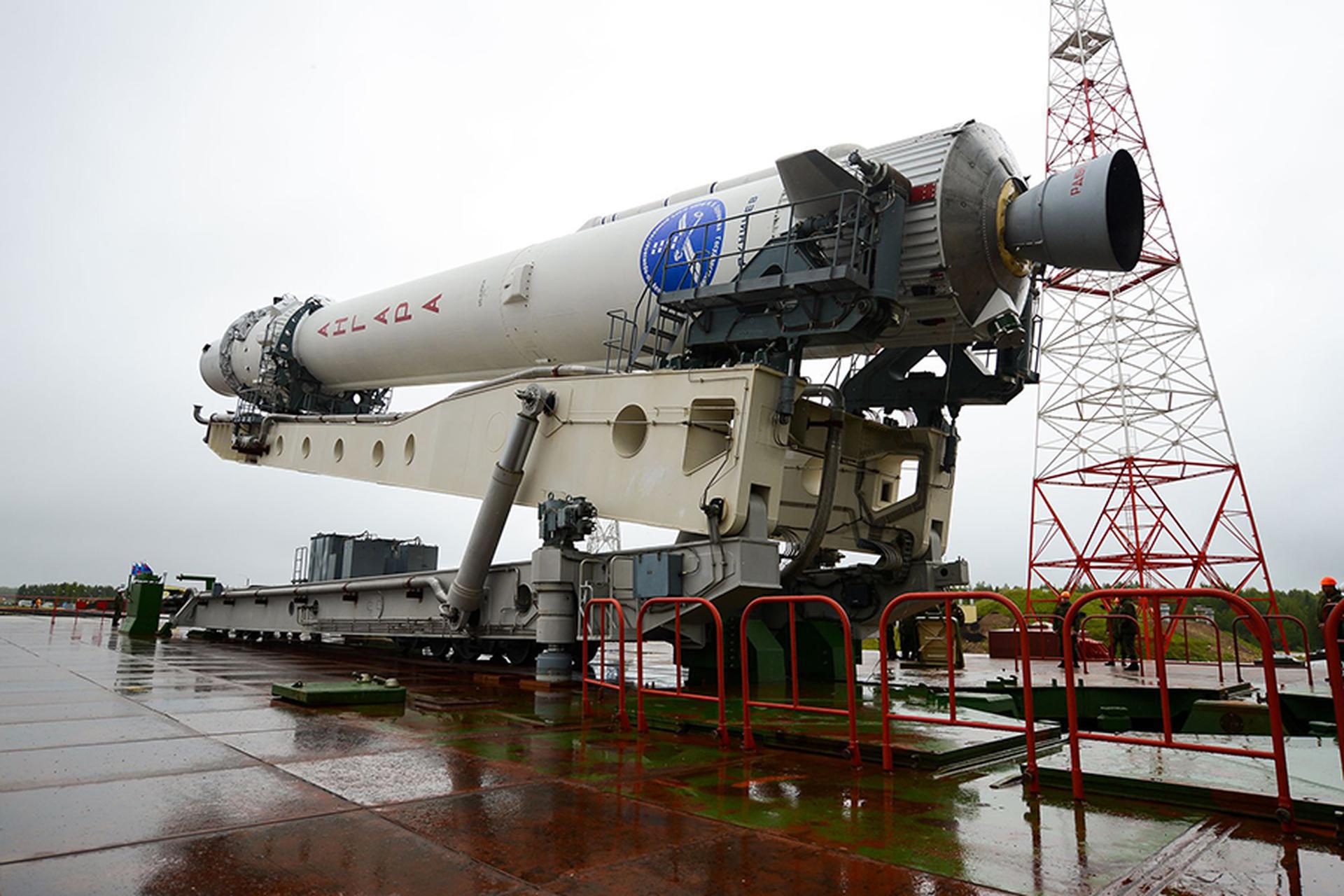
Today's highlights include SpaceX's record-breaking Falcon 9 launches, Dream Chaser's testing success, and Blue Origin's latest New Glenn achievements.
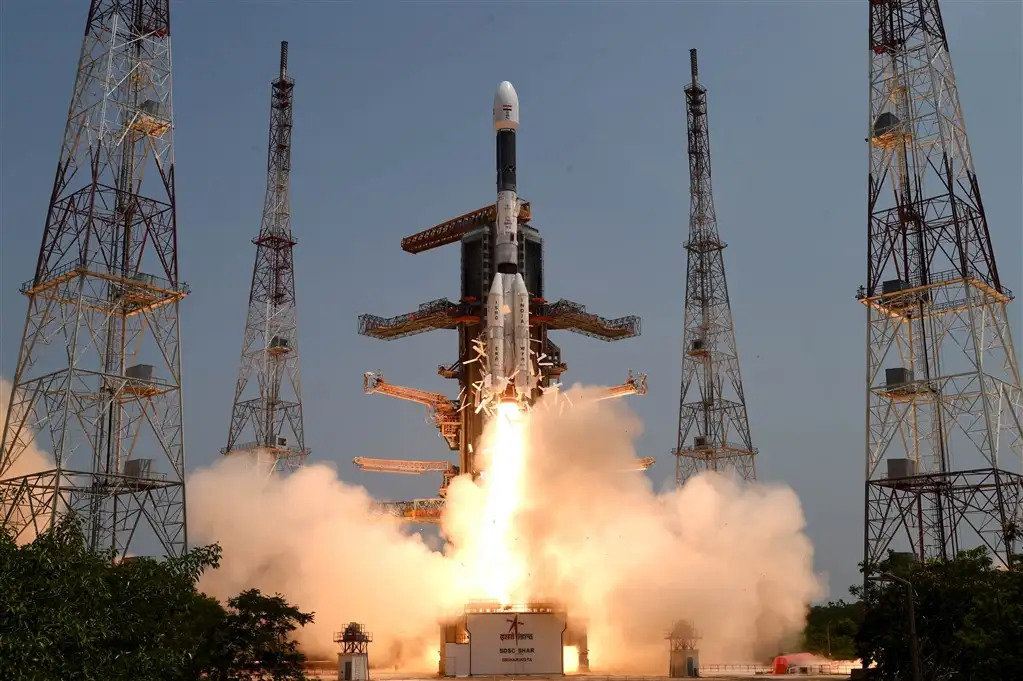
Focus on Varda's second mission launch, new U.S. Defense Department tool for satellite anomaly investigation, and a detailed Satellite Spotlight on CELESTIS 21/Varisat 1C.

The Kessler Syndrome threatens humanity's future in space as cascading satellite collisions create exponential debris growth. With 36,000+ tracked objects and recent incidents accelerating risks, we face a critical juncture: implement solutions now or potentially lose access to low Earth orbit forever.