


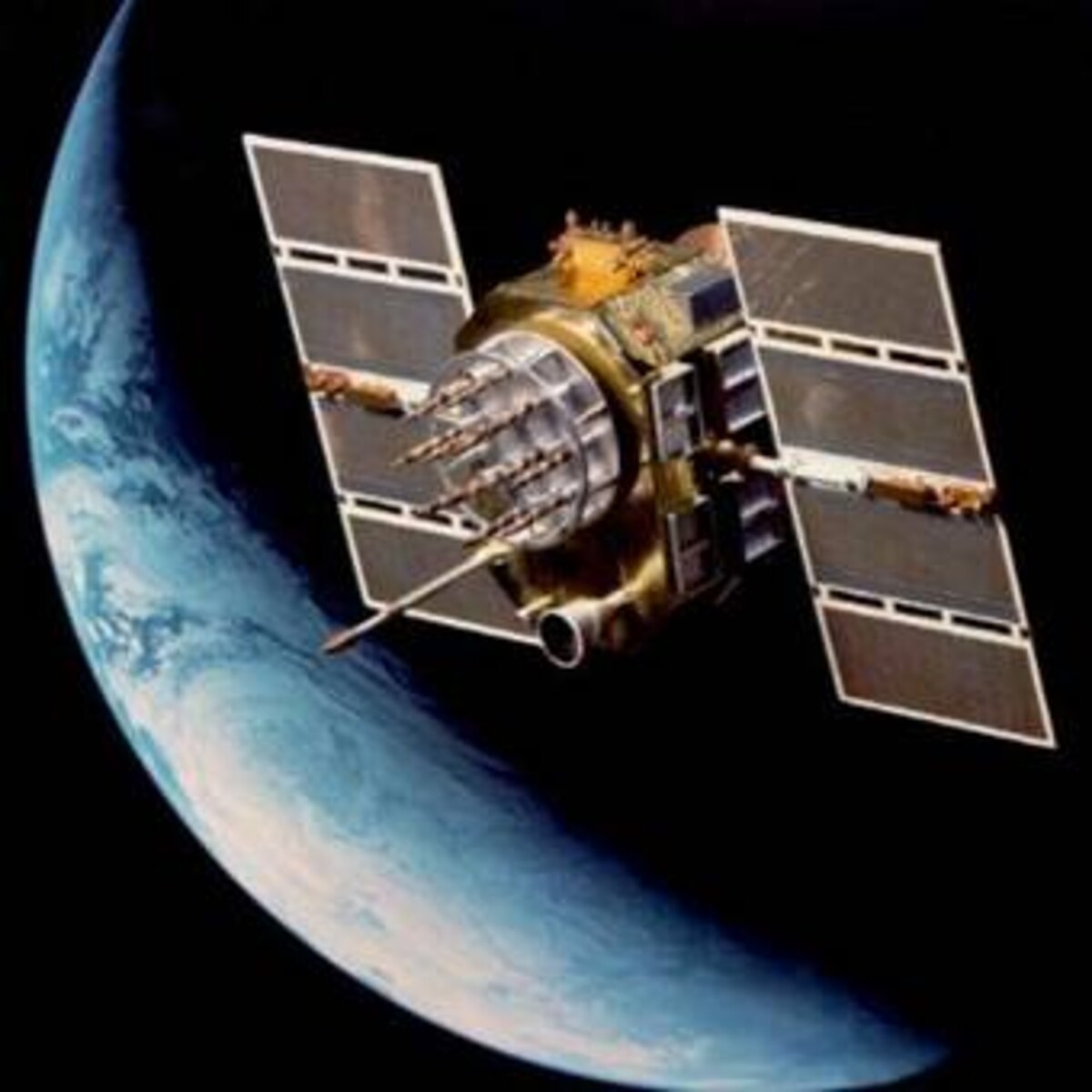
The Day That Changed How We Navigate Forever
Forty-seven years ago, an Atlas rocket carried the first GPS satellite into orbit, launching a revolution in navigation that would transform daily life across the globe


Launch Date
June 30, 2003
Launch Site
PLMSC
Launch Pad
LC133/3
Launch Vehicle
Rokot
NORAD ID
27845
International Designator
2003-031F
Epoch
Sat, 04 Jul 2026 00:17:07 GMT
Apogee
Calculating...
Perigee
Calculating...
Inclination
98.66°
Right Ascension
193.59°
Eccentricity
Calculating...
Argument of Perigee
147.22°
Period
101.06 min
Mean Motion
14.25 rev/day
Latitude
Calculating...
Longitude
Calculating...
Altitude
Calculating...
Velocity
Calculating...
Name
QUAKESAT
Alternative Name
QuakeSat
Type
Status
Owner
QUAFI
Country
United States
Constellation
N/A
Related Satellites
Major Events
N/A
1 27845U 03031F 26185.01188787 .00000439 00000-0 20647-3 0 9993
2 27845 98.6627 193.5934 0009230 147.2166 212.9588 14.24962685194007
Source: Celestrak
Length
0.3
Diameter
0.1
Span
0.6
Dry Mass
4
Launch Mass
4
Shape
Box + Ant
Radar Cross Section
0.2138
Visual Magnitude
Unknown
Color
Unknown
Material Composition
Unknown
Payload
QuakeSat
Purpose
Earth sciences
Mission
Earth sciences
Manufacturer
STAN
Life Expectancy
1 year (planned), 1.5 years (achieved)
Bus
Cubesat 3U
Configuration
CubeSat (triple)
Motor
None
Equipment
single axis, search coil type magnetometer
Power System
4 deployable fixed solar arrays, solar cells, batteries
ADCS
Unknown
Transmitter Frequency
Unknown
Learn more about satellites and other related topics.
Forty-seven years ago, an Atlas rocket carried the first GPS satellite into orbit, launching a revolution in navigation that would transform daily life across the globe
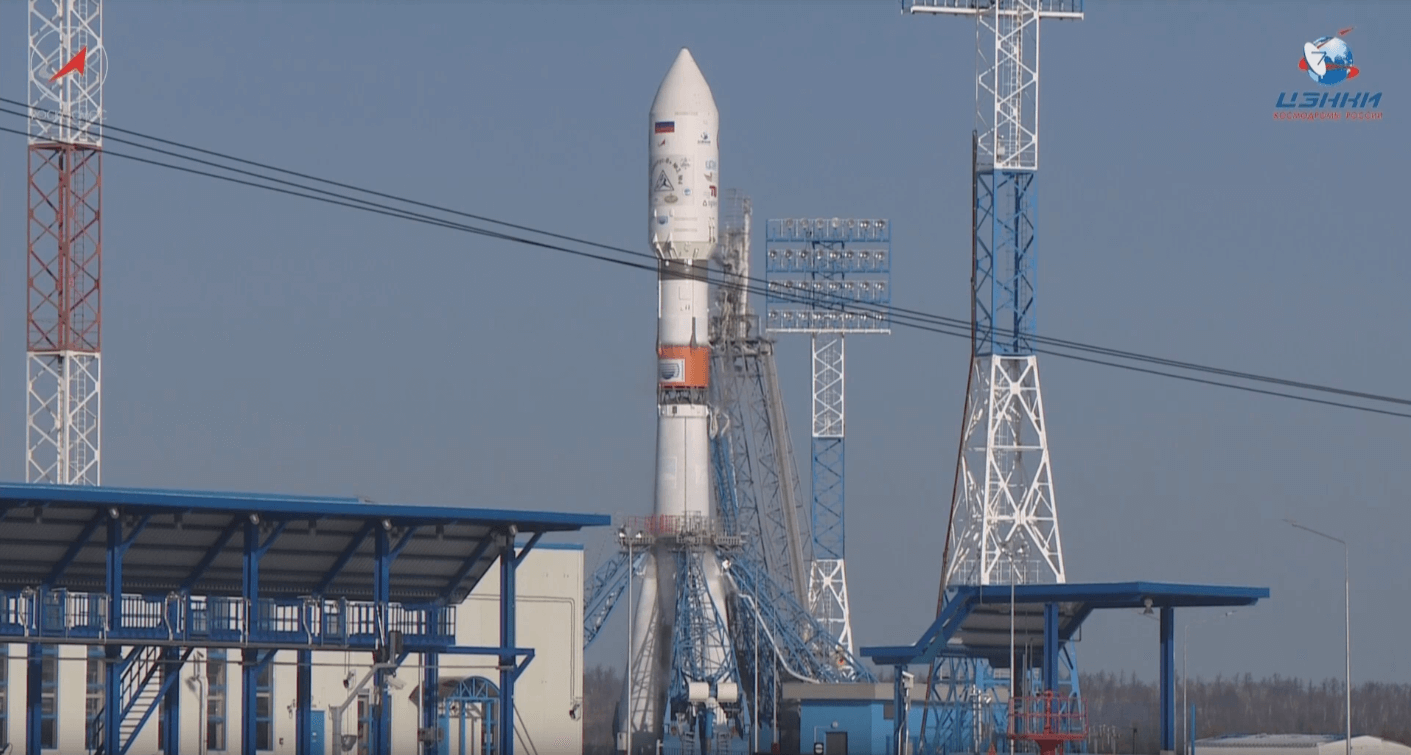
Today’s Space Brief covers the deployment of a new optical sensor for the Space Force, SpaceX's recent Starlink satellite launch, and significant investment in space cargo vehicles.
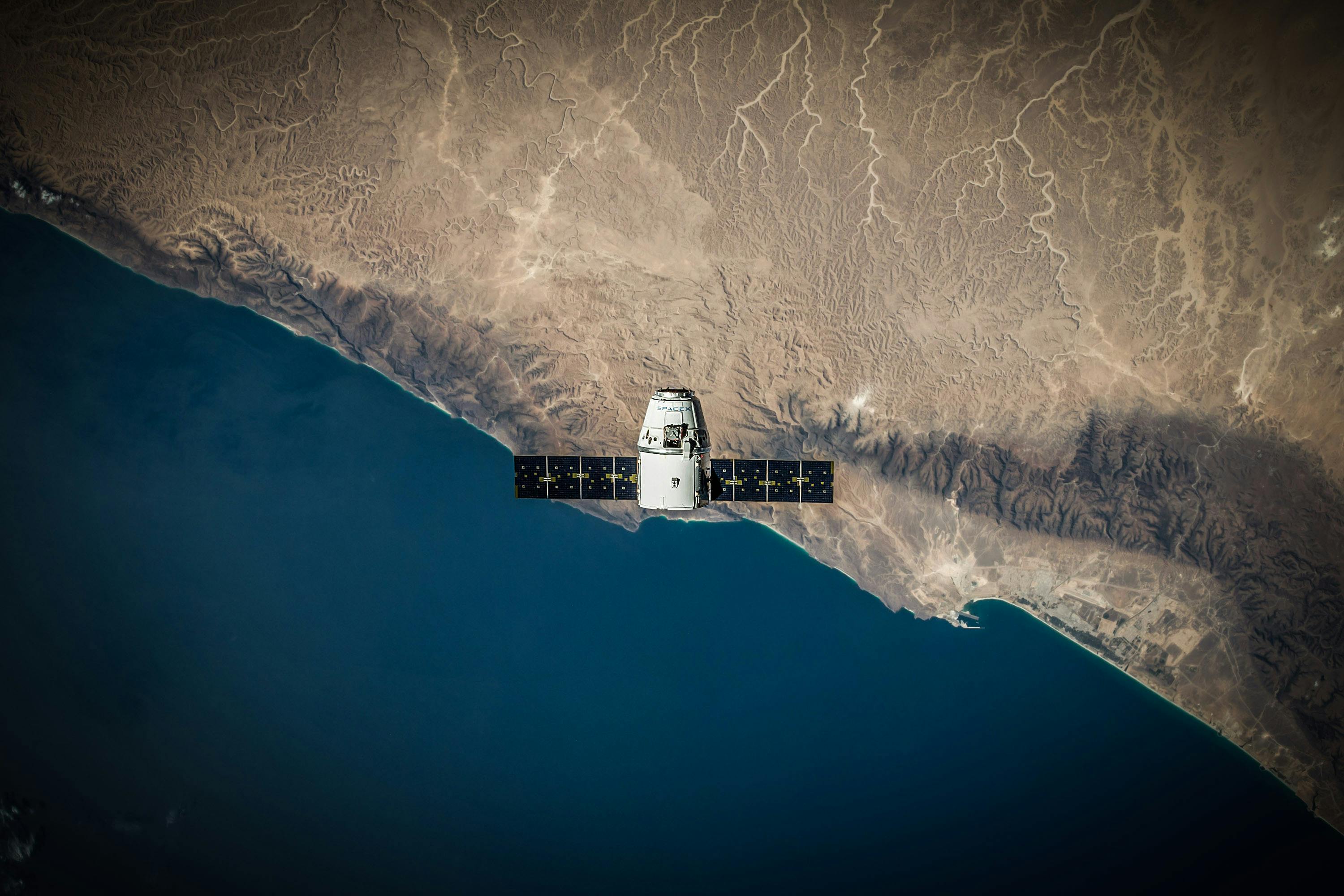
SpaceX ramps up Starship preparations in Florida while California prepares for another Starlink launch.

SpaceX launches dual lunar landers while Starship Flight 7 faces weather delay.
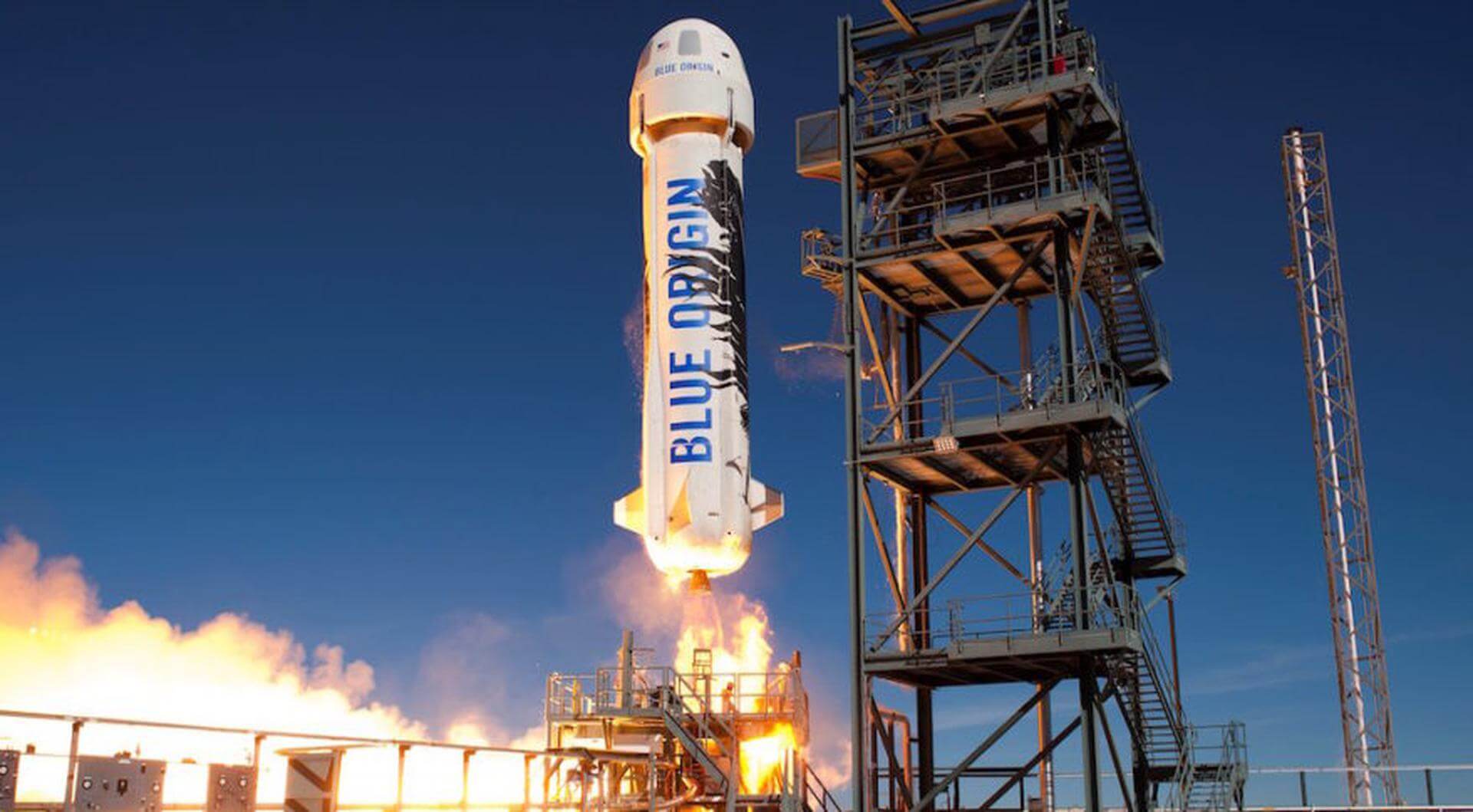
Today's brief covers significant space events, including milestone national security certifications for ULA Vulcan and Rocket Lab, SpaceX's groundbreaking polar orbit mission, and a failed launch attempt by Isar Aerospace.

SpaceX successfully launched Northrop Grumman's new Cygnus XL cargo spacecraft to the ISS, marking a significant advancement in cargo delivery capabilities.

From Apollo's darkest days to humanity's first transmission from Venus, we spent 2025 remembering the missions that made modern spaceflight possible. Here's what we covered - and why we're committed to keeping this series going.

SpaceX claims a 2nd GPS III launch as ULA's Vulcan investigation stalls, while ESA charters a Crew Dragon ISS mission and Starlink hits 30 launches in 2026.