


Space Brief 17 Jun 2025
Today's space brief covers key developments in satellite monitoring, U.K. defense contracts, and critical licensing reforms supporting national security.


Launch Date
June 19, 2003
Launch Site
PLMSC
Launch Pad
LC16/2
Launch Vehicle
Molniya 8K78M
NORAD ID
27834
International Designator
2003-029A
Decay Date
6/15/2013
Name
MOLNIYA 3-53
Alternative Name
Molniya-3
Type
Status
Owner
KVR/KS
Country
Russia
Constellation
N/A
Related Satellites
Major Events
N/A
Length
4.4
Diameter
1.4
Span
8.6
Dry Mass
1700
Launch Mass
1780
Shape
Cyl + 6 Pan
Radar Cross Section
11.1383
Visual Magnitude
Unknown
Color
Unknown
Material Composition
Unknown
Payload
Molniya-3 No. 65L
Purpose
Communication
Mission
Communication
Manufacturer
NPOPMR
Life Expectancy
3 years
Bus
Molniya-3
Configuration
KAUR-2
Motor
11D414
Equipment
Unknown
Power System
6 deployable solar arrays (1000 W), batteries
ADCS
Unknown
Transmitter Frequency
Unknown
Learn more about satellites and other related topics.
Today's space brief covers key developments in satellite monitoring, U.K. defense contracts, and critical licensing reforms supporting national security.

Vandenberg Space Force Base opens a new launch site that may accommodate SpaceX's Starship. Meanwhile, Starlink continues to expand its service capabilities.
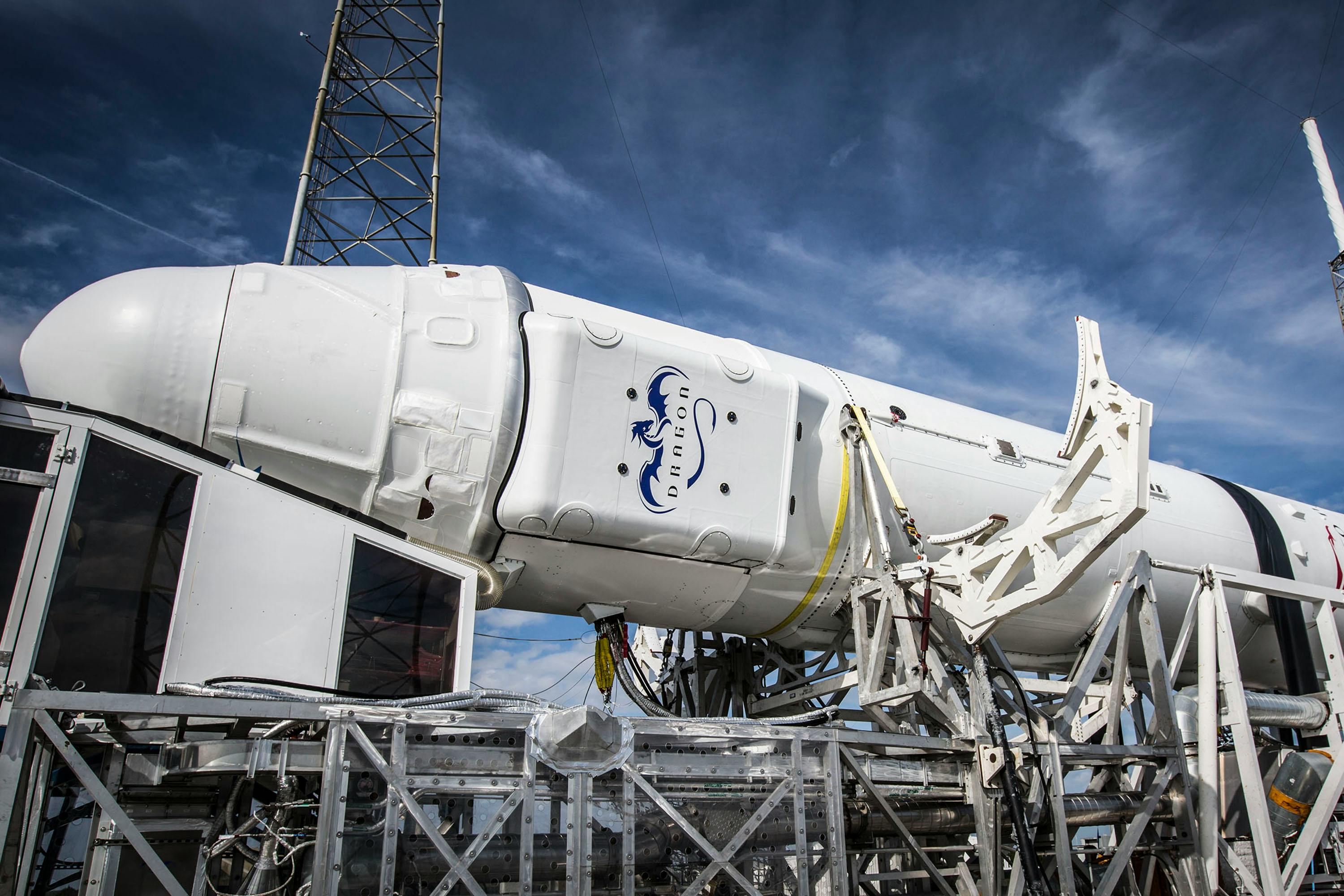
SpaceX successfully launches GPS satellite for Space Force — third consecutive GPS mission switched from ULA. EBAD demonstrates payload release module on Falcon 9 rideshare mission.
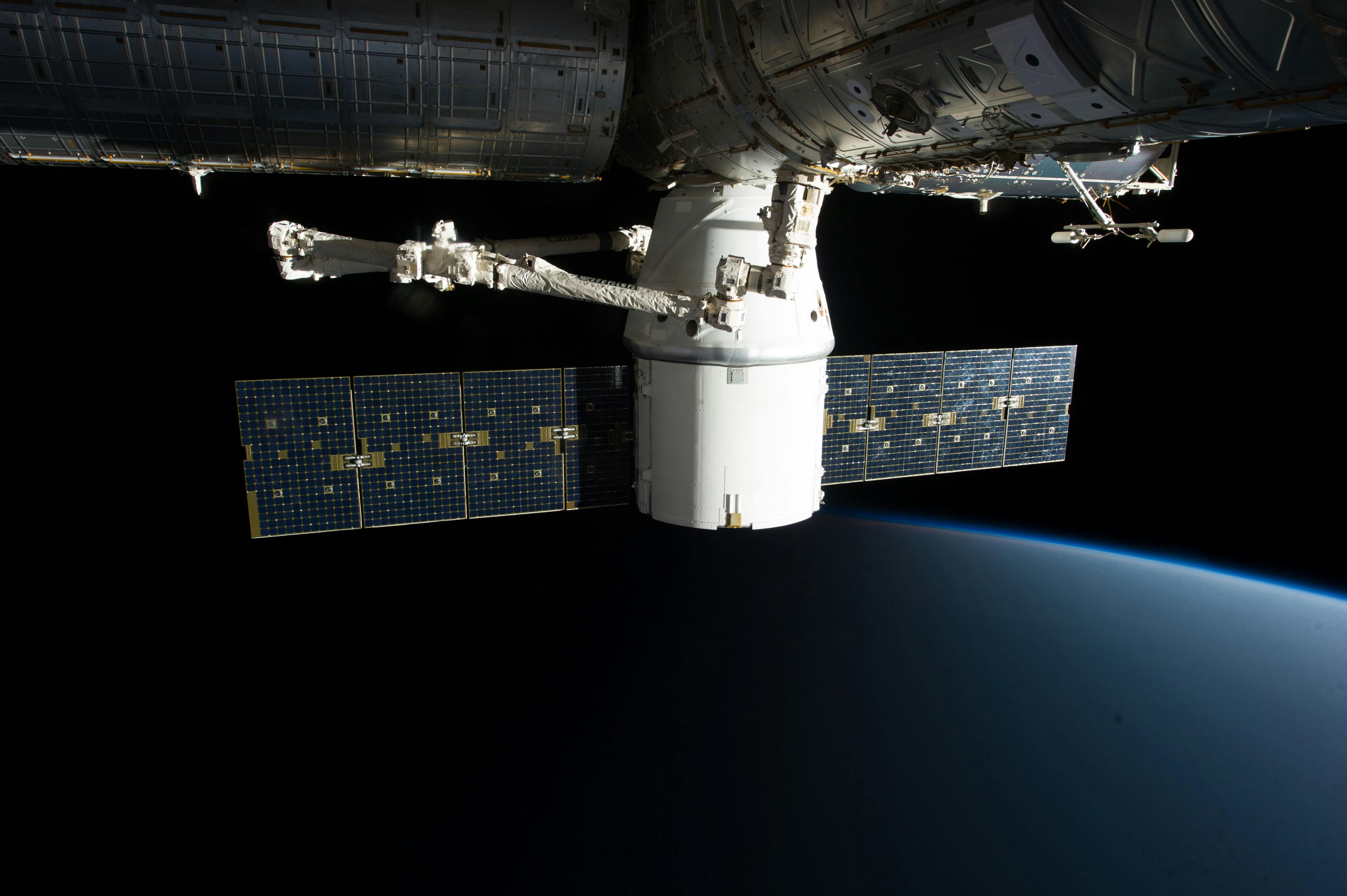
SpaceX Crew-12 mission set to launch astronauts to ISS on Feb 13. Starlink gains another airline partner for in-flight internet. Musk tops Forbes' 250 Greatest Innovators list.
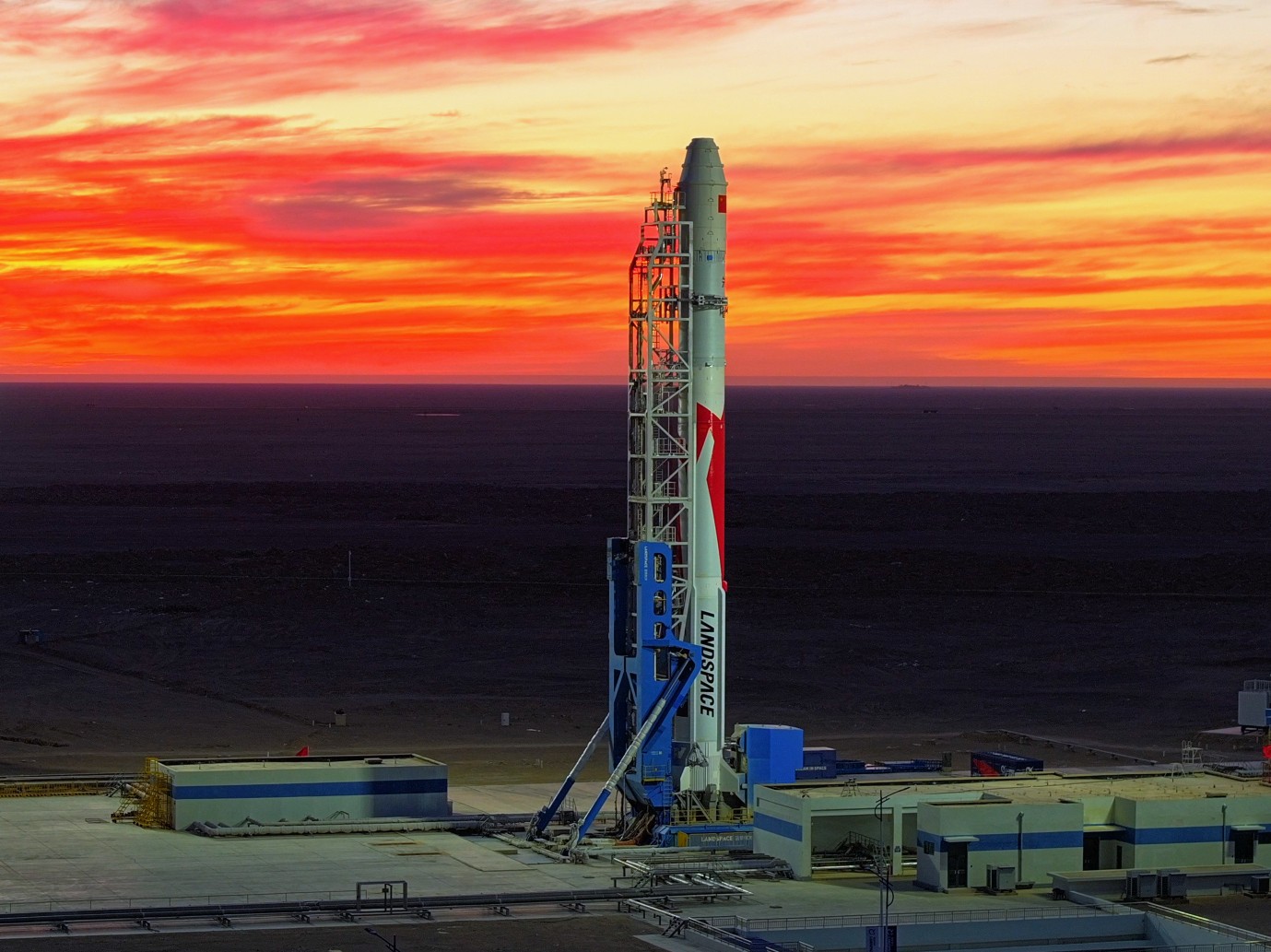
Today's brief covers Rocket Lab's Neutron being selected for military tests, Space Force's strategic updates, Germany's SAR satellite plans, and a significant NASA nomination.

Starlink restrictions reportedly hit Moscow's drone coordination and frontline comms. SpaceX and xAI enter Pentagon's $100M drone contest. Sentinel ICBM to clear key review this year.
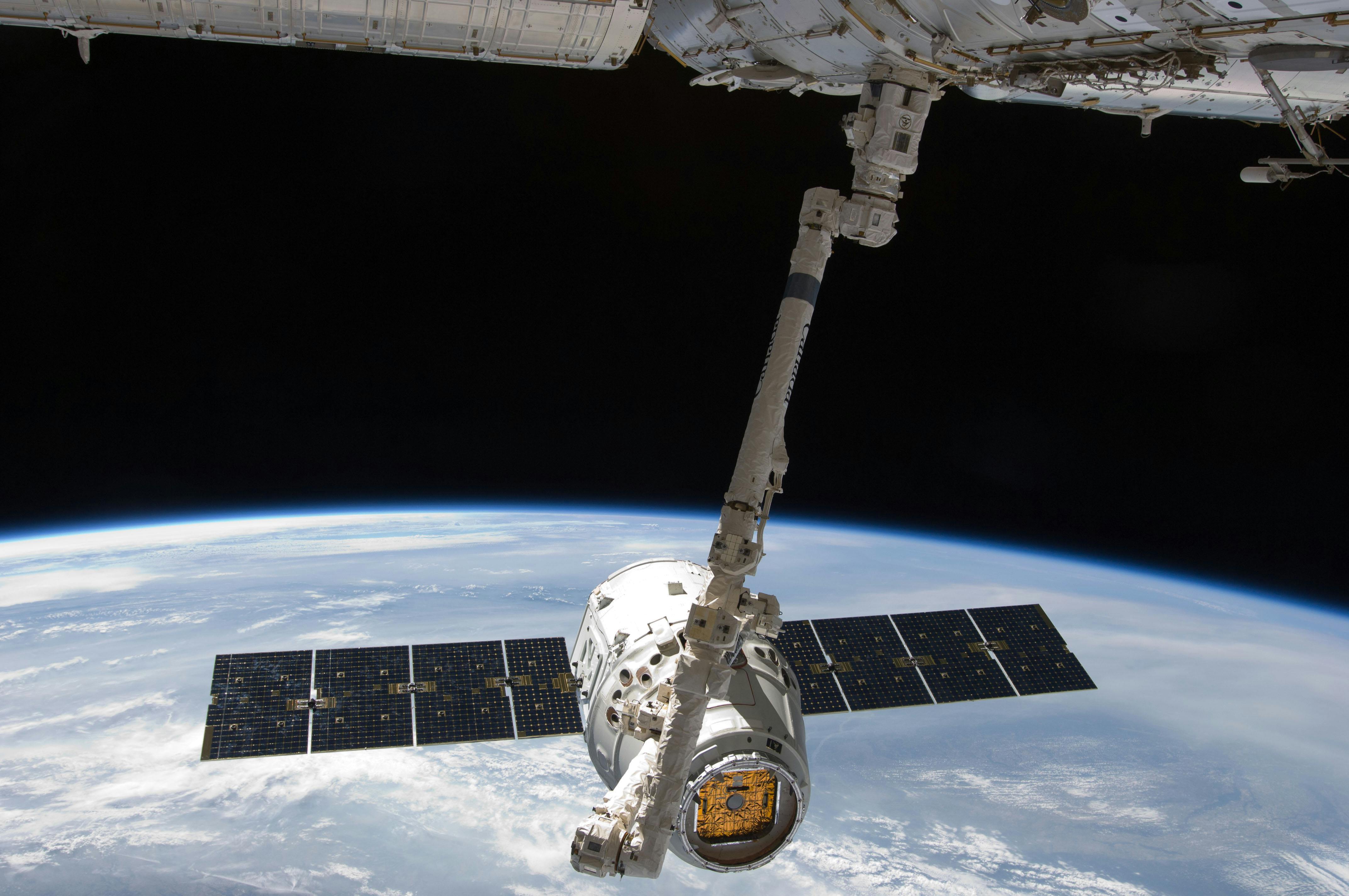
SpaceX shares jumped nearly 20% in its historic public debut, valuing the company partly on Starlink's AI infrastructure potential with 10,636 satellites working.

Over 27,000 high-speed pieces of space junk now threaten vital satellites, requiring sophisticated tracking and urgent innovation of orbital debris removal methods like harpoons and nets.