


2nd Starlink Debris Event in 3 Months Raises Alarm | KeepTrack X Report
A second Starlink satellite has generated on-orbit debris in just over 3 months, threatening SpaceX's 10,151-satellite working constellation.


Launch Date
June 11, 2003
Launch Site
FRGUI
Launch Pad
ELA3
Launch Vehicle
Ariane 5G
NORAD ID
27830
International Designator
2003-028A
Epoch
Sat, 04 Jul 2026 04:47:03 GMT
Apogee
Calculating...
Perigee
Calculating...
Inclination
10.22°
Right Ascension
51.87°
Eccentricity
Calculating...
Argument of Perigee
272.54°
Period
1451.63 min
Mean Motion
0.99 rev/day
Latitude
Calculating...
Longitude
Calculating...
Altitude
Calculating...
Velocity
Calculating...
Name
BSAT-2C
Alternative Name
BSAT-2c
Type
Status
Owner
BSAT
Country
Japan
Constellation
N/A
Related Satellites
Major Events
N/A
1 27830U 03028A 26185.19934463 .00000065 00000-0 00000-0 0 9995
2 27830 10.2206 51.8670 0005158 272.5381 274.2588 0.99198507 46821
Source: Celestrak
Length
3.8
Diameter
2.2
Span
11.5
Dry Mass
490
Launch Mass
608
Shape
Box + 2 Pan
Radar Cross Section
12.6191
Visual Magnitude
Unknown
Color
Unknown
Material Composition
Unknown
Payload
BSAT-2c
Purpose
Communication
Mission
Communication
Manufacturer
OSCD
Life Expectancy
10-years (fueled for over 11.5 years)
Bus
OSC Star 1
Configuration
Star-1
Motor
Star 30
Equipment
4 active high-power Ku-band transponders
Power System
2 deployable solar arrays, batteries
ADCS
Unknown
Transmitter Frequency
Unknown
Learn more about satellites and other related topics.
A second Starlink satellite has generated on-orbit debris in just over 3 months, threatening SpaceX's 10,151-satellite working constellation.
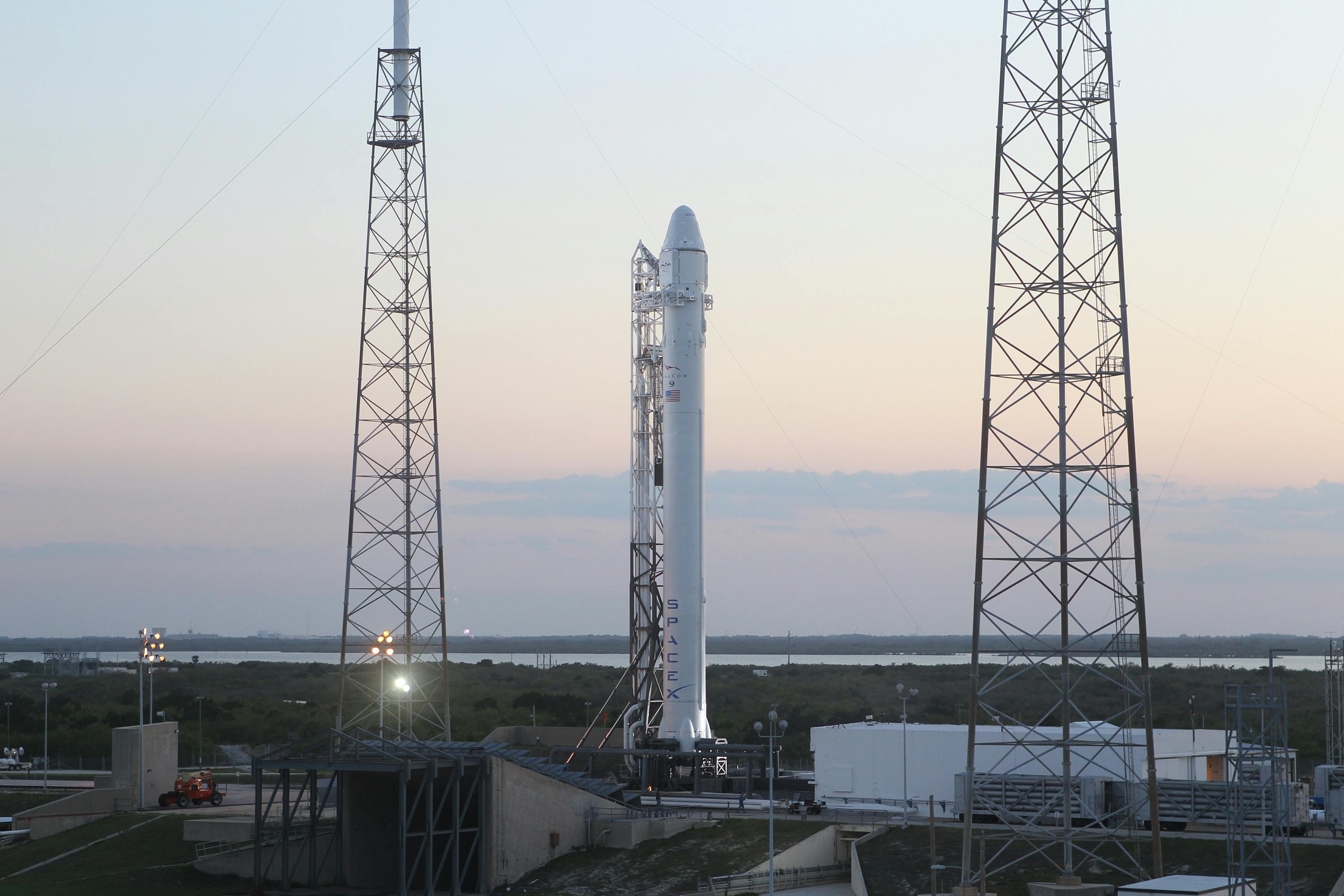
NASA plans first-ever medical evacuation from ISS using SpaceX Crew Dragon for Crew-11 astronaut. Starlink 6-96 mission scrubbed and rescheduled. Starbase Pad 1 tower and launch mount under review.
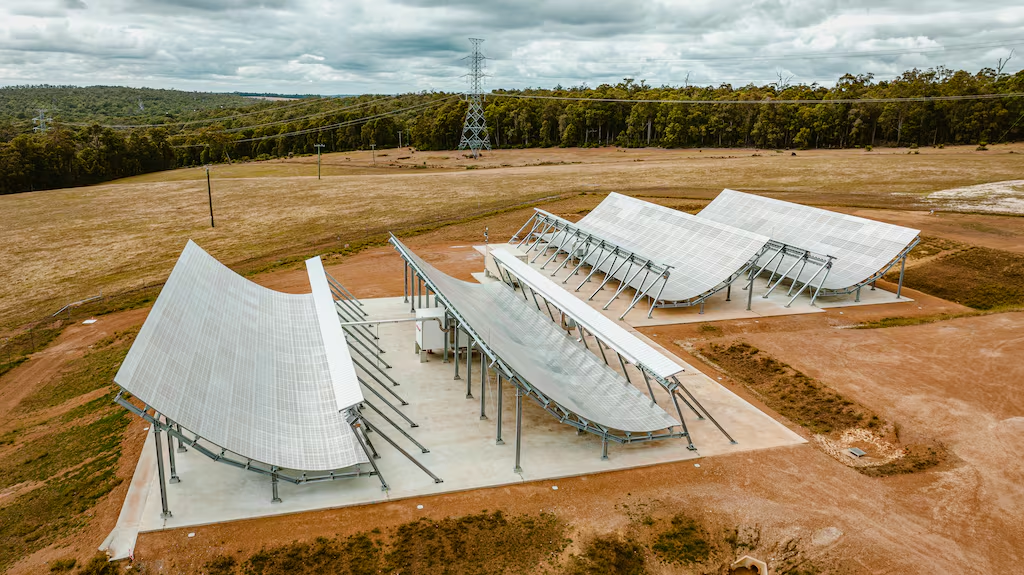
A startup built on Cold War-era radar science now tracks 25,000 objects in orbit - and the Pentagon can't get enough of it. But can its radars really compete with the Space Surveillance Network?

Sixty-three years ago, the Soviet Union selected the world's first female cosmonaut training group, launching a new era in human spaceflight that would transform our understanding of gender equality in space exploration
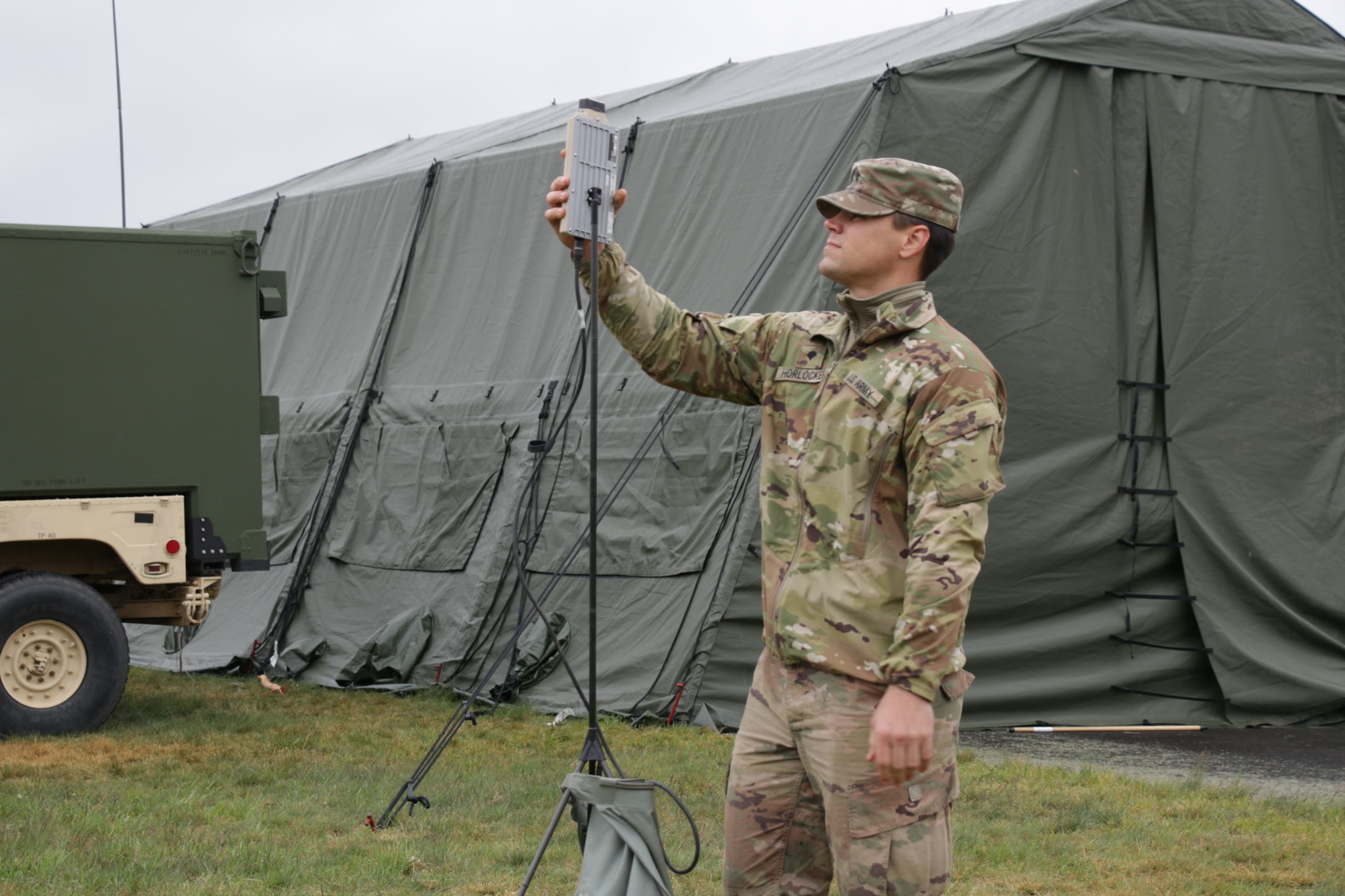
Russia's Volna Kupol Garant electronic warfare system was purpose-built to jam Starlink. It costs around $1.5 million per unit, covers just 20 square kilometers, and can only target one satellite at a time. Ukraine has been finding and destroying them within days of deployment.

Today's edition covers SpaceX scrubbing and successfully launching Starlink satellites, AI innovations in spacecraft propulsion, and the impact of SPHERE's debris disk survey in discovering hidden asteroid belts.
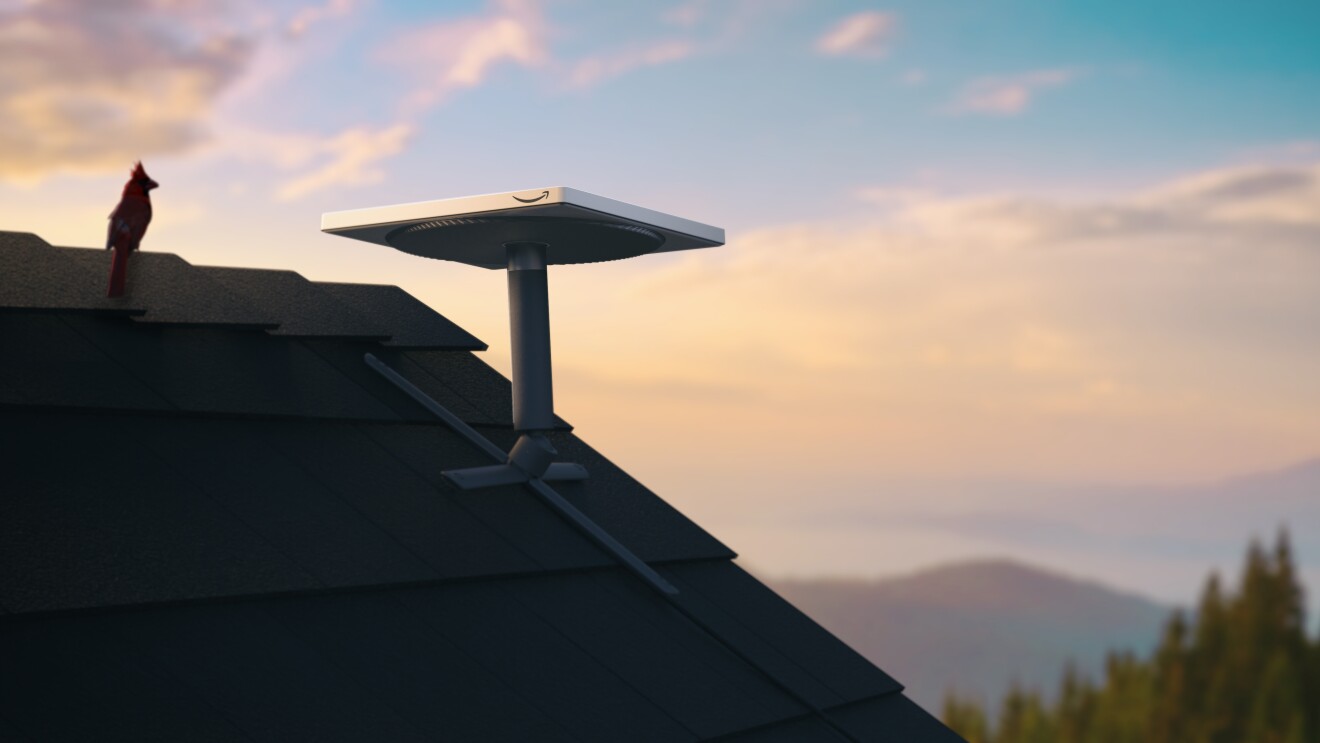
SpaceX awarded $2.29 billion to build Space Force's LEO communications backbone, integrating with SDA Transport layer satellites for military tactical data relay through space.

Space Force awards Pulse Space $40 million to develop laser systems for transmitting power and data between spacecraft in orbit. Game-changing on-orbit energy transfer capability.