

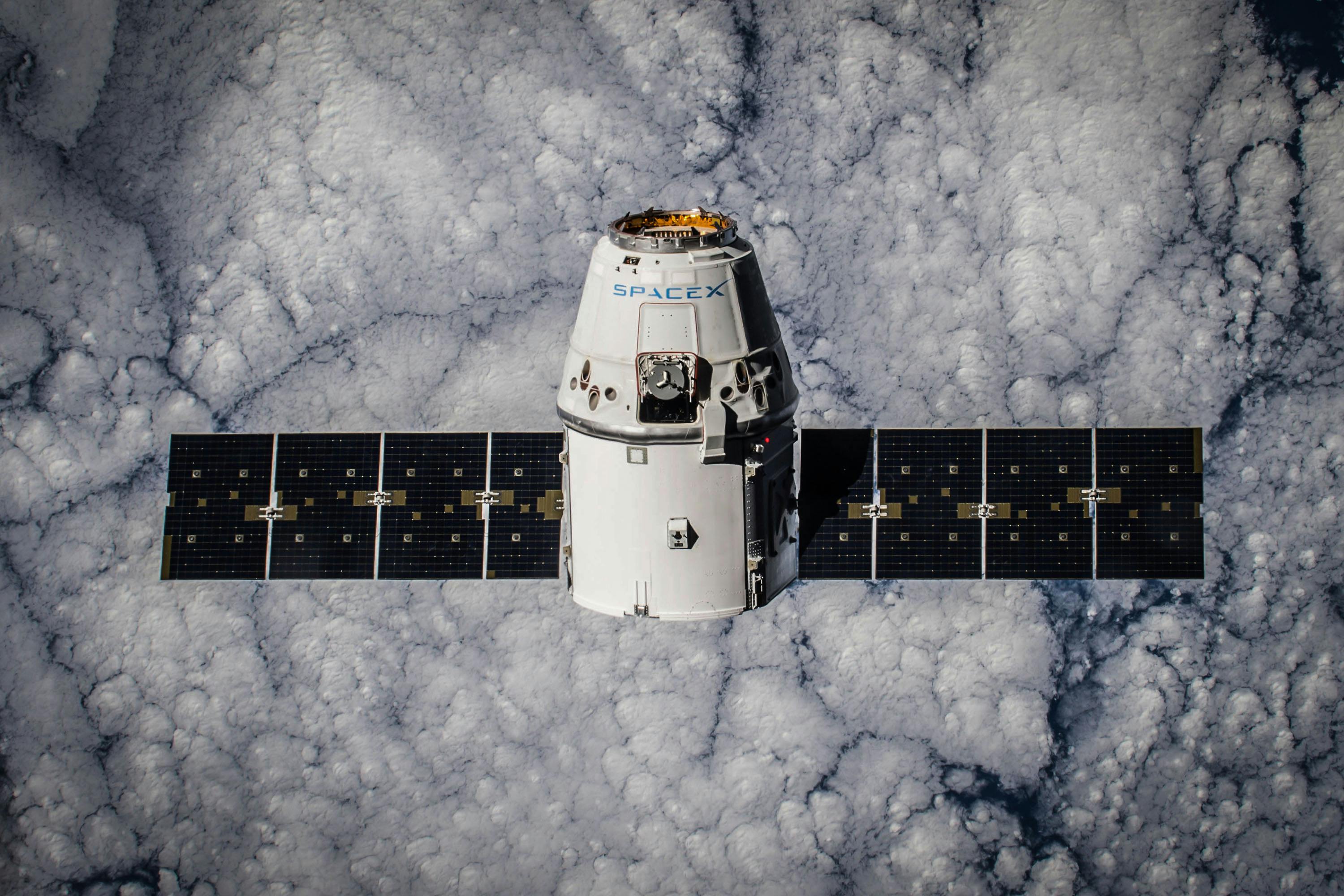
X Report 9 Apr 2025
SpaceX makes strides with new GPS and Starlink launches while securing major U.S. government contracts.


Launch Date
June 10, 2003
Launch Site
Launch Pad
SLC17A
Launch Vehicle
Delta 7925-9.5
NORAD ID
27828
International Designator
2003-027B
Decay Date
Unknown
Name
DELTA 2 R/B(2)
Alternative Name
Delta 298 Stage 3
Type
Status
Owner
BOHB
Country
United States
Constellation
N/A
Related Satellites
Major Events
N/A
Length
2.3
Diameter
1.1
Span
2.3
Dry Mass
132
Launch Mass
2141
Shape
Sphere + Cone
Radar Cross Section
Unknown
Visual Magnitude
Unknown
Color
Unknown
Material Composition
Unknown
Payload
Star 48B
Purpose
Unknown
Mission
Unknown
Manufacturer
ATKE
Life Expectancy
Unknown
Bus
Star 48
Configuration
Unknown
Motor
Unknown
Equipment
Unknown
Power System
Unknown
ADCS
Unknown
Transmitter Frequency
Unknown
Learn more about satellites and other related topics.
SpaceX makes strides with new GPS and Starlink launches while securing major U.S. government contracts.
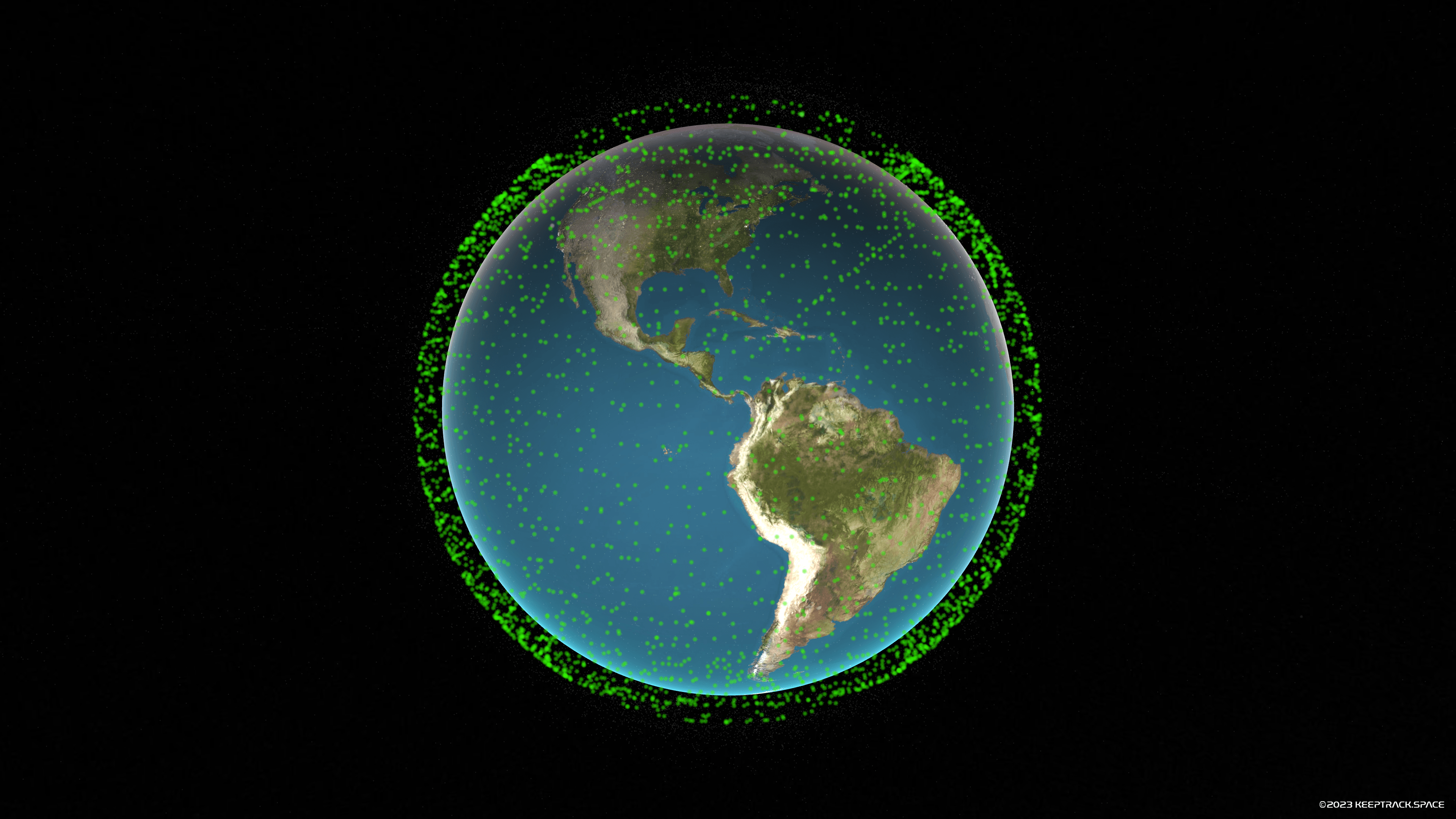
The U.S. Federal Communications Commission reaffirms its decision to deny SpaceX's Starlink unit $885.5 million in rural broadband subsidies, impacting the company's plans for expanding internet access.
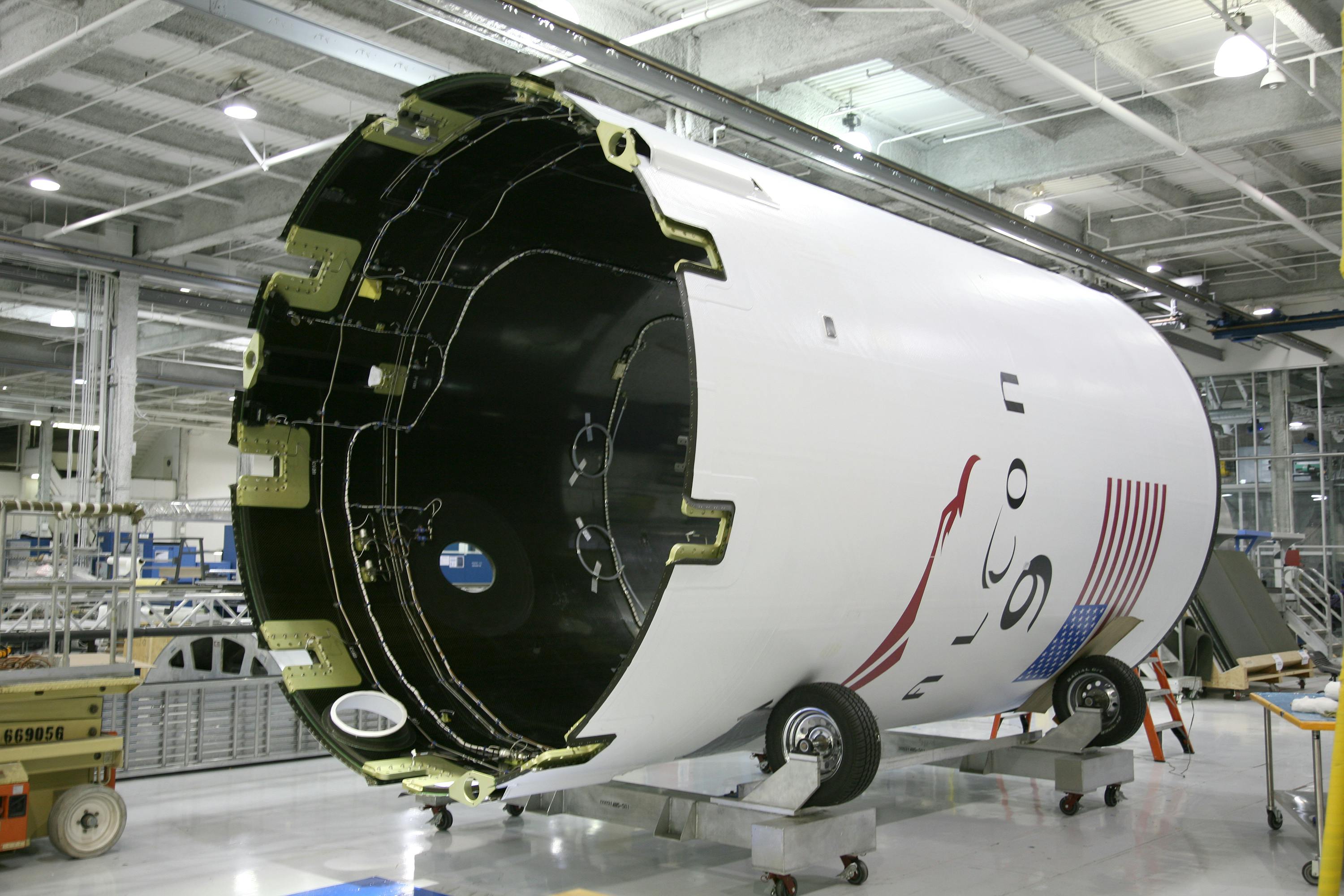
SpaceX prepares for a monumental sixth Starship test flight while achieving a historic Falcon 9 booster landing. Meanwhile, a Starlink satellite lights up the night sky as it reenters Earth's atmosphere.

SpaceX's Falcon Heavy lifts off for the 12th time after 18 months grounded, delivering the final ViaSat-3 satellite from LC-39A at 10:21 a.m. EDT.
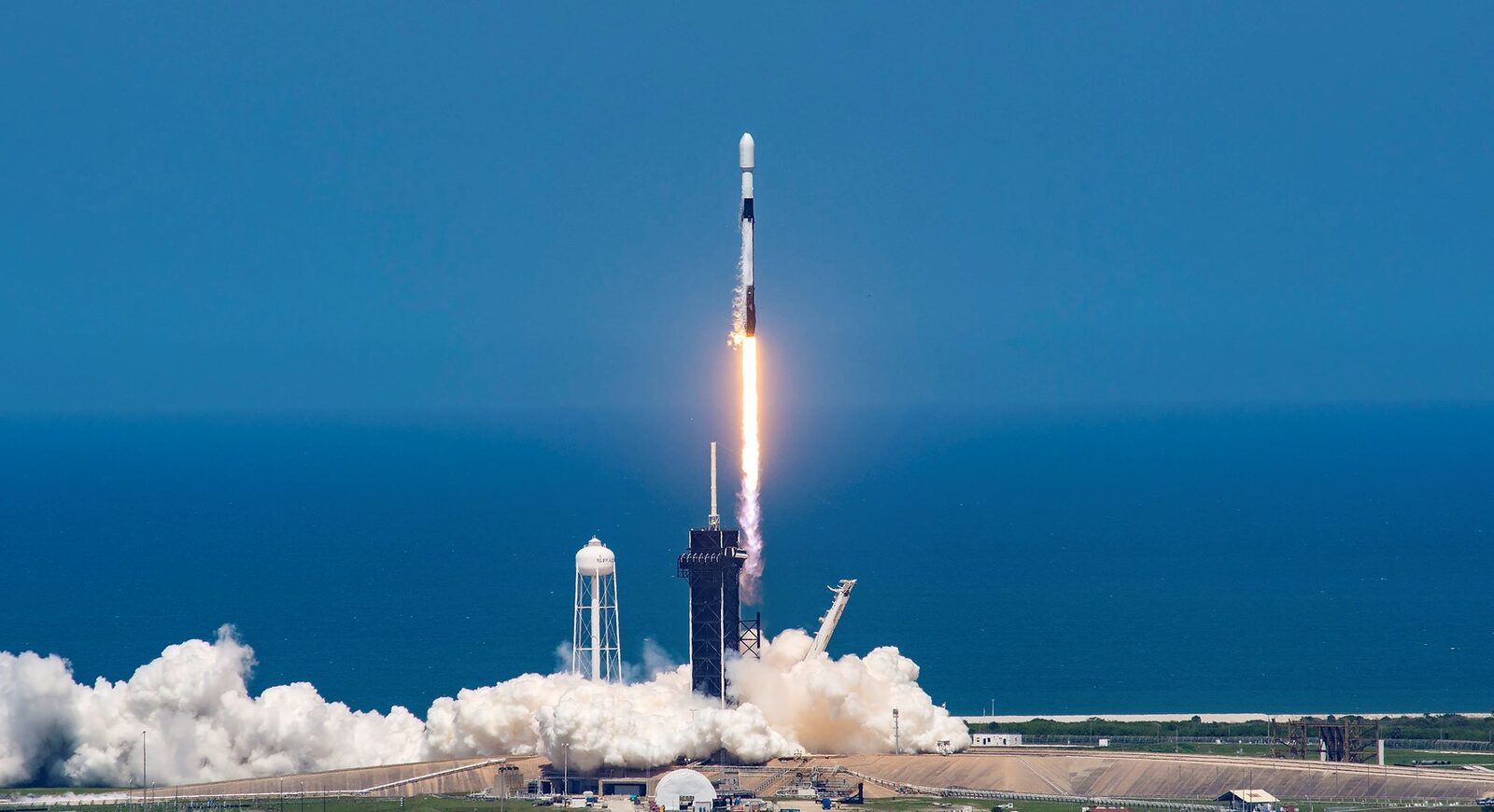
SpaceX completed a full 33-engine static fire on Booster 20, the longest duration test to date. The milestone clears a major hurdle before the next Starship flight attempt.
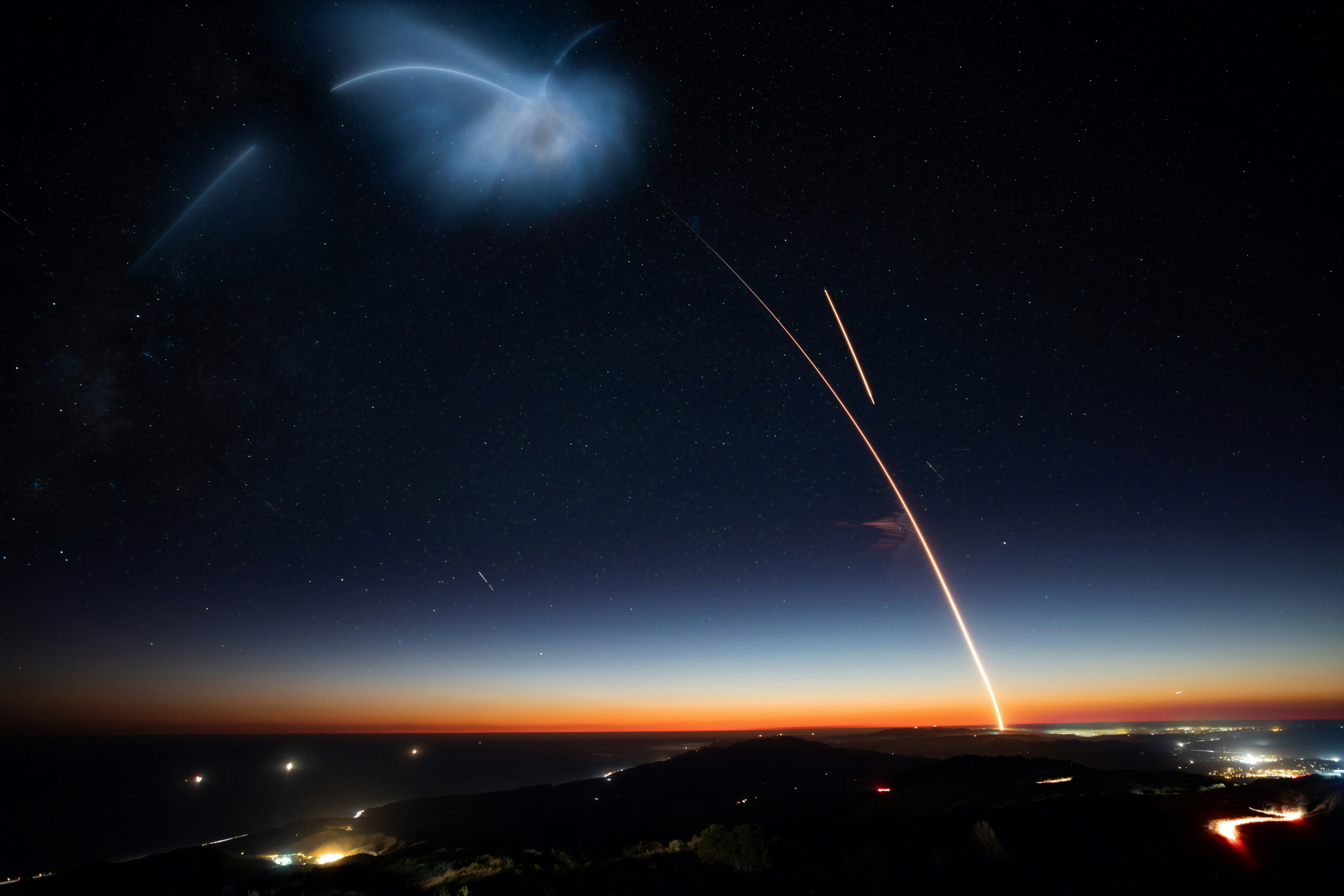
In a landmark achievement, SpaceX celebrated its 500th Falcon 9 launch by deploying 27 Starlink satellites while simultaneously advancing its reuse strategy with record-breaking milestones.
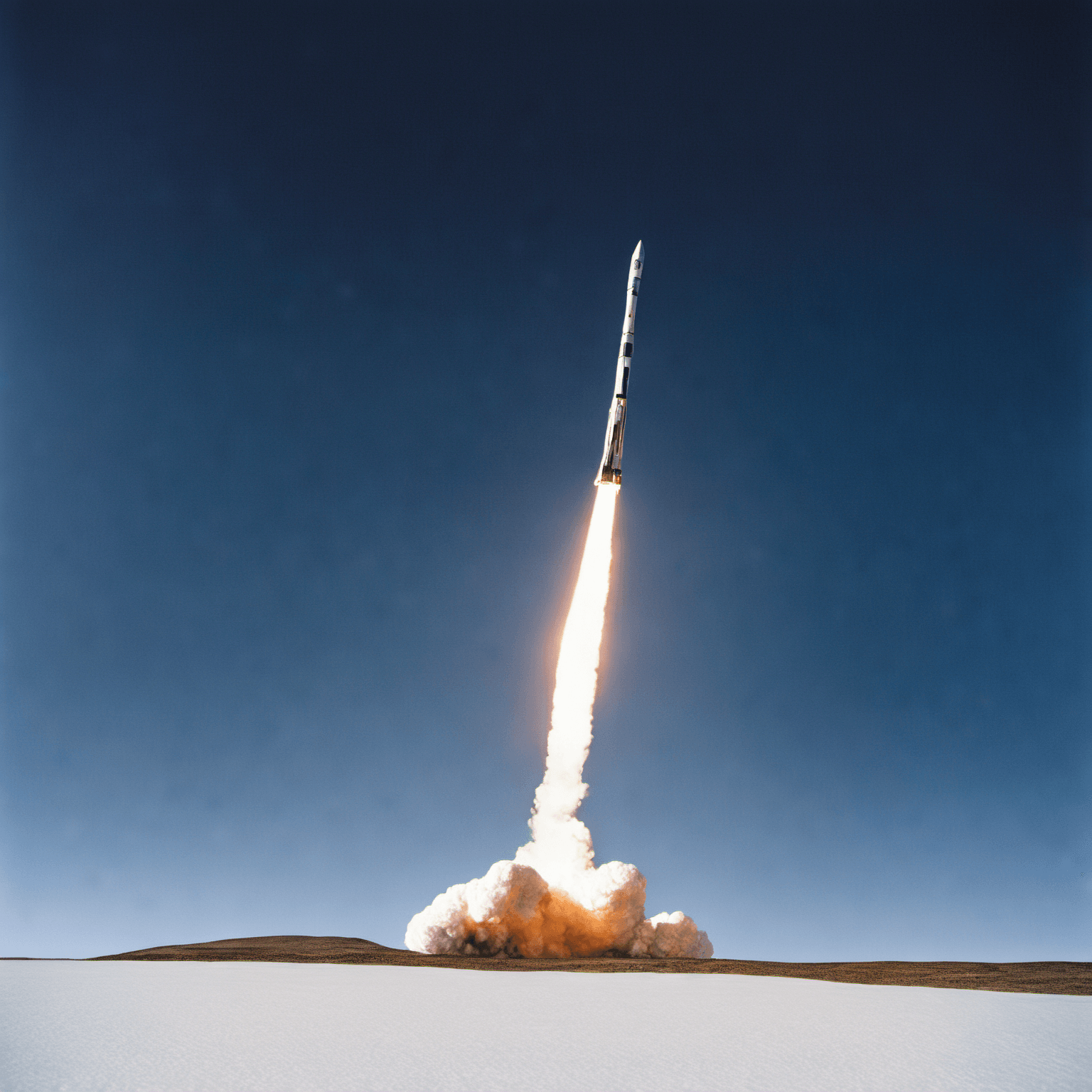
Rocket Lab's successful Electron return to flight, China's third Shenlong mission, lessons from Virgin Orbit's failure in the UK, Hubble's 30-year post-repair anniversary, and a summary of recent global launches.
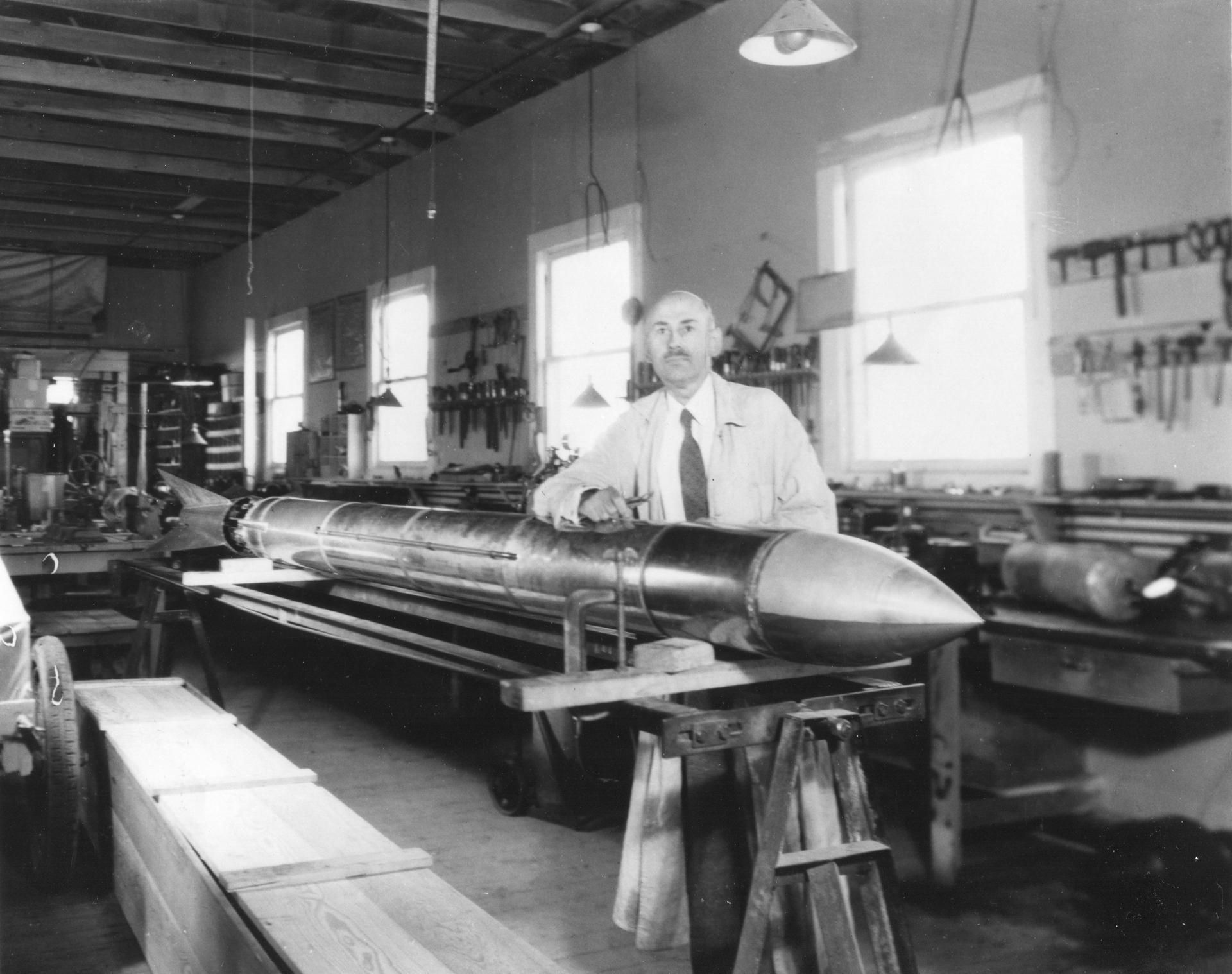
On February 2, 1909, Robert Goddard made a revolutionary breakthrough in his notebook: liquid oxygen and liquid hydrogen could achieve 50% efficiency in converting heat energy to kinetic energy for rocket propulsion