


SpaceX Wins $4.16B Space Force Contract, X Report 3 Jun 2026
SpaceX wins a $4.16 billion Space Force satellite contract to track airborne threats worldwide, while dual-pad launches add 53 Starlink satellites.


![BREEZE-M DEB [TANK] Satellite Image](/images/sat/deb2.jpg)
Launch Date
June 6, 2003
Launch Site
Launch Pad
LC200/39
Launch Vehicle
Proton-K/Briz-M
NORAD ID
27821
International Designator
2003-024B
Epoch
Sat, 04 Jul 2026 01:17:22 GMT
Apogee
Calculating...
Perigee
Calculating...
Inclination
49.47°
Right Ascension
63.57°
Eccentricity
Calculating...
Argument of Perigee
137.40°
Period
232.08 min
Mean Motion
6.20 rev/day
Latitude
Calculating...
Longitude
Calculating...
Altitude
Calculating...
Velocity
Calculating...
Name
BREEZE-M DEB [TANK]
Alternative Name
Briz-M DTB
Type
Status
Owner
KHRR
Country
Russia
Constellation
N/A
Related Satellites
Major Events
N/A
1 27821U 03024B 26185.05372998 .00012554 00000-0 83394-3 0 9991
2 27821 49.4662 63.5663 4693685 137.4018 270.5927 6.20466887475866
Source: Celestrak
Length
2.1
Diameter
4
Span
4
Dry Mass
1000
Launch Mass
11900
Shape
Torus
Radar Cross Section
6.45
Visual Magnitude
Unknown
Color
Unknown
Material Composition
Unknown
Payload
Briz-M torus tank
Purpose
Unknown
Mission
Unknown
Manufacturer
KHRR
Life Expectancy
Unknown
Bus
Briz tank
Configuration
Unknown
Motor
Unknown
Equipment
Unknown
Power System
Unknown
ADCS
Unknown
Transmitter Frequency
Unknown
Learn more about satellites and other related topics.
SpaceX wins a $4.16 billion Space Force satellite contract to track airborne threats worldwide, while dual-pad launches add 53 Starlink satellites.
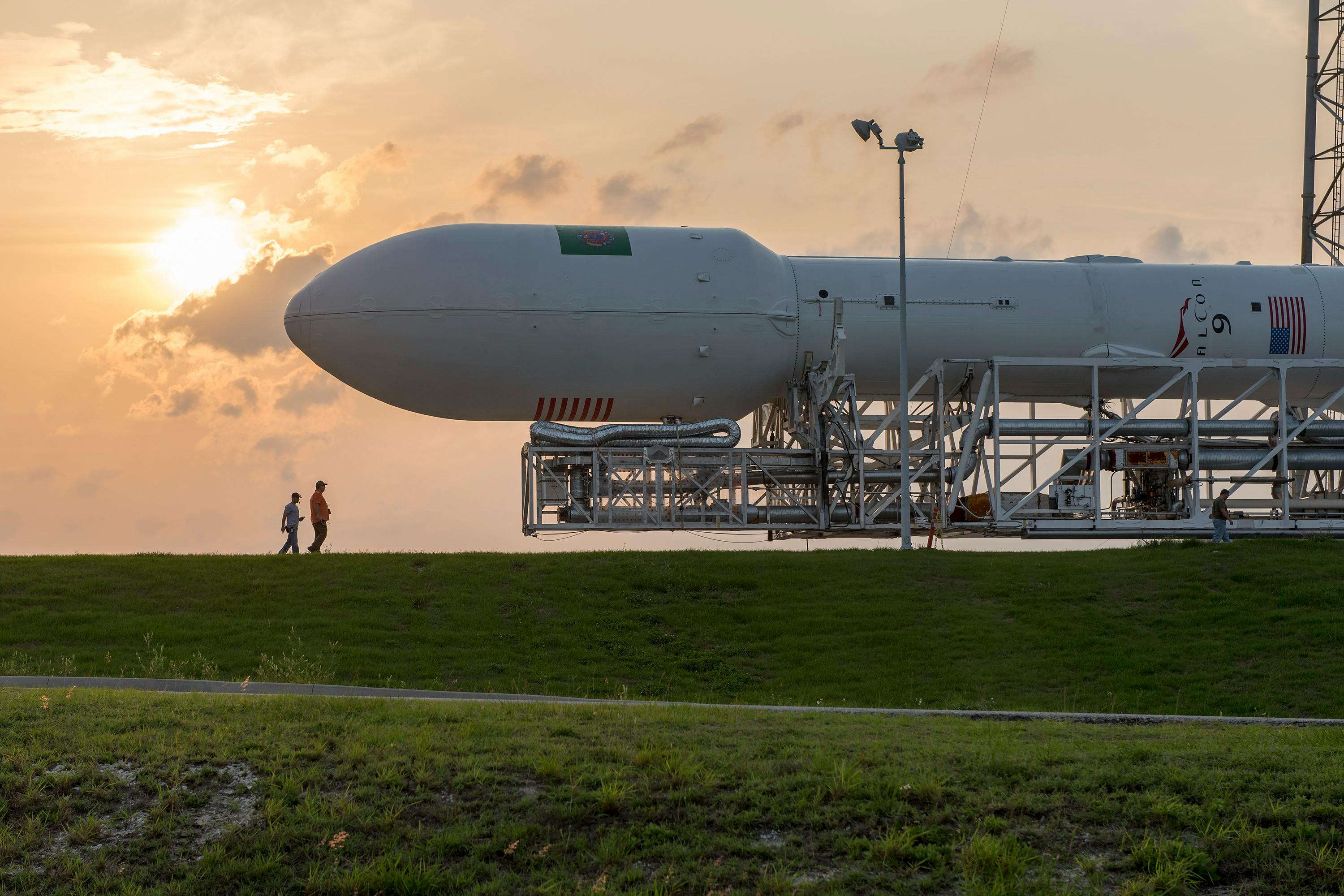
SpaceX faces a launch delay at Cape Canaveral and continues to advance Starship development.

Today's Space Brief covers China’s latest satellite launches, leadership changes in the U.S. Space Force, insights from hyperspectral imagery on an Iranian facility, SpaceX's Starlink mission, and more.
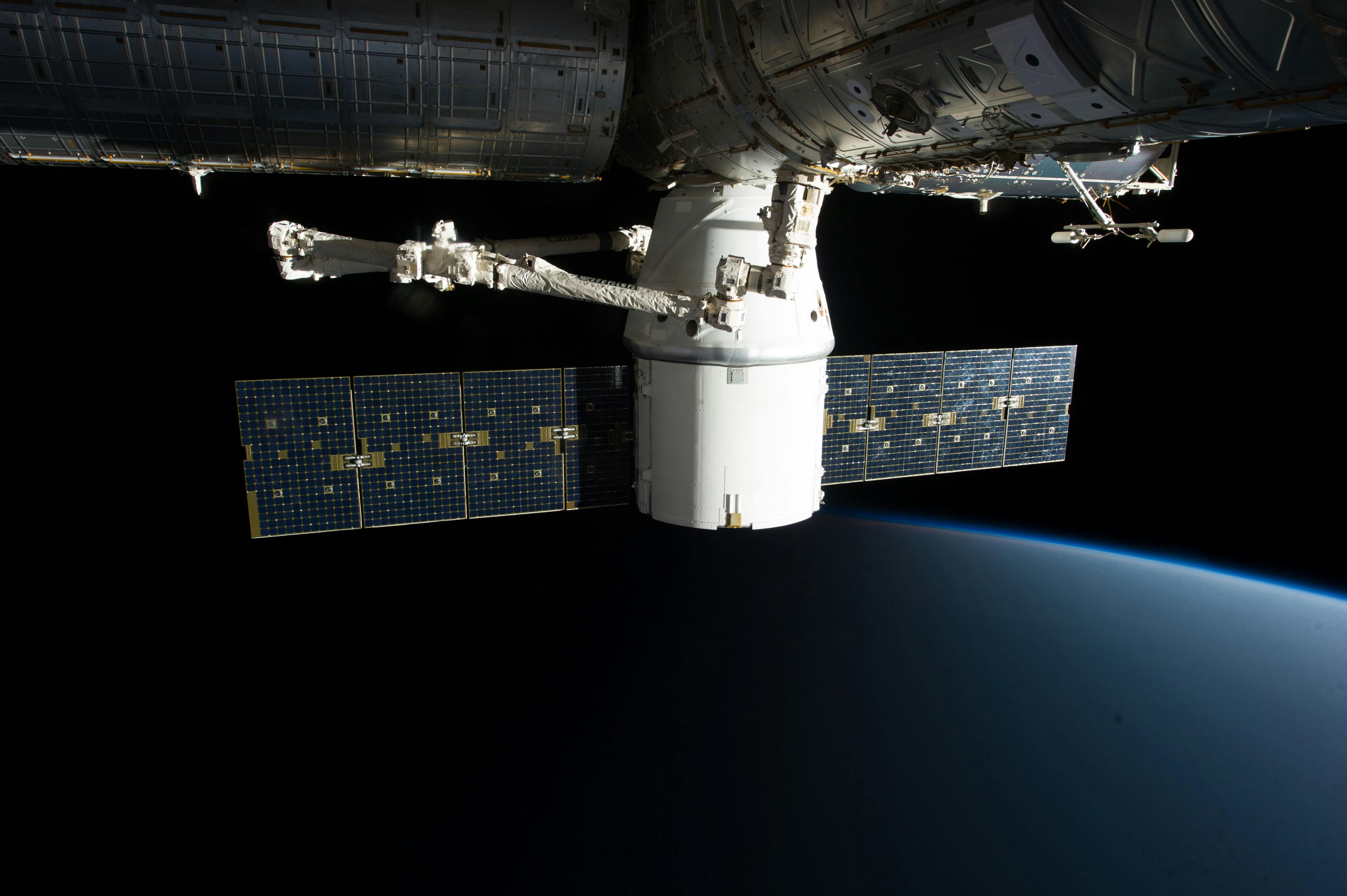
SpaceX successfully launched 26 Starlink satellites from California, preparing for upcoming crewed missions to the ISS.

Space Force issues call for launch providers at Cape Canaveral and Vandenberg. Vandenberg opens Space Launch Complex 14 bidding with Feb 12 deadline. Electra pitches hybrid aircraft to Pentagon.
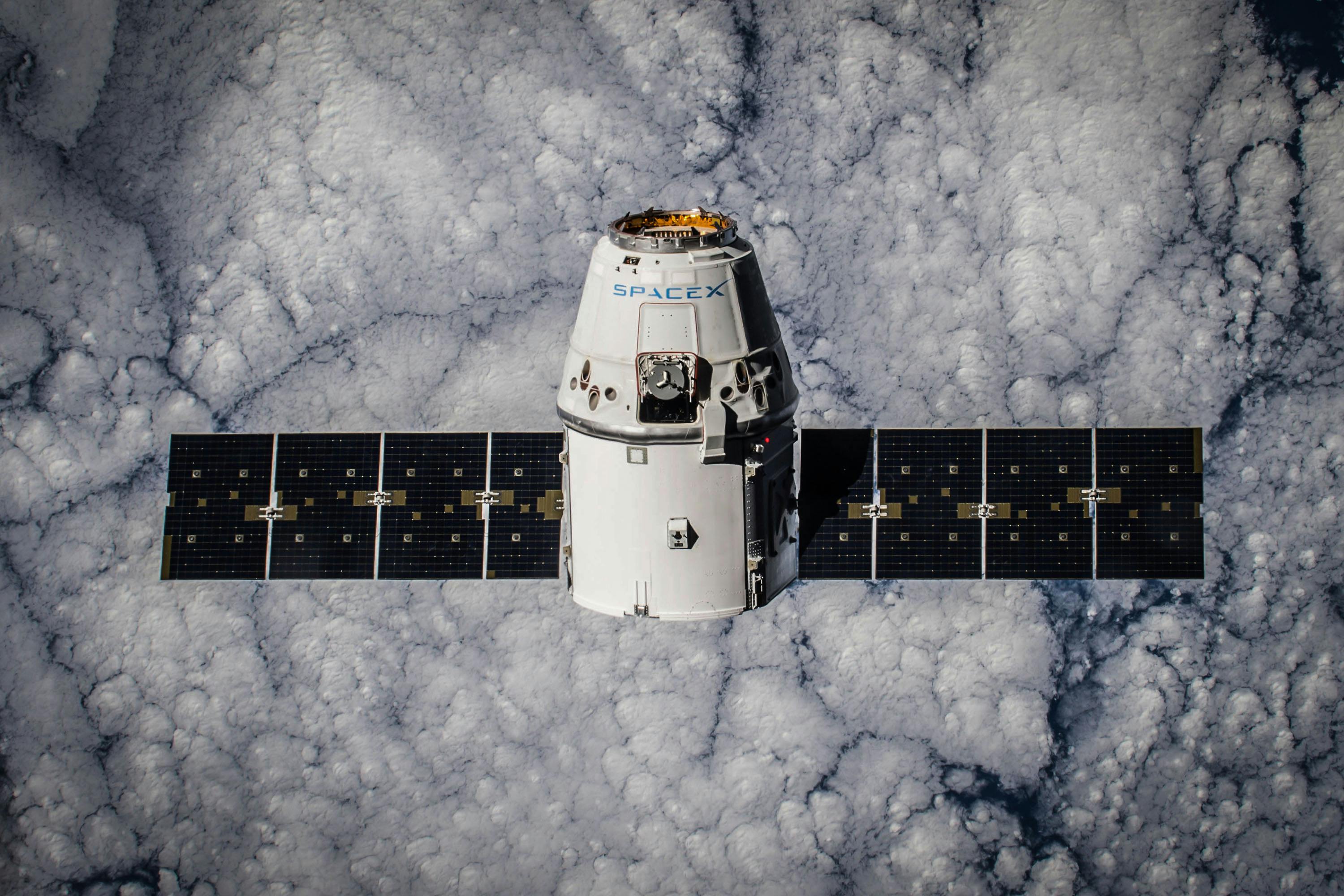
SpaceX continues making strides in satellite deployments and Starship preparations while managing challenges in space traffic.
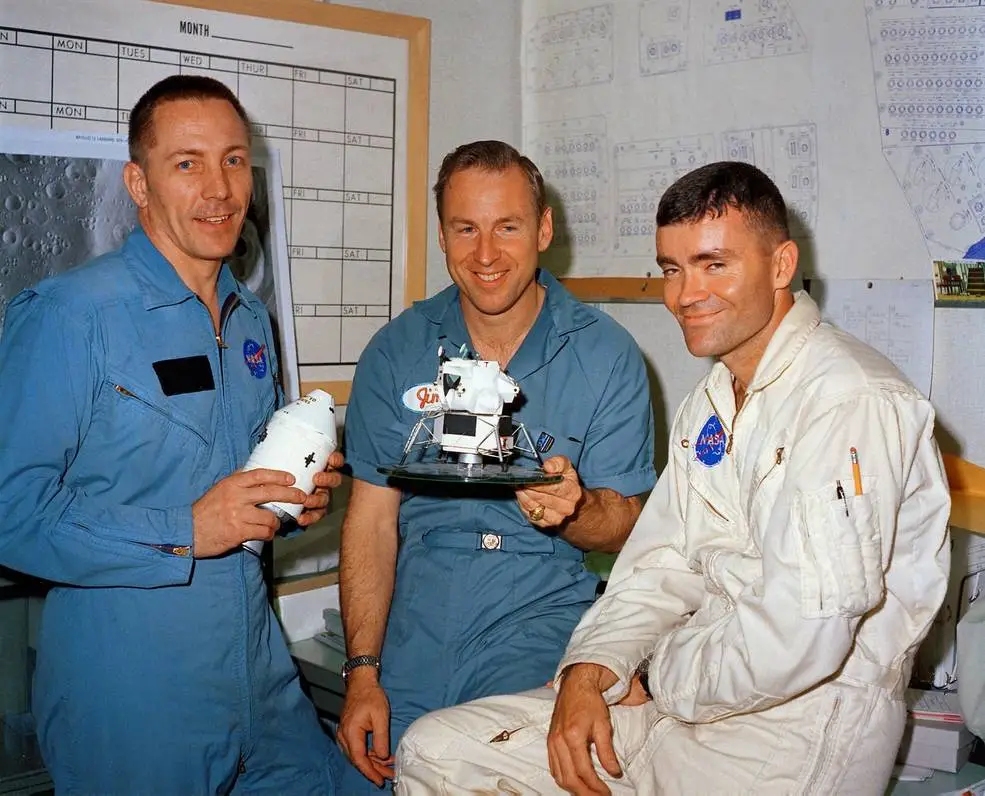
An overlooked thermostat, eight hours of overheating on a Florida launch pad, and 200,000 miles of coasting through deep space. Then Oxygen Tank No. 2 tore itself apart, and three men had to figure out how to come home alive in a spacecraft designed to land on the Moon.
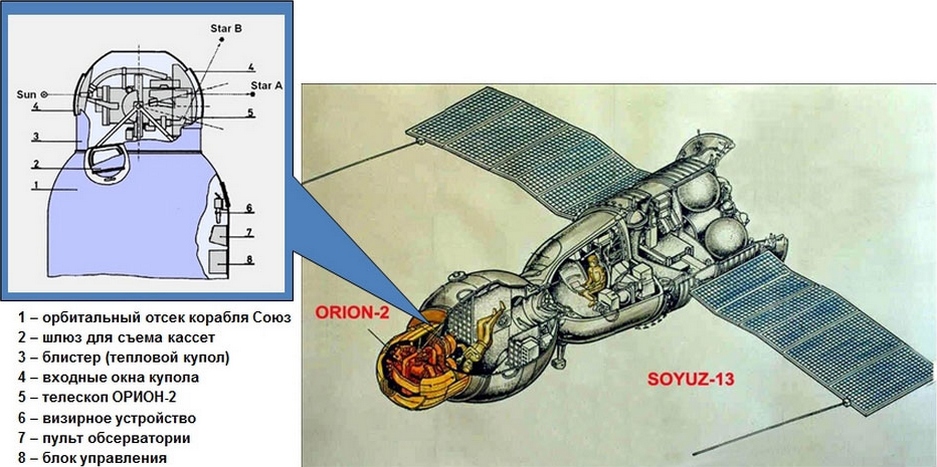
Exactly 52 years ago today, the Soviet Union launched Soyuz 13 - a scientific mission that marked the first time American astronauts and Soviet cosmonauts orbited Earth simultaneously. Armed with a revolutionary ultraviolet telescope, Pyotr Klimuk and Valentin Lebedev would discover elements never before seen in distant nebulae.