


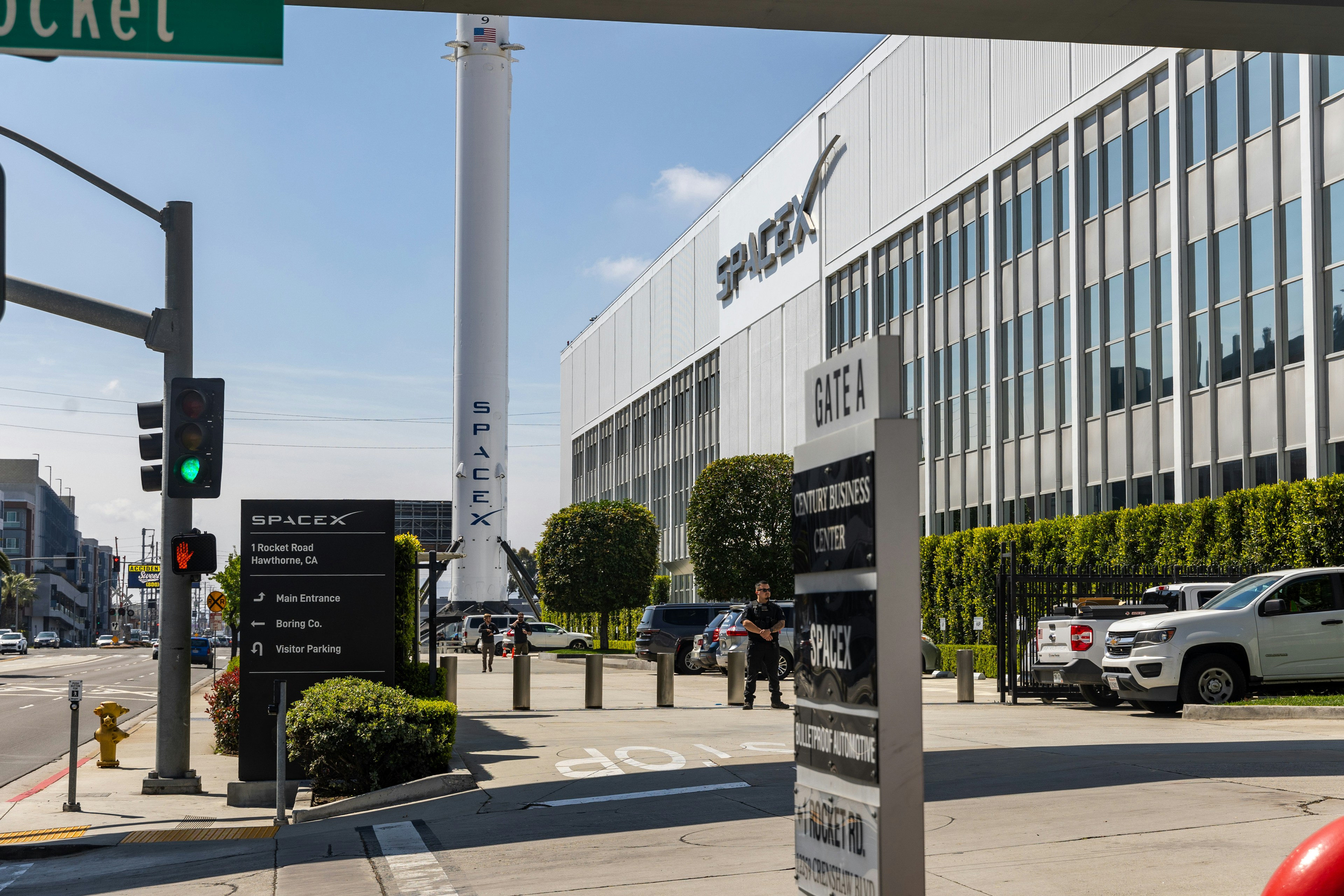
X Report 14 Jan 2025
SpaceX sets a new reusability record and continues its busy launch schedule with multiple Starlink missions.


Launch Date
June 4, 2003
Launch Site
PLMSC
Launch Pad
LC132/1
Launch Vehicle
Kosmos 11K65M
NORAD ID
27818
International Designator
2003-023A
Epoch
Fri, 03 Jul 2026 19:36:36 GMT
Apogee
Calculating...
Perigee
Calculating...
Inclination
82.95°
Right Ascension
123.07°
Eccentricity
Calculating...
Argument of Perigee
269.06°
Period
104.93 min
Mean Motion
13.72 rev/day
Latitude
Calculating...
Longitude
Calculating...
Altitude
Calculating...
Velocity
Calculating...
Name
COSMOS 2398
Alternative Name
Kosmos-2398
Type
Status
Owner
VMFR
Country
Russia
Constellation
N/A
Related Satellites
Major Events
N/A
1 27818U 03023A 26184.81709110 .00000090 00000-0 81860-4 0 9998
2 27818 82.9493 123.0722 0029861 269.0589 119.2526 13.72406380156029
Source: Celestrak
Length
5.1
Diameter
2
Span
17
Dry Mass
800
Launch Mass
800
Shape
Cyl + Ant
Radar Cross Section
1.8768
Visual Magnitude
Unknown
Color
Unknown
Material Composition
Unknown
Payload
Parus No. 202
Purpose
Navigation, data relay
Mission
Navigation, data relay
Manufacturer
POL
Life Expectancy
Unknown
Bus
KAUR-1 11F627
Configuration
KAUR-1
Motor
Unknown
Equipment
Unknown
Power System
Solar cells, batteries
ADCS
Unknown
Transmitter Frequency
Unknown
Learn more about satellites and other related topics.
SpaceX sets a new reusability record and continues its busy launch schedule with multiple Starlink missions.
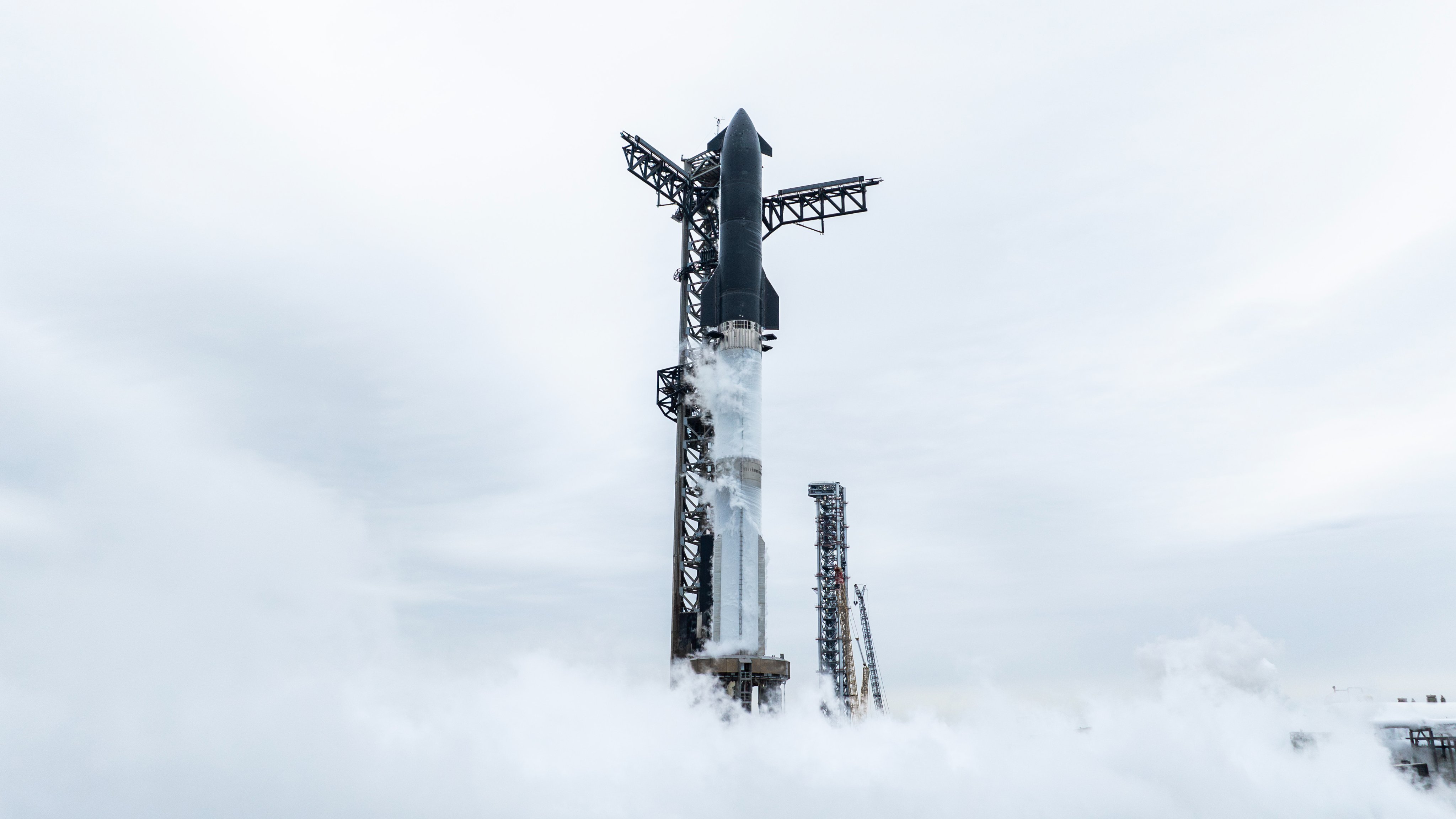
SpaceX Dragon berthed ISS with 6,500 pounds of cargo May 17. China's Zenk Space raised $26M, targeting June for Zhihang-1 rocket's orbital debut.
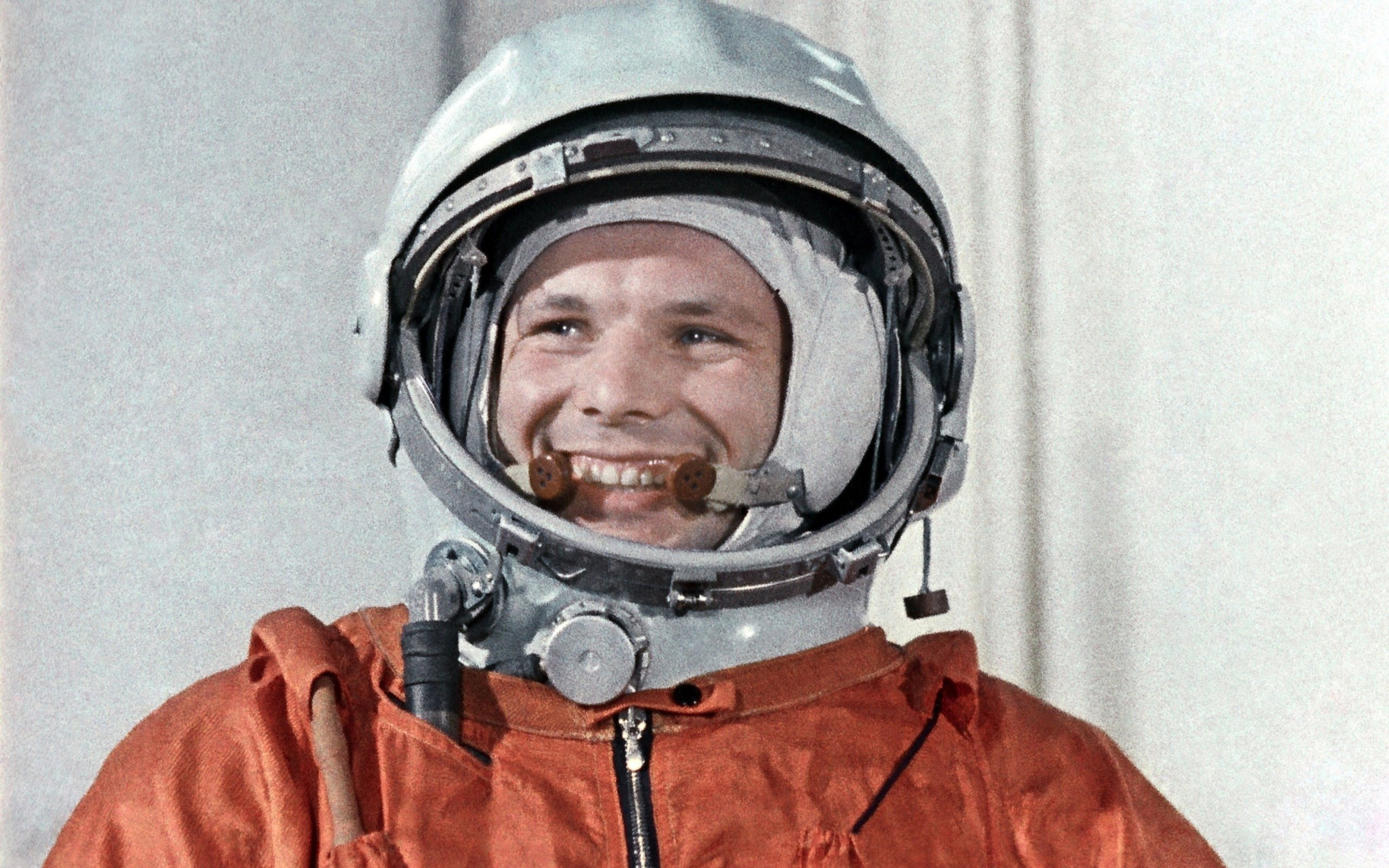
On April 12, 1961, a 27-year-old Soviet pilot rode a modified ICBM into orbit and came back alive after 108 minutes. Exactly twenty years later, two Americans climbed aboard an untested spacecraft covered in 31,000 ceramic tiles and bet their lives that the math was right.
Today's highlights include Rocket Lab's successful 2025 kick-off launch, SpaceX's upcoming Starlink deployment, and a significant military satellite contract competition.
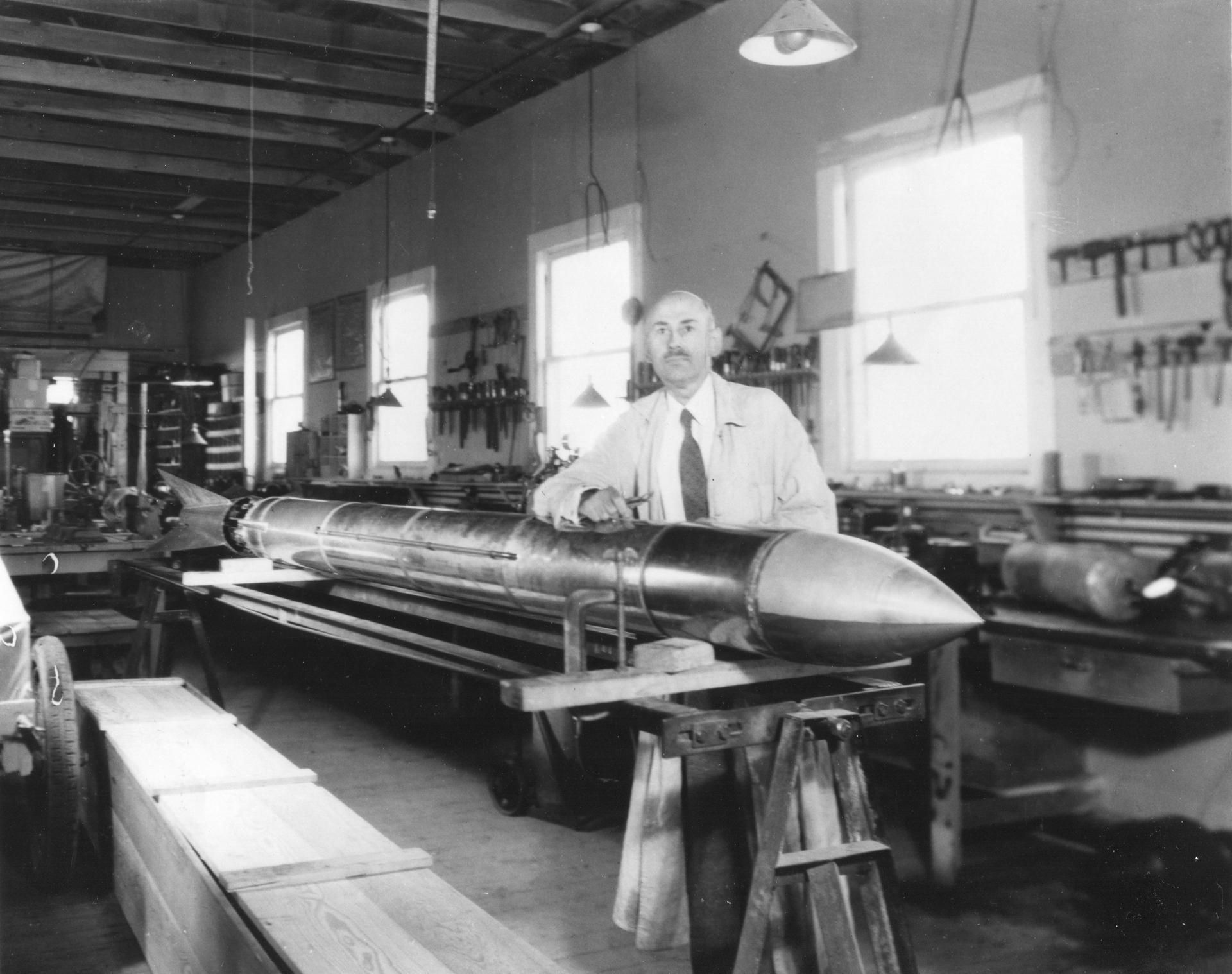
On February 2, 1909, Robert Goddard made a revolutionary breakthrough in his notebook: liquid oxygen and liquid hydrogen could achieve 50% efficiency in converting heat energy to kinetic energy for rocket propulsion

Pentagon cancels Next-Generation OPIR Polar program after Northrop Grumman delivered sensor payload. LEO and MEO alternatives deemed sufficient for missile-warning coverage.
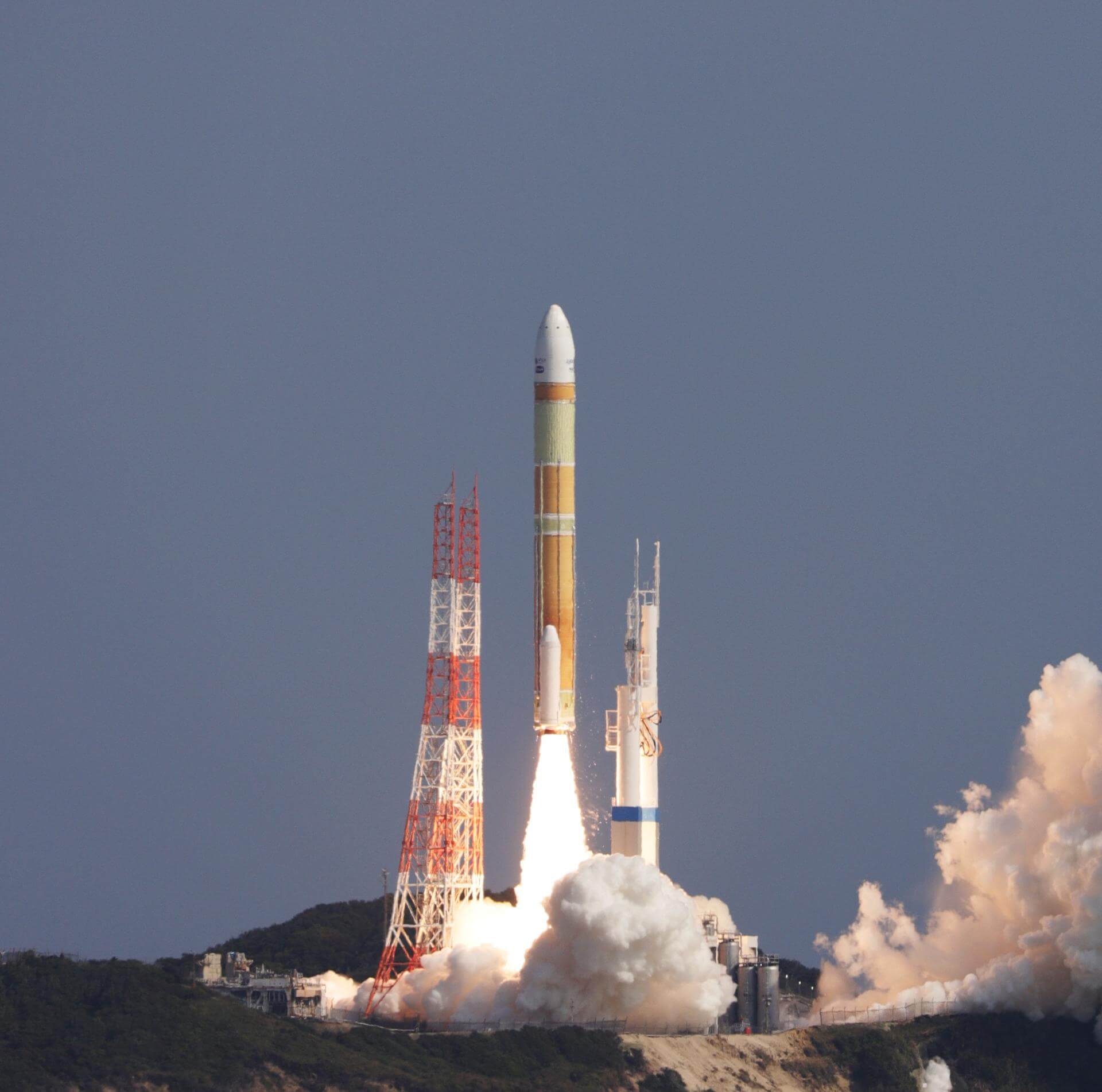
Today's highlights include defense sector investments, major military contracts with Rocket Lab, and a glimpse at new American Innovation dollar coins featuring space achievements.
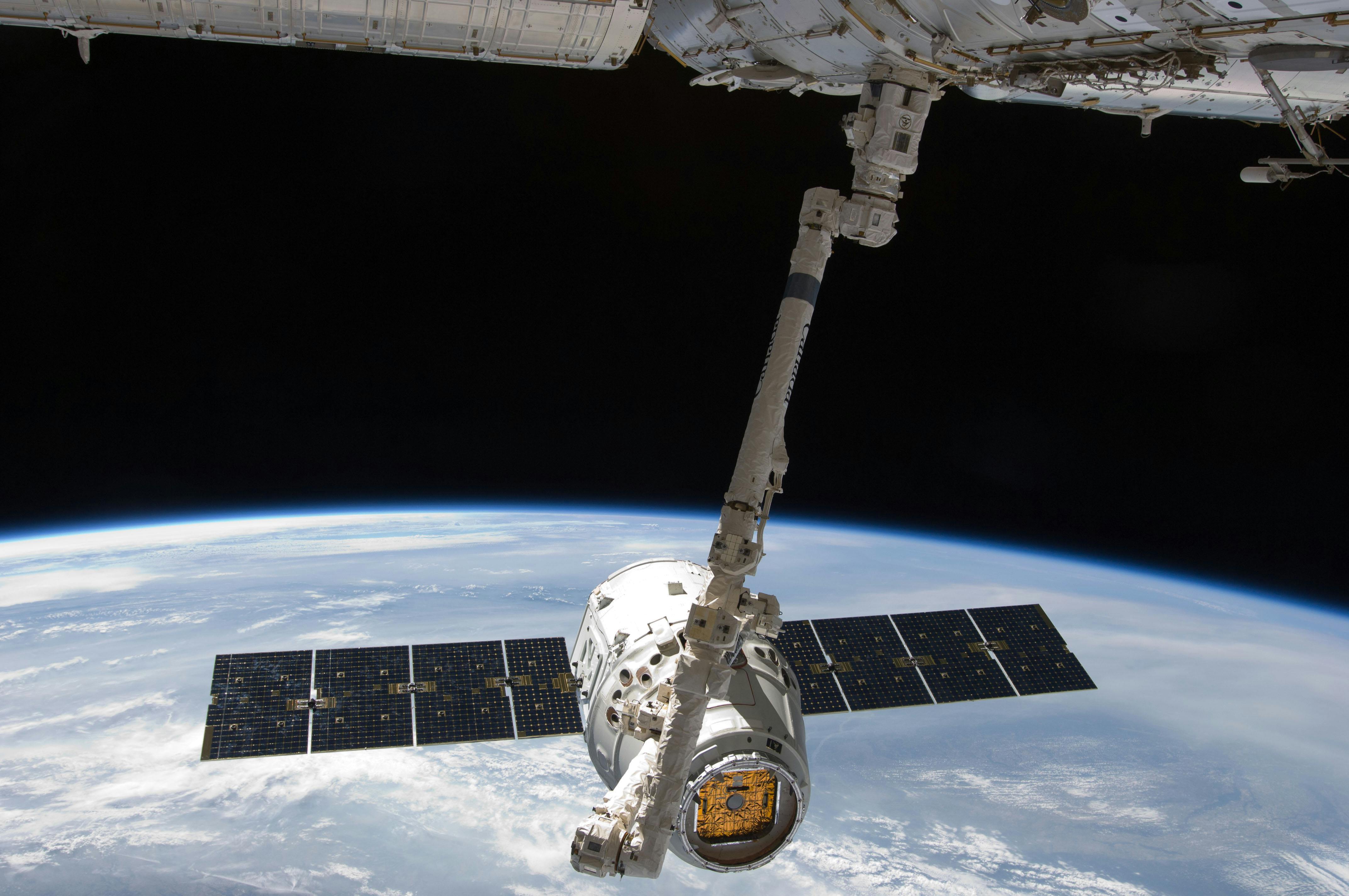
SpaceX prepares for a busy launch schedule with key upgrades at Starbase and notable Starlink missions. Recent close approaches in orbit underscore the complexities of satellite operations.