

Space Brief 7 Dec 2025
Today's highlights include a record-breaking event at the International Space Station, significant funding for hypersonic missile production, and several key military developments impacting space strategy.


Launch Date
April 26, 2003
Launch Site
Launch Pad
LC1
Launch Vehicle
Soyuz-FG
NORAD ID
27781
International Designator
2003-016A
Decay Date
10/28/2003
Name
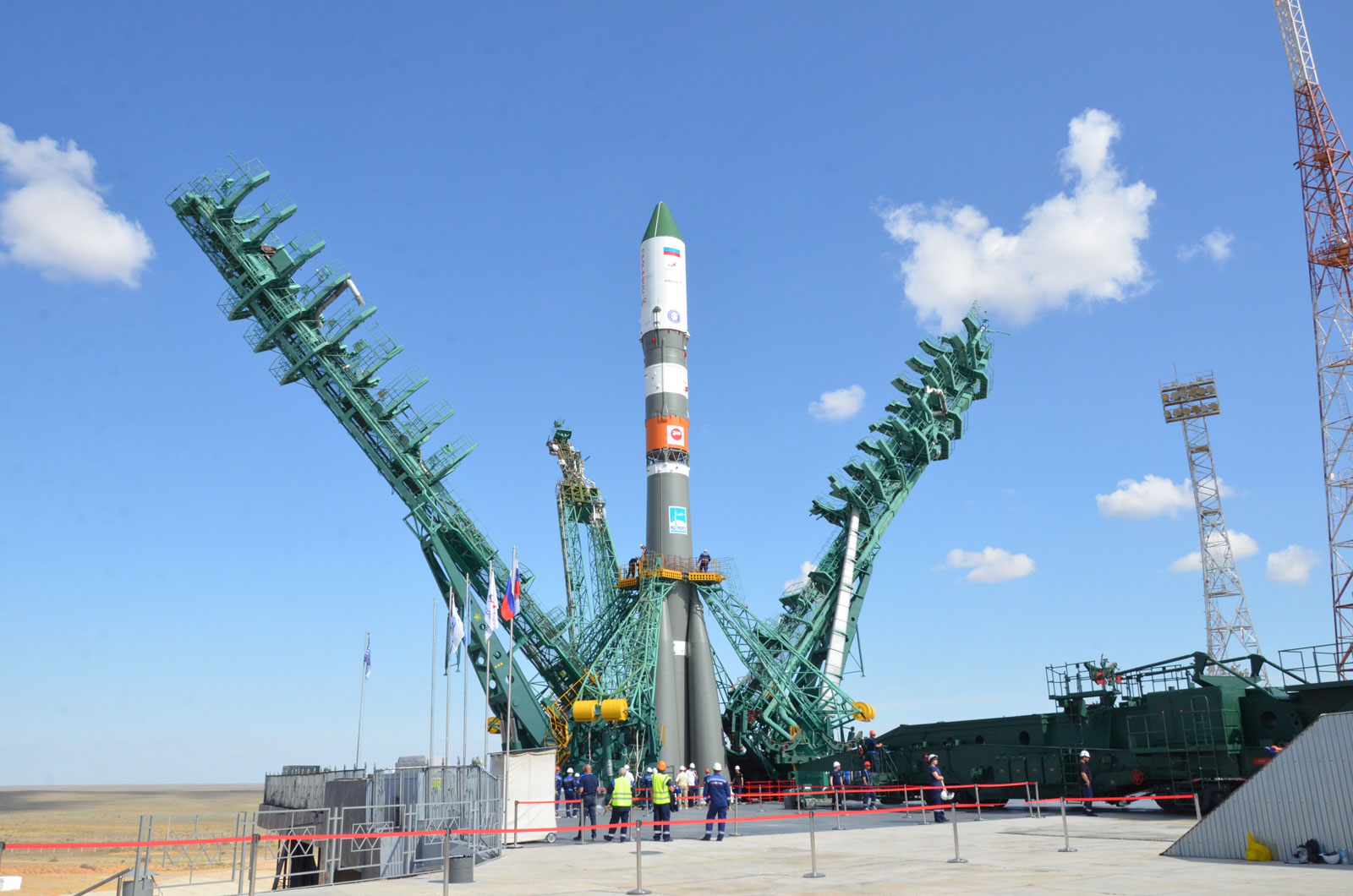
SOYUZ-TMA 2
Alternative Name
Soyuz TMA-2
Type
Status
Owner
RKKE
Country
Russia
Constellation
N/A
Related Satellites
Major Events
N/A
Length
7.9
Diameter
2.7
Span
10.6
Dry Mass
2300
Launch Mass
2840
Shape
Cyl + Cone + Sphere + 2 Pan
Radar Cross Section
8.0581
Visual Magnitude
Unknown
Color
Unknown
Material Composition
Unknown
Payload
Soyuz 11F732 No. 212
Purpose
Crewed spacecraft
Mission
Crewed spacecraft
Manufacturer
RKKE
Life Expectancy
Unknown
Bus
7K-STMA
Configuration
Unknown
Motor
PAO
Equipment
Unknown
Power System
2 deployable fixed solar arrays, batteries
ADCS
Unknown
Transmitter Frequency
Unknown
Learn more about satellites and other related topics.
Today's highlights include a record-breaking event at the International Space Station, significant funding for hypersonic missile production, and several key military developments impacting space strategy.

SpaceX lands Falcon 9 in The Bahamas for the second time ever during Starlink 10-34 mission. Scientists measure rocket reentry air pollution in real-time for the first time.

Today's highlights include Space Force's budget shifts, China's new commercial lunar collaboration, and SpaceX's latest Starlink launch.

Today's highlights include Europe's record space budget for independence, Transporter-15's successful launch of 140 payloads, and the damage to the Baikonur pad affecting upcoming ISS missions.
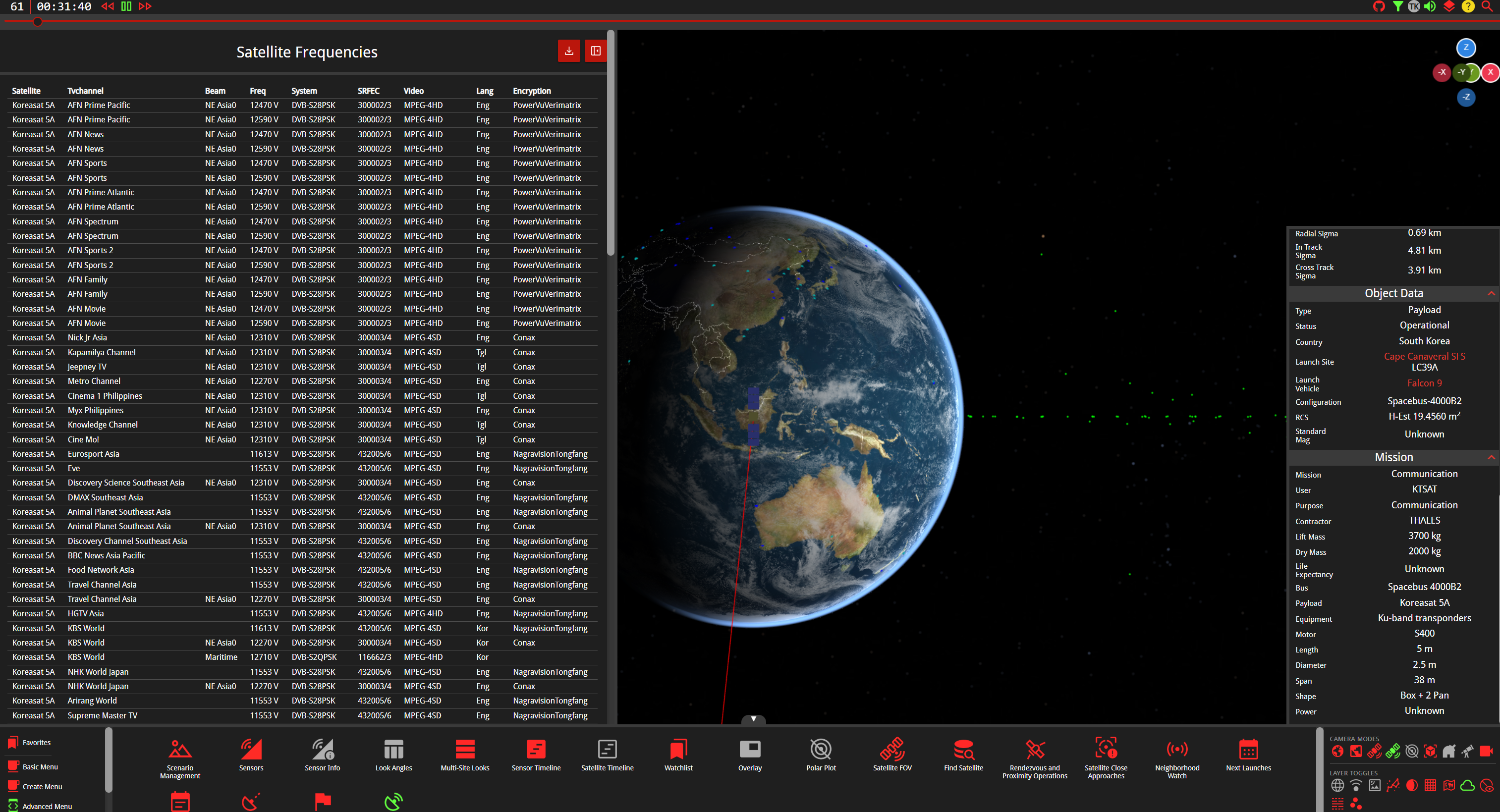
The frequency band that brought satellite TV to small dishes on rooftops and revolutionized direct-to-home broadcasting
Kratos awarded $447 million Space Force contract for Resilient Missile Warning Tracking ground ops center in Medium Earth Orbit, shifting missile detection away from vulnerable GEO satellites.
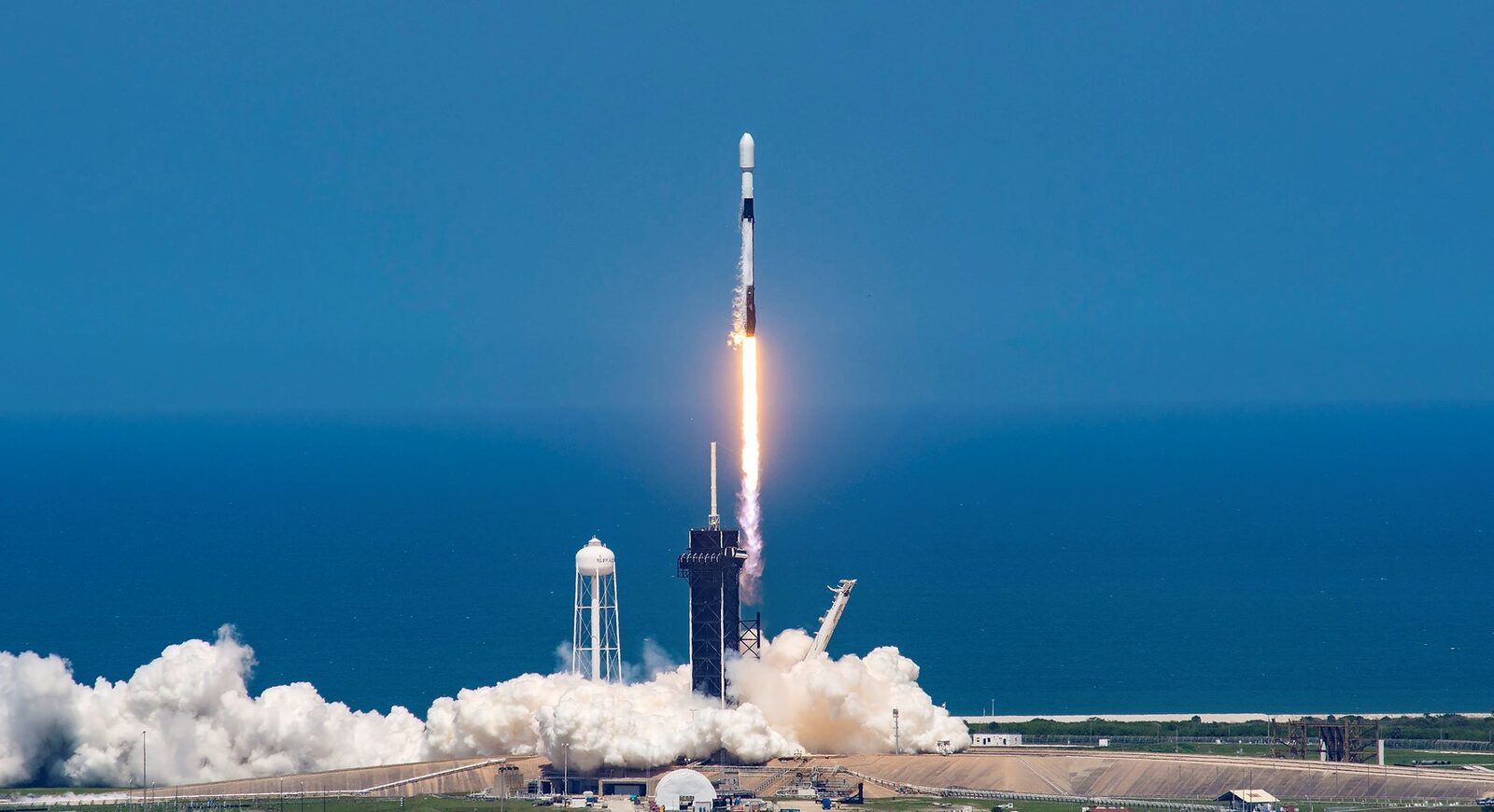
This week: China's Long March 10B debuted successfully, SpaceX merged with xAI, and Starlink topped 10,775 satellites in orbit.
Space Force deploys new radar in Alaska for orbital tracking. SDA awards $3.5B for 72 missile defense satellites. Anysignal raises $24M for autonomous RF sensing technology.