


Space Brief 18 Apr 2025
Today's highlights include a Minotaur IV launch of U.S. spy satellites, Rocket Lab's new defense contracts, and the unveiling of Space Force's warfighting framework. Plus, the Satellite Spotlight dives into METEOR 3-1.


Launch Date
February 15, 2003
Launch Site
FRGUI
Launch Pad
ELA2
Launch Vehicle
Ariane 44L
NORAD ID
27684
International Designator
2003-007B
Decay Date
4/25/2024
Name
ARIANE 44L R/B
Alternative Name
Ariane H10-3 V159
Type
Status
Owner
AE
Country
France
Constellation
N/A
Related Satellites
Major Events
N/A
Length
12.1
Diameter
2.6
Span
12.1
Dry Mass
1820
Launch Mass
2000
Shape
Cyl
Radar Cross Section
18.1733
Visual Magnitude
Unknown
Color
Unknown
Material Composition
Unknown
Payload
Ariane H10-3 S/N T4116
Purpose
Unknown
Mission
Unknown
Manufacturer
EADSL
Life Expectancy
Unknown
Bus
Ariane H10-3
Configuration
Unknown
Motor
HM-7B
Equipment
Unknown
Power System
Unknown
ADCS
Unknown
Transmitter Frequency
Unknown
Learn more about satellites and other related topics.
Today's highlights include a Minotaur IV launch of U.S. spy satellites, Rocket Lab's new defense contracts, and the unveiling of Space Force's warfighting framework. Plus, the Satellite Spotlight dives into METEOR 3-1.
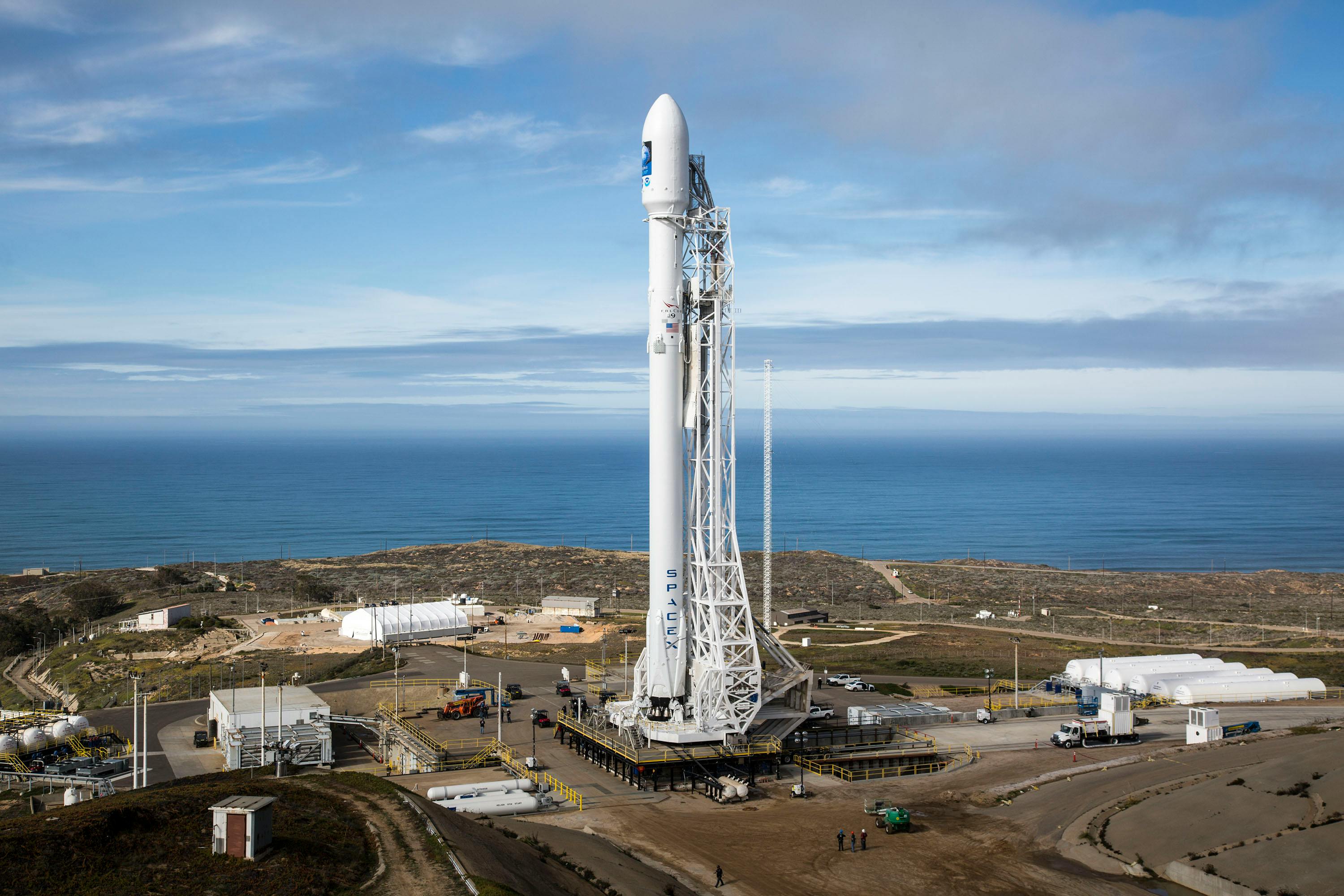
SpaceX successfully launched 23 Starlink satellites, enhancing Direct to Cell capabilities from Florida's Space Coast.
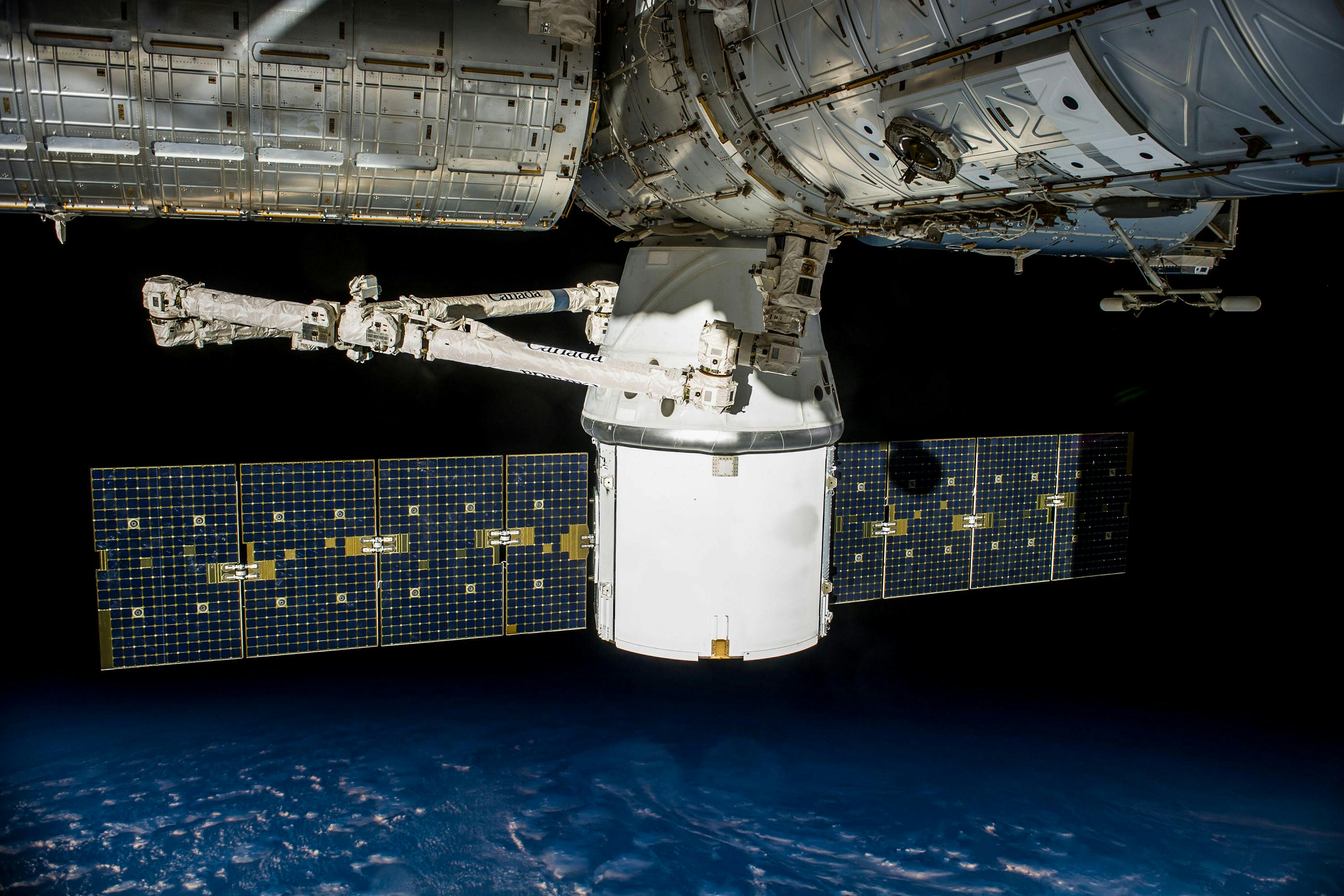
SpaceX sets a reuse record with Falcon 9, advances Starship program, while Starlink influences satellite market dynamics.

Vandenberg Space Force Base opens a new launch site that may accommodate SpaceX's Starship. Meanwhile, Starlink continues to expand its service capabilities.

Key developments in space today include significant satellite launches, advancements in space technology, and an exciting crewed suborbital flight. Highlights cover China's satellite internet progress, a promising innovation for solar cells, and recent SpaceX and Blue Origin activities.
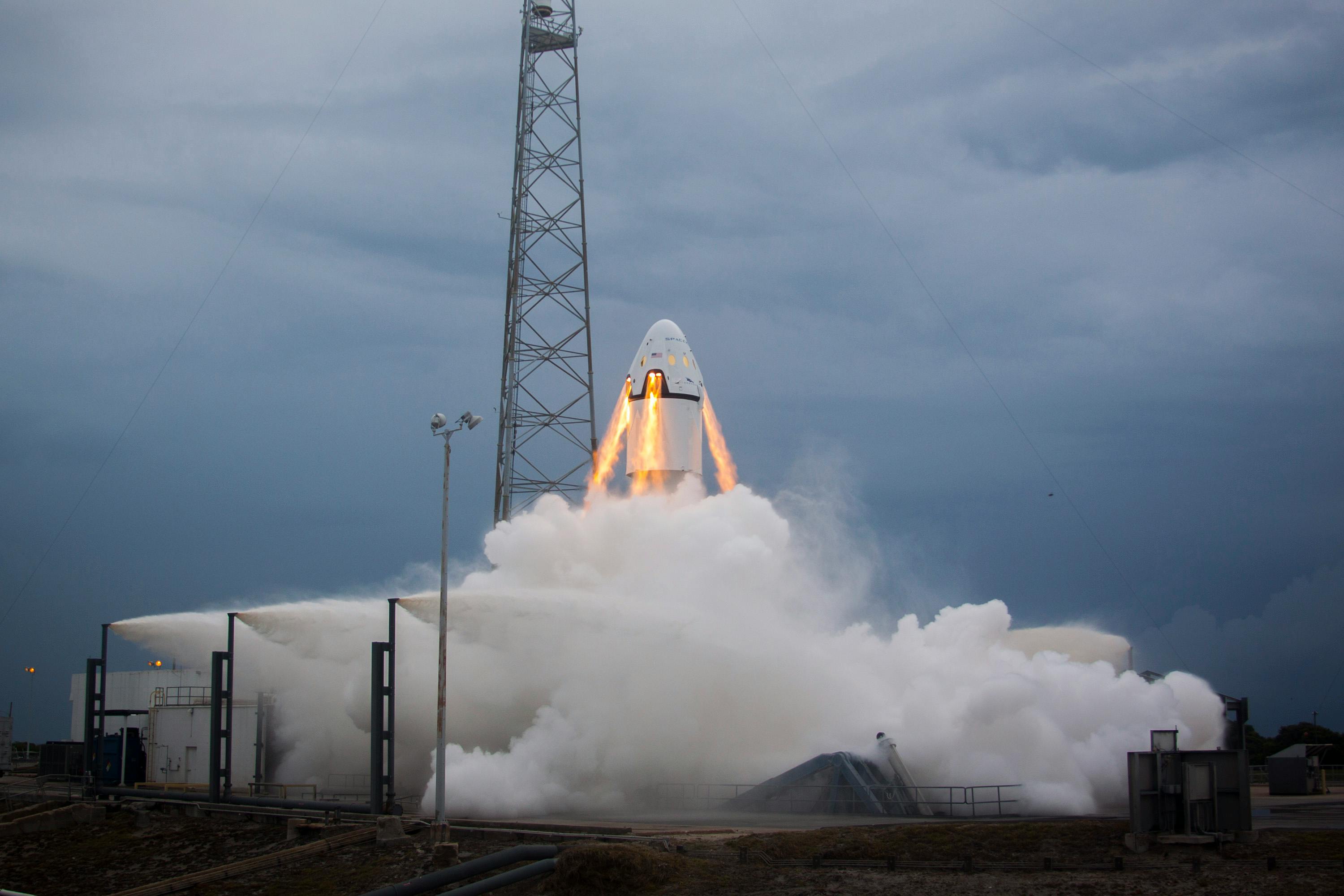
SpaceX secured a $178.5M Space Force contract to launch missile-tracking satellites from 2027, backing the Missile Track Custody threat-tracking layer.
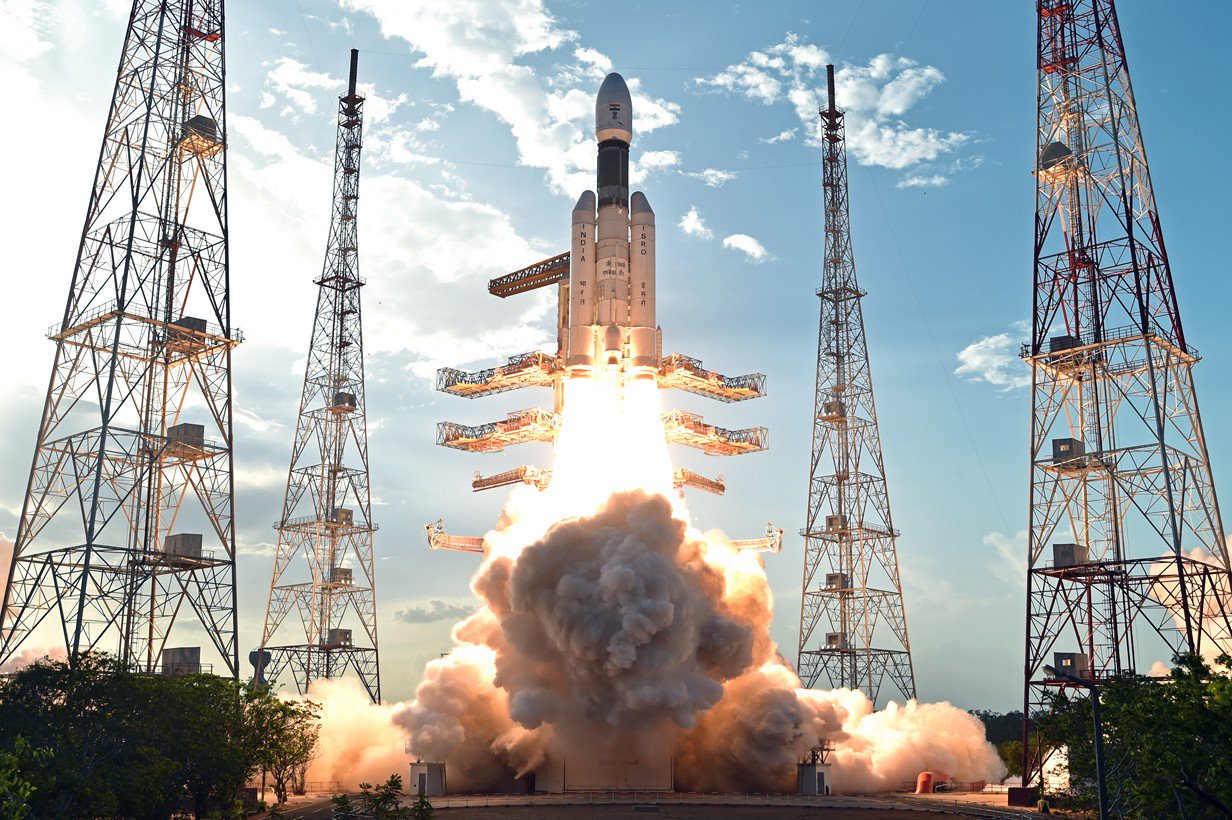
Today's brief covers significant growth forecasts for global defense satellite communications, the integration of hypersonic missiles, cyber authority expansion in the Army, and more pivotal military developments.

Space Force projects 25 additional high-energy missions in 2027–2029 window, straining capacity at Vulcan and Falcon Heavy. Capacity constraints will drive military-NASA prioritization debates.