


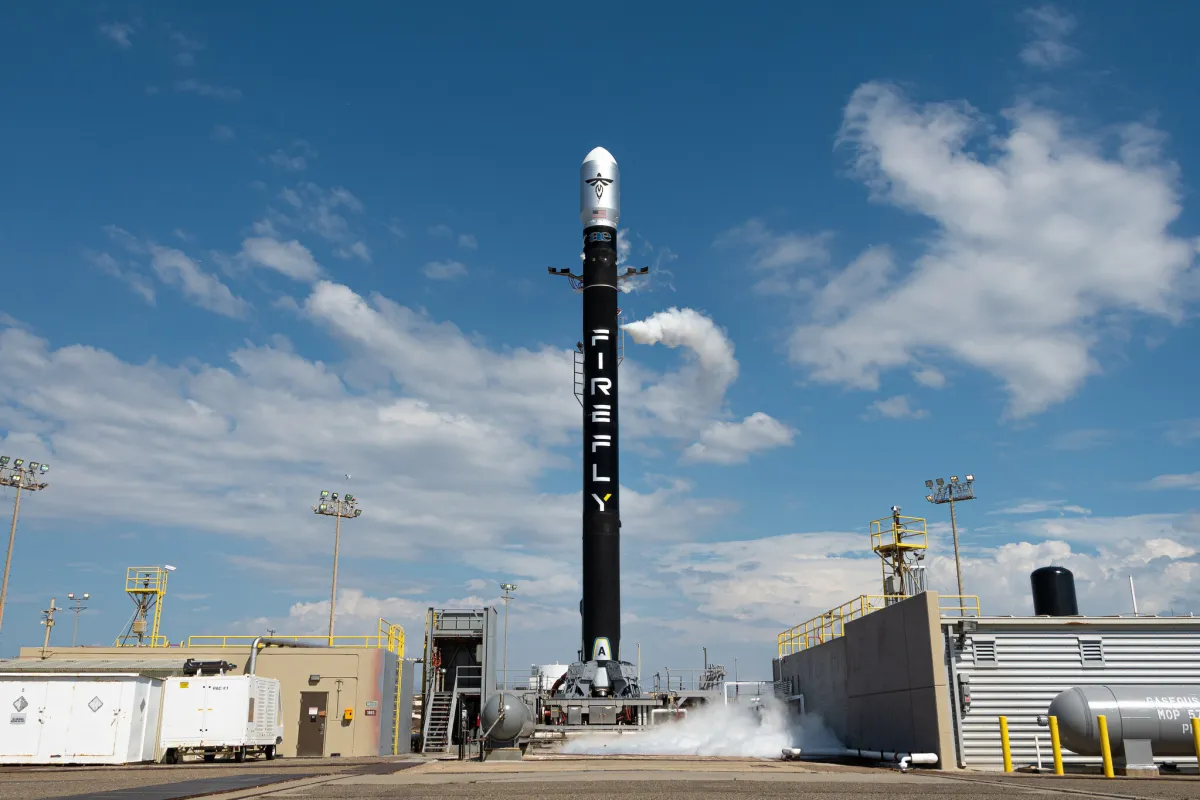
Space Brief 18 Oct 2024
Explore exciting updates on satellite reentries impacting Earth's atmosphere, China's ambitious space exploration plans, and the latest advancements in the search for extraterrestrial life.


Launch Date
January 29, 2003
Launch Site
Launch Pad
SLC17B
Launch Vehicle
Delta 7925-9.5
NORAD ID
27663
International Designator
2003-005A
Epoch
Sat, 04 Jul 2026 01:31:03 GMT
Apogee
Calculating...
Perigee
Calculating...
Inclination
54.88°
Right Ascension
214.30°
Eccentricity
Calculating...
Argument of Perigee
53.13°
Period
717.99 min
Mean Motion
2.01 rev/day
Latitude
Calculating...
Longitude
Calculating...
Altitude
Calculating...
Velocity
Calculating...
Name
NAVSTAR 51 (USA 166)
Alternative Name
GPS IIR-8
Type
Status
Owner
AFSMC
Country
United States
Constellation
N/A
Related Satellites
Major Events
N/A
1 27663U 03005A 26185.06323736 .00000070 00000-0 00000-0 0 9991
2 27663 54.8802 214.2982 0148096 53.1273 311.8752 2.00559687171659
Source: Celestrak
Length
1.5
Diameter
1.9
Span
19.3
Dry Mass
910
Launch Mass
1077
Shape
Box + 2 Pan
Radar Cross Section
10
Visual Magnitude
Unknown
Color
Unknown
Material Composition
Unknown
Payload
GPS SVN 56
Purpose
Navigation
Mission
Navigation
Manufacturer
LMMS
Life Expectancy
10 years
Bus
Series 4000
Configuration
AS-4000
Motor
Star 37XFP
Equipment
?
Power System
2 deployable solar arrays, batteries
ADCS
Unknown
Transmitter Frequency
Unknown
Learn more about satellites and other related topics.
Explore exciting updates on satellite reentries impacting Earth's atmosphere, China's ambitious space exploration plans, and the latest advancements in the search for extraterrestrial life.
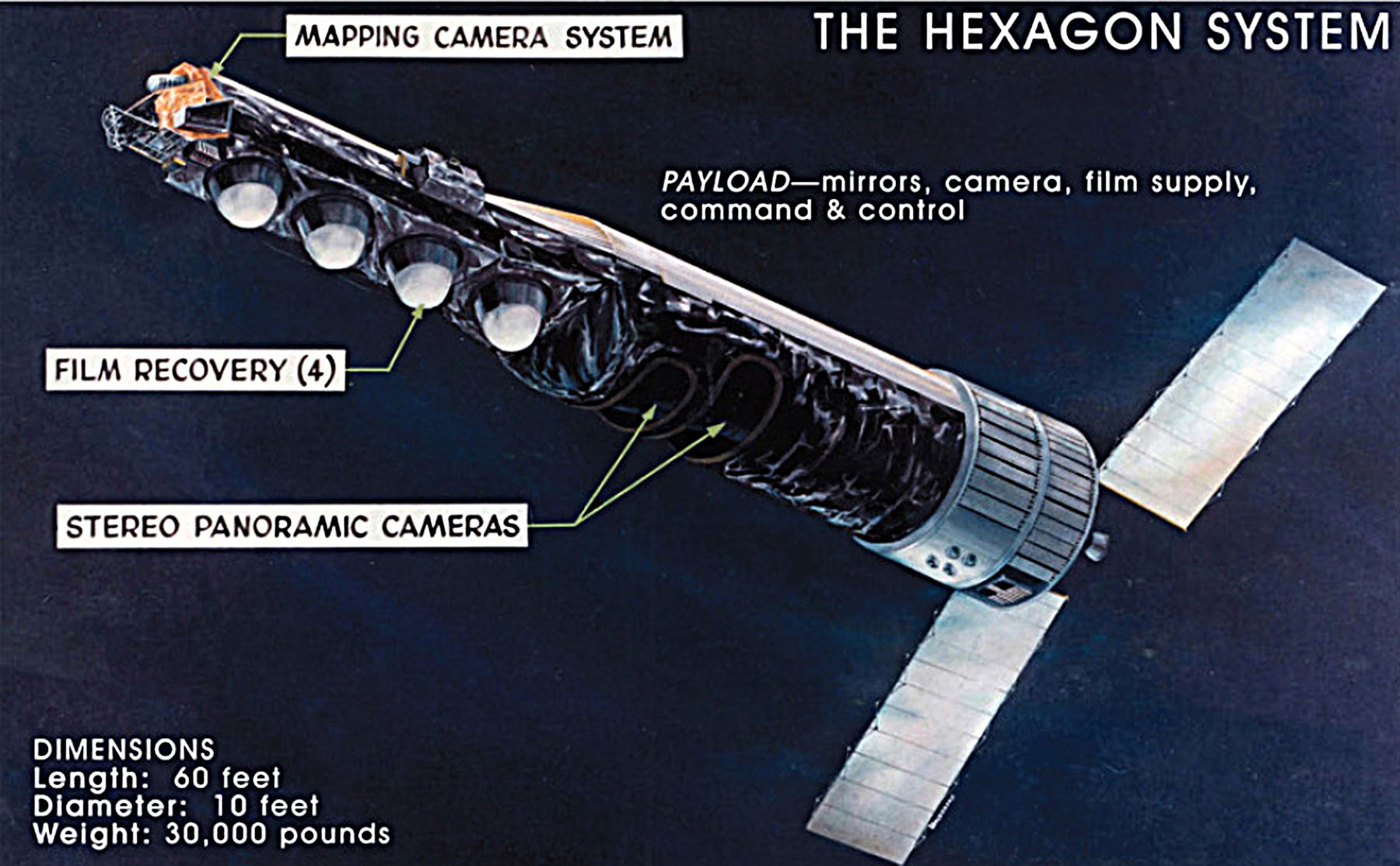
On January 20, 1972, the second KH-9 HEXAGON lifted off from Vandenberg - carrying the most sophisticated reconnaissance system ever built by engineers who weren't allowed to say 'film,' 'camera,' or even talk to each other about what they were doing.

Today's brief covers a groundbreaking national security mission for ULA's Vulcan, NASA's collaboration with LeoLabs for enhanced collision avoidance, and SEOPS' new satellite tracking services, among other key developments.
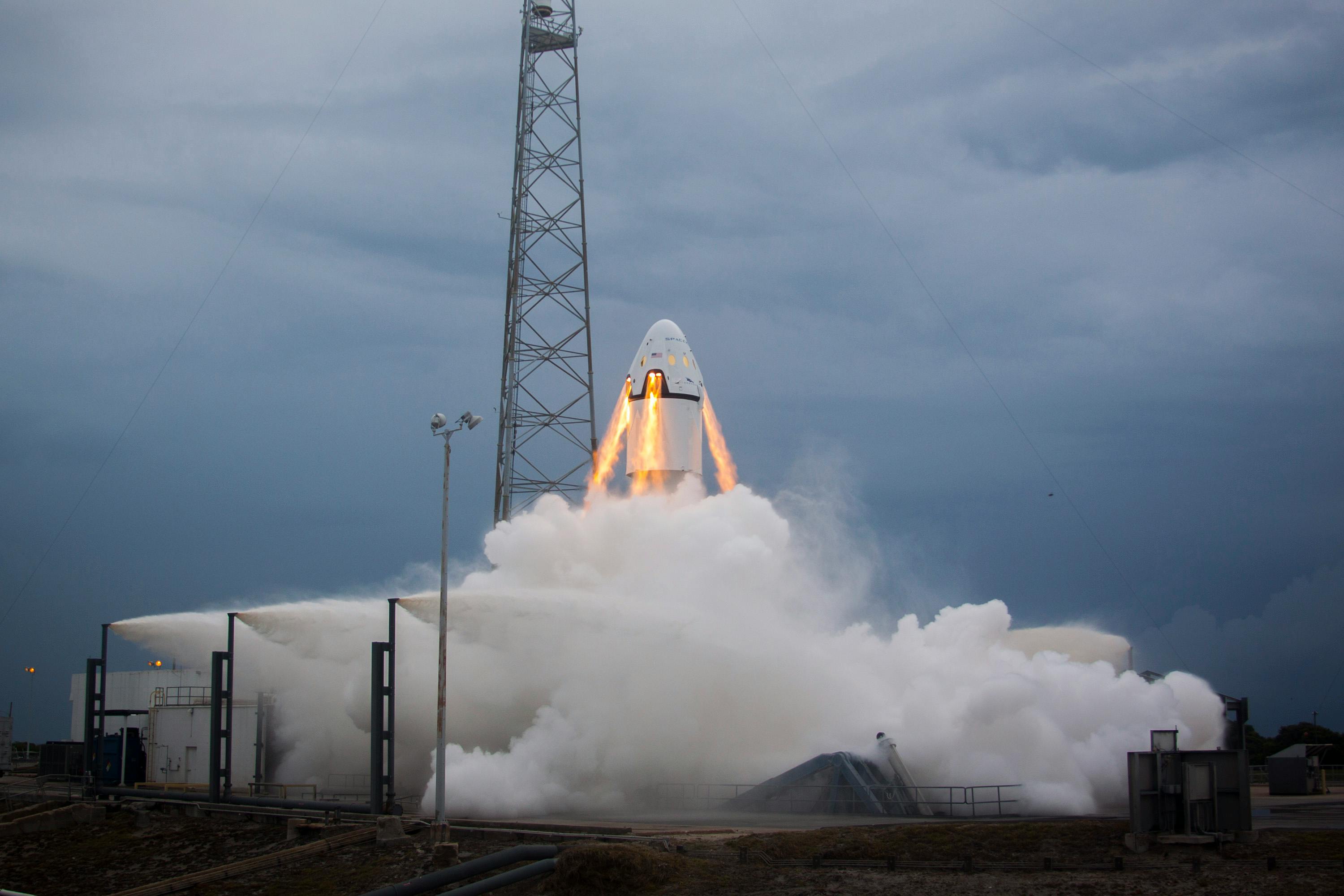
SpaceX receives approval for a new Starship launch complex, while Blue Origin capitalizes on potential challenges faced by SpaceX in lunar missions.

The Kessler Syndrome threatens humanity's future in space as cascading satellite collisions create exponential debris growth. With 36,000+ tracked objects and recent incidents accelerating risks, we face a critical juncture: implement solutions now or potentially lose access to low Earth orbit forever.

Fifty-nine years ago, a revolutionary new rocket thundered skyward from Cape Kennedy, testing the spacecraft that would eventually carry astronauts to the lunar surface
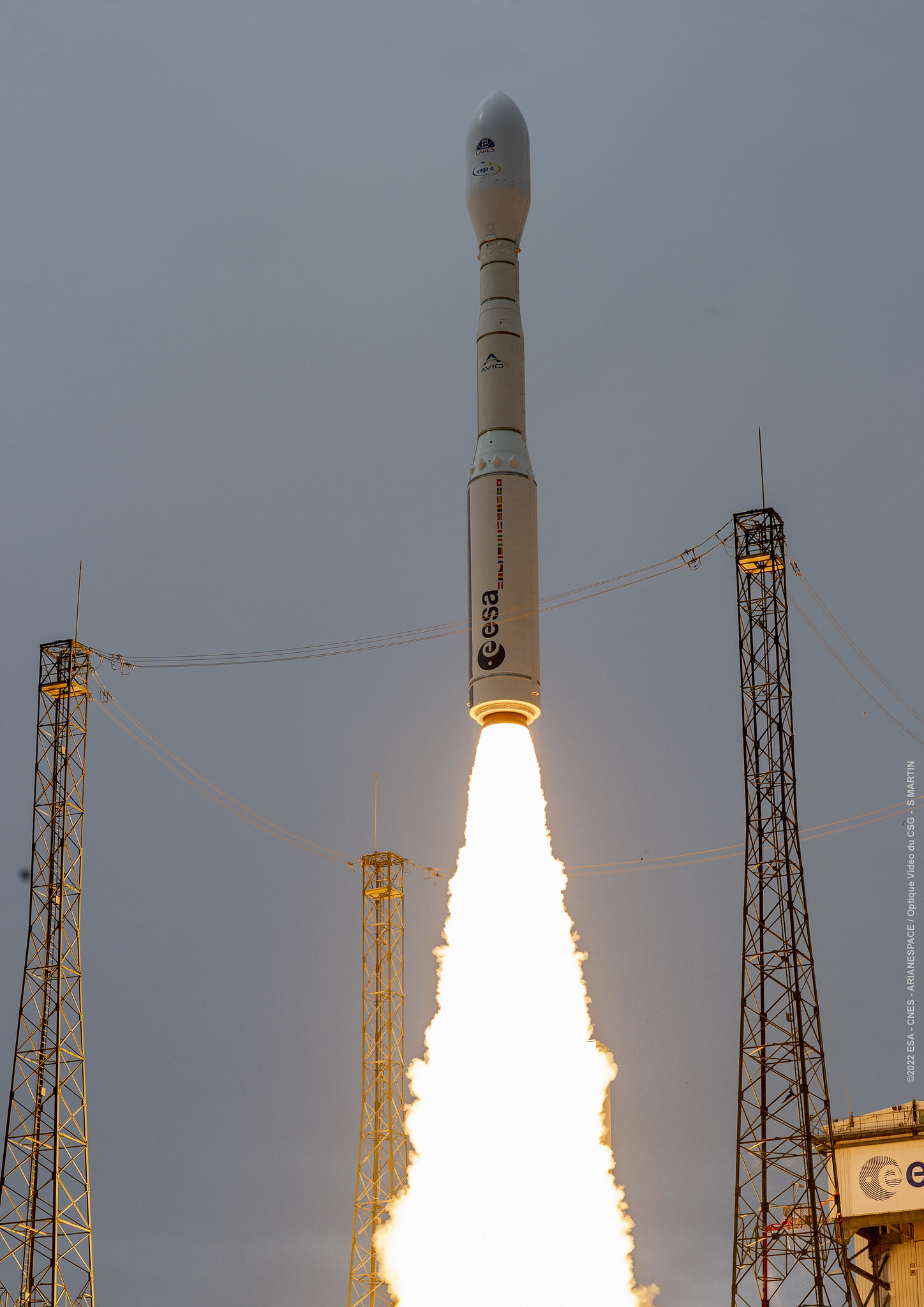
Today's focus spans from major military training initiatives in orbit to key updates on drone policies and crucial satellite launches.

Kratos awarded $447 million Space Force contract for Resilient Missile Warning Tracking ground ops center in Medium Earth Orbit, shifting missile detection away from vulnerable GEO satellites.