


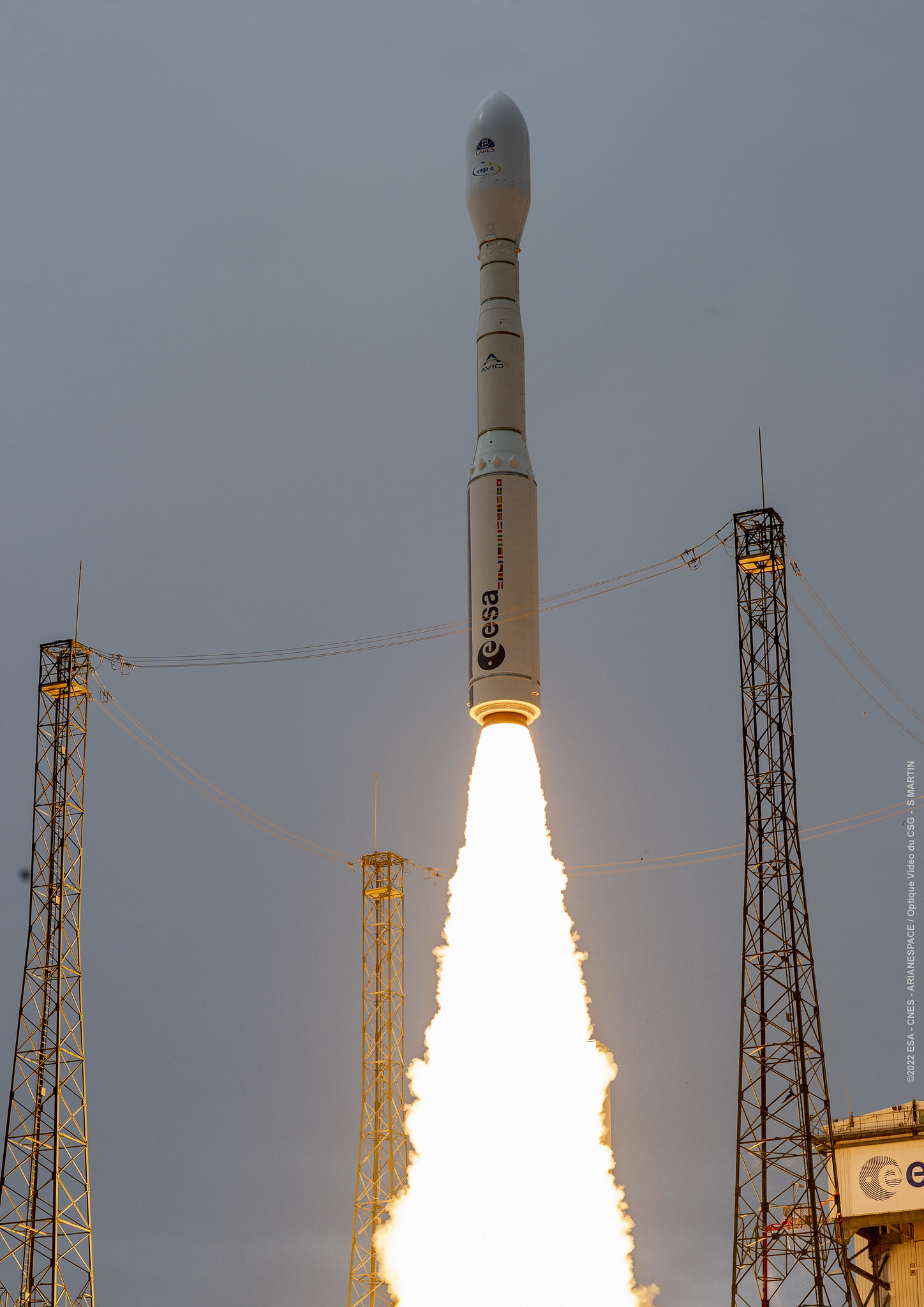
Space Brief 25 Apr 2025
Today's briefing covers the largest-ever spectrum sharing demo planned by the Pentagon, innovative strategies for drone deployment in the Air Force, and significant military procurement developments.


Launch Date
December 29, 2002
Launch Site
Launch Pad
LC81/24
Launch Vehicle
Proton-M/Briz-M
NORAD ID
27632
International Designator
2002-062A
Epoch
Sat, 04 Jul 2026 04:48:48 GMT
Apogee
Calculating...
Perigee
Calculating...
Inclination
9.48°
Right Ascension
56.72°
Eccentricity
Calculating...
Argument of Perigee
44.02°
Period
1436.09 min
Mean Motion
1.00 rev/day
Latitude
Calculating...
Longitude
Calculating...
Altitude
Calculating...
Velocity
Calculating...
Name
NIMIQ 2
Alternative Name
Nimiq 2
Type
Status
Owner
TCAN
Country
Canada
Constellation
N/A
Related Satellites
Major Events
N/A
1 27632U 02062A 26185.20055796 -.00000061 00000-0 00000-0 0 9994
2 27632 9.4826 56.7151 0005547 44.0231 144.4959 1.00272081 44354
Source: Celestrak
Length
4.5
Diameter
1.8
Span
21
Dry Mass
1500
Launch Mass
3600
Shape
Box + 2 Pan
Radar Cross Section
111.2871
Visual Magnitude
Unknown
Color
Unknown
Material Composition
Unknown
Payload
Nimiq 2
Purpose
Communication (Direct Broadcasting)
Mission
Communication (Direct Broadcasting)
Manufacturer
LMCSS
Life Expectancy
12 years
Bus
A2100AX
Configuration
A2100AX
Motor
Leros 1C
Equipment
32 Ku-band transponders (all), 2 Ka-band transponders (#2 only)
Power System
2 deployable solar arrays, batteries
ADCS
Unknown
Transmitter Frequency
Unknown
Learn more about satellites and other related topics.
Today's briefing covers the largest-ever spectrum sharing demo planned by the Pentagon, innovative strategies for drone deployment in the Air Force, and significant military procurement developments.

ULA's Vulcan Centaur faces potential months-long stand-down. Space Force actively exploring payload reassignment and satellite operational life extensions to cover critical national security missions.

Space Force projects ~1,000 launches between FY2027–FY2031, averaging 200 annually. DAF study concludes new launch site is "probably" required to absorb cadence.

Today's highlights include delayed satellite launches, SpaceX's Florida Starship expansion, a historic mission by Europe's Ariane 6, and NASA's twin missions to explore the ends of the Earth and the universe.
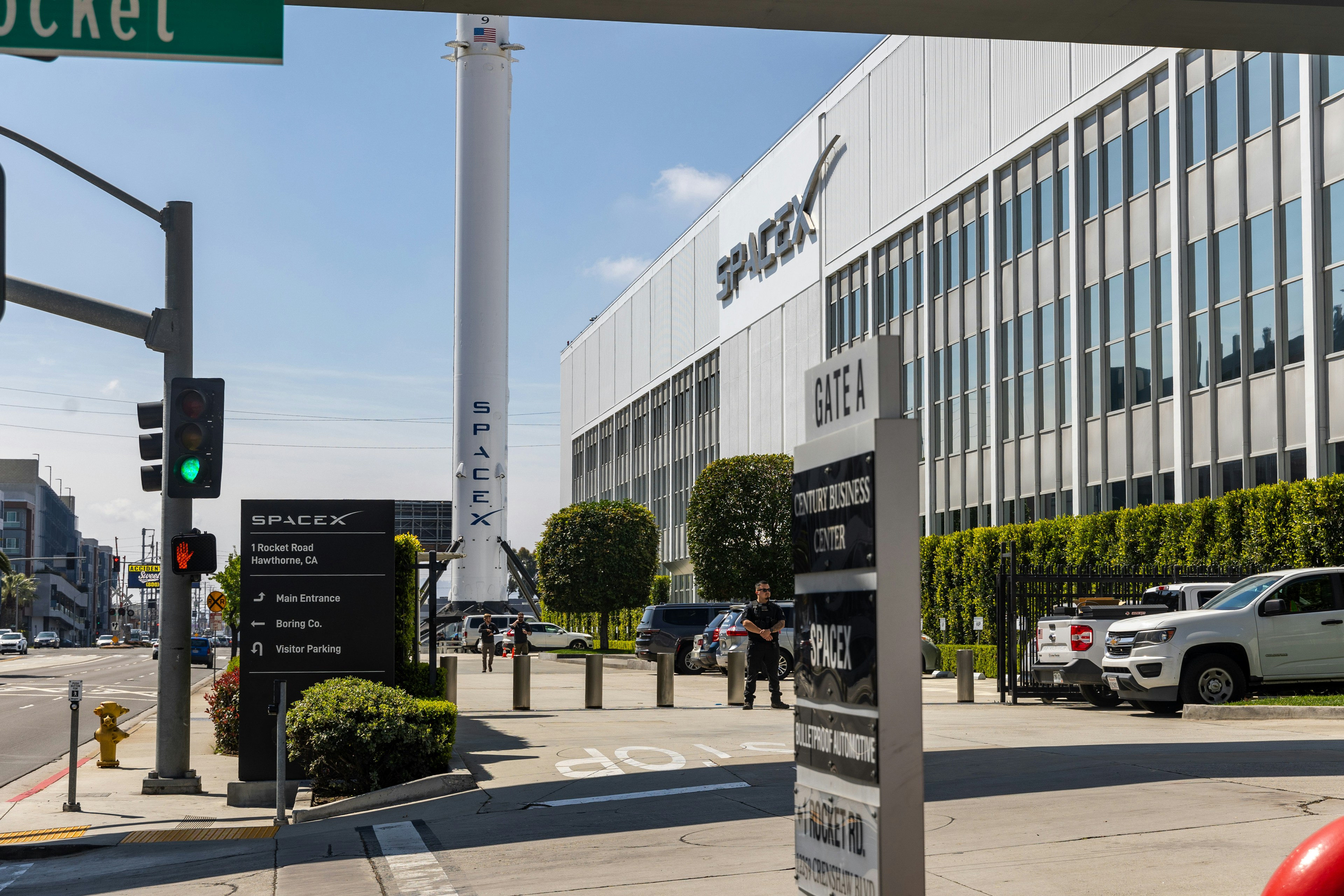
SpaceX sets a new reusability record and continues its busy launch schedule with multiple Starlink missions.
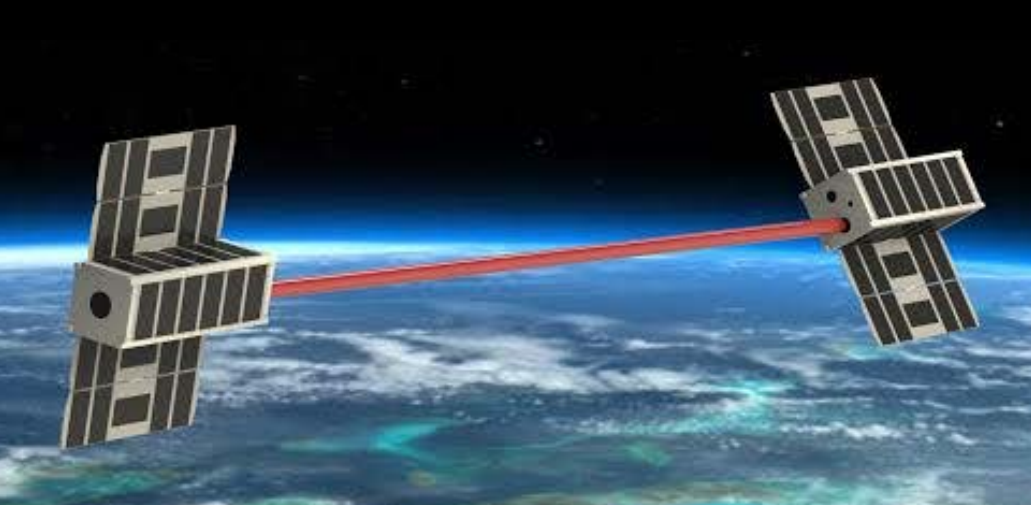
The satellite industry's biggest operators are betting on multi-orbit architectures that combine LEO, MEO, and GEO into unified networks. A San Francisco startup called Contrivian thinks they've overcomplicated the problem, and the physics might be on its side.
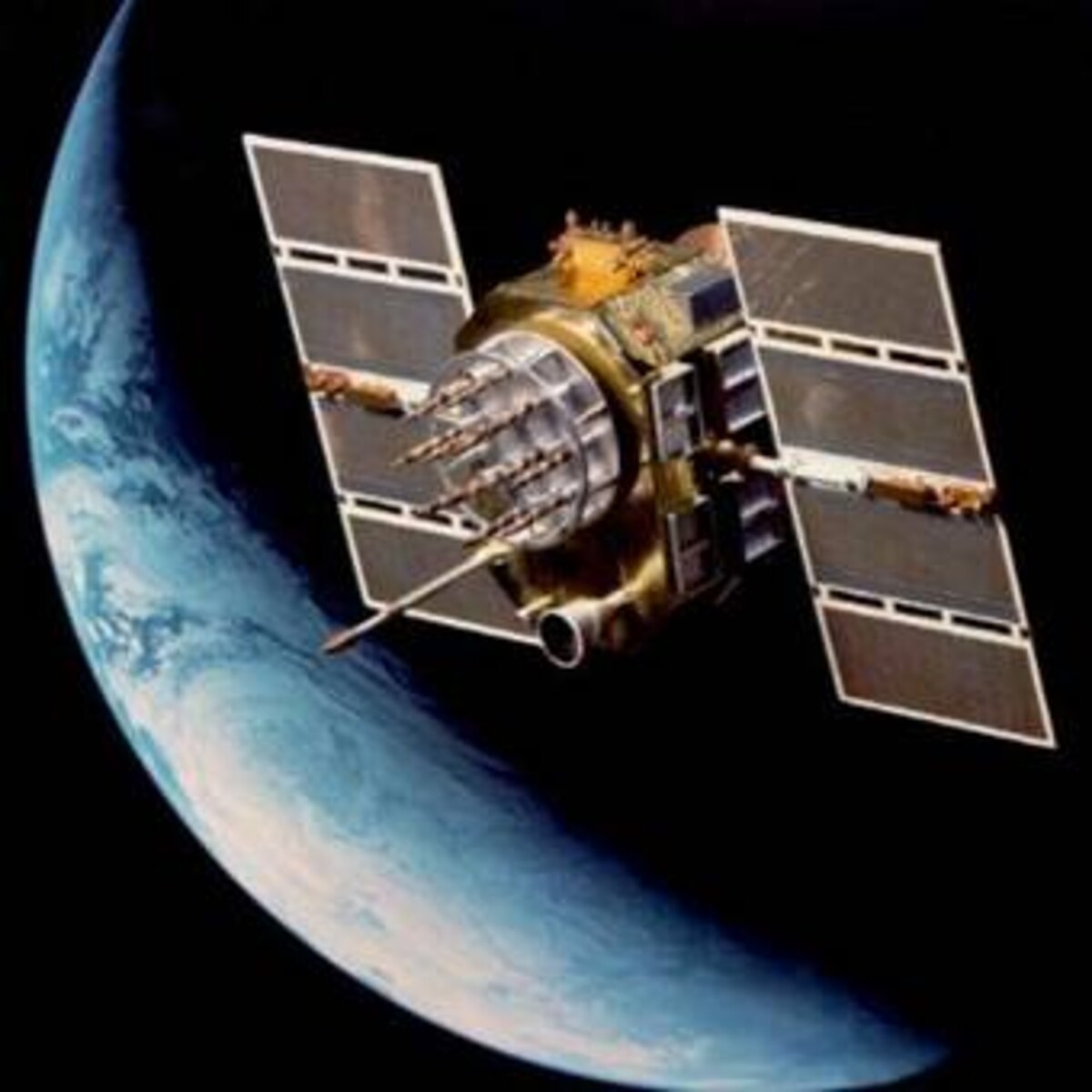
Forty-seven years ago, an Atlas rocket carried the first GPS satellite into orbit, launching a revolution in navigation that would transform daily life across the globe
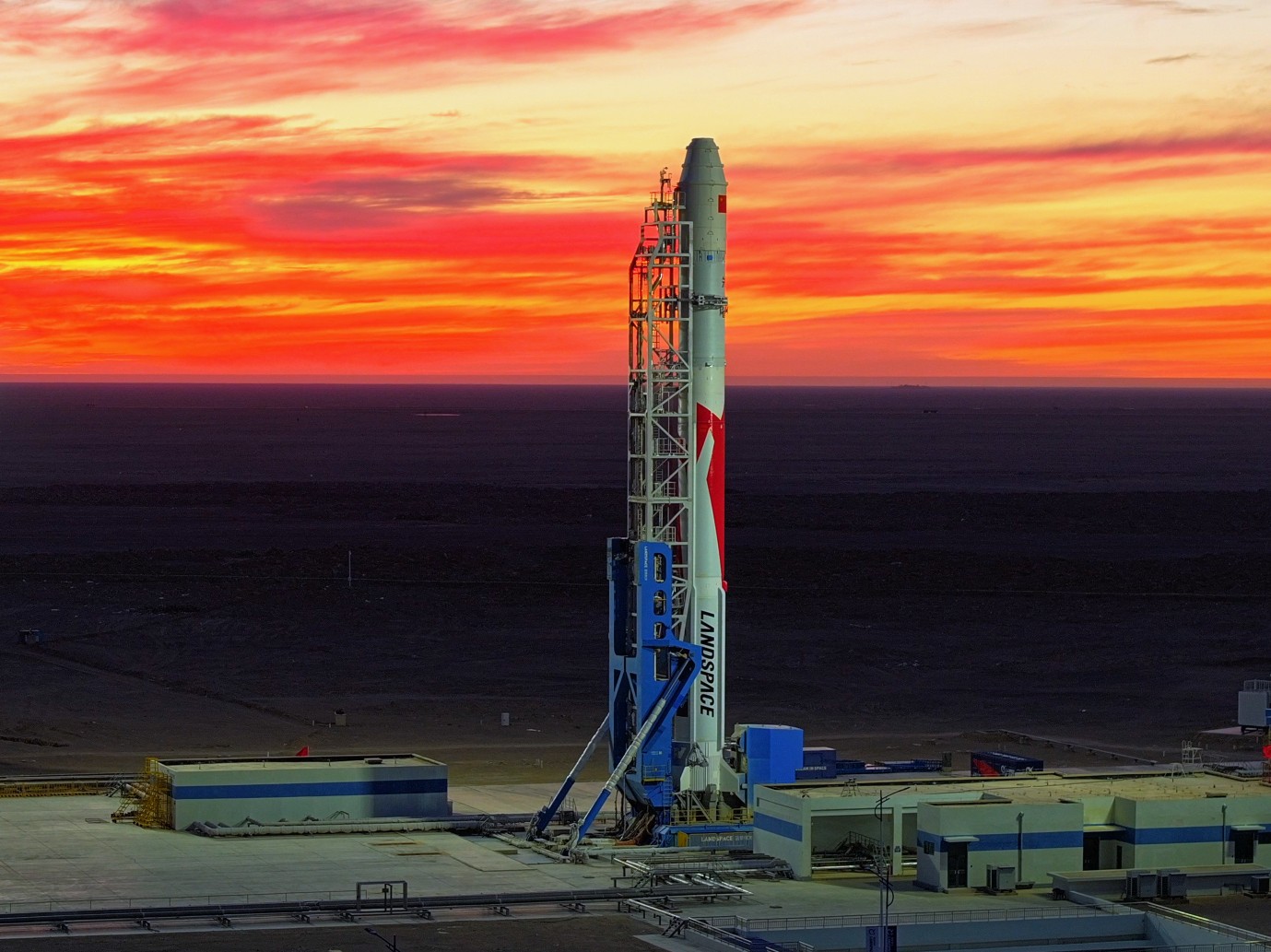
Today's brief covers Rocket Lab's Neutron being selected for military tests, Space Force's strategic updates, Germany's SAR satellite plans, and a significant NASA nomination.