


Starlink Constellation Size Nears 10,000, X Report 16 Mar 2026
Starlink constellation size in March 2026: 9,996 satellites in orbit and 9,986 working from 11,504 launched, as SpaceX deorbits legacy V1.0 hardware.


Launch Date
December 20, 2002
Launch Site
Launch Pad
LC109/95
Launch Vehicle
Dnepr
NORAD ID
27609
International Designator
2002-058E
Epoch
Fri, 03 Jul 2026 16:28:33 GMT
Apogee
Calculating...
Perigee
Calculating...
Inclination
64.56°
Right Ascension
285.89°
Eccentricity
Calculating...
Argument of Perigee
242.02°
Period
97.21 min
Mean Motion
14.81 rev/day
Latitude
Calculating...
Longitude
Calculating...
Altitude
Calculating...
Velocity
Calculating...
Name
TRAILBLAZER 2
Alternative Name
Trailblazer Dummy
Type
Status
Owner
TRORB
Country
United States
Constellation
N/A
Related Satellites
Major Events
N/A
1 27609U 02058E 26184.68650133 .00000338 00000-0 61218-4 0 9998
2 27609 64.5560 285.8889 0047850 242.0197 117.6062 14.81356909270131
Source: Celestrak
Length
1.5
Diameter
0.8
Span
1.5
Dry Mass
450
Launch Mass
450
Shape
Step Cyl
Radar Cross Section
1.3843
Visual Magnitude
Unknown
Color
Unknown
Material Composition
Unknown
Payload
GVM Trailblazer-2001
Purpose
Technology
Mission
Technology
Manufacturer
YUZHUA
Life Expectancy
Unknown
Bus
TB Dummy
Configuration
Octagonal Prism and cylinder
Motor
None
Equipment
None
Power System
None
ADCS
Unknown
Transmitter Frequency
Unknown
Learn more about satellites and other related topics.
Starlink constellation size in March 2026: 9,996 satellites in orbit and 9,986 working from 11,504 launched, as SpaceX deorbits legacy V1.0 hardware.
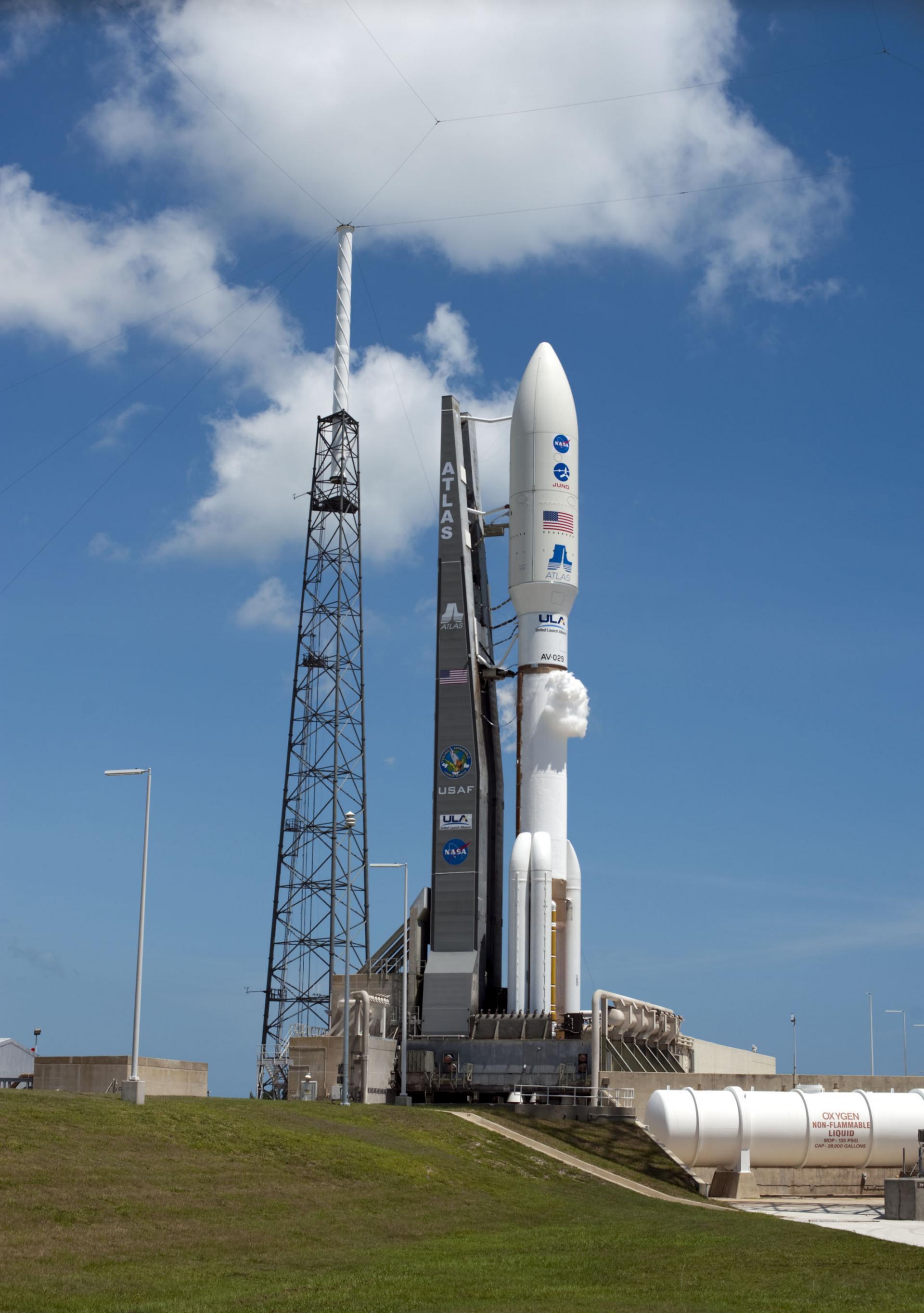
Falcon Heavy launched ViaSat-3 F3 on April 27, its 12th flight, with the first dual landing zone recovery. Plus Soyuz-5's demo flight nears at Baikonur.

Today's headlines include new launch schedules, military industrial base challenges, and NASA's exploration of historic Cold War sites. Discover significant space events and satellite insights.
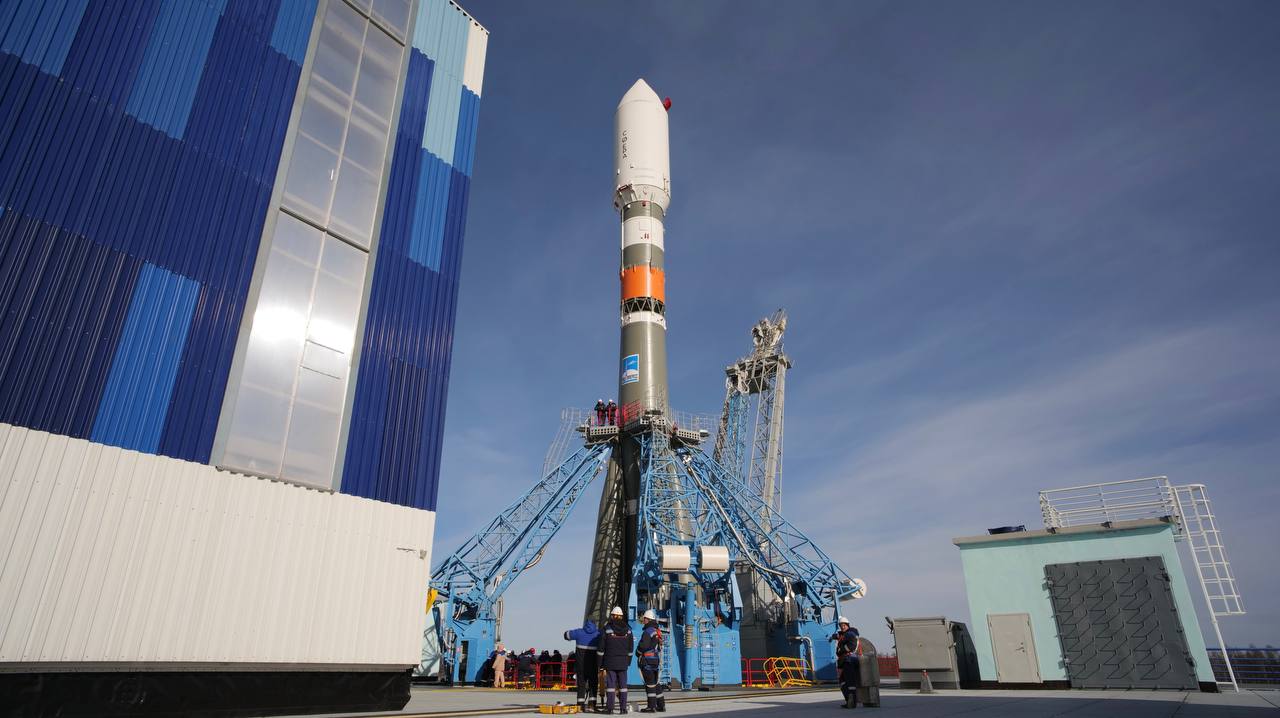
Today's brief covers influential space events including Space Force's interest in Starship, U.S. military constellation advancements, and technological developments in counter-drone capabilities.
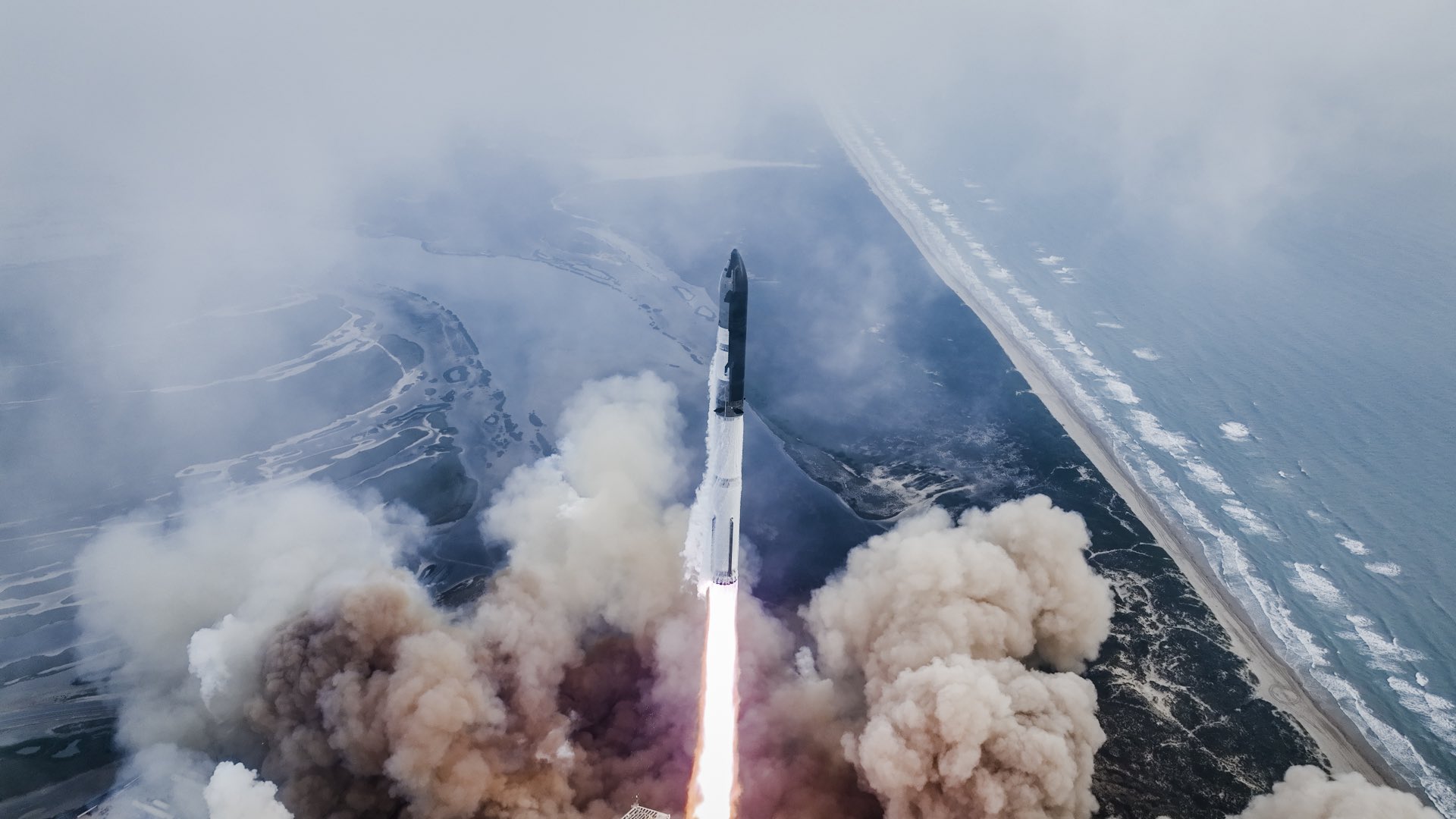
Today's edition covers China's latest launches in their classified satellite programs, ongoing discussions in the U.S. Senate on missile defense, and the ever-escalating space debris crisis threatening national security.

SpaceX successfully launches 28 Starlink satellites on a new Falcon 9 rocket from California, marking a significant milestone for their satellite constellation.
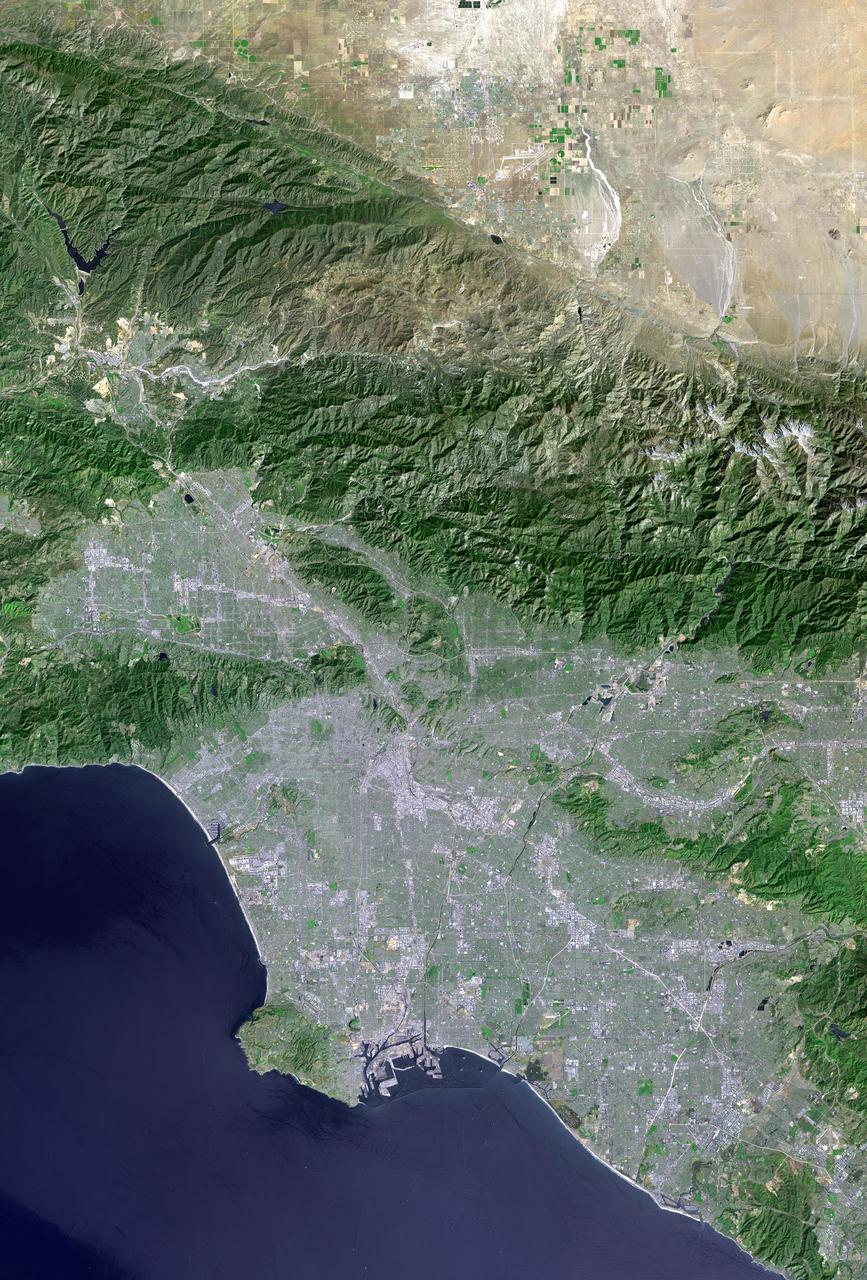
Landsat 7 launched on April 15, 1999, designed to last five years. It operated for twenty-five, survived a failure that destroyed a fifth of every image it took, and became part of the longest continuous record of Earth's surface ever assembled. Then they made the data free.
Today's brief highlights significant advancements in satellite launches, new defense contracts, and technological integrations between major firms in the space sector.