


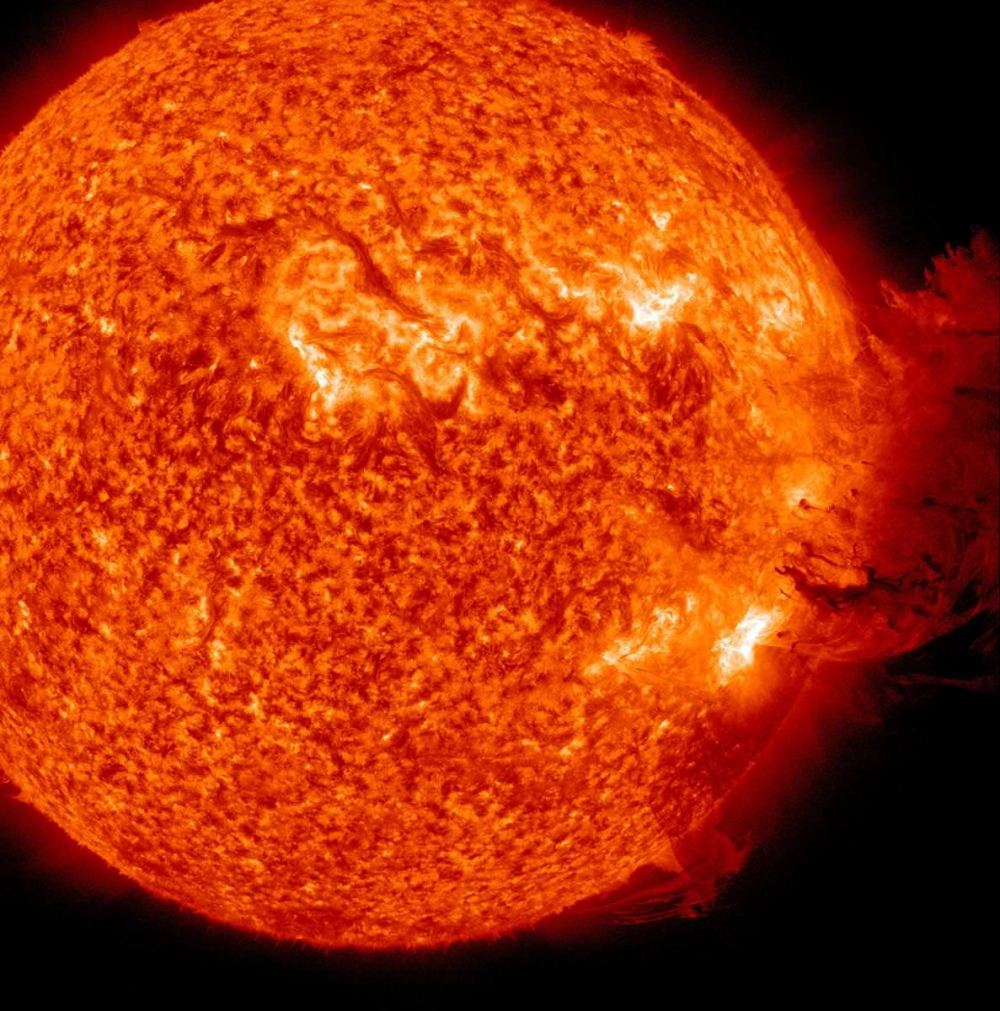
The Day Humanity Gained New Eyes on the Sun
Fifteen years ago, NASA launched its most advanced solar observatory, revolutionizing our understanding of our star and transforming space weather prediction


Launch Date
December 20, 2002
Launch Site
Launch Pad
LC109/95
Launch Vehicle
Dnepr
NORAD ID
27607
International Designator
2002-058C
Epoch
Fri, 03 Jul 2026 19:27:41 GMT
Apogee
Calculating...
Perigee
Calculating...
Inclination
64.55°
Right Ascension
77.55°
Eccentricity
Calculating...
Argument of Perigee
259.37°
Period
97.10 min
Mean Motion
14.83 rev/day
Latitude
Calculating...
Longitude
Calculating...
Altitude
Calculating...
Velocity
Calculating...
Name
SAUDISAT 1C (SO-50)
Alternative Name
Saudi-OSCAR-50
Type
Status
Owner
KACST
Country
Saudi Arabia
Constellation
N/A
Related Satellites
Major Events
N/A
1 27607U 02058C 26184.81089851 .00001055 00000-0 14145-3 0 9997
2 27607 64.5520 77.5517 0074851 259.3699 99.8971 14.83081688266921
Source: Celestrak
Length
0.2
Diameter
0.2
Span
0.2
Dry Mass
15
Launch Mass
15
Shape
Box
Radar Cross Section
0.0905
Visual Magnitude
Unknown
Color
Unknown
Material Composition
Unknown
Payload
Saudisat 1C
Purpose
Technology
Mission
Technology
Manufacturer
KACST
Life Expectancy
Unknown
Bus
Saudisat
Configuration
23 cm cube
Motor
None
Equipment
Unknown
Power System
Solar cells, batteries
ADCS
Unknown
Transmitter Frequency
Unknown
Learn more about satellites and other related topics.
Fifteen years ago, NASA launched its most advanced solar observatory, revolutionizing our understanding of our star and transforming space weather prediction

Today's brief covers key industry movements in space logistics and satellite production, including Rocket Lab's new U.S. Air Force contract, Sierra Space's strides in GPS technology, and more.
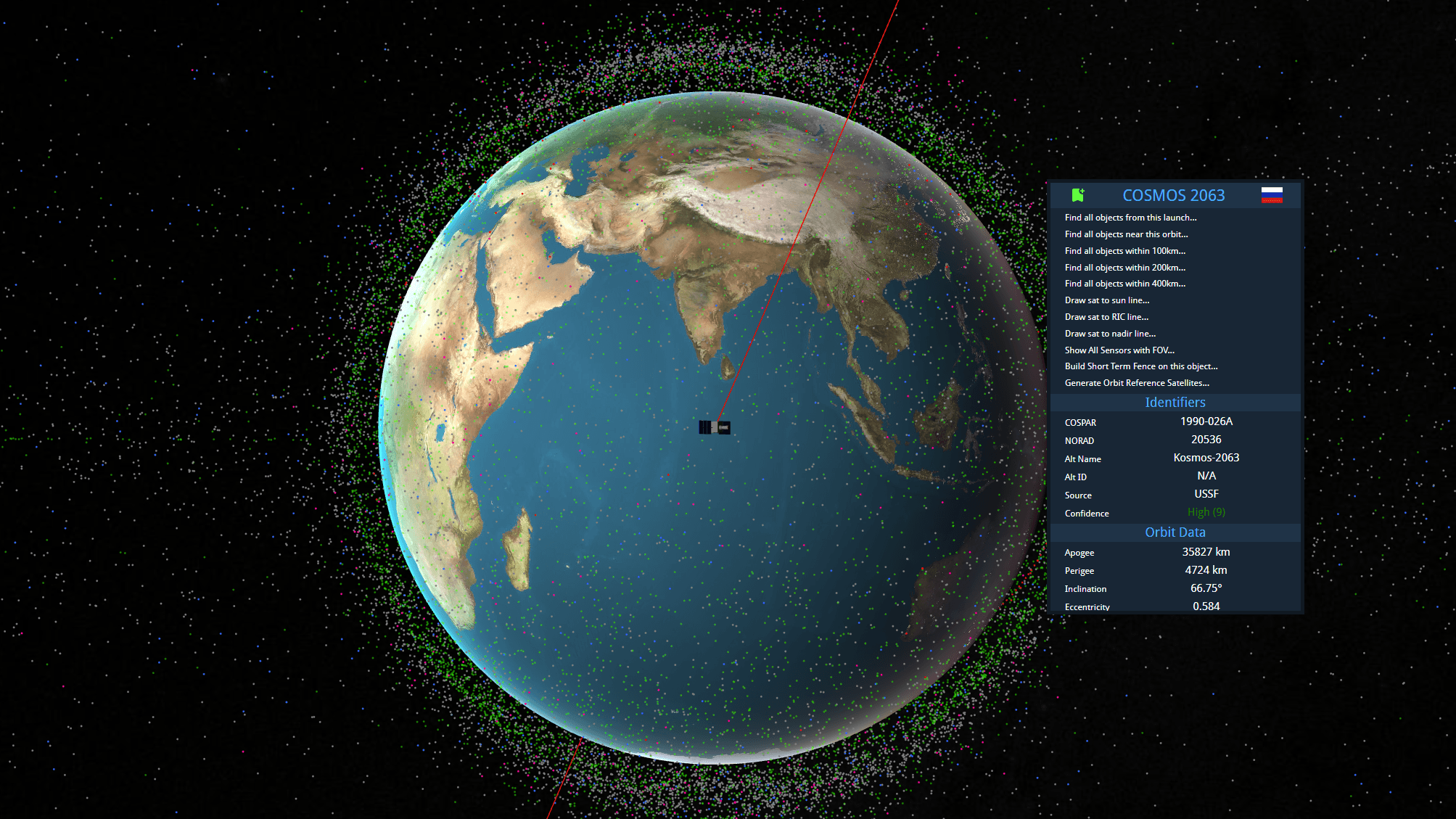
Today's Space Brief explores new satellite launches, significant reentries, funding milestones, and critical policy updates.

Today's brief covers ULA's new mission for the US Space Force, China's moon rocket test, delays in the DARC radar system, and SpaceX's Starlink launches.

Today’s Space Brief covers significant developments such as SpaceX’s latest Starlink launch, the US Space Force testing modular satellite technology, and key long-range missile tests by the Pentagon.
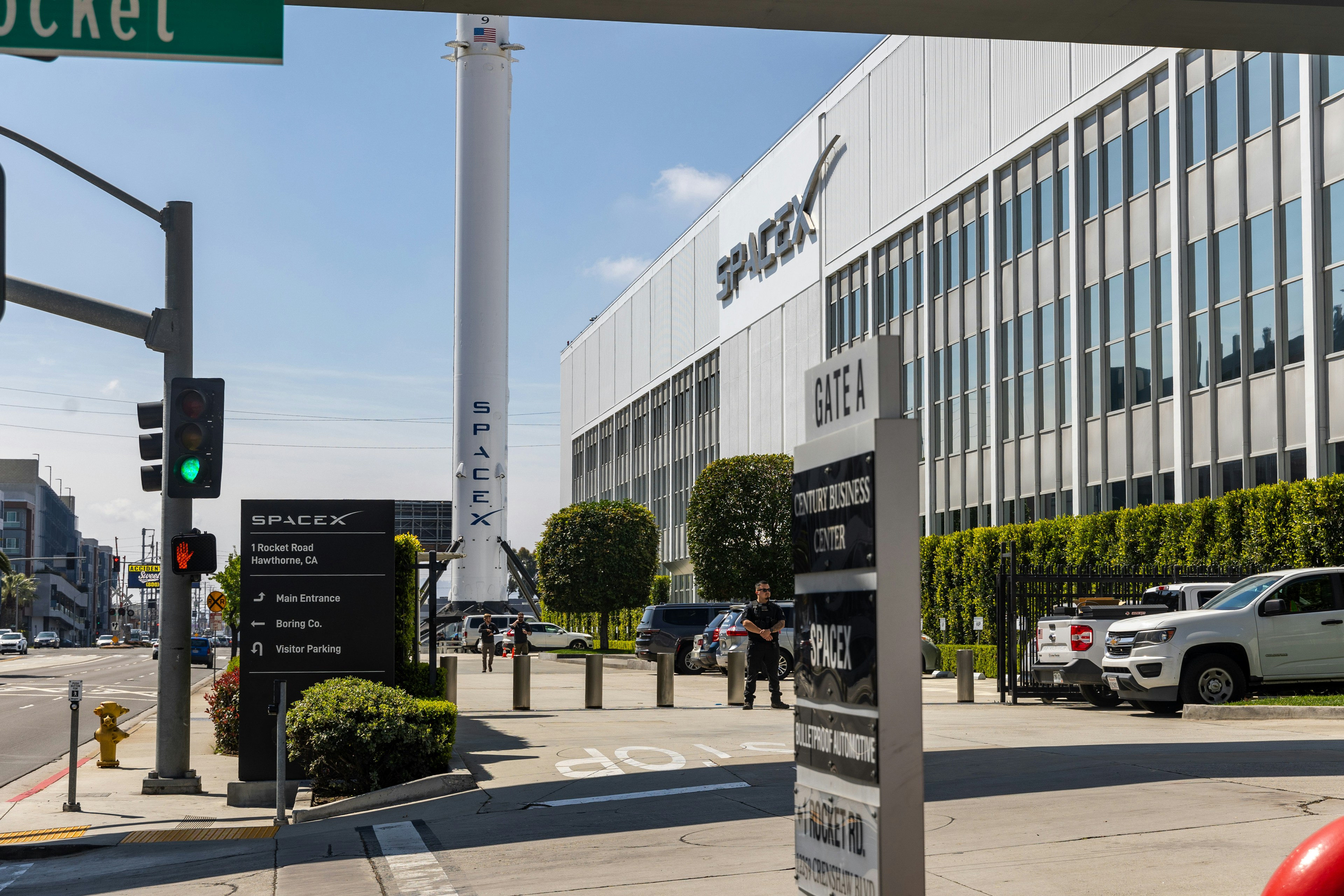
How many Starlink satellites are in orbit in 2026? SpaceX passed 10,000 after the Starlink 17-24 launch, with 10,020 in orbit and 11,529 launched.
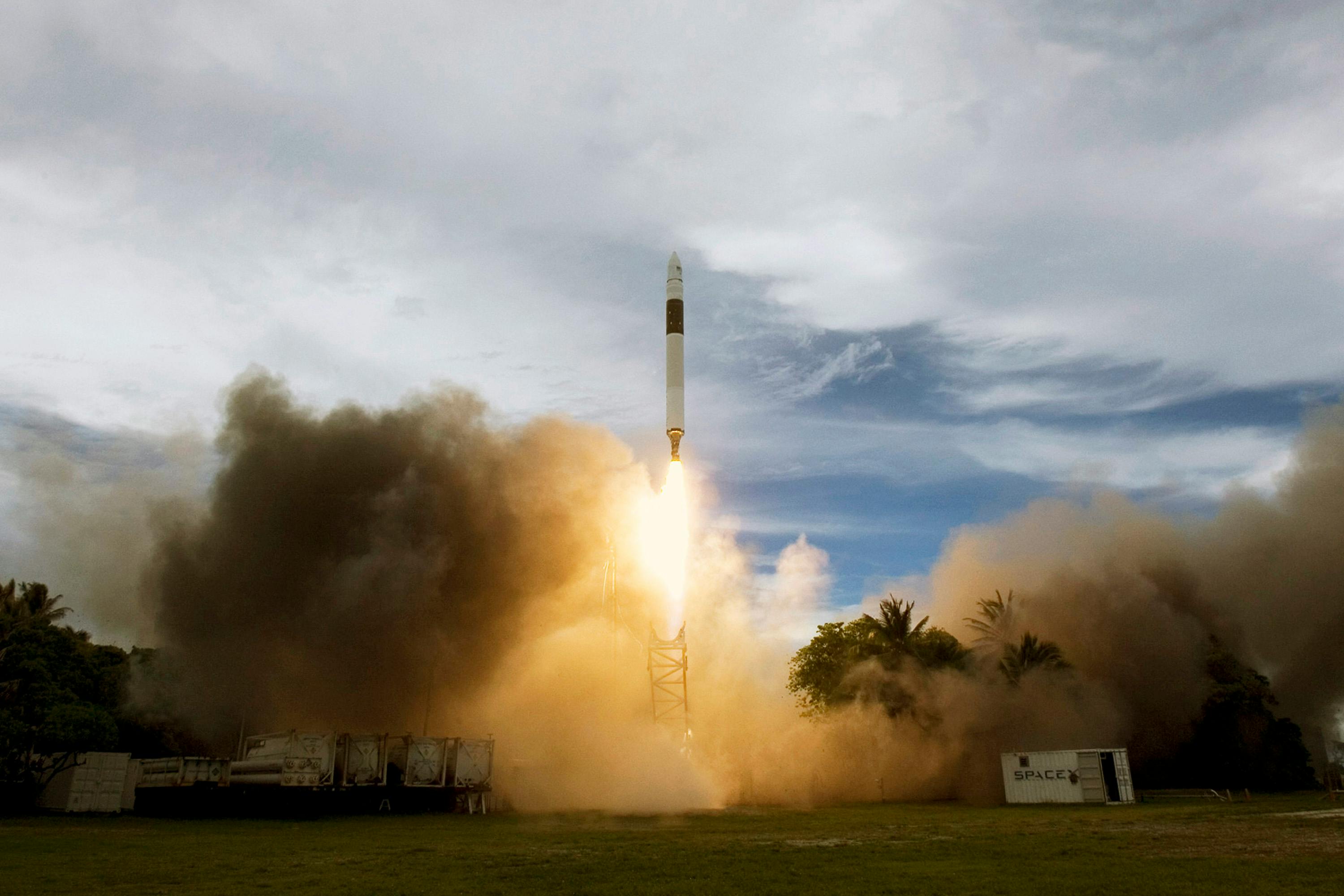
SpaceX faces a series of challenges with scrubbing the Starship Flight 8 launch and losing a Falcon 9 booster post-landing, while successfully deploying new Starlink satellites.

Space Force contracts Viasat and SES for $437M Protected Tactical Satcom-Global program. Four new GEO satellites replace vulnerable single-satellite systems.