


Space Brief 18 Feb 2025
Today's briefs cover SpaceX landing a Falcon 9 in The Bahamas, first disabled astronaut prepped for a mission, and key company updates from Blue Origin and K2 Space.


Launch Date
December 14, 2002
Launch Site
TANSC
Launch Pad
Y
Launch Vehicle
H-IIA 202
NORAD ID
27600
International Designator
2002-056D
Epoch
Sat, 04 Jul 2026 03:22:14 GMT
Apogee
Calculating...
Perigee
Calculating...
Inclination
98.81°
Right Ascension
152.07°
Eccentricity
Calculating...
Argument of Perigee
259.01°
Period
100.64 min
Mean Motion
14.31 rev/day
Latitude
Calculating...
Longitude
Calculating...
Altitude
Calculating...
Velocity
Calculating...
Name
MICRO LABSAT
Alternative Name
Micro-LabSat
Type
Status
Owner
NASDA
Country
Japan
Constellation
N/A
Related Satellites
Major Events
N/A
1 27600U 02056D 26185.14044071 .00000151 00000-0 75188-4 0 9991
2 27600 98.8135 152.0658 0009435 259.0148 100.9973 14.30854095228963
Source: Celestrak
Length
0.7
Diameter
0.6
Span
0.6
Dry Mass
54
Launch Mass
54
Shape
Oct Cyl
Radar Cross Section
0.461
Visual Magnitude
Unknown
Color
Unknown
Material Composition
Unknown
Payload
Mu-Lab-Sat
Purpose
Technology
Mission
Technology
Manufacturer
NASDM
Life Expectancy
Unknown
Bus
Unknown
Configuration
Octagonal prism
Motor
Unknown
Equipment
RITE, 2 Targets
Power System
Solar cells, batteries
ADCS
Unknown
Transmitter Frequency
Unknown
Learn more about satellites and other related topics.
Today's briefs cover SpaceX landing a Falcon 9 in The Bahamas, first disabled astronaut prepped for a mission, and key company updates from Blue Origin and K2 Space.
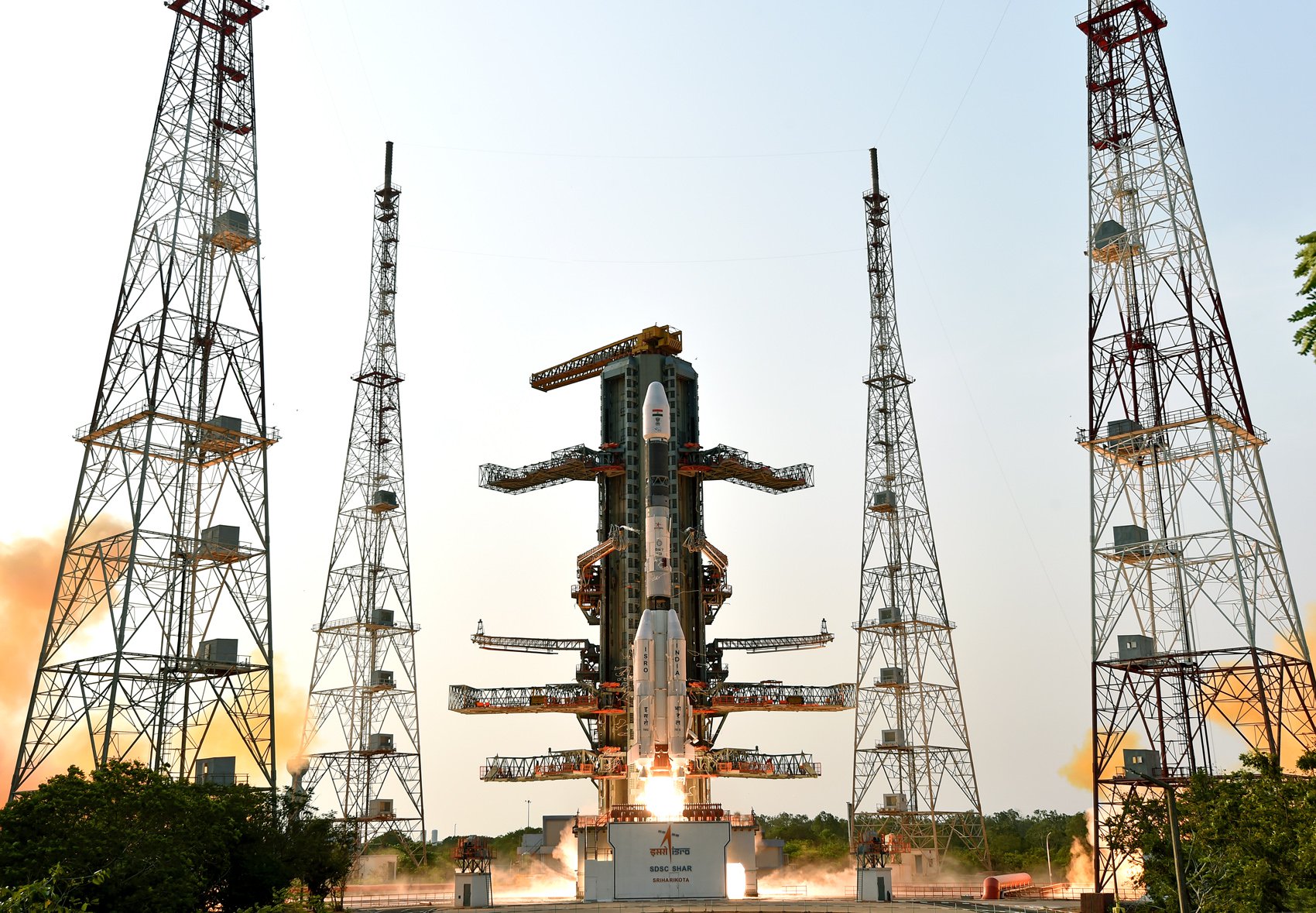
Discover the latest in space news with the ULA's recent launch for the US Space Force, significant developments in radar tracking at high altitudes, and impactful policy changes involving military space missions.

Today's briefing includes new appointments in U.S. military and defense sectors, X-37B's continued mission, and international policy shifts affecting satellite technology sales.
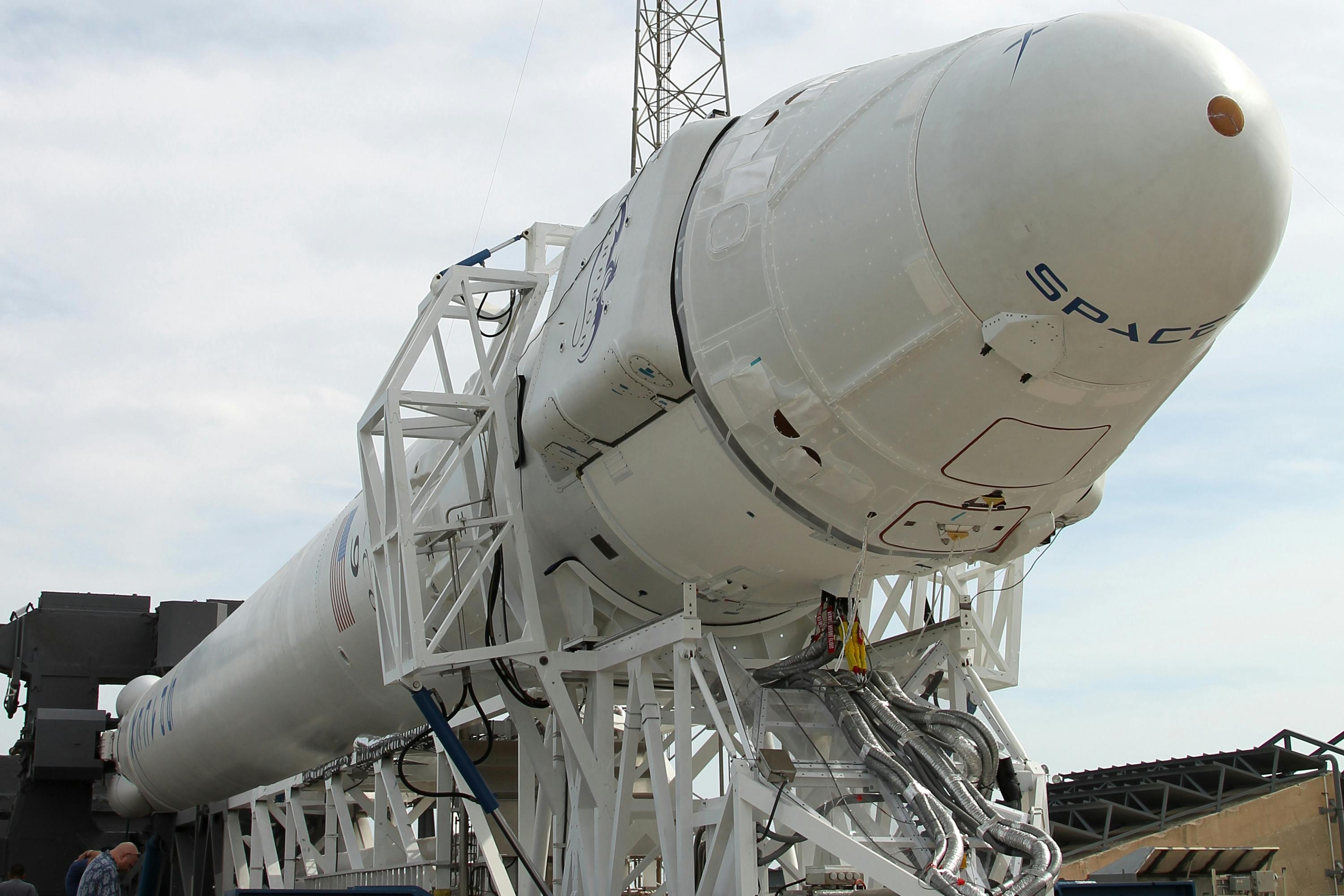
Today's highlights cover critical satellite launches including SpaceX's GPS III mission, advancements in SATCOM technology, and changes in NASA leadership.
Starship V3 timeline: Musk puts Flight 12 about 4 weeks out, early to mid April 2026. SpaceX also hit 30 missions of 2026 with the 15,000-lb EchoStar 25.

Astroscale selects Isar Aerospace to launch ELSA-M, a commercial deorbit mission targeting defunct satellites in LEO. Over 20,000 trackable debris objects now in orbit.
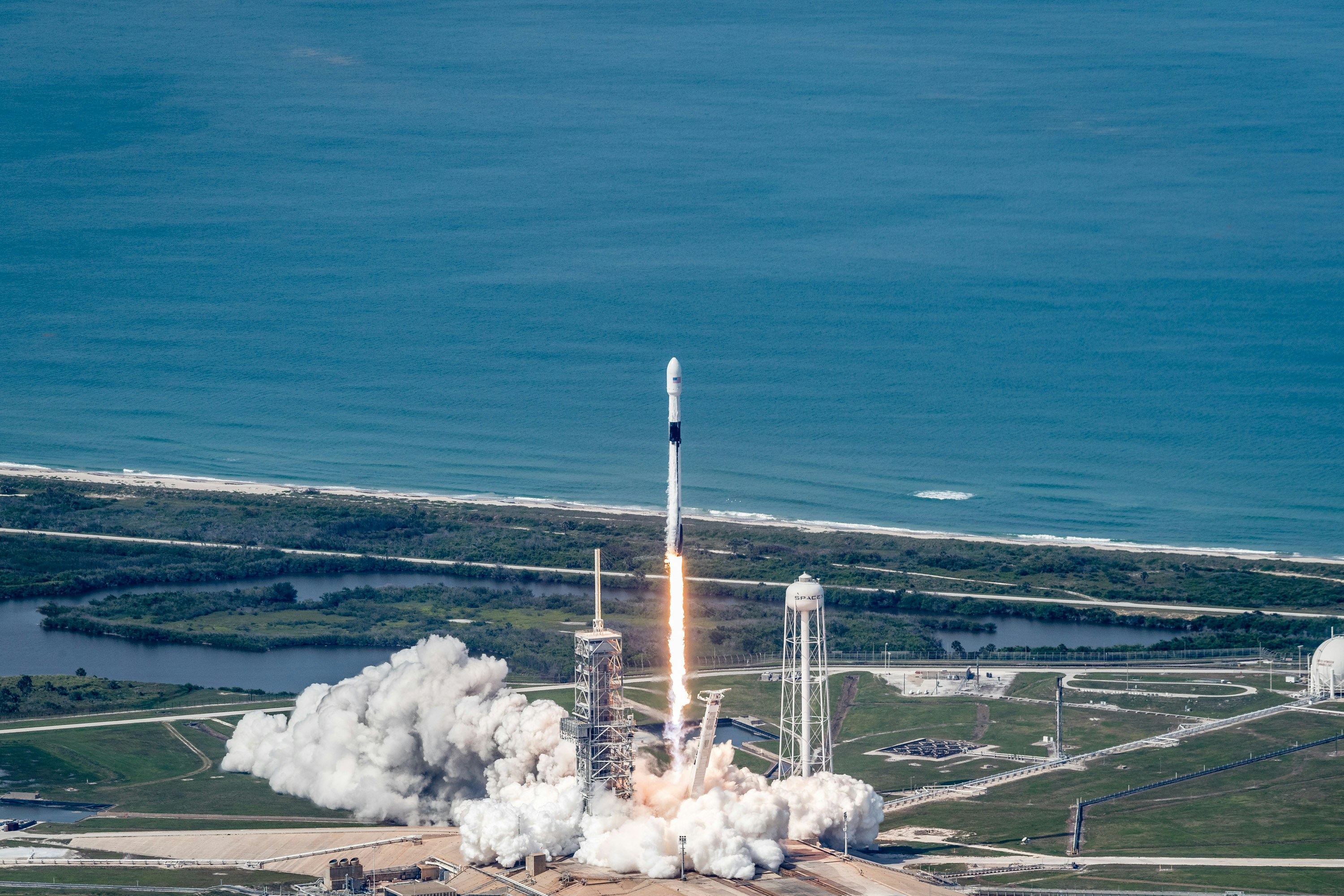
Today's key development highlights SpaceX's upcoming launch of 29 Starlink satellites from Cape Canaveral, marking the start of an active month for the satellite constellation.
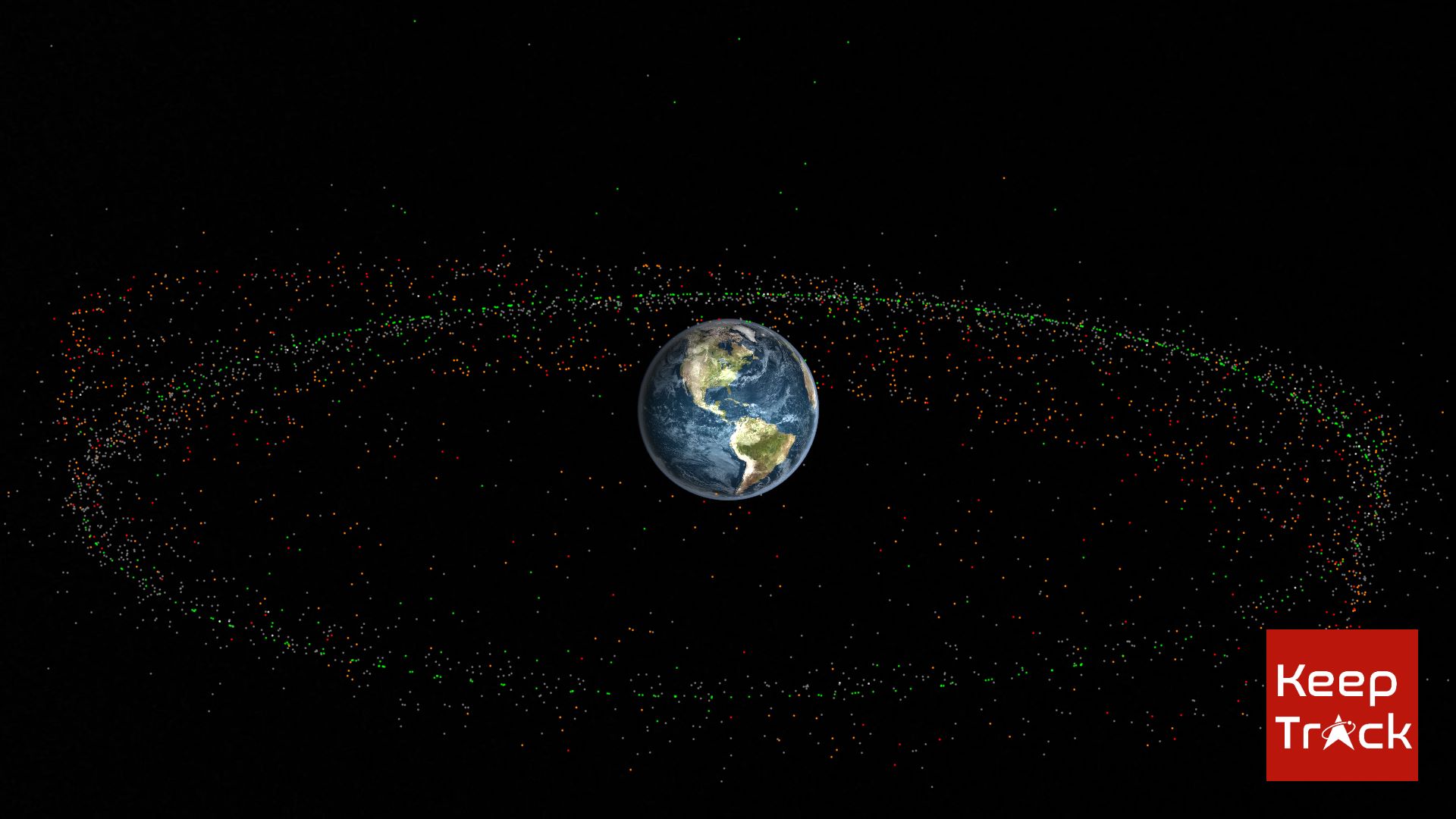
Understanding the unique orbital sweet spot that keeps satellites perfectly positioned above Earth