


Space Brief 7 Nov 2024
Today's Space Brief covers major upcoming launches from SpaceX, US military missile tests, and developments in Virgin Galactic's fleet expansion. Stay informed on key satellite events and launch updates.


![ARIANE 5 DEB [SYLDA] Satellite Image](/images/sat/deb4.jpg)
Launch Date
August 28, 2002
Launch Site
FRGUI
Launch Pad
ELA3
Launch Vehicle
Ariane 5G
NORAD ID
27511
International Designator
2002-040D
Epoch
Thu, 02 Jul 2026 11:50:35 GMT
Apogee
Calculating...
Perigee
Calculating...
Inclination
5.77°
Right Ascension
75.03°
Eccentricity
Calculating...
Argument of Perigee
204.05°
Period
637.56 min
Mean Motion
2.26 rev/day
Latitude
Calculating...
Longitude
Calculating...
Altitude
Calculating...
Velocity
Calculating...
Name
ARIANE 5 DEB [SYLDA]
Alternative Name
Sylda SY-08C
Type
Status
Owner
AE
Country
France
Constellation
N/A
Related Satellites
Major Events
N/A
1 27511U 02040D 26183.49346965 -.00000082 00000-0 32892-3 0 9996
2 27511 5.7701 75.0347 7170304 204.0544 12.4761 2.25862149196203
Source: Celestrak
Length
4.9
Diameter
4.5
Span
4.9
Dry Mass
440
Launch Mass
440
Shape
Cyl
Radar Cross Section
15.8528
Visual Magnitude
Unknown
Color
Unknown
Material Composition
Unknown
Payload
Sylda 5 No. 08C
Purpose
Unknown
Mission
Unknown
Manufacturer
ASTD
Life Expectancy
Unknown
Bus
SYLDA 5
Configuration
Unknown
Motor
Unknown
Equipment
Unknown
Power System
Unknown
ADCS
Unknown
Transmitter Frequency
Unknown
Learn more about satellites and other related topics.
Today's Space Brief covers major upcoming launches from SpaceX, US military missile tests, and developments in Virgin Galactic's fleet expansion. Stay informed on key satellite events and launch updates.
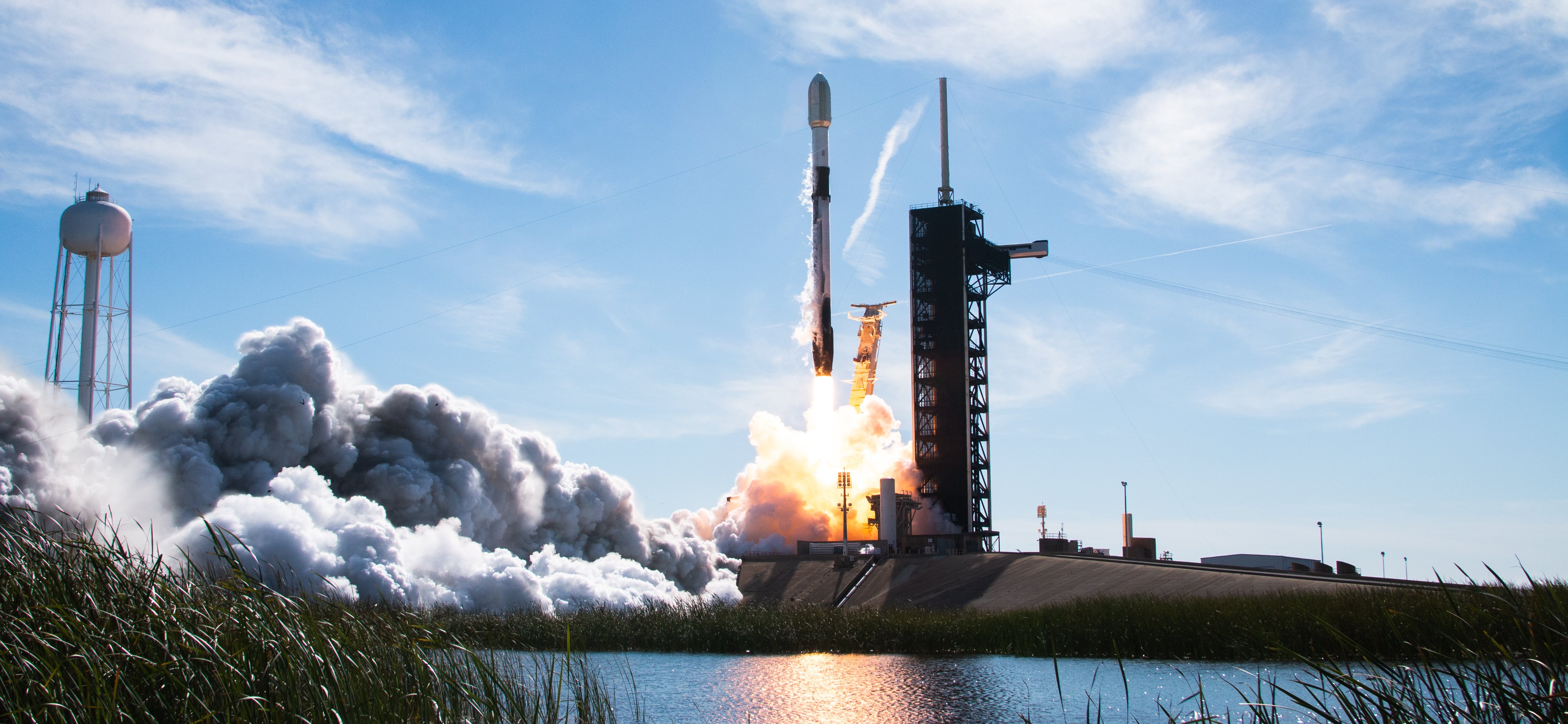
NASA's $4.3B Nancy Grace Roman Space Telescope arrived at Kennedy Space Center for 70 days of prelaunch processing ahead of its August 30 Falcon Heavy launch.
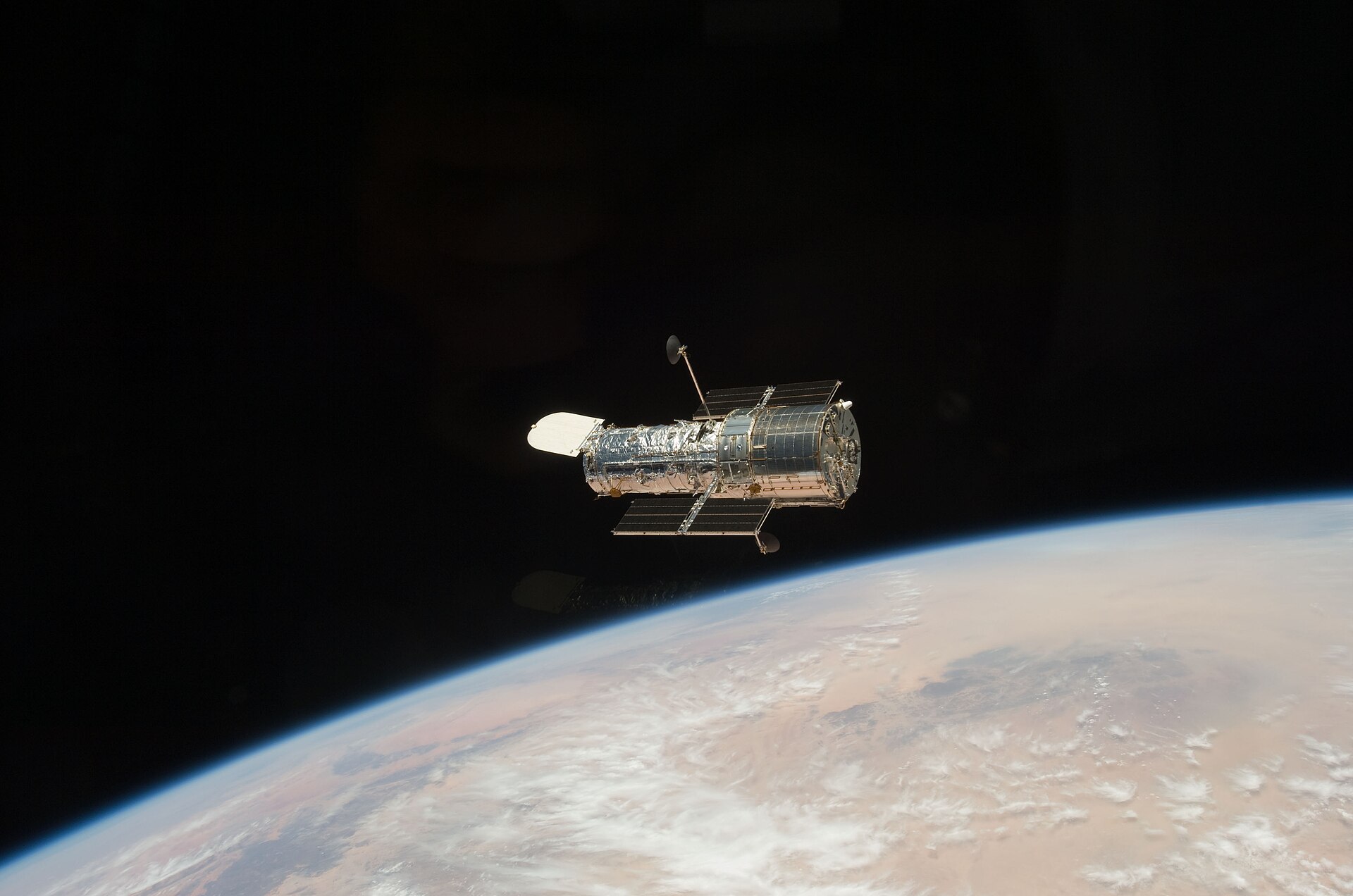
On April 25, 1990, the Space Shuttle Discovery's robotic arm lifted a 11,110-kilogram barrel of mirrors and instruments out of the payload bay and released it into orbit. Six weeks later, the first images came back badly out of focus. The Hubble Space Telescope had been ground to the wrong prescription, and America had just spent $2.5 billion on what the press was calling a 'technoturkey.'

Pentagon cancels Next-Generation OPIR Polar program after Northrop Grumman delivered sensor payload. LEO and MEO alternatives deemed sufficient for missile-warning coverage.
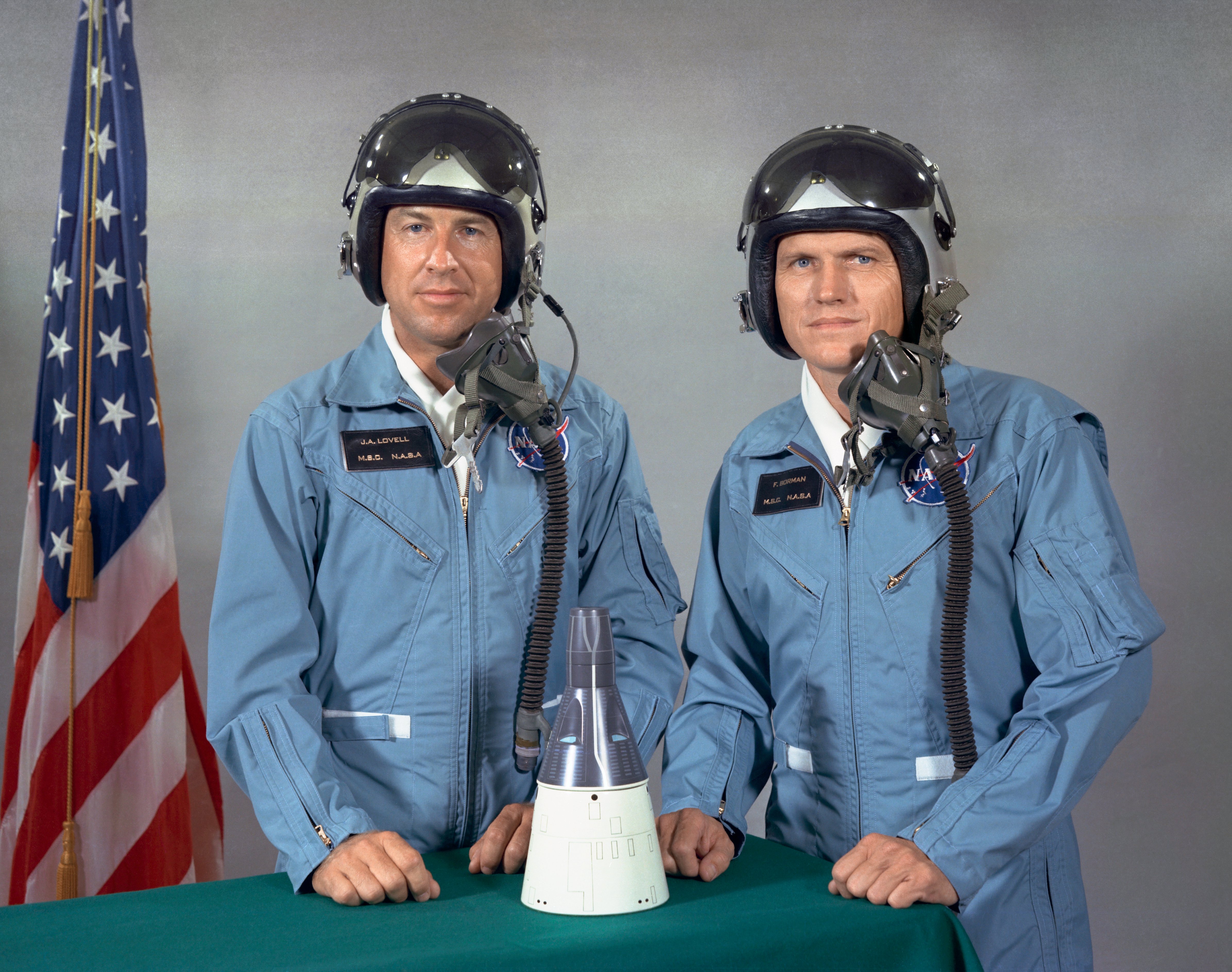
Sixty years ago, Frank Borman and James Lovell launched aboard Gemini 7 for a grueling 14-day mission that would prove humans could endure the journey to the moon and achieve the first true rendezvous in space

Pentagon to order 30,000 attritable drones within days via Gauntlet competition. Meanwhile, Sierra Space closes $550M Series C funding round for national security spaceplane applications.

York Space raises $629M in IPO to expand satellite manufacturing. NRO declassifies Cold War-era JUMPSEAT spy satellites. Lockheed to boost THAAD interceptor production from 96 to 400 per year.
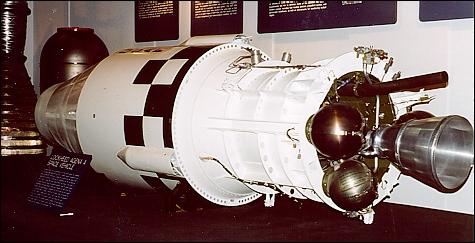
Sixty-six years ago, a Thor-Agena rocket thundered into the California sky carrying Discoverer 1, the first satellite attempt at polar orbit and the secret vanguard of Americas space reconnaissance program