


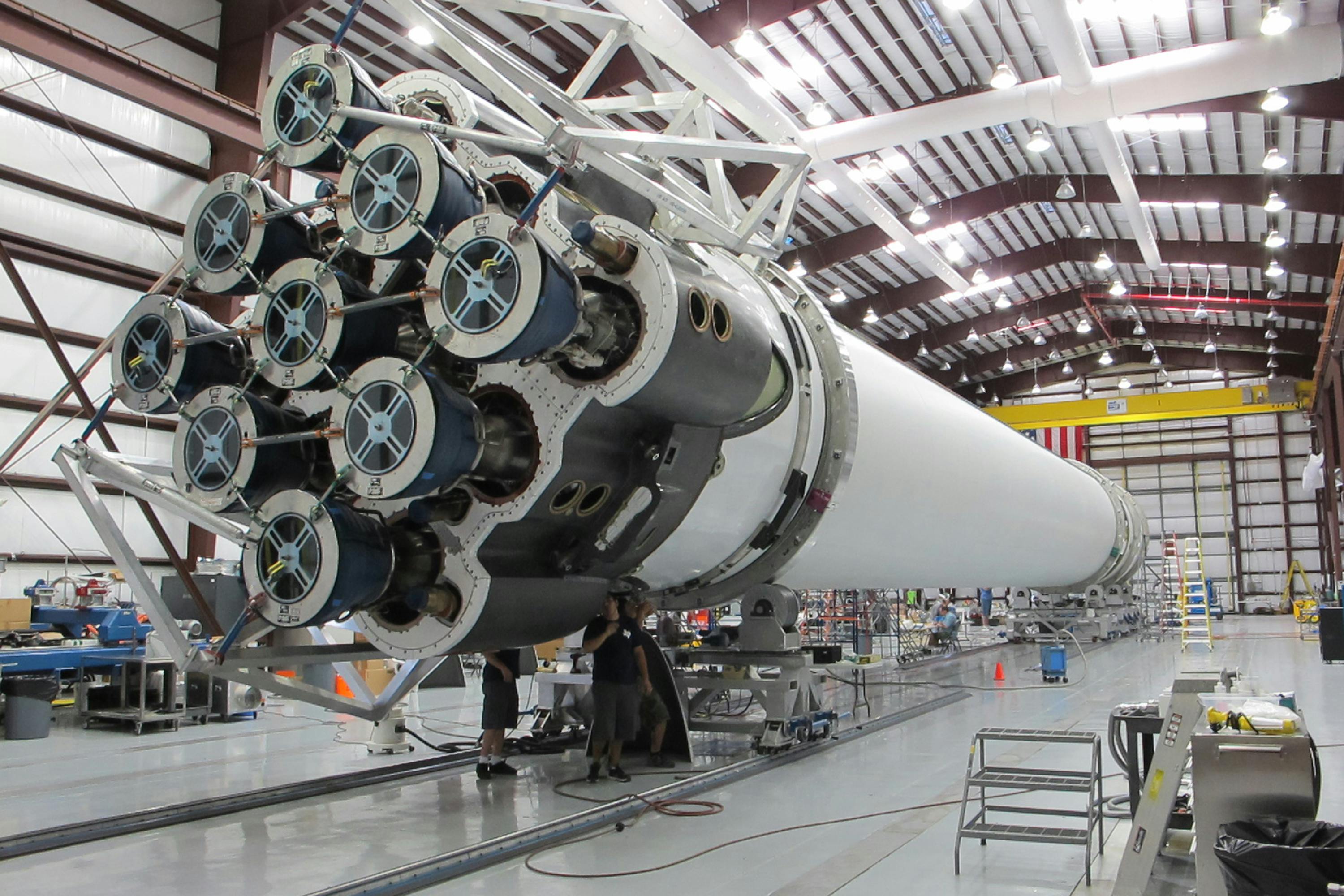
SpaceX Opens 2026 With 29 Starlink Satellites, X Report 5 Jan 2026
SpaceX Starlink updates for 2026 open with Starlink 6-88: 29 satellites from Cape Canaveral on Jan 4, after a record 165-launch 2025.



Launch Date
February 12, 1997
Launch Site
KSCUT
Launch Pad
M-V
Launch Vehicle
M-V
NORAD ID
27489
International Designator
1997-005G
Epoch
Sat, 04 Jul 2026 02:25:47 GMT
Apogee
Calculating...
Perigee
Calculating...
Inclination
31.44°
Right Ascension
206.64°
Eccentricity
Calculating...
Argument of Perigee
335.50°
Period
220.72 min
Mean Motion
6.52 rev/day
Latitude
Calculating...
Longitude
Calculating...
Altitude
Calculating...
Velocity
Calculating...
Name
M-V-1 DEB
Alternative Name
HALCA despin weight
Type
Status
Owner
ISASS
Country
Japan
Constellation
N/A
Related Satellites
Major Events
N/A
1 27489U 97005G 26185.10123950 .00010837 00000-0 86793-3 0 9999
2 27489 31.4372 206.6439 4500317 335.5042 21.6060 6.52424411116972
Source: Celestrak
Length
0
Diameter
0
Span
0
Dry Mass
0
Launch Mass
0
Shape
N/A
Radar Cross Section
0.0376
Visual Magnitude
Unknown
Color
Unknown
Material Composition
Unknown
Payload
Unknown
Purpose
Unknown
Mission
Unknown
Manufacturer
Unknown
Life Expectancy
Unknown
Bus
Unknown
Configuration
Unknown
Motor
Unknown
Equipment
Unknown
Power System
Unknown
ADCS
Unknown
Transmitter Frequency
Unknown
Learn more about satellites and other related topics.
SpaceX Starlink updates for 2026 open with Starlink 6-88: 29 satellites from Cape Canaveral on Jan 4, after a record 165-launch 2025.

Northrop Grumman's GEM 63XL solid rocket booster passed static fire testing, but ULA's investigation into a February 2026 Vulcan in-flight anomaly remains open. No RTF date set.

NASA's Van Allen Probe A (1,300 lbs) reenters today after 14 years studying Earth's radiation belts. Most debris will burn up; ocean impact statistically likely.
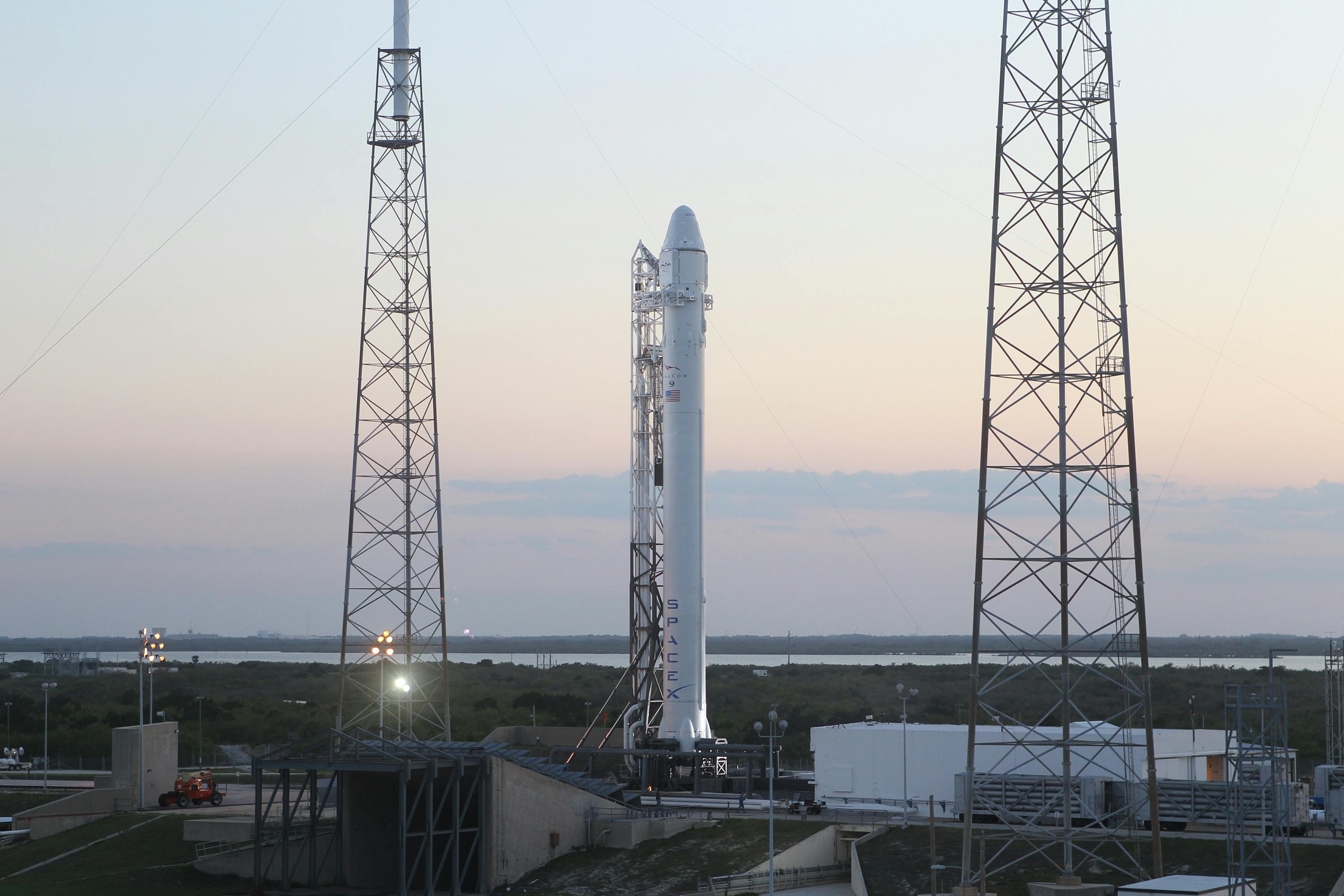
SpaceX continues to expand its Starlink network with multiple launches and gains momentum in international markets, while revisiting launch tariffs and new regulations.
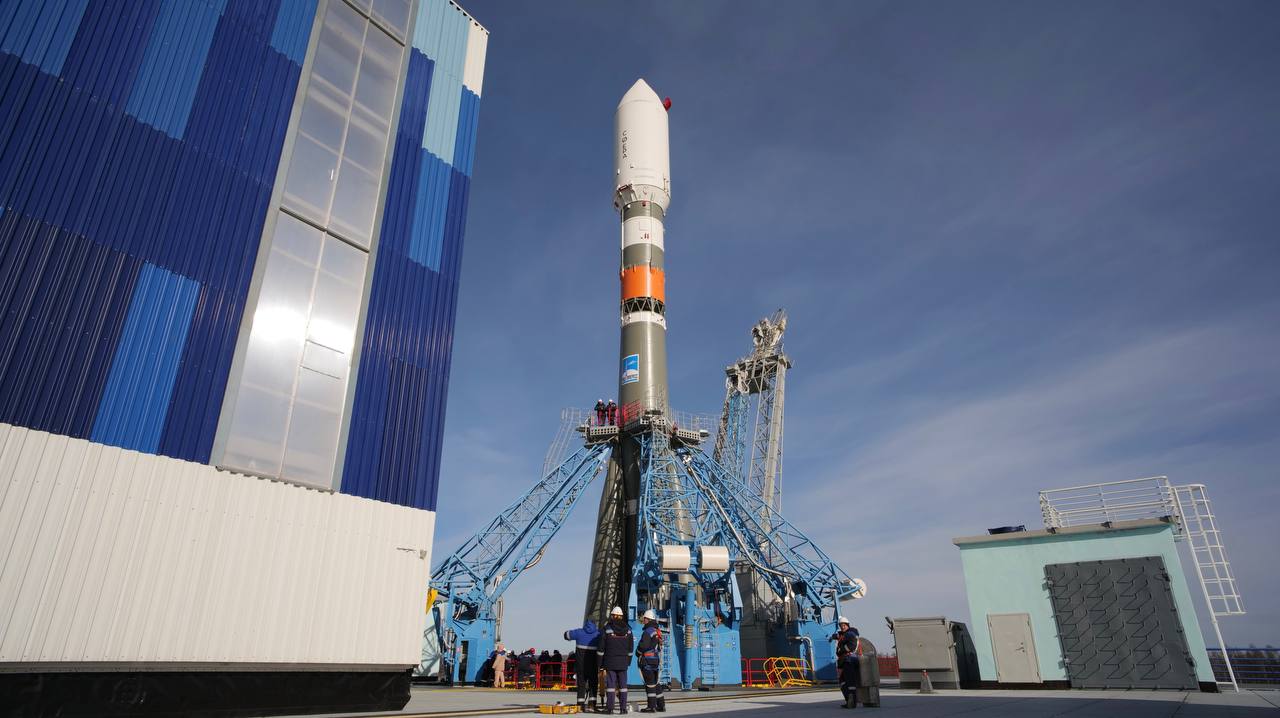
Today's Space Brief focuses on multi-billion dollar contracts for missile-tracking satellites, developments in optical nuclear clock research, and innovative drone projects for military collaboration.
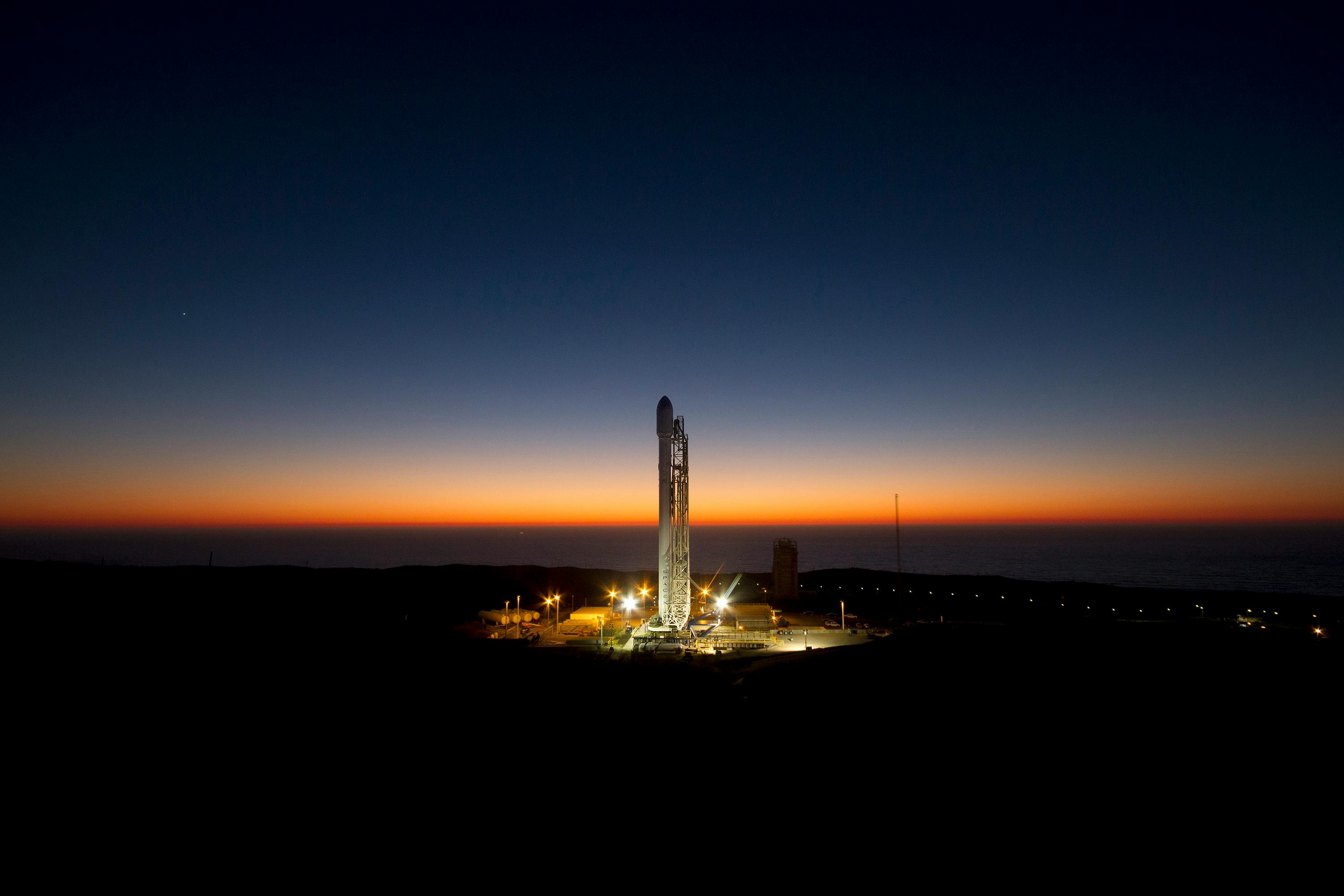
SpaceX's plans for the Transporter-15 mission are temporarily delayed as the Falcon 9 launch was scrubbed. The next launch attempt is now targeted for Friday, Nov. 28, with hopes of delivering 140 payloads into sun-synchronous orbit.
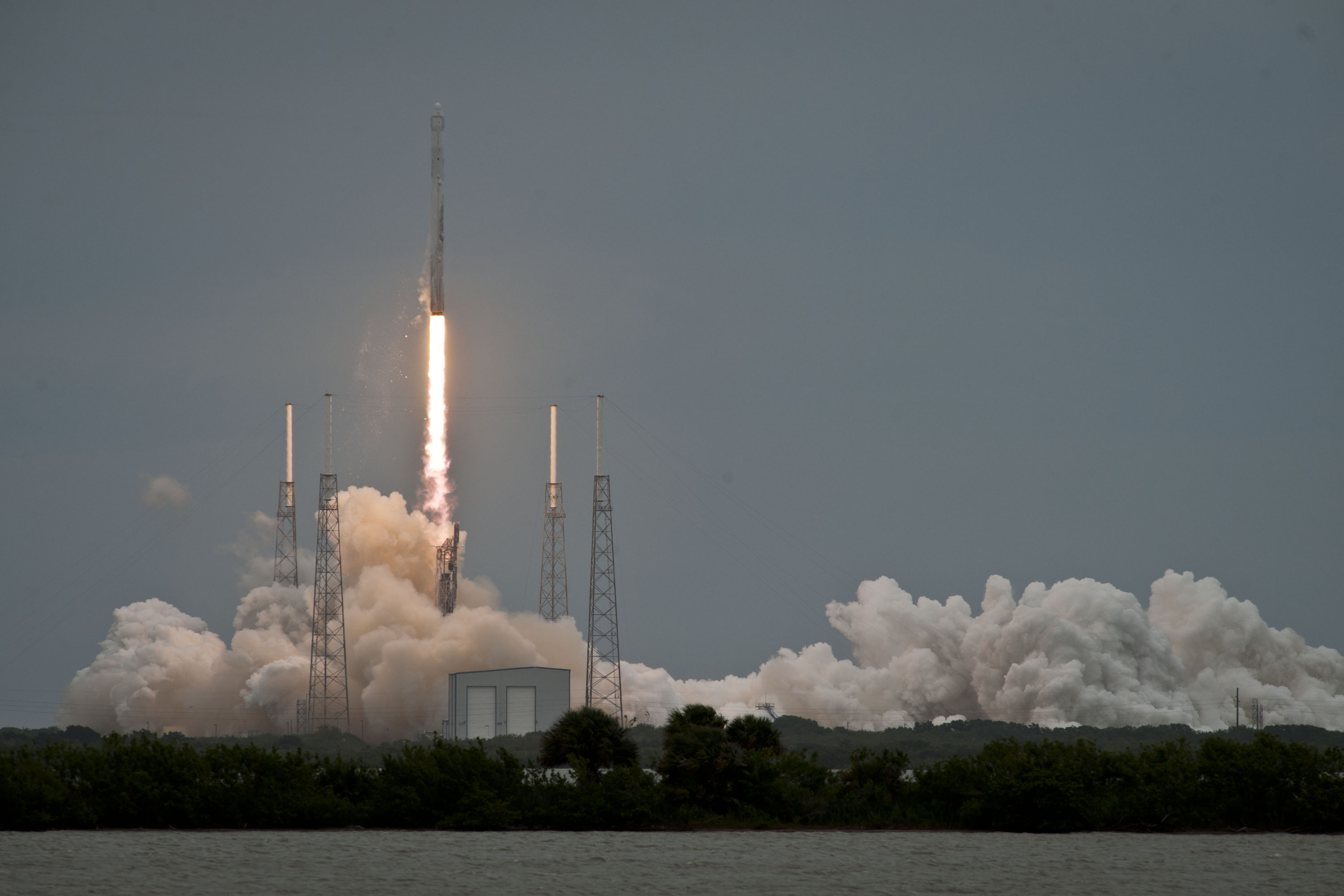
On April 18, 2014, a Falcon 9 first stage did something no orbital rocket had ever done before. It fired its engines on the way down, steered itself through the atmosphere using grid fins that did not yet exist, and touched the Atlantic Ocean softly enough to survive the impact. Nobody recovered it. The data was the whole point.

Today's brief covers a diverse range of topics, including reentry mission approvals, leadership changes in the Space Development Agency, and innovative military satellite communications.