

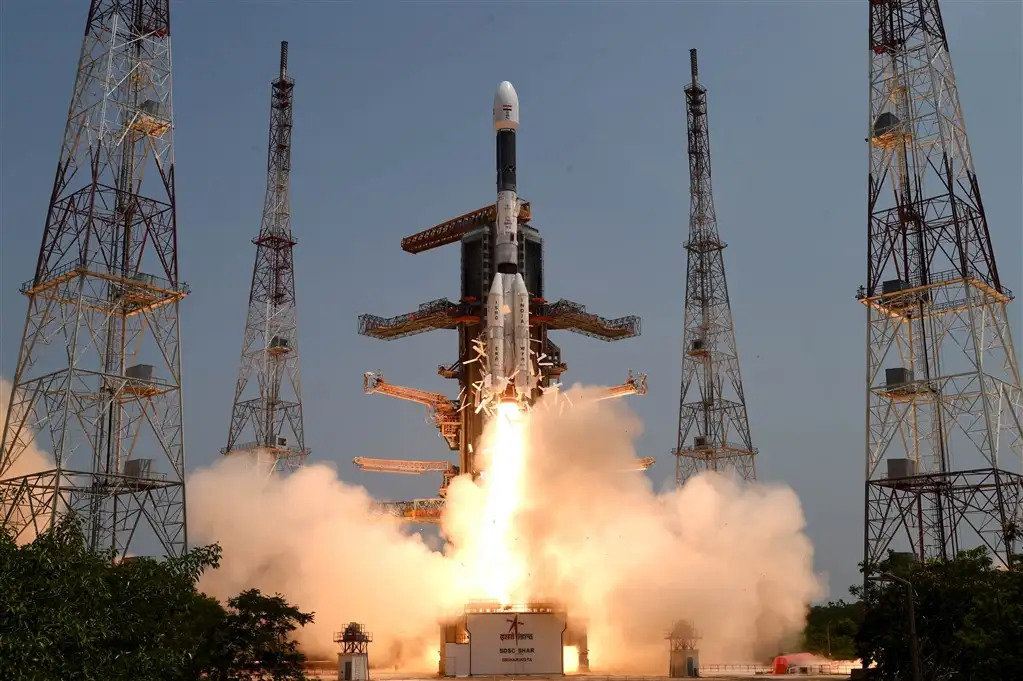
Space Brief 15 Jan 2025
Focus on Varda's second mission launch, new U.S. Defense Department tool for satellite anomaly investigation, and a detailed Satellite Spotlight on CELESTIS 21/Varisat 1C.


Launch Date
April 25, 2002
Launch Site
Launch Pad
LC1
Launch Vehicle
Soyuz-U-PVB
NORAD ID
27416
International Designator
2002-020A
Decay Date
11/10/2002
Name
SOYUZ-TM 34
Alternative Name
Soyuz TM-34
Type
Status
Owner
RKKE
Country
Russia
Constellation
N/A
Related Satellites
Major Events
N/A
Length
7.9
Diameter
2.7
Span
10.6
Dry Mass
2740
Launch Mass
2740
Shape
Cyl + Cone + Sphere + 2 Pan
Radar Cross Section
8.8214
Visual Magnitude
Unknown
Color
Unknown
Material Composition
Unknown
Payload
Soyuz 7K-STM No. 208
Purpose
Crewed spacecraft
Mission
Crewed spacecraft
Manufacturer
RKKE
Life Expectancy
Unknown
Bus
7K-STM
Configuration
Unknown
Motor
PAO
Equipment
Unknown
Power System
2 deployable fixed solar arrays, batteries
ADCS
Unknown
Transmitter Frequency
Unknown
Learn more about satellites and other related topics.
Focus on Varda's second mission launch, new U.S. Defense Department tool for satellite anomaly investigation, and a detailed Satellite Spotlight on CELESTIS 21/Varisat 1C.

Today's focus: Sidus Space's new AI edge computer, Space Force's dynamic operations initiative, and key Pentagon acquisition reforms.

The Kessler Syndrome threatens humanity's future in space as cascading satellite collisions create exponential debris growth. With 36,000+ tracked objects and recent incidents accelerating risks, we face a critical juncture: implement solutions now or potentially lose access to low Earth orbit forever.
Key updates today focus on SpaceX's latest satellite launch for the U.S. military, critical space resource assessments by the U.S. Space Force, and new developments in space infrastructure and equipment for defense operations.

SpaceX launches Starlink while debuting on Nasdaq at $1.77 trillion valuation. Meanwhile, Senate FY2027 NDAA would dissolve SDA into Space Force, affecting Tranche constellation tracking.
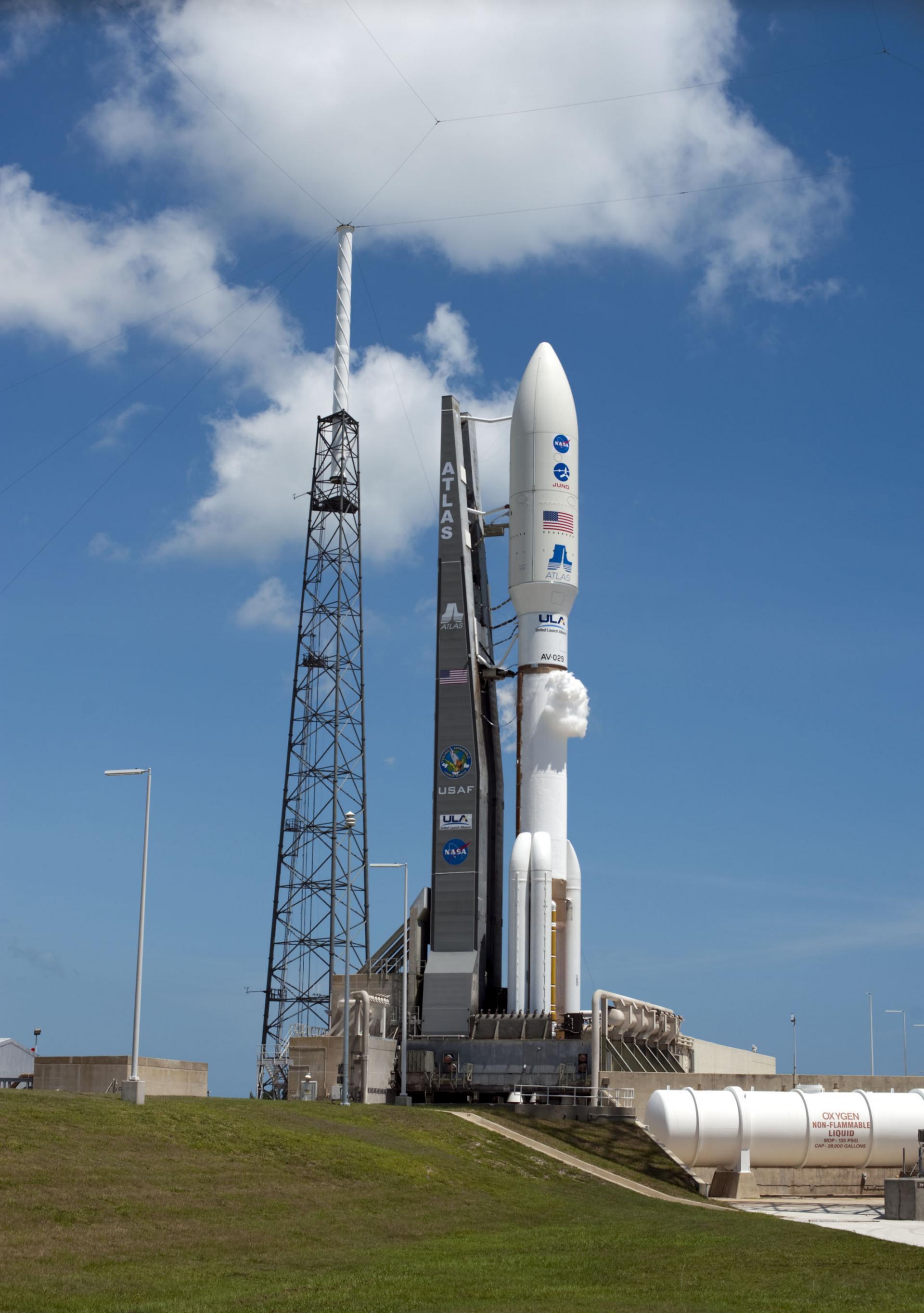
U.S. GSSAP satellites execute coordinated GEO maneuvers for continuous surveillance of Chinese Shijian-29 spacecraft. Handoff approach maintains coverage with zero gaps.
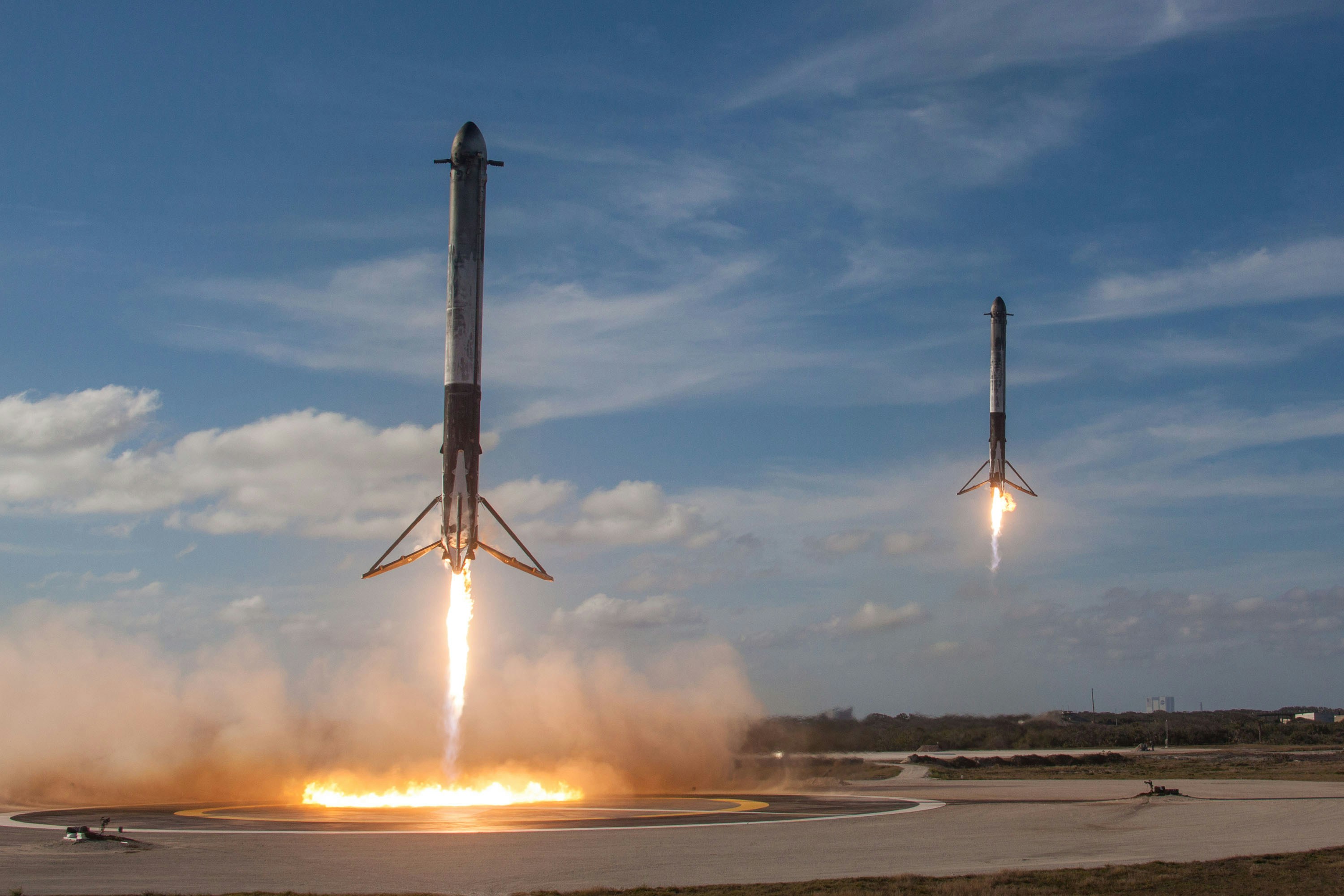
SpaceX's Falcon Heavy targets a second launch attempt for ViaSat-3 F3, while Artemis III slips to late 2027 and Musk earns a Mars milestone bonus.
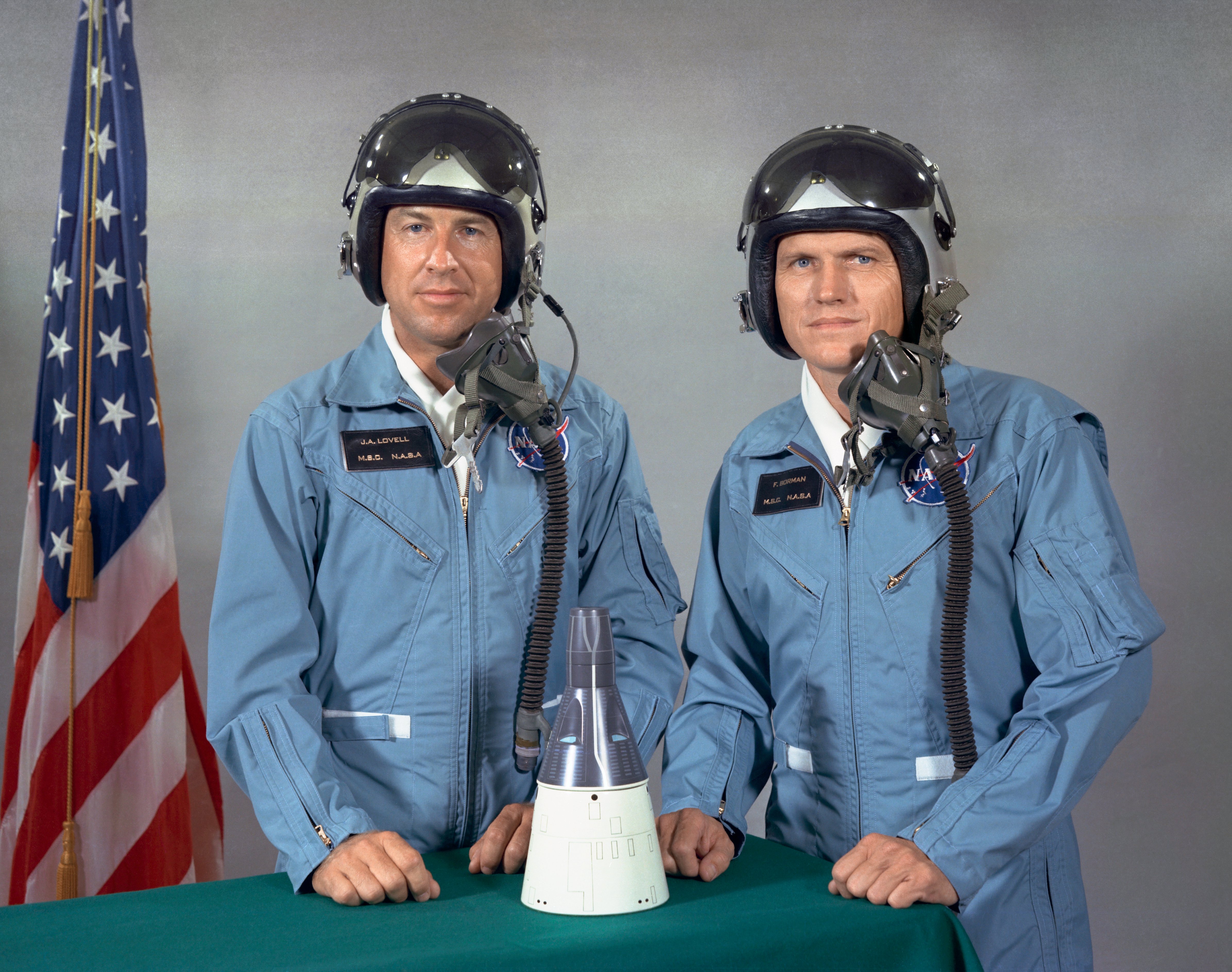
Sixty years ago, Frank Borman and James Lovell launched aboard Gemini 7 for a grueling 14-day mission that would prove humans could endure the journey to the moon and achieve the first true rendezvous in space