


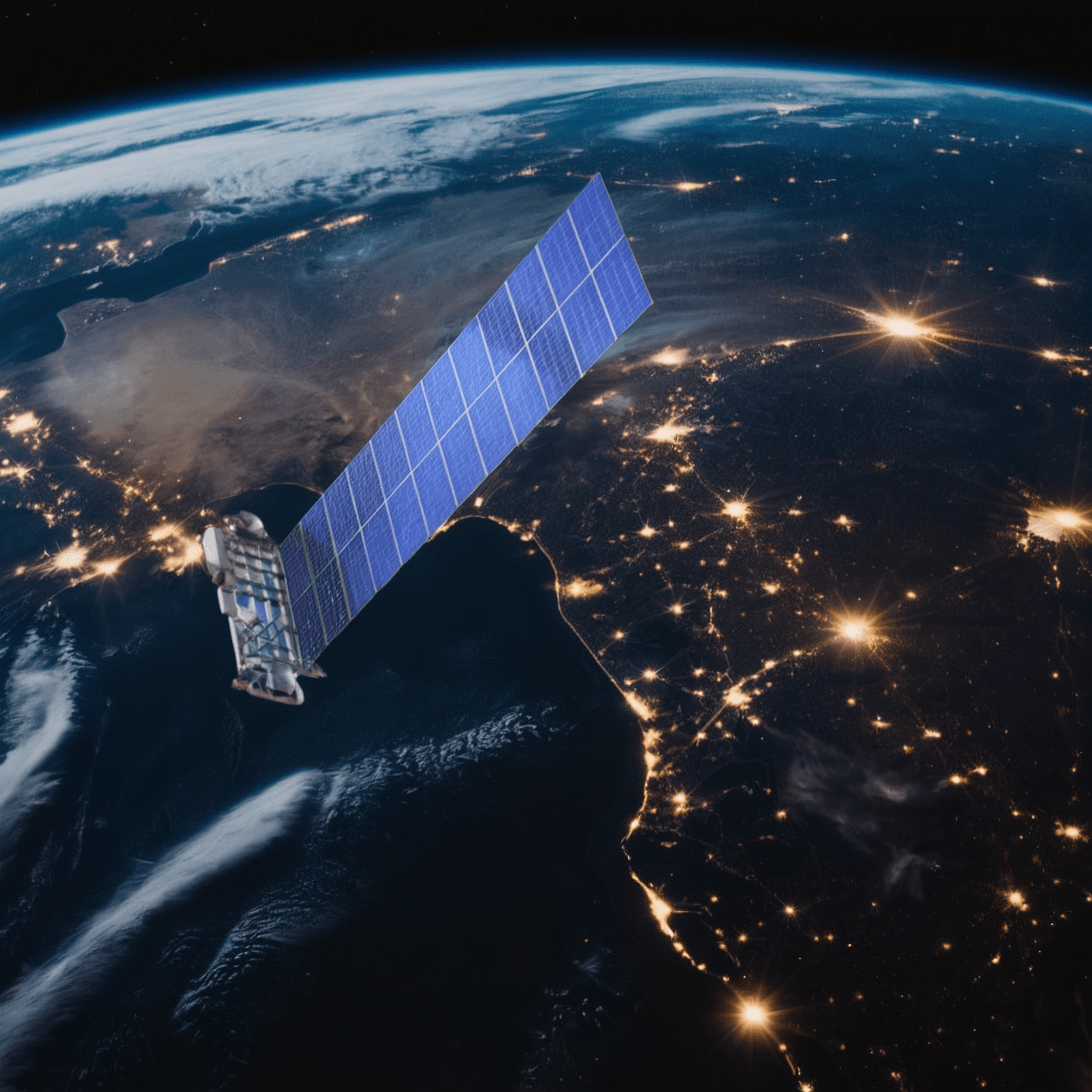
Amazon vs SpaceX and the Battle for the Best Satellite Internet Service
SpaceX and Amazon Are Playing for Keeps to Control Satellite Broadband and Connect the World. But Is There Room for Both in the Orbit?


Launch Date
February 23, 2002
Launch Site
FRGUI
Launch Pad
ELA2
Launch Vehicle
Ariane 44L
NORAD ID
27380
International Designator
2002-007A
Epoch
Sat, 04 Jul 2026 04:08:33 GMT
Apogee
Calculating...
Perigee
Calculating...
Inclination
6.96°
Right Ascension
68.98°
Eccentricity
Calculating...
Argument of Perigee
17.81°
Period
1436.11 min
Mean Motion
1.00 rev/day
Latitude
Calculating...
Longitude
Calculating...
Altitude
Calculating...
Velocity
Calculating...
Name
INTELSAT 904 (IS-904)
Alternative Name
INTELSAT 904
Type
Status
Owner
INTELD
Country
United States
Constellation
N/A
Related Satellites
Major Events
N/A
1 27380U 02007A 26185.17261547 -.00000217 00000-0 00000-0 0 9995
2 27380 6.9595 68.9807 0006133 17.8107 226.0553 1.00270910 51932
Source: Celestrak
Length
5.6
Diameter
2.8
Span
31
Dry Mass
2350
Launch Mass
4680
Shape
Box + 2 Pan + 2 Dish
Radar Cross Section
23.7928
Visual Magnitude
Unknown
Color
Unknown
Material Composition
Unknown
Payload
INTELSAT 904
Purpose
Communication
Mission
Communication
Manufacturer
LOR
Life Expectancy
13 years
Bus
FS-1300HL
Configuration
SSL-1300HL
Motor
R-4D-11-164
Equipment
44 C-band transponders, 12 Ku-band transponders
Power System
2 deployable solar arrays, batteries
ADCS
Unknown
Transmitter Frequency
Unknown
Learn more about satellites and other related topics.
SpaceX and Amazon Are Playing for Keeps to Control Satellite Broadband and Connect the World. But Is There Room for Both in the Orbit?
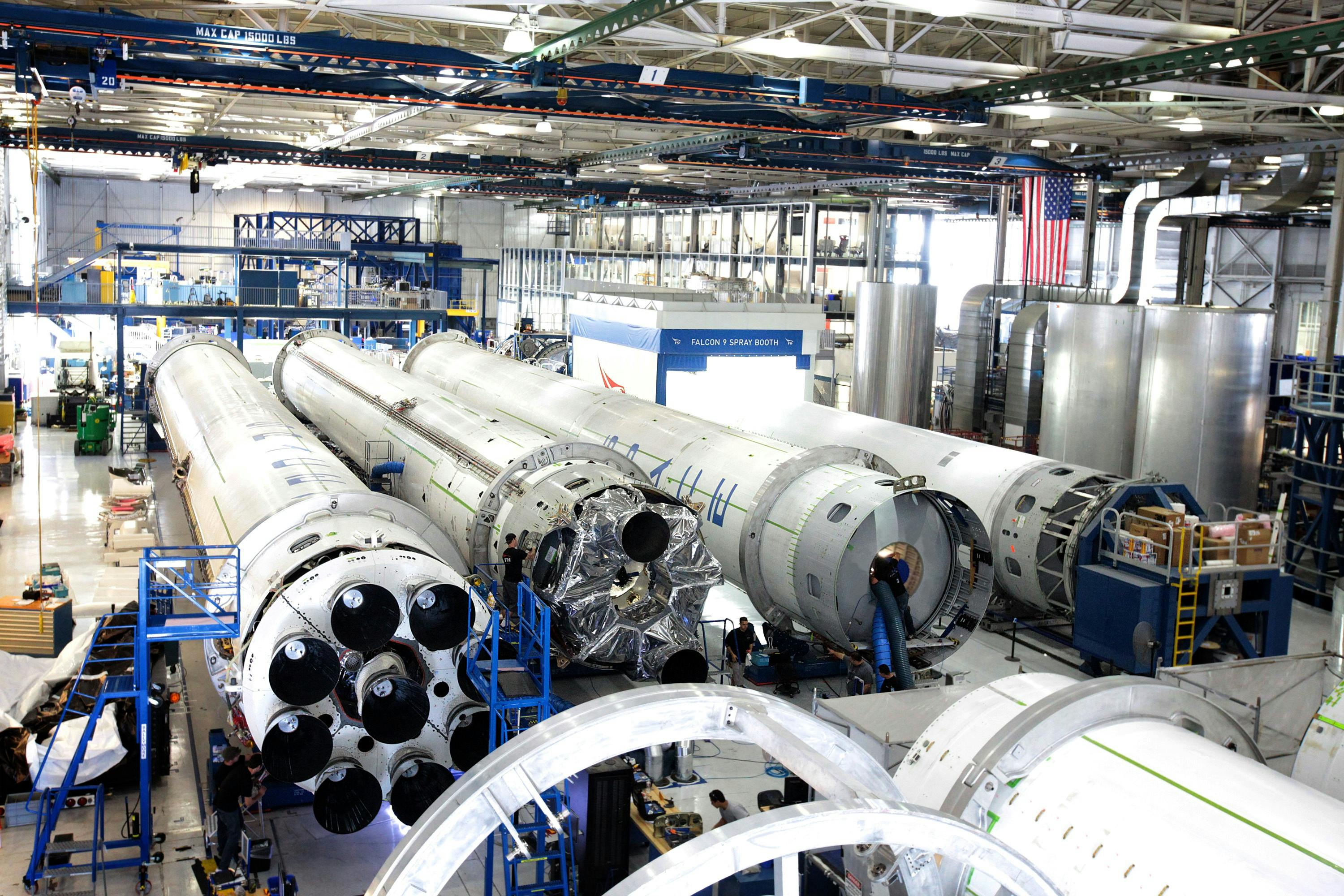
Amid multiple new launches, SpaceX marks its 300th orbital flight milestone at Cape Canaveral while pushing forward with cargo and reentry missions.

Today's brief covers SpaceX's latest Starlink launch, updates on Crew-8's return, and preparations for the SLS Artemis II mission.
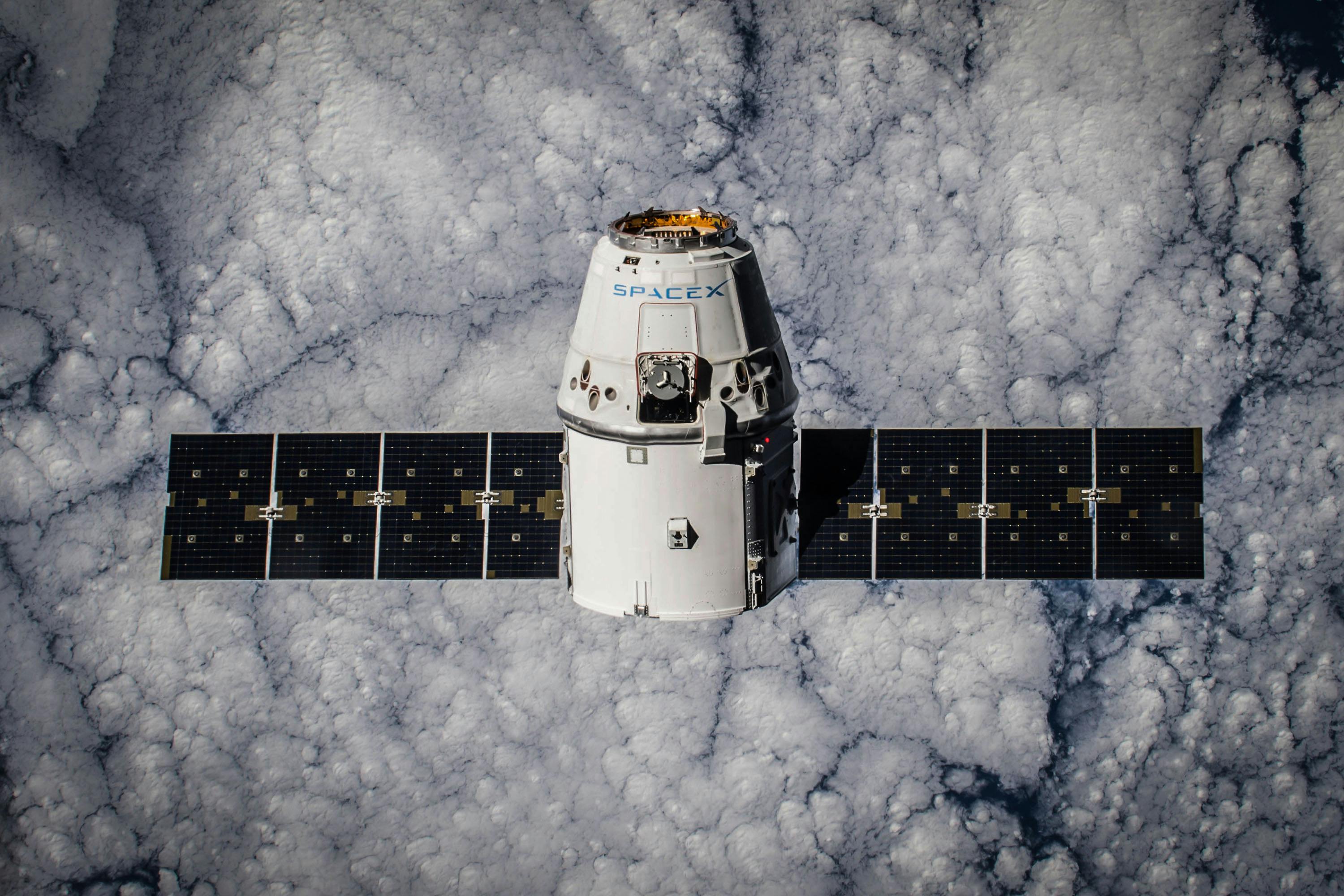
SpaceX prepares for a new cargo-return mission with Atmos, deploys imaging satellites, and gears up for Axiom-4 private astronaut launch.

Hanwha Systems in talks with MDA Space and Telesat for South Korean defense satellite constellation. SpaceX preps GPS satellite launch for Space Force. Seismic networks now track space junk reentry.
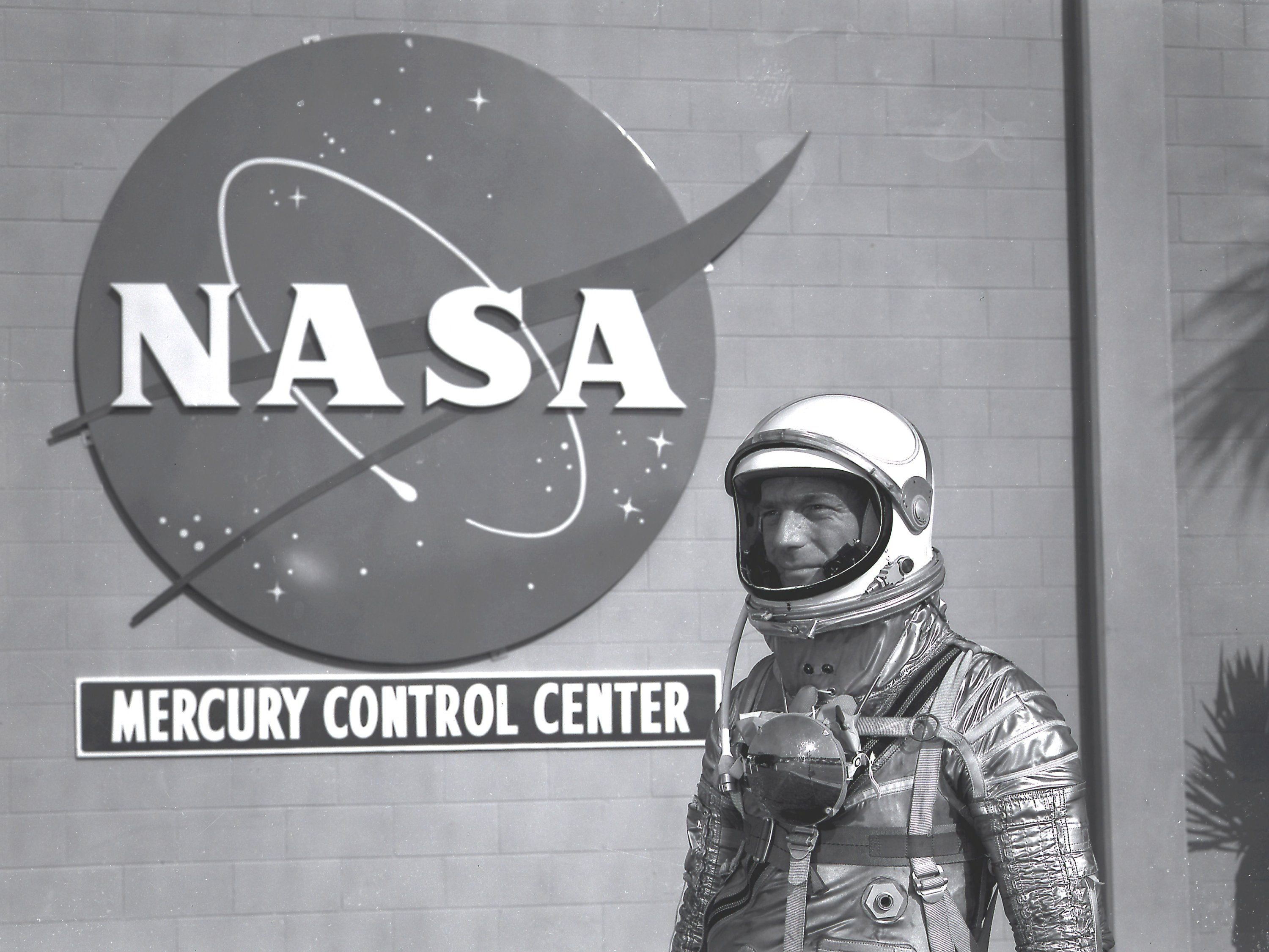
Exactly 64 years ago today, Scott Carpenter became the fourth American to orbit the Earth aboard Aurora 7. His five-hour flight produced new science, a tense reentry, and 39 minutes of silence in which the country wondered if it had just lost its astronaut.
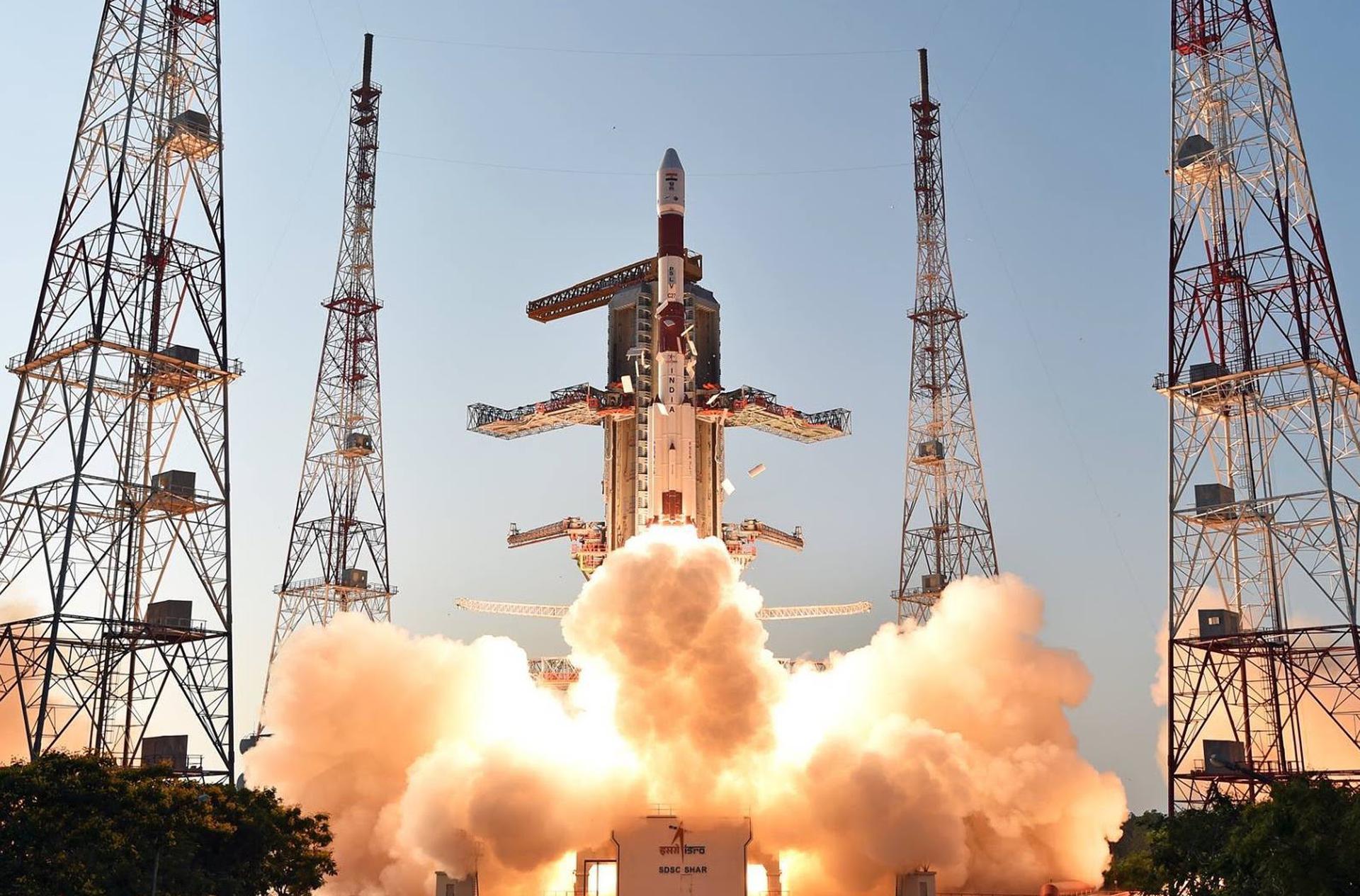
Highlighting ExLabs' Space Force contract, Starlink advances, and developments in orbital communication tech.

Over 27,000 high-speed pieces of space junk now threaten vital satellites, requiring sophisticated tracking and urgent innovation of orbital debris removal methods like harpoons and nets.