PSLV DEB (27324)

COSPAR: 2001-049KW | Alt Name: deb PSLV-C3 PS4
DECAYED

Image
PSLV DEB Satellite Image
Additional Sources
Launch Details

Launch Date

October 22, 2001

Launch Site

SRILR

Launch Pad

FLP

Launch Vehicle

PSLV

Orbital Elements

NORAD ID

27324

International Designator

2001-049KW

Decay Date

4/26/2002

Basic Satellite Info

Name

PSLV DEB

Alternative Name

deb PSLV-C3 PS4

Type

Debris

Status

Space Junk

Owner

ISRO

Country

India

Constellation

N/A

Related Satellites

Major Events

N/A

Summary
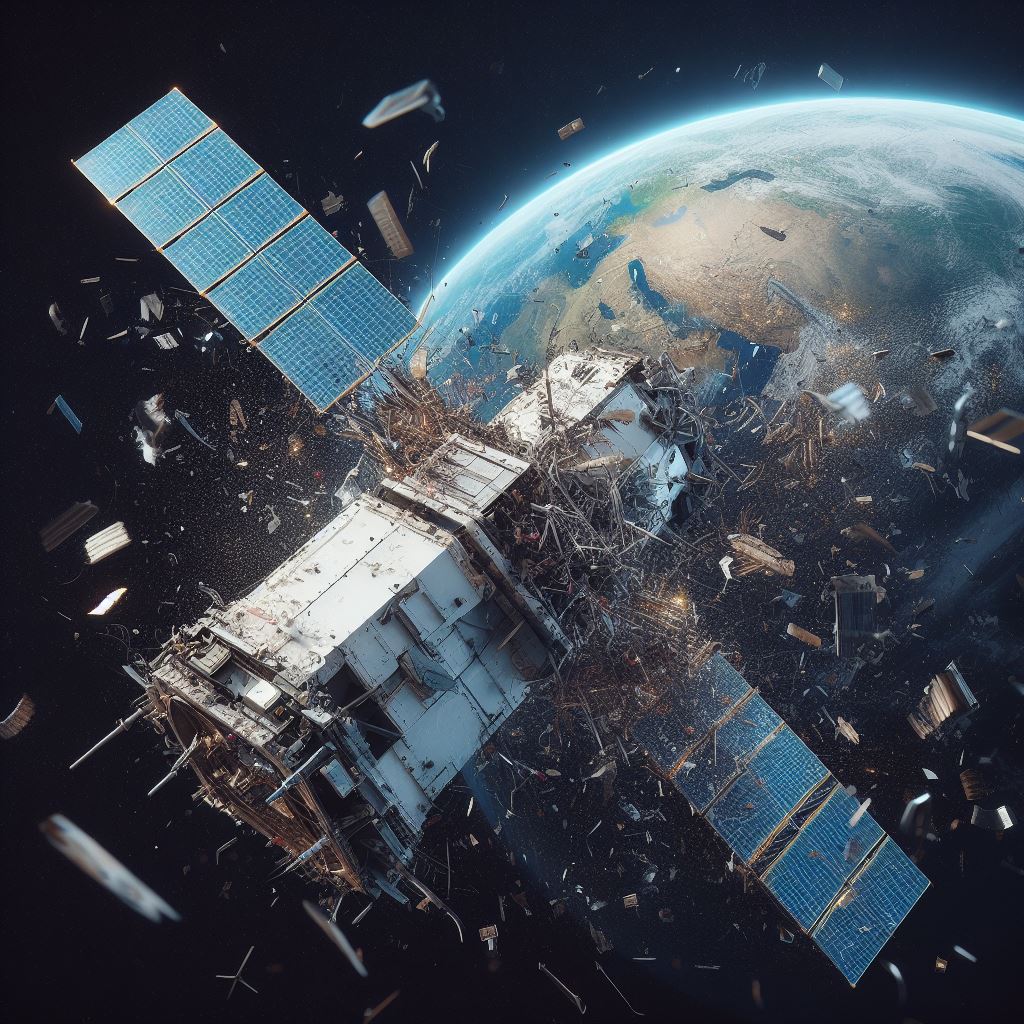
Space debris, also known as space junk, encompasses all non-functional objects orbiting Earth such as defunct satellites, spent rocket stages, and fragments from collisions or disintegrations. Over time, this debris can accumulate and create an increasingly hazardous environment in orbit. Even tiny fragments, traveling at extremely high velocities, can inflict significant damage on operational satellites and spacecraft. If left unmanaged, the density of debris raises the risk of catastrophic collisions and further fragmentation, compounding the problem and threatening the safety and sustainability of space activities.
Physical Characteristics

Length

0

Diameter

0

Span

0

Dry Mass

0

Launch Mass

0

Shape

N/A

Radar Cross Section

0.0117

Visual Magnitude

Unknown

Color

Unknown

Material Composition

Unknown

Technical Details

Payload

Unknown

Purpose

Unknown

Mission

Unknown

Manufacturer

LPSC

Life Expectancy

Unknown

Bus

Unknown

Configuration

Unknown

Motor

Unknown

Equipment

Unknown

Power System

Unknown

ADCS

Unknown

Transmitter Frequency

Unknown

Satellite Articles

View All Posts »

Learn more about satellites and other related topics.

Pentagon $50B Iran Supplemental Drives Space Spending Surge | KeepTrack Space Brief

Pentagon $50B Iran Supplemental Drives Space Spending Surge | KeepTrack Space Brief

Pentagon's $50B Iran supplemental request signals major investment in missile defense and ISR satellites. Amazon reshuffles LEO government leadership amid Kuiper competition.

Falcon Heavy Returns After 18-Month Hiatus for ViaSat-3 | KeepTrack X Report

Falcon Heavy Returns After 18-Month Hiatus for ViaSat-3 | KeepTrack X Report

SpaceX's Falcon Heavy lifts off for the 12th time after 18 months grounded, delivering the final ViaSat-3 satellite from LC-39A at 10:21 a.m. EDT.

Space Brief 29 Oct 2024

Space Brief 29 Oct 2024

Today's space brief covers an impressive SpaceX launch record, China's upcoming crew mission to its space station, an Intelsat 33e debris observation, and more. Key topics include SpaceX's Starship events, ESA's Hera mission updates, and Boeing's potential space division sale.

Space Brief 28 Aug 2025

Space Brief 28 Aug 2025

Today's briefing covers collaborations enhancing defense capabilities, new satellite technologies entering the market, and strategic shifts in military satellite applications.

SDA Awards $3.5B Tracking Layer Contracts to Lockheed, Rocket Lab | KeepTrack Space Brief

SDA Awards $3.5B Tracking Layer Contracts to Lockheed, Rocket Lab | KeepTrack Space Brief

SDA awards $3.5B in contracts for 72 Tracking Layer satellites to Lockheed Martin and Rocket Lab. Terran Orbital selected for satellite bus production. Israel eyes 2026 defense growth.

NASA Expands SpaceX Crew Contract as Boeing Stalls | KeepTrack X Report

NASA Expands SpaceX Crew Contract as Boeing Stalls | KeepTrack X Report

NASA adds crew missions to SpaceX's contract as Boeing Starliner certification stalls, while Falcon 9 hits its 60th orbital launch of 2026.

GPS III SV-10 Moves to Falcon 9 After Vulcan Grounded | KeepTrack X Report

GPS III SV-10 Moves to Falcon 9 After Vulcan Grounded | KeepTrack X Report

SpaceX claims a 2nd GPS III launch as ULA's Vulcan investigation stalls, while ESA charters a Crew Dragon ISS mission and Starlink hits 30 launches in 2026.

Demystifying the USSPACECOM Two-Line Element Set Format

Demystifying the USSPACECOM Two-Line Element Set Format

Discover the history and significance of Two-Line Element Sets (TLEs) in satellite tracking. Dive into their components, applications, and how they are evolving to meet future space challenges.