SL-7 R/B (02713)

COSPAR: 1967-023B | Alt Name: Kosmos-2 (N10) Stage 2
DECAYED

Image
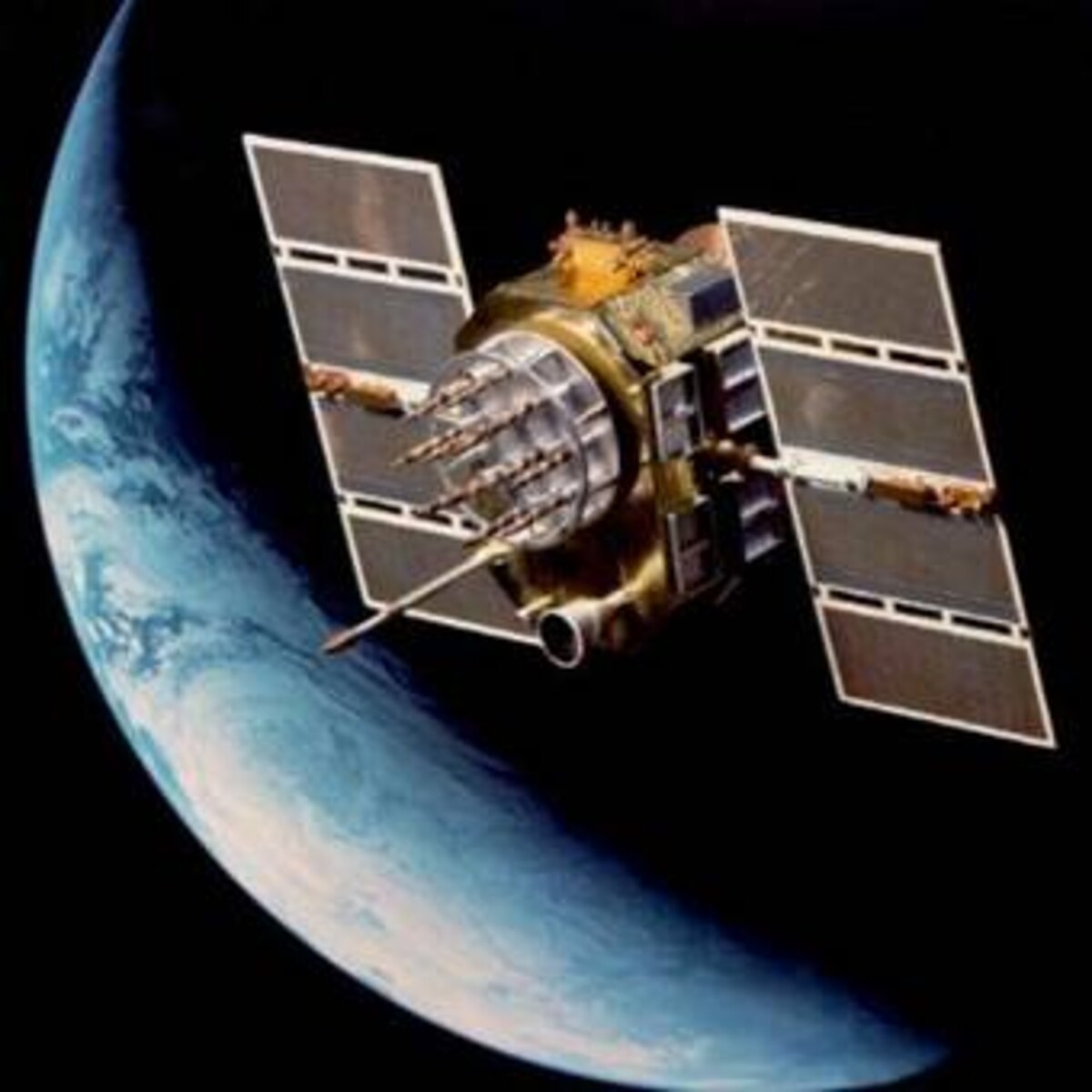
SL-7 R/B Satellite Image
Additional Sources
Launch Details

Launch Date

March 16, 1967

Launch Site

PLMSC

Launch Pad

LC133/3

Launch Vehicle

Kosmos 11K63

Orbital Elements

NORAD ID

02713

International Designator

1967-023B

Decay Date

4/14/1967

Basic Satellite Info

Name

SL-7 R/B

Alternative Name

Kosmos-2 (N10) Stage 2

Type

Rocket Body

Status

Space Junk

Owner

RVSN

Country

USSR

Constellation

N/A

Related Satellites

Major Events

N/A

Summary
A rocket body, also commonly referred to as an upper stage or spent rocket stage, is the structural shell left behind after a rocket has delivered its payload to orbit. These large and often heavy pieces of space hardware can remain in orbit for years, posing significant collision hazards as part of the growing space debris problem. If left uncontrolled, rocket bodies have the potential to reenter Earth's atmosphere unpredictably, which can lead to falling debris in populated areas. Additionally, they risk colliding with operational satellites or the International Space Station, creating more debris and putting human life at risk.
Physical Characteristics

Length

8

Diameter

1.6

Span

8

Dry Mass

840

Launch Mass

840

Shape

Cyl

Radar Cross Section

Unknown

Visual Magnitude

Unknown

Color

Unknown

Material Composition

Unknown

Technical Details

Payload

S1M

Purpose

Unknown

Mission

Unknown

Manufacturer

YUZH

Life Expectancy

Unknown

Bus

S1

Configuration

Unknown

Motor

Unknown

Equipment

Unknown

Power System

Unknown

ADCS

Unknown

Transmitter Frequency

Unknown

Satellite Articles

View All Posts »

Learn more about satellites and other related topics.

SpaceX IPO at $1.77T as SDA Faces Consolidation | KeepTrack Space Brief

SpaceX IPO at $1.77T as SDA Faces Consolidation | KeepTrack Space Brief

SpaceX launches Starlink while debuting on Nasdaq at $1.77 trillion valuation. Meanwhile, Senate FY2027 NDAA would dissolve SDA into Space Force, affecting Tranche constellation tracking.

The Day That Changed How We Navigate Forever

The Day That Changed How We Navigate Forever

Forty-seven years ago, an Atlas rocket carried the first GPS satellite into orbit, launching a revolution in navigation that would transform daily life across the globe

ESA Buys Dedicated Crew Dragon Mission for 4 Astronauts | KeepTrack X Report

ESA Buys Dedicated Crew Dragon Mission for 4 Astronauts | KeepTrack X Report

ESA is purchasing a dedicated SpaceX Crew Dragon flight to send 4 European astronauts to the ISS ahead of the station's planned retirement.

Space Brief 16 Sep 2025

Space Brief 16 Sep 2025

Today's brief highlights the impact of military spending and technology competition on the space economy, new satellite connectivity partnerships, and defense spending pledges in Europe.

Falcon Heavy Attempts ViaSat-3 F3 Launch After Weather Scrub | KeepTrack X Report

Falcon Heavy Attempts ViaSat-3 F3 Launch After Weather Scrub | KeepTrack X Report

SpaceX's Falcon Heavy targets a second launch attempt for ViaSat-3 F3, while Artemis III slips to late 2027 and Musk earns a Mars milestone bonus.

Space Brief 31 Dec 2025

Space Brief 31 Dec 2025

Notable space events as the year closes: China's record orbital launches, Vandenberg's new launch site, Rocket Lab's achievements, and urgent MAVEN recovery efforts.

Roman Space Telescope Arrives at KSC for August 30 Falcon Heavy Launch | KeepTrack Space Brief

Roman Space Telescope Arrives at KSC for August 30 Falcon Heavy Launch | KeepTrack Space Brief

NASA's $4.3B Nancy Grace Roman Space Telescope arrived at Kennedy Space Center for 70 days of prelaunch processing ahead of its August 30 Falcon Heavy launch.

Why Nobody Can See What Is Happening Near the Moon

Why Nobody Can See What Is Happening Near the Moon

The volume of space between Earth and the Moon is roughly a thousand times larger than the orbit we actually watch, and almost none of it is under surveillance. As the U.S. and China race to build lunar outposts, the Space Force is scrambling to put eyes on a region it has been effectively blind to.