COSMOS 2386 (27057)

COSPAR: 2001-058C | Alt Name: Kosmos-2386

Image
COSMOS 2386 Satellite Image
Additional Sources
Launch Details

Launch Date

December 28, 2001

Launch Site

PLMSC

Launch Pad

LC32/1

Launch Vehicle

Tsiklon-3

Orbital Elements

NORAD ID

27057

International Designator

2001-058C

Epoch

Fri, 03 Jul 2026 23:34:07 GMT

Apogee

Calculating...

Perigee

Calculating...

Inclination

82.54°

Right Ascension

203.42°

Eccentricity

Calculating...

Argument of Perigee

82.85°

Period

114.14 min

Mean Motion

12.62 rev/day

Latitude

Calculating...

Longitude

Calculating...

Altitude

Calculating...

Velocity

Calculating...

Polar Plot
3D Visualization
Basic Satellite Info

Name

COSMOS 2386

Alternative Name

Kosmos-2386

Type

Payload

Status

Operational

Owner

KVR

Country

Russia

Constellation

N/A

Related Satellites

Major Events

N/A

Latest TLEs
1 27057U 01058C   26184.98203185 -.00000001  00000-0 -63878-4 0  9991
2 27057  82.5420 203.4154 0001574  82.8491 277.2778 12.61616663128629

Source: Celestrak

Summary
COSMOS 2386 (also known as Kosmos-2386) is a military communication satellite operated by KVR and manufactured by NPOPMR in Russia. It was launched on December 28, 2001, from the Plesetsk Cosmodrome LC32/1 launch pad using a Tsiklon-3 launch vehicle. The satellite has dimensions of 1.6 meters in length, 0.8 meters in diameter, and spans 7 meters when its antennas are deployed. It weighs 225 kilograms at launch and is powered by solar cells and batteries. Its configuration consists of a cylindrical body with attached antennas, and it serves the purpose of military communication.
Physical Characteristics

Length

1.6

Diameter

0.8

Span

7

Dry Mass

225

Launch Mass

225

Shape

Cyl + Ant

Radar Cross Section

0.9025

Visual Magnitude

Unknown

Color

Unknown

Material Composition

Unknown

Technical Details

Payload

Strela-3 No. 145L (845)

Purpose

Military Communication

Mission

Military Communication

Manufacturer

NPOPMR

Life Expectancy

Unknown

Bus

Strela-3

Configuration

Unknown

Motor

Unknown

Equipment

Unknown

Power System

Solar cells, batteries

ADCS

Unknown

Transmitter Frequency

Unknown

Map
This tool will help you track the satellite's position and predict its upcoming passes over your location. Simply input the coordinates or click the geolocation button to get started.
Next Pass
Azimuth Elevation Time (Local)
Start Azimuth
Max Elevation
Stop Azimuth
Time Until
Pass Duration

Satellite Articles

View All Posts »

Learn more about satellites and other related topics.

X Report 8 Aug 2025

X Report 8 Aug 2025

SpaceX celebrates its 100th launch of the year with a Falcon 9 mission carrying Amazon's Project Kuiper satellites, while Crew-10 prepares for its return from the ISS and the company expands its interplanetary ambitions with new Mars partnerships.

China Plans First One-Year Human Spaceflight Mission | KeepTrack Space Brief

China Plans First One-Year Human Spaceflight Mission | KeepTrack Space Brief

China confirms first one-year human spaceflight and Pakistani astronaut for Tiangong. Air Force develops X-68A missile-launching drone. Poland unveils $51B defense spending plan.

Space Brief 11 Apr 2025

Space Brief 11 Apr 2025

Today's brief covers Millennium's milestone in missile defense, new satellite jammer for Space Force, budget increases for defense, delays in MEO satellite contracts, and potential impacts of Trump's latest order on Pentagon programs.

X Report 7 Nov 2025

X Report 7 Nov 2025

SpaceX successfully launched 28 Starlink satellites while EchoStar enhances its stake in the company through a $2.6 billion spectrum deal, amid growing demands for space domain awareness.

SpaceX's Audacious Starship

SpaceX's Audacious Starship

As the largest and most powerful rocket ever built, it's designed for full reusability and rapid launch turnaround. SpaceX claims it could carry over 100 tons to low Earth orbit at a fraction of current costs.

X Report 22 Dec 2024

X Report 22 Dec 2024

SpaceX successfully launches two rideshare missions to mid-inclination orbits, expanding their satellite deployment capabilities.

Space Brief 10 Nov 2025

Space Brief 10 Nov 2025

Today's brief covers China's record-breaking launch year, SpaceX's continued Starlink deployments, Blue Origin's launch challenges, and innovations in satellite maneuverability.

How a Parachutist Named Seagull Became the First Woman in Space

How a Parachutist Named Seagull Became the First Woman in Space

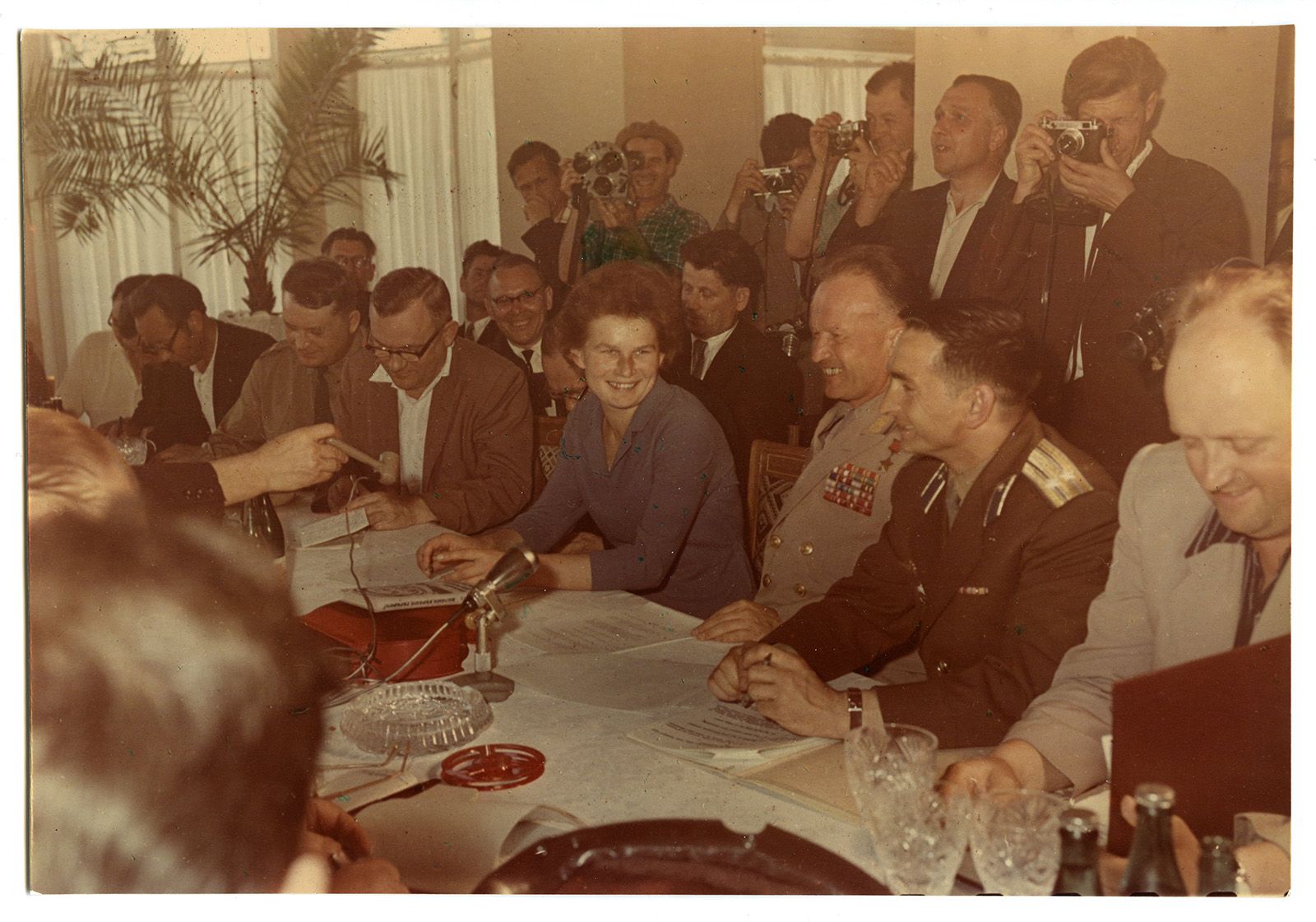
On 16 June 1963, a 26-year-old former textile worker named Valentina Tereshkova launched aboard Vostok 6 and spent nearly three days alone in orbit. She flew 48 times around the Earth, longer than every American astronaut combined, and spotted a dangerous flaw in her descent program that ground controllers had missed.