


X Report 13 Apr 2025
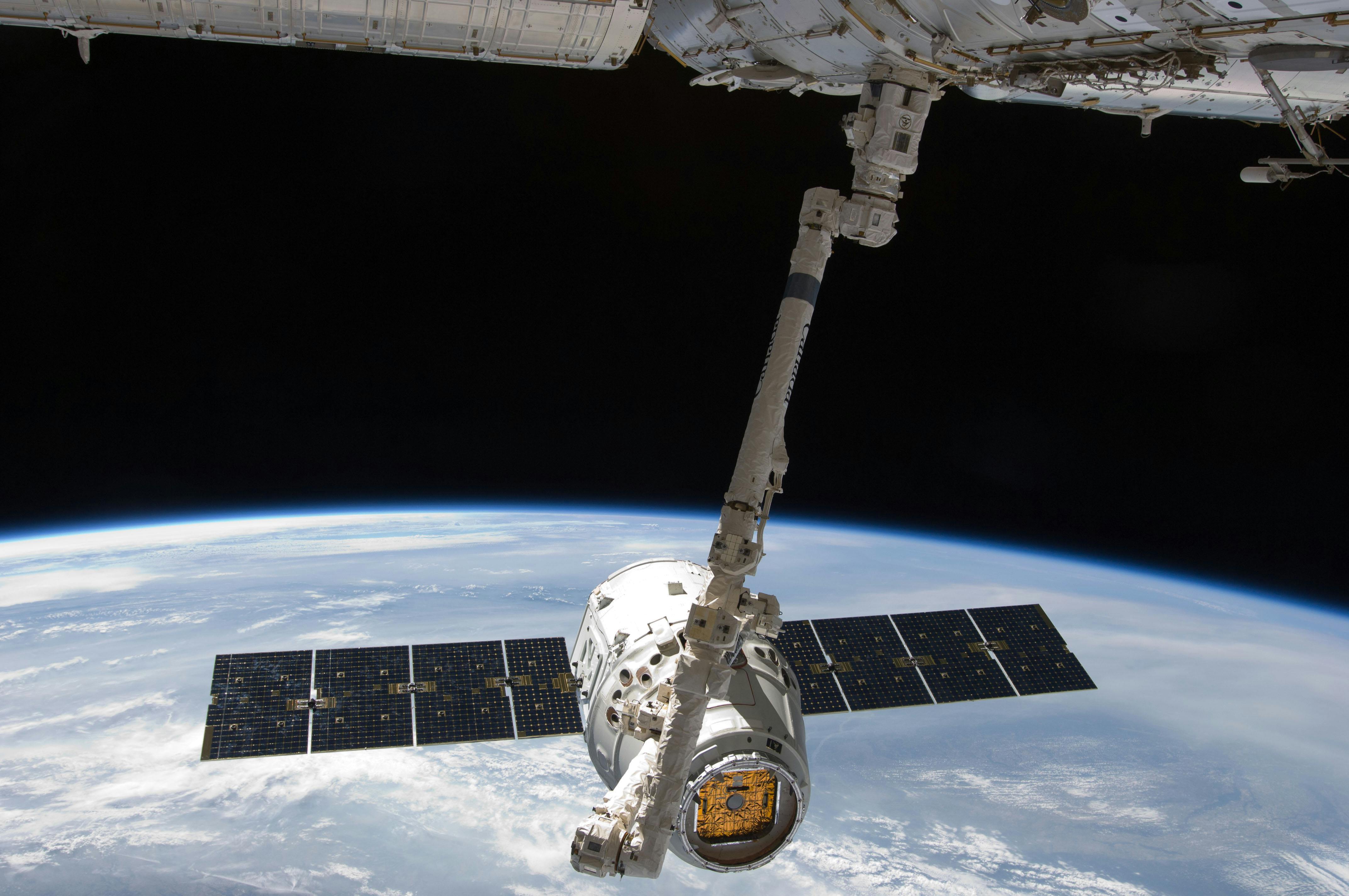
SpaceX successfully launches 21 Starlink satellites and deploys a new batch of spy satellites for the US government.


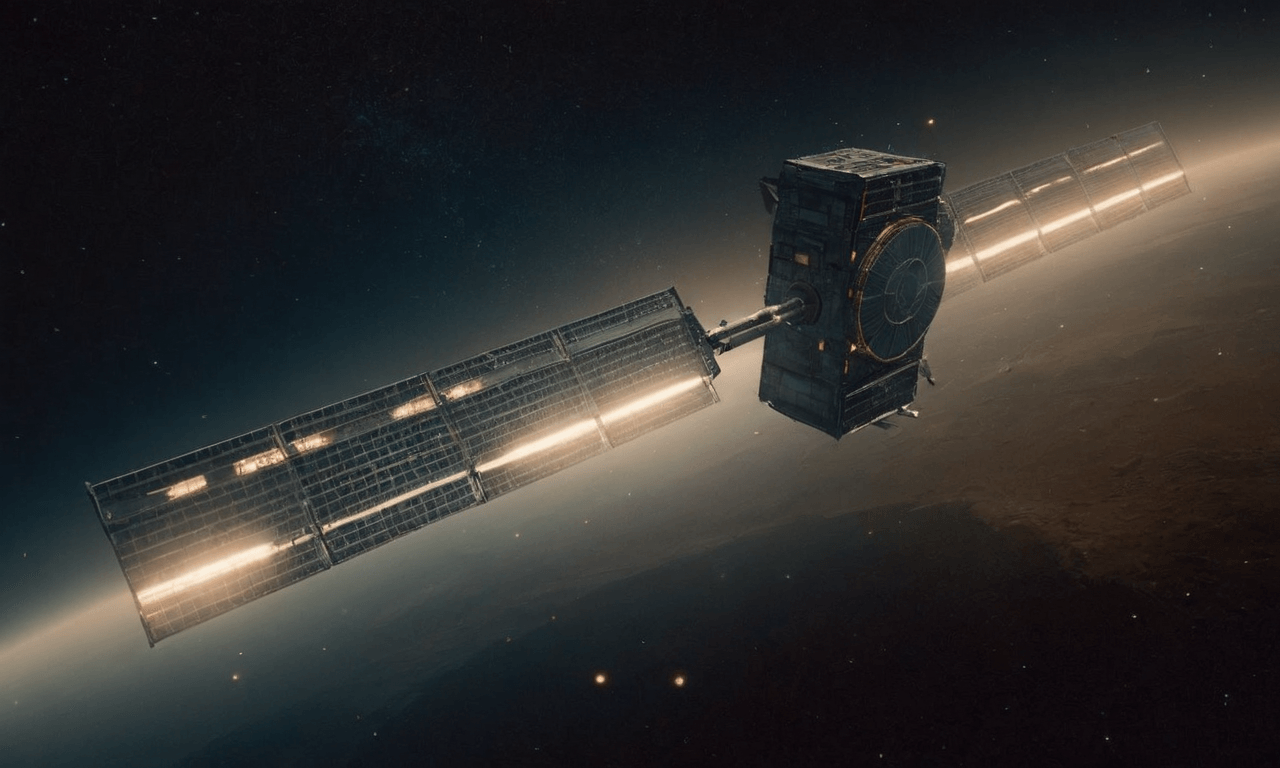
![COSMOS 2380 [GLONASS] Satellite Image](/images/sat/26989.jpg)
Launch Date
December 1, 2001
Launch Site
Launch Pad
LC81/24
Launch Vehicle
Proton-K/DM-2
NORAD ID
26989
International Designator
2001-053C
Epoch
Fri, 03 Jul 2026 06:26:51 GMT
Apogee
Calculating...
Perigee
Calculating...
Inclination
64.09°
Right Ascension
56.85°
Eccentricity
Calculating...
Argument of Perigee
45.34°
Period
675.73 min
Mean Motion
2.13 rev/day
Latitude
Calculating...
Longitude
Calculating...
Altitude
Calculating...
Velocity
Calculating...
Name
COSMOS 2380 [GLONASS]
Alternative Name
Kosmos-2380
Type
Status
Owner
KVR/IACG
Country
Russia
Constellation
N/A
Related Satellites
Major Events
N/A
1 26989U 01053C 26184.26865578 -.00000022 00000-0 00000-0 0 9996
2 26989 64.0933 56.8527 0006892 45.3392 133.9911 2.13102850191353
Source: Celestrak
Length
4
Diameter
1.5
Span
7.8
Dry Mass
1200
Launch Mass
1400
Shape
Cyl + Ant + 2 Pan
Radar Cross Section
1.9952
Visual Magnitude
Unknown
Color
Unknown
Material Composition
Unknown
Payload
Uragan-M (1) No. 11L
Purpose
Navigation
Mission
Navigation
Manufacturer
POL
Life Expectancy
3 years
Bus
Uragan
Configuration
3-Axis stabilized
Motor
?
Equipment
?
Power System
2 deployable solar arrays, batteries
ADCS
Unknown
Transmitter Frequency
Unknown
Learn more about satellites and other related topics.
SpaceX successfully launches 21 Starlink satellites and deploys a new batch of spy satellites for the US government.
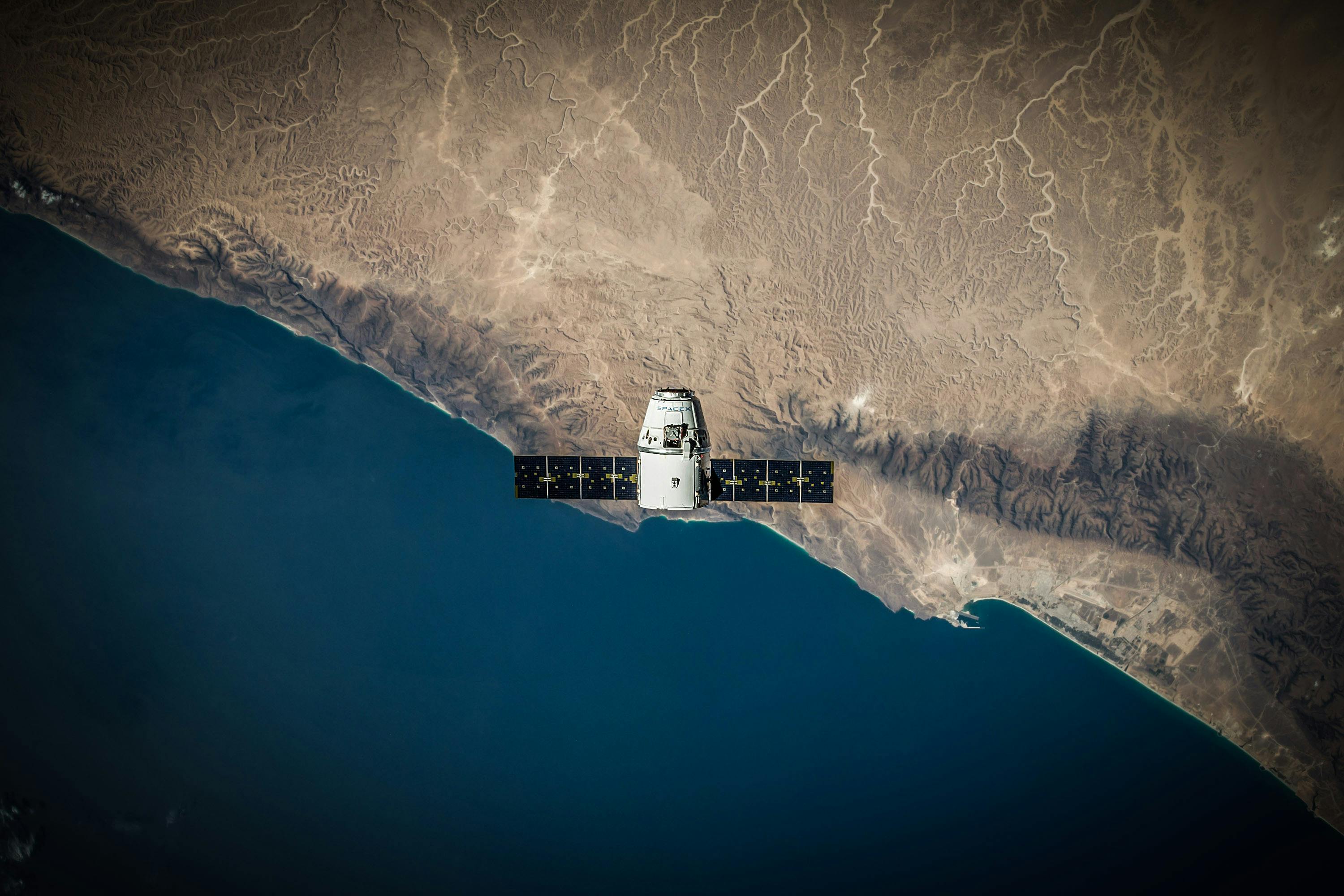
Highlights include China's rising threats in space, a new Starlink launch, NASA's optimistic future, and a cosmic conjunction featuring the Moon and Saturn.
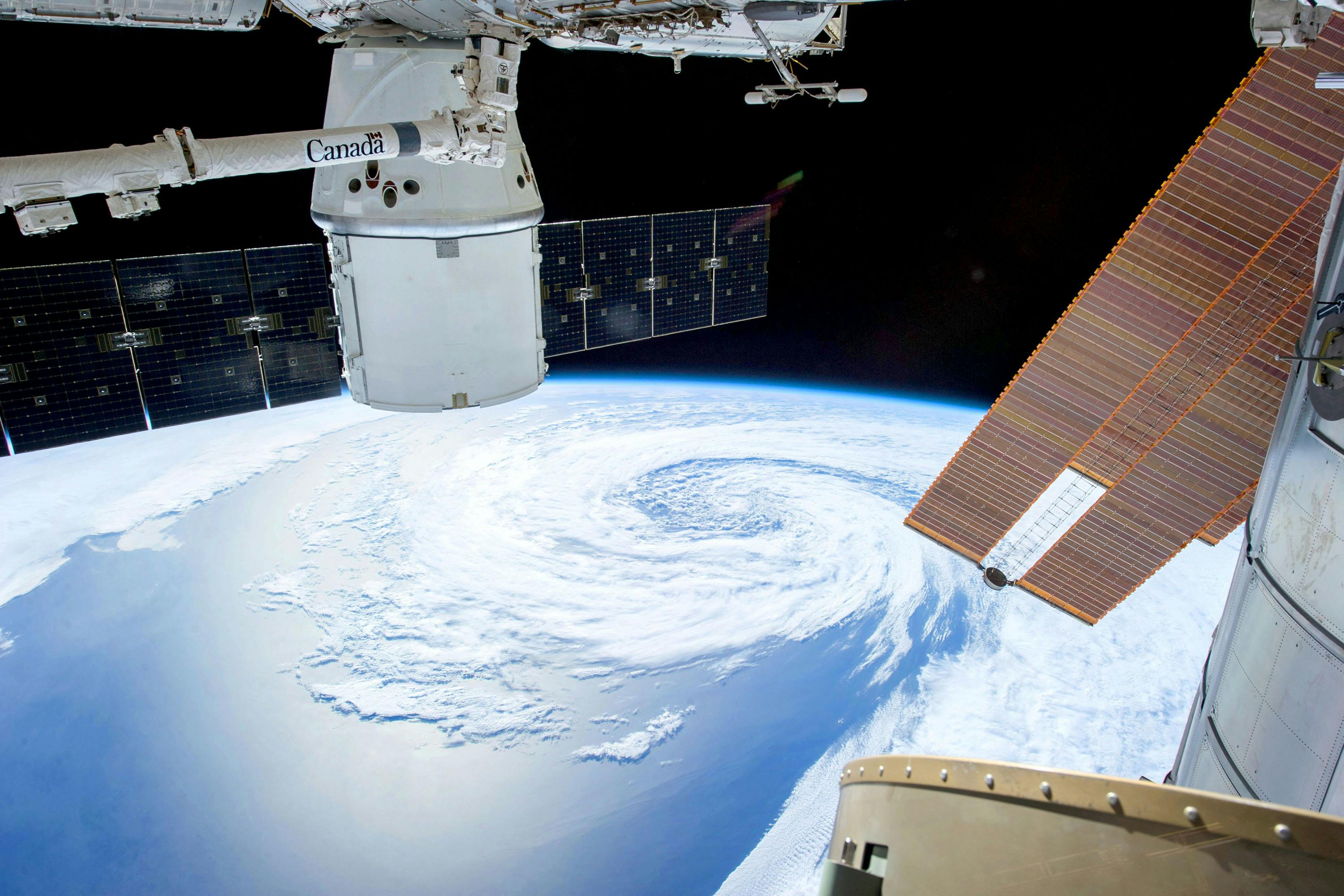
SpaceX continues its robust launch cadence with new Starlink deployments and faces challenges in Starship development following the recent damage to its prototype booster.

SpaceX surpassed 10,000 simultaneous Starlink satellites in orbit after Starlink 17-24 deployed 25 satellites from California. Milestone reached in under 7 years.
SpaceX's S-1 reveals $18.7B in revenue as Starship Flight 12 debuts Block 3 hardware from Pad 2 on May 21, 2026.
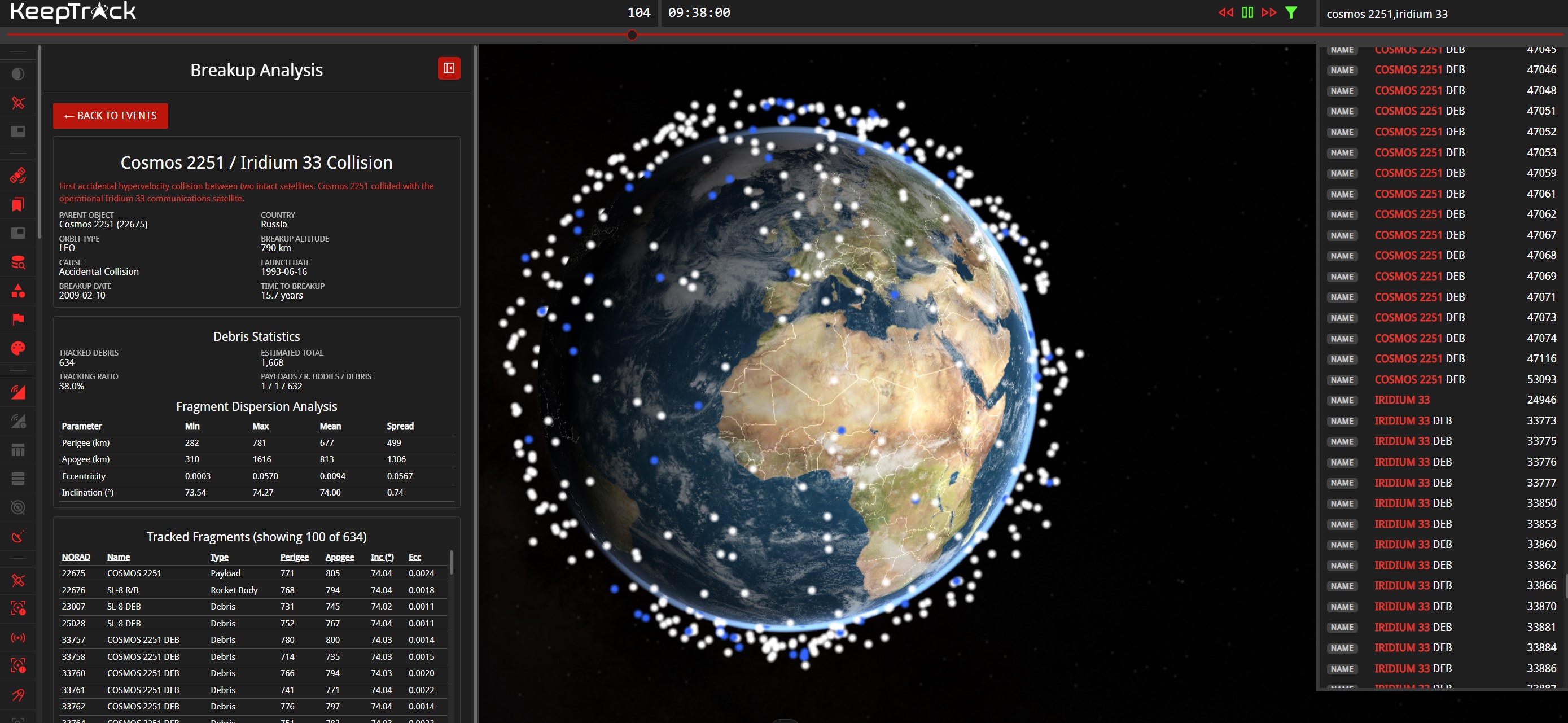
On February 10, 2009, an active Iridium communications satellite and a derelict Soviet military spacecraft slammed into each other 789 kilometers above Siberia. The collision produced more than 2,300 pieces of trackable debris that are still up there. Seventeen years later, the Iridium-Cosmos collision remains the event that made space debris a policy problem the world could no longer ignore.

GAO warns SDA missile-tracking satellite program overestimates tech readiness. SPACECOM pushes expanded on-orbit warfighting exercises. Congress advocates for enhanced GPS anti-jam capabilities.
Today's Space Brief covers Rocket Lab's IoT satellite launch, SpaceX's European Galileo satellites, FAA's fine on SpaceX, Polaris Dawn mission achievements, and more.