


X Report 16 Apr 2025
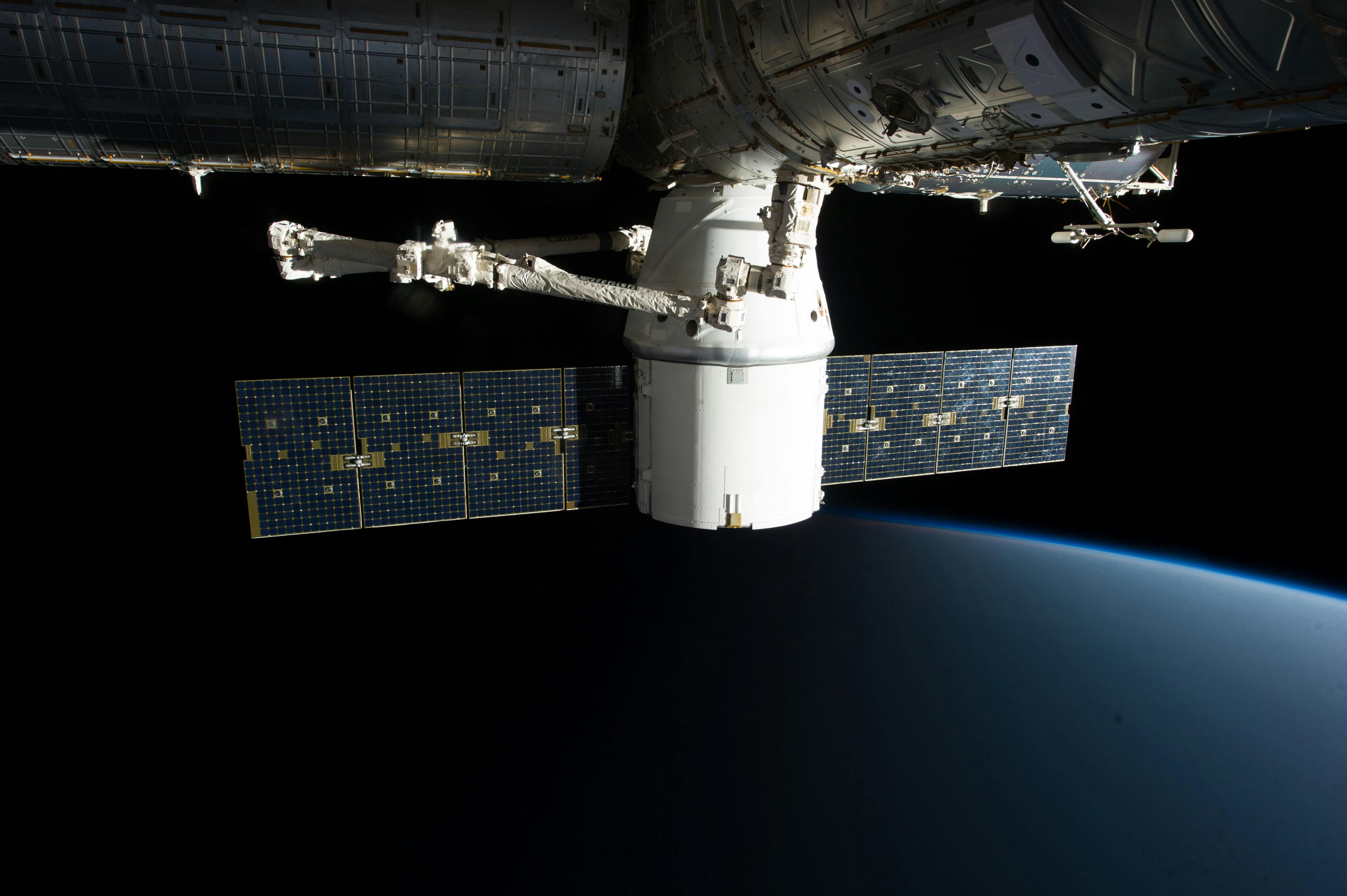
SpaceX gears up for another busy week with a Falcon 9 launch to the ISS while Vast Space expands its Haven-1 payload roster.


![COSMOS 2382 [GLONASS-M] Satellite Image](/images/sat/26987.jpg)
Launch Date
December 1, 2001
Launch Site
Launch Pad
LC81/24
Launch Vehicle
Proton-K/DM-2
NORAD ID
26987
International Designator
2001-053A
Epoch
Fri, 03 Jul 2026 15:35:48 GMT
Apogee
Calculating...
Perigee
Calculating...
Inclination
64.10°
Right Ascension
56.86°
Eccentricity
Calculating...
Argument of Perigee
195.34°
Period
675.72 min
Mean Motion
2.13 rev/day
Latitude
Calculating...
Longitude
Calculating...
Altitude
Calculating...
Velocity
Calculating...
Name
COSMOS 2382 [GLONASS-M]
Alternative Name
Kosmos-2382
Type
Status
Owner
KVR/IACG
Country
Russia
Constellation
N/A
Related Satellites
Major Events
N/A
1 26987U 01053A 26184.64986338 -.00000022 00000-0 00000-0 0 9994
2 26987 64.0968 56.8610 0003094 195.3401 5.1833 2.13104929191307
Source: Celestrak
Length
4
Diameter
1.5
Span
7.8
Dry Mass
1200
Launch Mass
1450
Shape
Cyl + Ant + 2 Pan
Radar Cross Section
3.1623
Visual Magnitude
Unknown
Color
Unknown
Material Composition
Unknown
Payload
Uragan No. 90L
Purpose
Navigation
Mission
Navigation
Manufacturer
NPOPMR
Life Expectancy
5 years
Bus
Uragan
Configuration
3-Axis stabilized Uragan-M bus
Motor
?
Equipment
?
Power System
2 deployable solar arrays, batteries
ADCS
Unknown
Transmitter Frequency
Unknown
Learn more about satellites and other related topics.
SpaceX gears up for another busy week with a Falcon 9 launch to the ISS while Vast Space expands its Haven-1 payload roster.
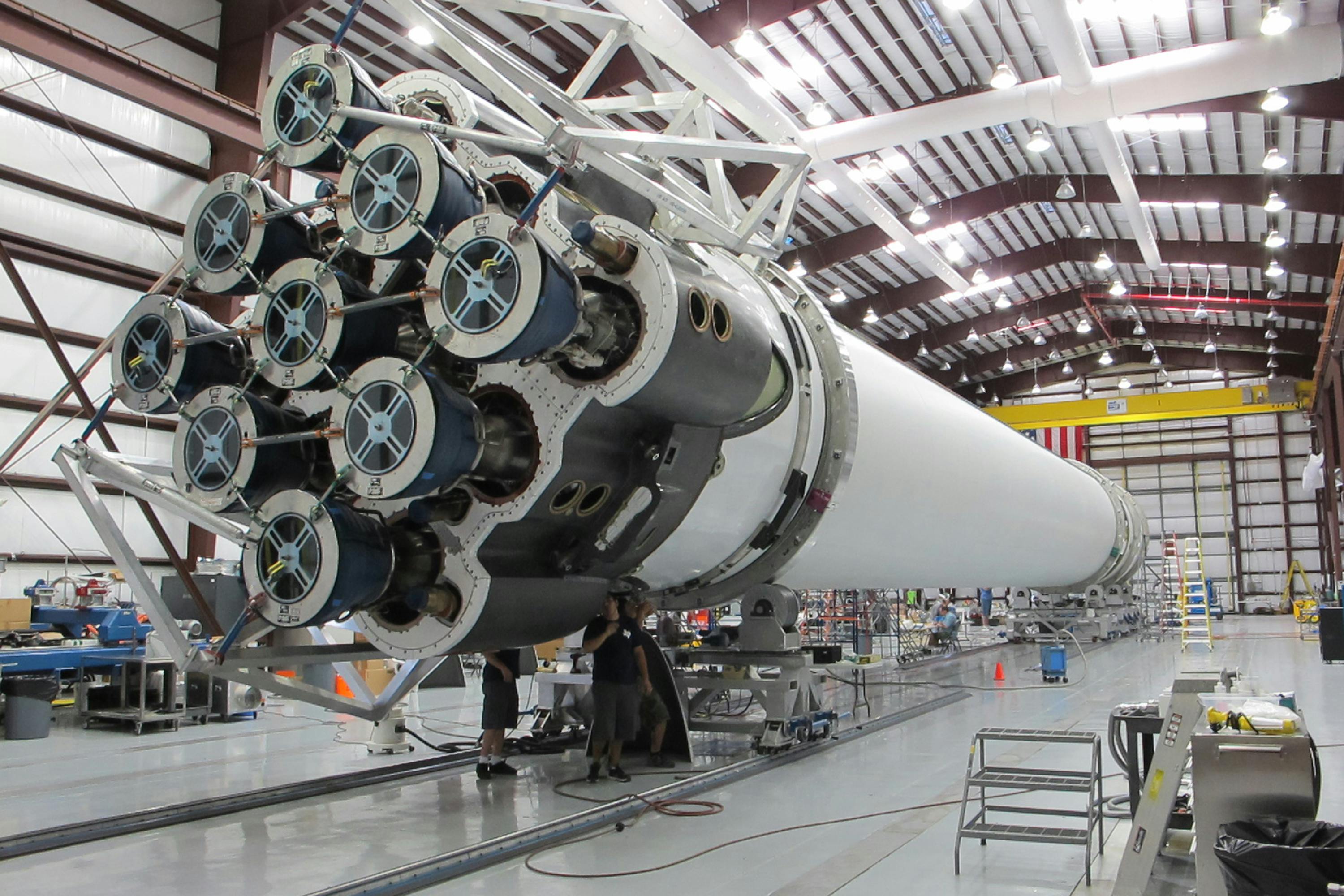
SpaceX makes strides in various sectors, from Starlink expanding services on United Airlines to new hardware aimed at enhancing home connectivity.

Today's space brief highlights the U.S. Space Force's new satellite naming scheme, the Air Force Secretary's warnings on China's space advances, BAE Systems' DARPA award, strategies for future space defense, the importance of GEO satellite refueling, and Blue Origin's plans for Space Force certification.
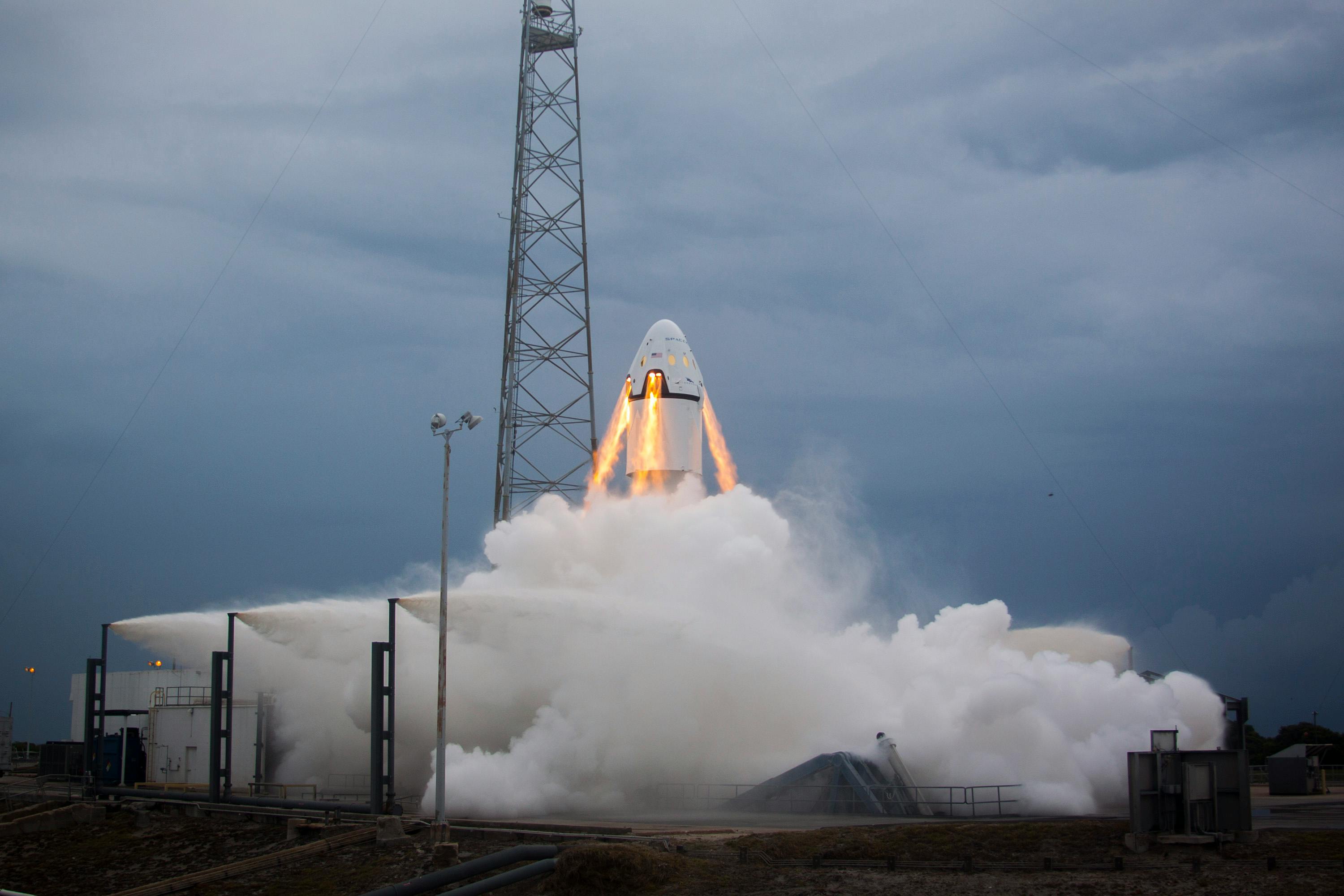
Explore today's space news including Space Force's five-year reflection, Rocket Lab's military hypersonic test, SpaceX's festive launch, and a glimpse at China's strategic space maneuvers.
Super heavy-lift rockets are the most powerful launch vehicles ever built. They can send humans and cargo to the Moon, Mars, and beyond. But what are they, and why are they so important?

SpaceX hits a new milestone with 400 rocket landings, beta testing begins for Direct-to-Cell Starlink satellites, and more Starlink launches from California.
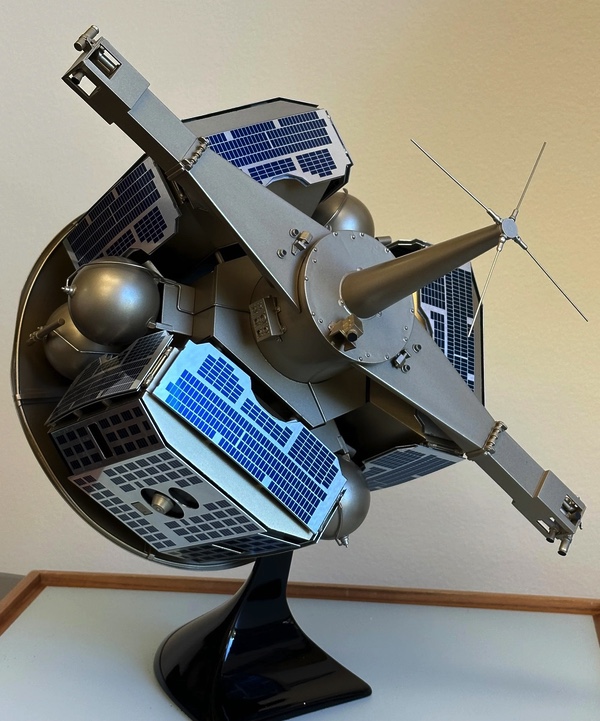
Forty-two years ago, an Atlas H rocket climbed into the California sky carrying four objects that would help the U.S. Navy track every Soviet warship on the planet - a mission so secret that even the satellites' true name wasn't declassified until 2023
Today's space brief covers significant advancements in military counter-drone capabilities, workforce challenges in the Navy related to DOGE budget cuts, and highlights Germany's rise in defense spending. We also shine a spotlight on the communications satellite INTELSAT 901.