MOLNIYA 3-52 (26970)

COSPAR: 2001-050A | Alt Name: Molniya-3
DECAYED

Image
MOLNIYA 3-52 Satellite Image
Additional Sources
Launch Details

Launch Date

October 25, 2001

Launch Site

PLMSC

Launch Pad

LC43/3

Launch Vehicle

Molniya 8K78M

Orbital Elements

NORAD ID

26970

International Designator

2001-050A

Decay Date

12/6/2011

Basic Satellite Info

Name

MOLNIYA 3-52

Alternative Name

Molniya-3

Type

Payload

Status

Decayed

Owner

KVR/KS

Country

Russia

Constellation

N/A

Related Satellites

Major Events

N/A

Summary
MOLNIYA 3-52, also known as Molniya-3, is a communication satellite manufactured by NPOPMR and launched on October 25, 2001, from the PLMSC launch site using the Molniya 8K78M launch vehicle. It has dimensions of 4.4 meters in length, 1.4 meters in diameter, and an 8.6-meter span. The satellite weighs 1780 kg at launch and has a dry mass of 1700 kg. Equipped with six deployable solar arrays providing 1000 W and batteries for power, it serves communication purposes under the ownership of KVR/KS. The mission's expected lifetime is three years.
Physical Characteristics

Length

4.4

Diameter

1.4

Span

8.6

Dry Mass

1700

Launch Mass

1780

Shape

Cyl + 6 Pan

Radar Cross Section

8.0511

Visual Magnitude

Unknown

Color

Unknown

Material Composition

Unknown

Technical Details

Payload

Molniya-3 No. 64L

Purpose

Communication

Mission

Communication

Manufacturer

NPOPMR

Life Expectancy

3 years

Bus

Molniya-3

Configuration

KAUR-2

Motor

11D414

Equipment

Unknown

Power System

6 deployable solar arrays (1000 W), batteries

ADCS

Unknown

Transmitter Frequency

Unknown

Satellite Articles

View All Posts »

Learn more about satellites and other related topics.

ULA Launches 29 Amazon Kuiper Satellites; Falcon Heavy Returns | KeepTrack Space Brief

ULA Launches 29 Amazon Kuiper Satellites; Falcon Heavy Returns | KeepTrack Space Brief

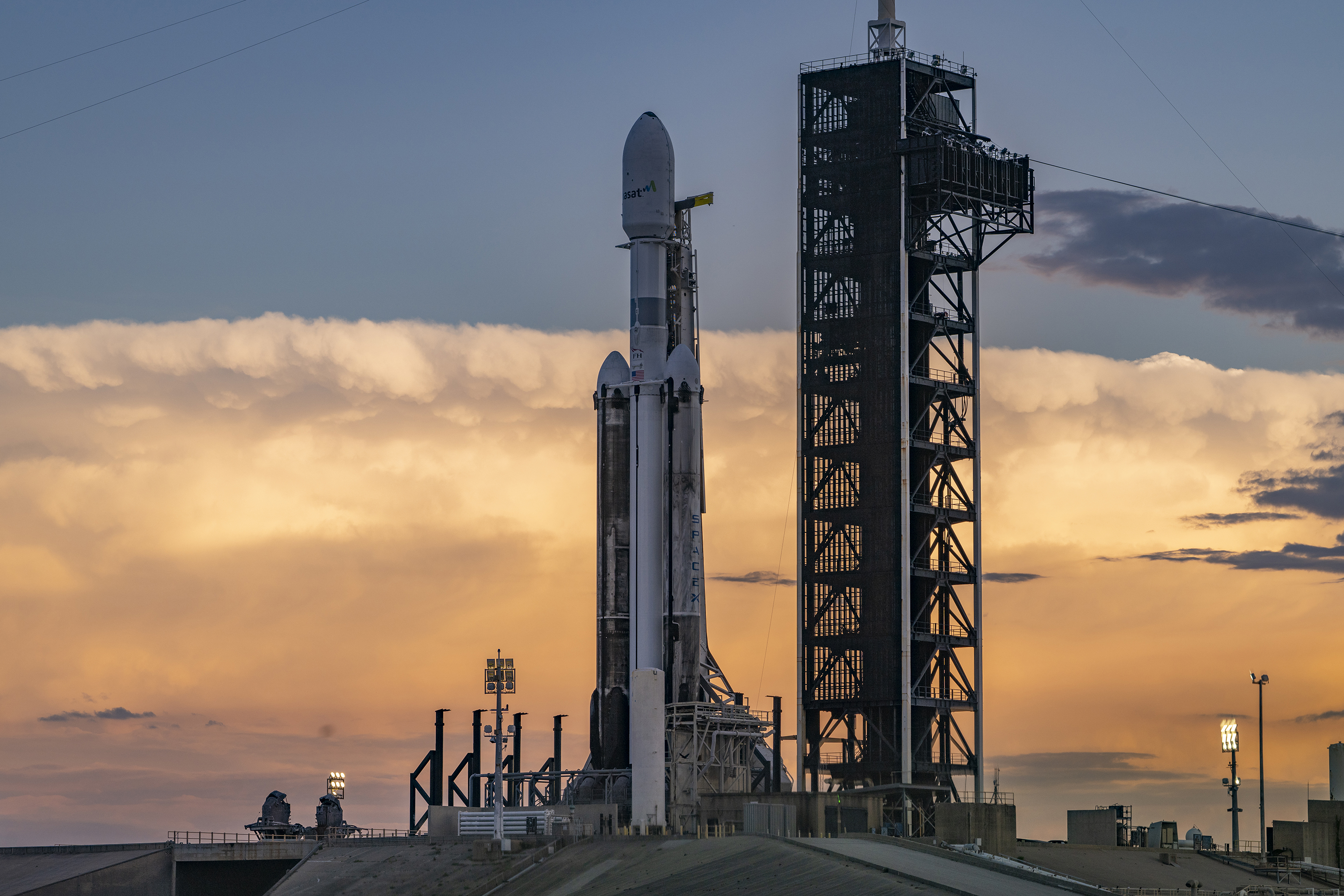
ULA's Atlas V deployed 29 Amazon Kuiper LEO satellites on April 27. Falcon Heavy returns this week with ViaSat-3 F3. Six orbital launches scheduled across three continents.

SaxaVord Spaceport

SaxaVord Spaceport

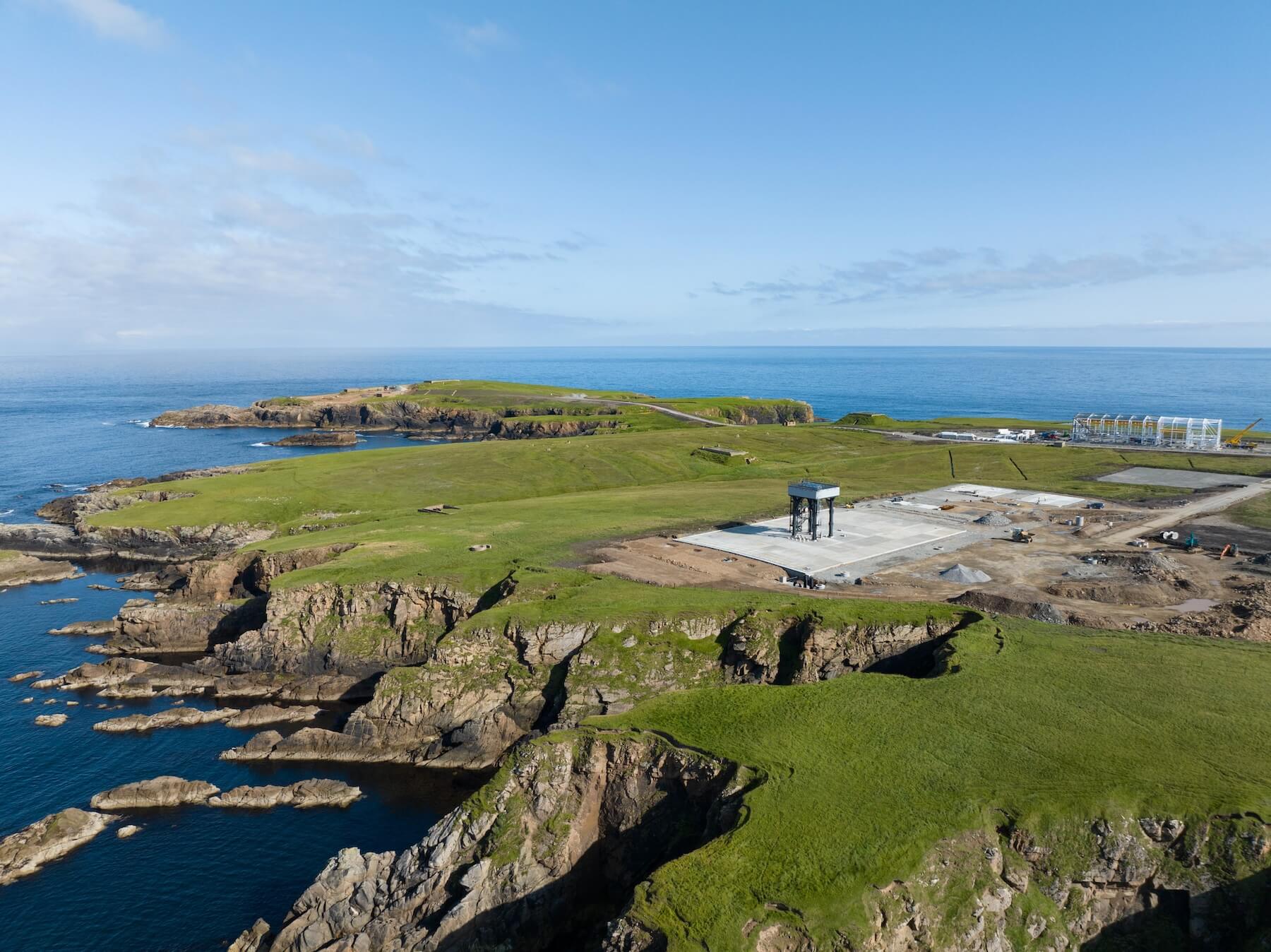
The UK's orbital ambitions rest on a remote Shetland island. How SaxaVord became Europe's first fully licensed vertical launch spaceport - and why, despite being ready for years, it's still waiting for a rocket that works.

SpaceX Files $18.7B IPO as Starship V3 Debuts | KeepTrack X Report

SpaceX Files $18.7B IPO as Starship V3 Debuts | KeepTrack X Report

SpaceX's S-1 reveals $18.7B in revenue as Starship Flight 12 debuts Block 3 hardware from Pad 2 on May 21, 2026.

The 300,000 Swerves Keeping Low Earth Orbit From Crashing

The 300,000 Swerves Keeping Low Earth Orbit From Crashing

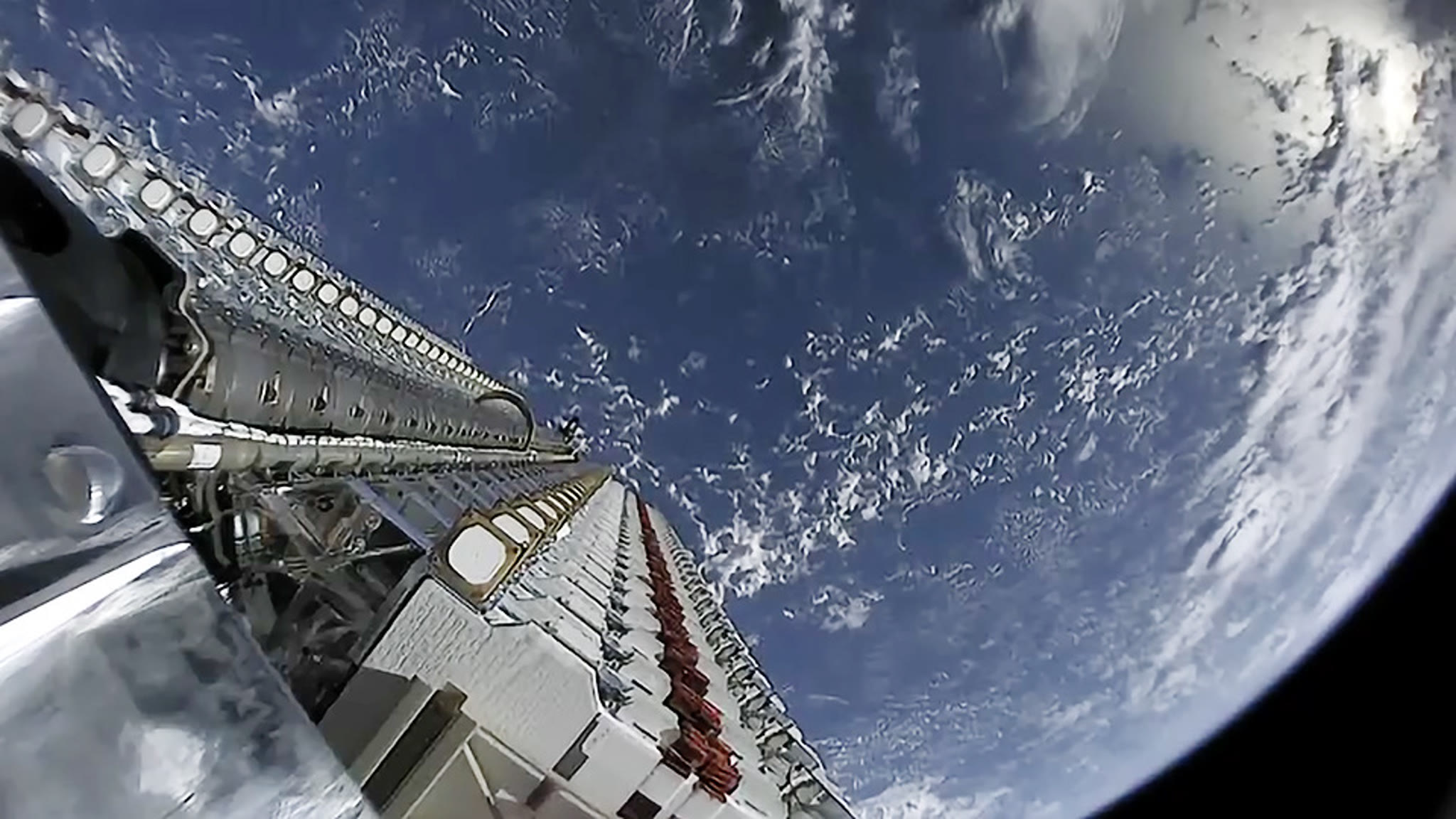
Starlink satellites fired their thrusters to dodge a collision roughly 300,000 times in 2025, about 822 times a day. Behind that number is a fragile, half-automated system of warnings, probabilities, and judgment calls that decides which close approaches are worth a maneuver and which are just noise.

108 Minutes That Changed Everything - and the 20-Year Echo That Followed

108 Minutes That Changed Everything - and the 20-Year Echo That Followed

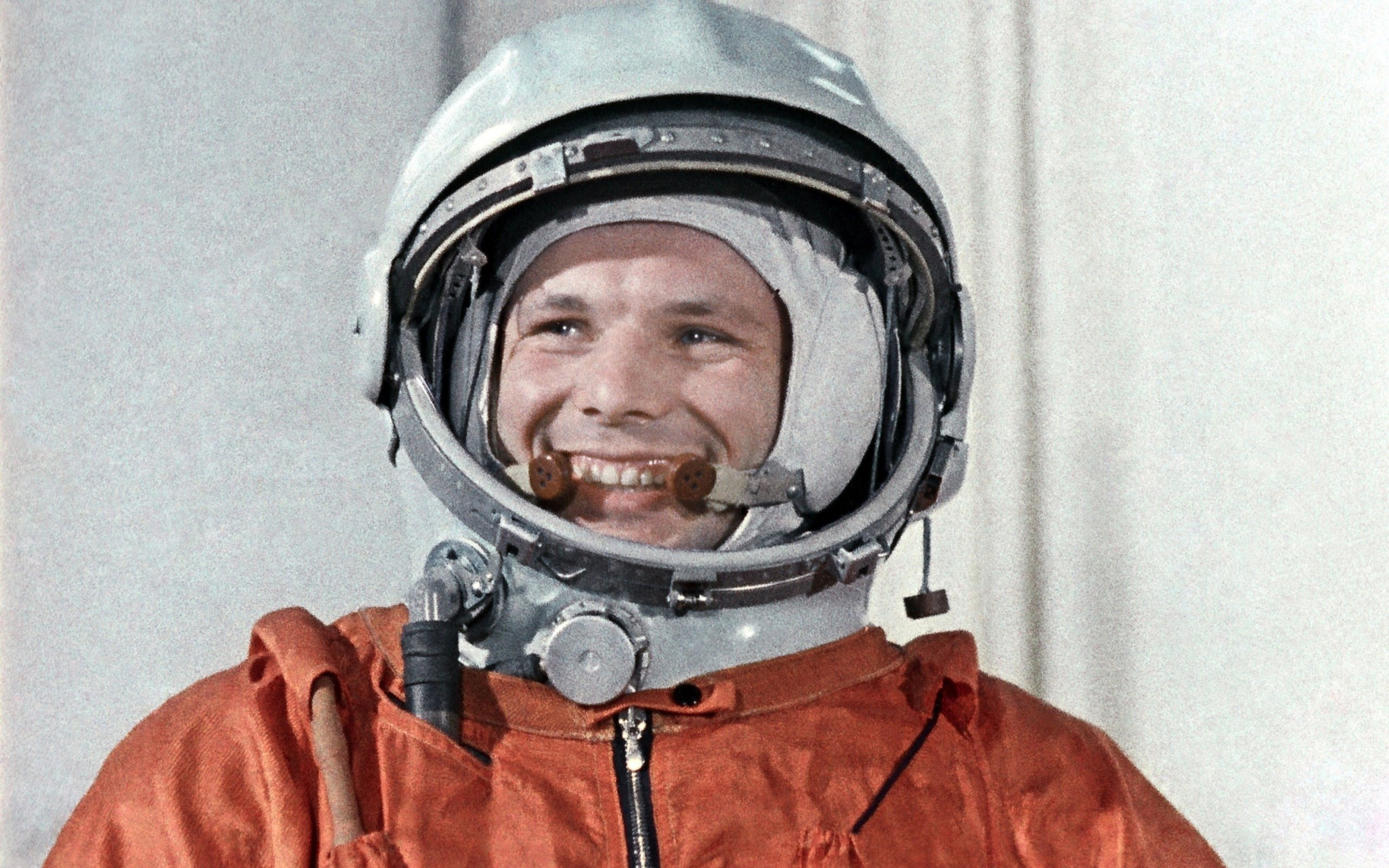
On April 12, 1961, a 27-year-old Soviet pilot rode a modified ICBM into orbit and came back alive after 108 minutes. Exactly twenty years later, two Americans climbed aboard an untested spacecraft covered in 31,000 ceramic tiles and bet their lives that the math was right.

X Report 12 Dec 2025

X Report 12 Dec 2025

SpaceX makes headlines with record-breaking launch operations, while plans for an IPO signal major changes in the company's trajectory and could inspire industry-wide movements.

Rocket Lab Neutron Books 5 Launches, Space Brief 8 May 2026

Rocket Lab Neutron Books 5 Launches, Space Brief 8 May 2026

Rocket Lab Neutron launch schedule holds at Q4 2026 for the first flight as a five-launch contract lands; barge recovery starts on flight two.

Space Brief 18 Aug 2025

Space Brief 18 Aug 2025

Today's Space Brief covers significant satellite launches by SpaceX, an automated collision avoidance system development, Rocket Lab's strategic acquisition, and the rise of corporate-named satellites in orbit.