


X Report 25 Feb 2025
SpaceX has completed the investigation into Starship Flight 7, announcing causes ahead of the next planned launch, while numerous missions are lined up for launch this week.


Launch Date
October 6, 2001
Launch Site
Launch Pad
LC81/24
Launch Vehicle
Proton-K/DM-2
NORAD ID
26939
International Designator
2001-045D
Epoch
Sat, 04 Jul 2026 02:52:38 GMT
Apogee
Calculating...
Perigee
Calculating...
Inclination
13.90°
Right Ascension
11.96°
Eccentricity
Calculating...
Argument of Perigee
30.26°
Period
1436.73 min
Mean Motion
1.00 rev/day
Latitude
Calculating...
Longitude
Calculating...
Altitude
Calculating...
Velocity
Calculating...
Name
SL-12 R/B(2)
Alternative Name
Blok DM-2 No. 93L
Type
Status
Owner
KHRR
Country
Russia
Constellation
N/A
Related Satellites
Major Events
N/A
1 26939U 01045D 26185.11989166 .00000073 00000-0 00000-0 0 9992
2 26939 13.9004 11.9576 0026306 30.2620 337.8620 1.00227670 90909
Source: Celestrak
Length
7.1
Diameter
3.7
Span
7.1
Dry Mass
2440
Launch Mass
17490
Shape
Cyl
Radar Cross Section
1.5848
Visual Magnitude
Unknown
Color
Unknown
Material Composition
Unknown
Payload
11S861 No. 93L
Purpose
Unknown
Mission
Unknown
Manufacturer
RKKE
Life Expectancy
Unknown
Bus
Blok DM2
Configuration
Unknown
Motor
Unknown
Equipment
Unknown
Power System
Unknown
ADCS
Unknown
Transmitter Frequency
Unknown
Learn more about satellites and other related topics.
SpaceX has completed the investigation into Starship Flight 7, announcing causes ahead of the next planned launch, while numerous missions are lined up for launch this week.

SpaceX successfully launches 28 Starlink satellites on a new Falcon 9 rocket from California, marking a significant milestone for their satellite constellation.
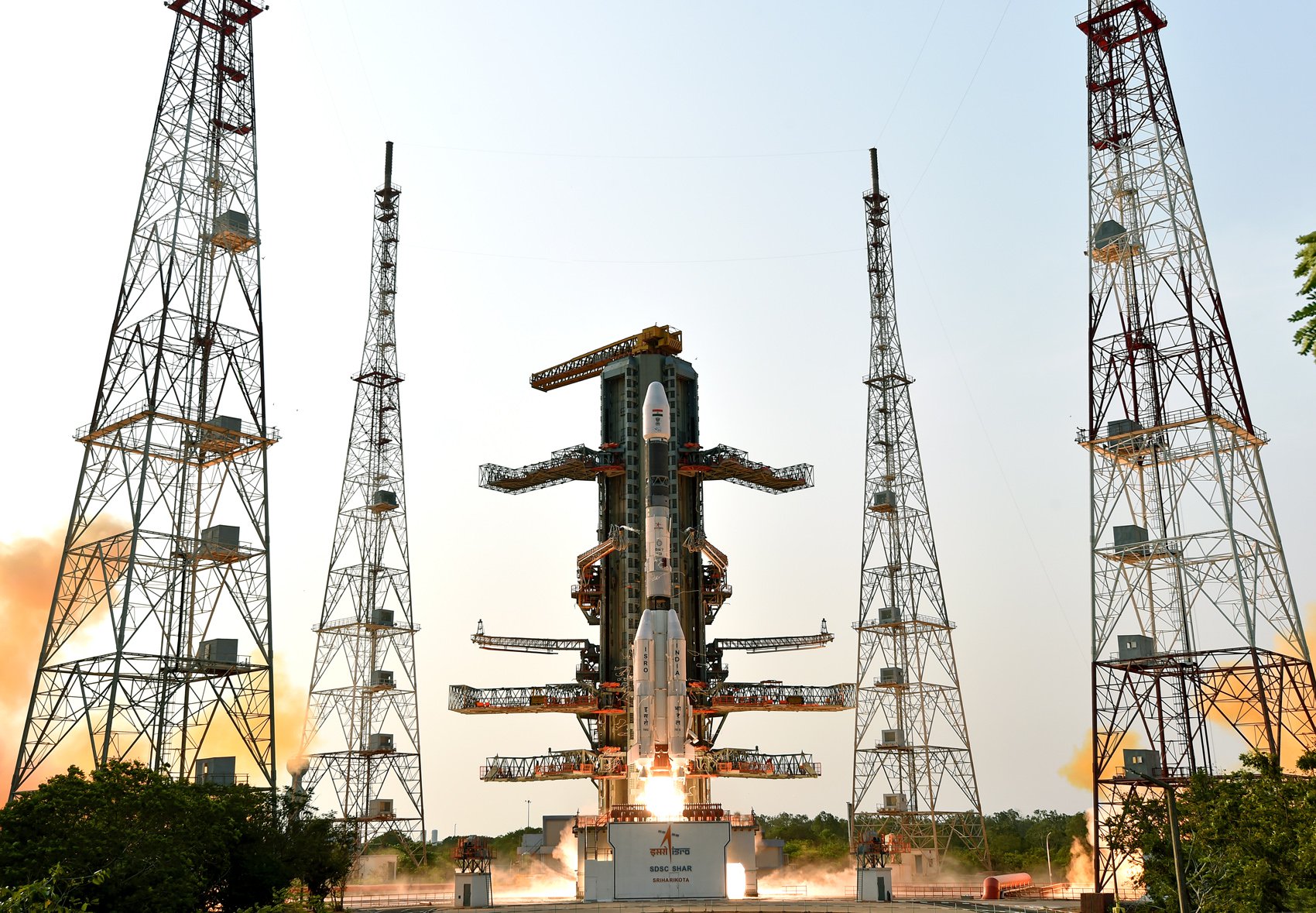
Today's highlights cover critical satellite launches including SpaceX's GPS III mission, advancements in SATCOM technology, and changes in NASA leadership.

SpaceX gears up for a series of launches, including Starlink deployments, lunar missions, and updates on the Starship program.
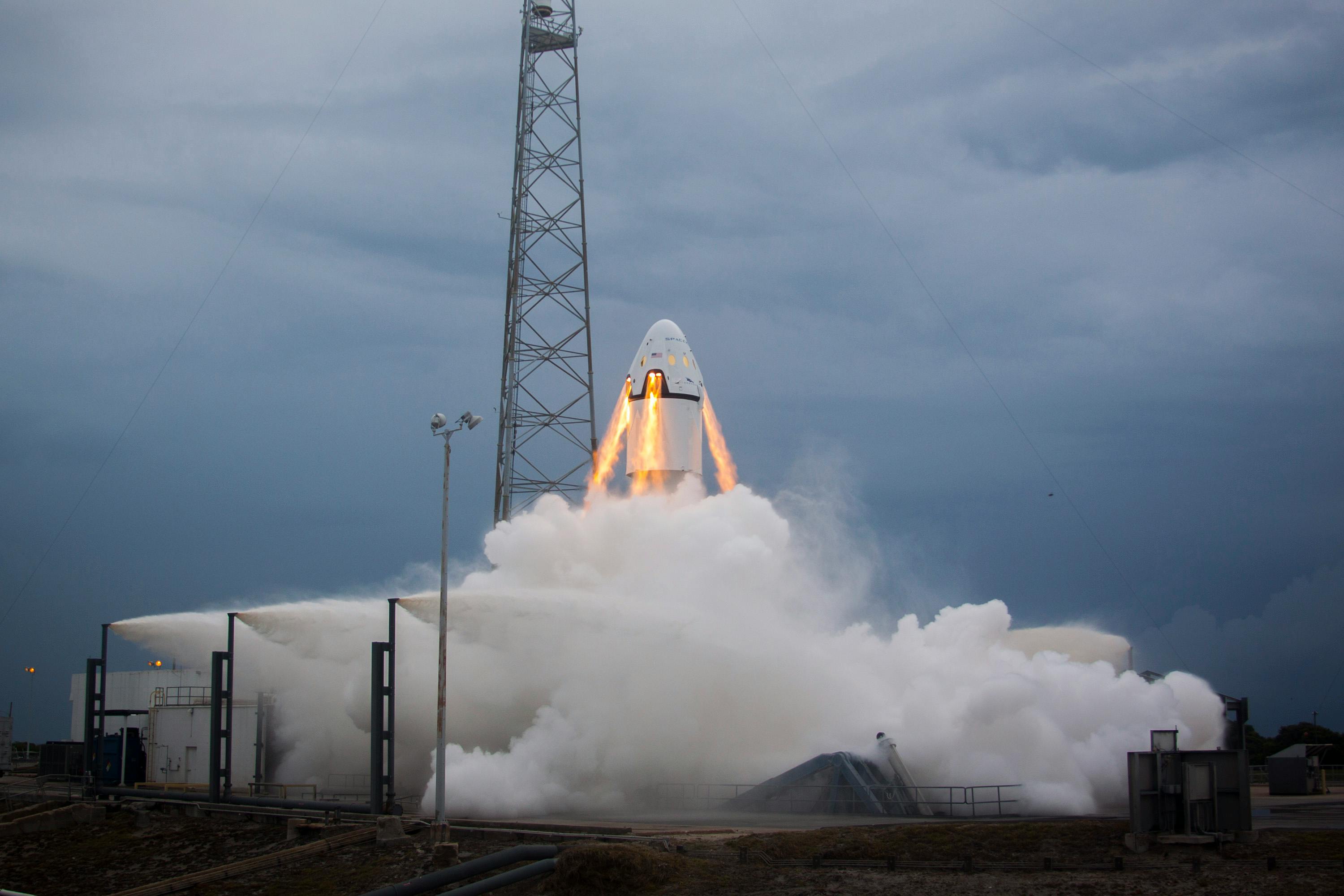
Explore today's space news including Space Force's five-year reflection, Rocket Lab's military hypersonic test, SpaceX's festive launch, and a glimpse at China's strategic space maneuvers.

Blue Origin launch pad rebuild begins at Cape Canaveral after the New Glenn explosion, targeting return to flight by end of 2026. SpaceX flies NROL-179.

SpaceX launched Starlink batches from Vandenberg and Cape Canaveral within 48 hours, pushing the active constellation toward 10,000 operational satellites.

An analysis of Russia's independent space tracking system and how it compares to the established U.S. Space Surveillance Network