GENESIS (26884)

COSPAR: 2001-034A | Alt Name: Genesis
DECAYED

Image
GENESIS Satellite Image
Additional Sources
Launch Details

Launch Date

August 8, 2001

Launch Pad

SLC17A

Launch Vehicle

Delta 7326-9.5

Orbital Elements

NORAD ID

26884

International Designator

2001-034A

Decay Date

Unknown

Basic Satellite Info

Name

GENESIS

Alternative Name

Genesis

Type

Payload

Status

Non-operational

Owner

JPL

Country

United States

Constellation

N/A

Related Satellites

Major Events

N/A

Summary
The GENESIS satellite, also known as Genesis, was launched on August 8, 2001, from Cape Canaveral Air Force Station using a Delta 7326-9.5 launch vehicle from SLC17A pad. The spacecraft measures 2.3 meters in length and has a diameter of 2 meters with a span of 7.9 meters. It was manufactured by LMA and operated under the ownership of JPL for the purpose of solar wind sample return. The dry mass of GENESIS is 494 kg, while its launch mass was 636 kg. Equipped with collector arrays, concentrators, and solar wind monitors, it uses two deployable fixed solar arrays along with batteries for power supply. Its shape consists of a box with two panels, and its mission involved collecting solar wind samples before returning to Earth.
Physical Characteristics

Length

2.3

Diameter

2

Span

7.9

Dry Mass

494

Launch Mass

636

Shape

Box + 2 Pan

Radar Cross Section

Unknown

Visual Magnitude

Unknown

Color

Unknown

Material Composition

Unknown

Technical Details

Payload

Genesis

Purpose

Solar wind sample return

Mission

Solar wind sample return

Manufacturer

LMA

Life Expectancy

Unknown

Bus

Genesis

Configuration

Unknown

Motor

AOCS 4x22N

Equipment

Collector arrays, concentrator, solar wind monitors

Power System

2 deployable fixed solar arrays, batteries

ADCS

Unknown

Transmitter Frequency

Unknown

Satellite Articles

View All Posts »

Learn more about satellites and other related topics.

Falcon Heavy Returns | A Six-Ton Bet on Geostationary Broadband

Falcon Heavy Returns | A Six-Ton Bet on Geostationary Broadband

Falcon Heavy flew for the first time in eighteen months on April 29, 2026, expending its center core to push Viasat's final ViaSat-3 satellite toward geostationary orbit. The mission is a flagship rocket doing what only it can still do, for an operator betting six tons of high-throughput hardware on a market Starlink is rapidly redefining.
X Report 29 Jun 2025

X Report 29 Jun 2025

SpaceX secures a significant military contract while successfully launching multiple batches of Starlink satellites. Furthermore, milestones aboard the ISS highlight ongoing space missions.

Space Force Awards $1.8B Andromeda Program to 14 Firms | KeepTrack Space Brief

Space Force Awards $1.8B Andromeda Program to 14 Firms | KeepTrack Space Brief

Space Force selects 14 companies for $1.8 billion Andromeda program to replace GSSAP geosynchronous surveillance satellites with commercial alternatives through 2036.

Growing Threat of Space Junk

Growing Threat of Space Junk

Over 27,000 high-speed pieces of space junk now threaten vital satellites, requiring sophisticated tracking and urgent innovation of orbital debris removal methods like harpoons and nets.

The Telescope That Needed Glasses

The Telescope That Needed Glasses

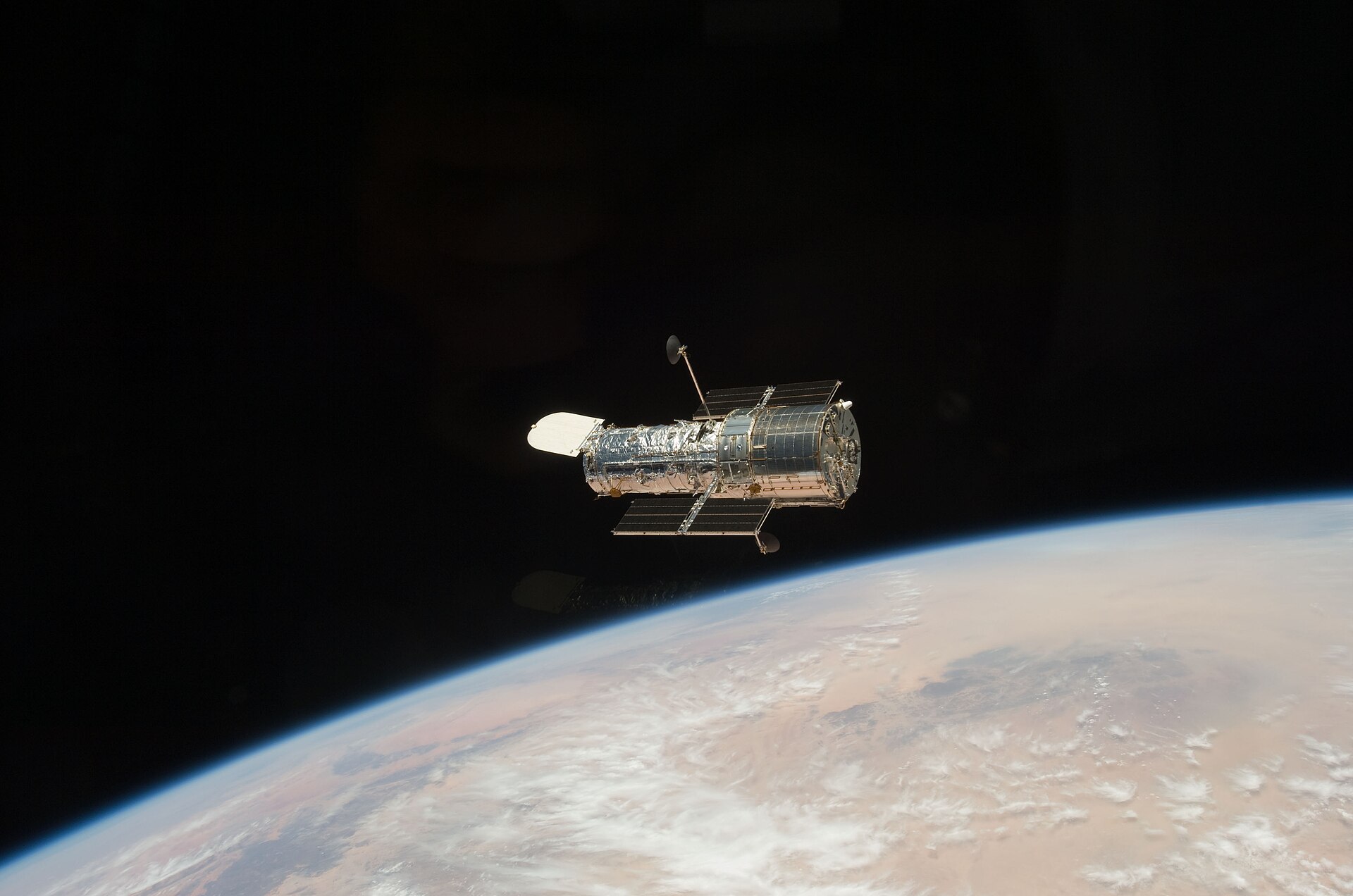
On April 25, 1990, the Space Shuttle Discovery's robotic arm lifted a 11,110-kilogram barrel of mirrors and instruments out of the payload bay and released it into orbit. Six weeks later, the first images came back badly out of focus. The Hubble Space Telescope had been ground to the wrong prescription, and America had just spent $2.5 billion on what the press was calling a 'technoturkey.'

X Report 27 Apr 2025

X Report 27 Apr 2025

SpaceX gears up for two major Starlink launches, while regulatory challenges slow progress in India.

Space Brief 25 Nov 2025

Space Brief 25 Nov 2025

Today's briefing covers Chinese satellite launches, military defense strategies in space, increasing launch activity at the Space Coast, and potential rivals to SpaceX's Starlink.

X Report 16 Feb 2025

X Report 16 Feb 2025

SpaceX achieves a new milestone with the Falcon 9 and Starlink reshapes satellite connectivity landscape.