


Mega-Constellations Are Set to Flood Earth's Orbit
We forecast how many satellites could be in orbit by 2030 and what capabilities we can expect.


Launch Date
April 28, 2001
Launch Site
Launch Pad
LC1
Launch Vehicle
Soyuz-U-PVB
NORAD ID
26749
International Designator
2001-017A
Decay Date
10/31/2001
Name
SOYUZ-TM 32
Alternative Name
Soyuz TM-32
Type
Status
Owner
RKKE
Country
Russia
Constellation
N/A
Related Satellites
Major Events
N/A
Length
7.9
Diameter
2.7
Span
10.6
Dry Mass
2740
Launch Mass
2740
Shape
Cyl + Cone + Sphere + 2 Pan
Radar Cross Section
6.22
Visual Magnitude
Unknown
Color
Unknown
Material Composition
Unknown
Payload
Soyuz 7K-STM No. 206
Purpose
Crewed spacecraft
Mission
Crewed spacecraft
Manufacturer
RKKE
Life Expectancy
Unknown
Bus
7K-STM
Configuration
Unknown
Motor
PAO
Equipment
Unknown
Power System
2 deployable fixed solar arrays, batteries
ADCS
Unknown
Transmitter Frequency
Unknown
Learn more about satellites and other related topics.
We forecast how many satellites could be in orbit by 2030 and what capabilities we can expect.
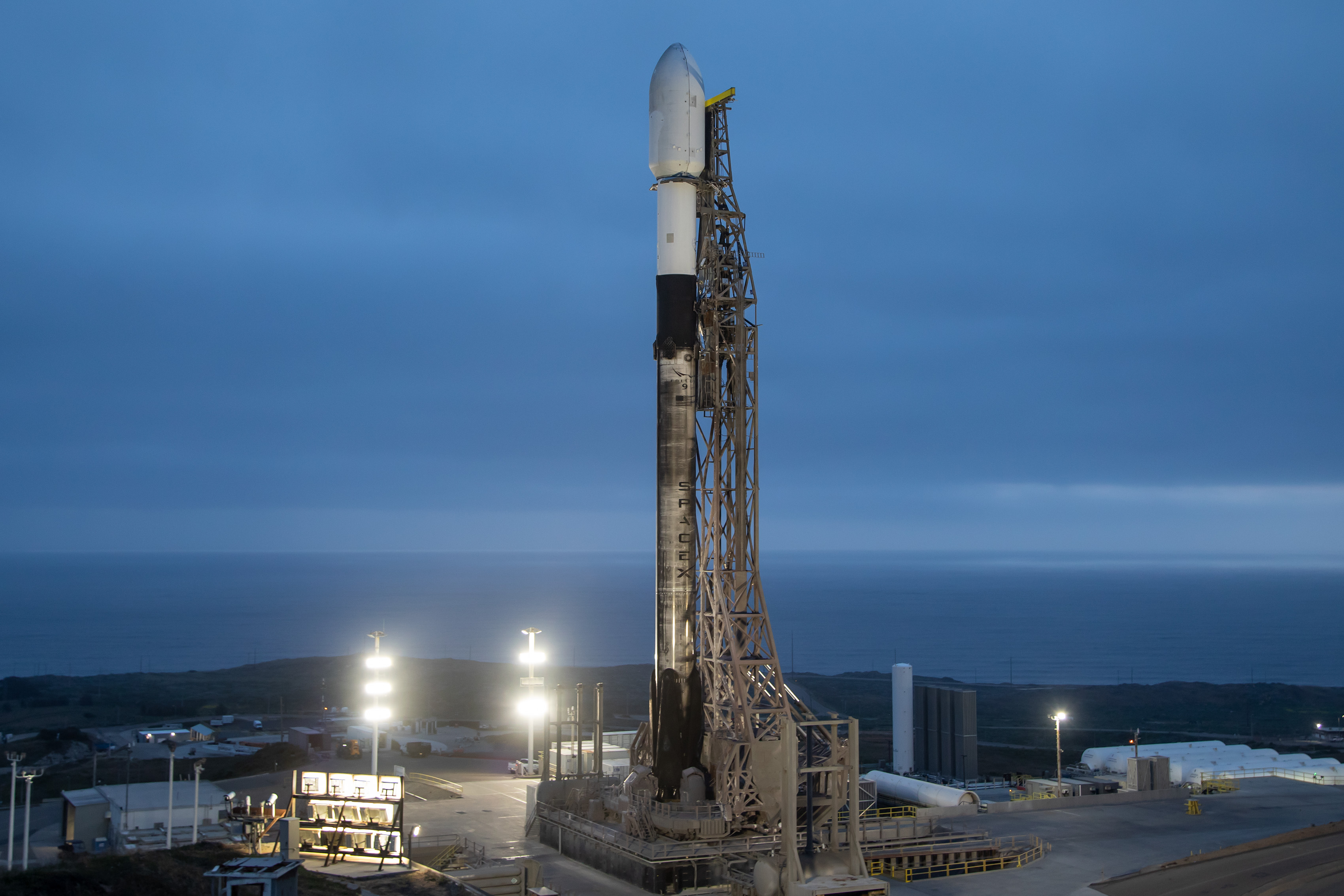
Firefly Aerospace launches return-to-flight Firefly Alpha on March 10 after Flight 6 anomaly. SpaceX also launches EchoStar 25 GEO satellite and multiple Starlink batches this week.

On April 22, 2026, the FAA published a final rule implementing per-launch user fees for commercial space transportation — the first time the U.S. government has charged payload-based fees for rocket launches. Starting at 25 cents per pound with a $30,000 cap, the fees are modest today. By 2033, they won't be.

Discover the latest developments in space defense, innovative satellite technologies, nuclear advancements in space travel, and strategic military updates.
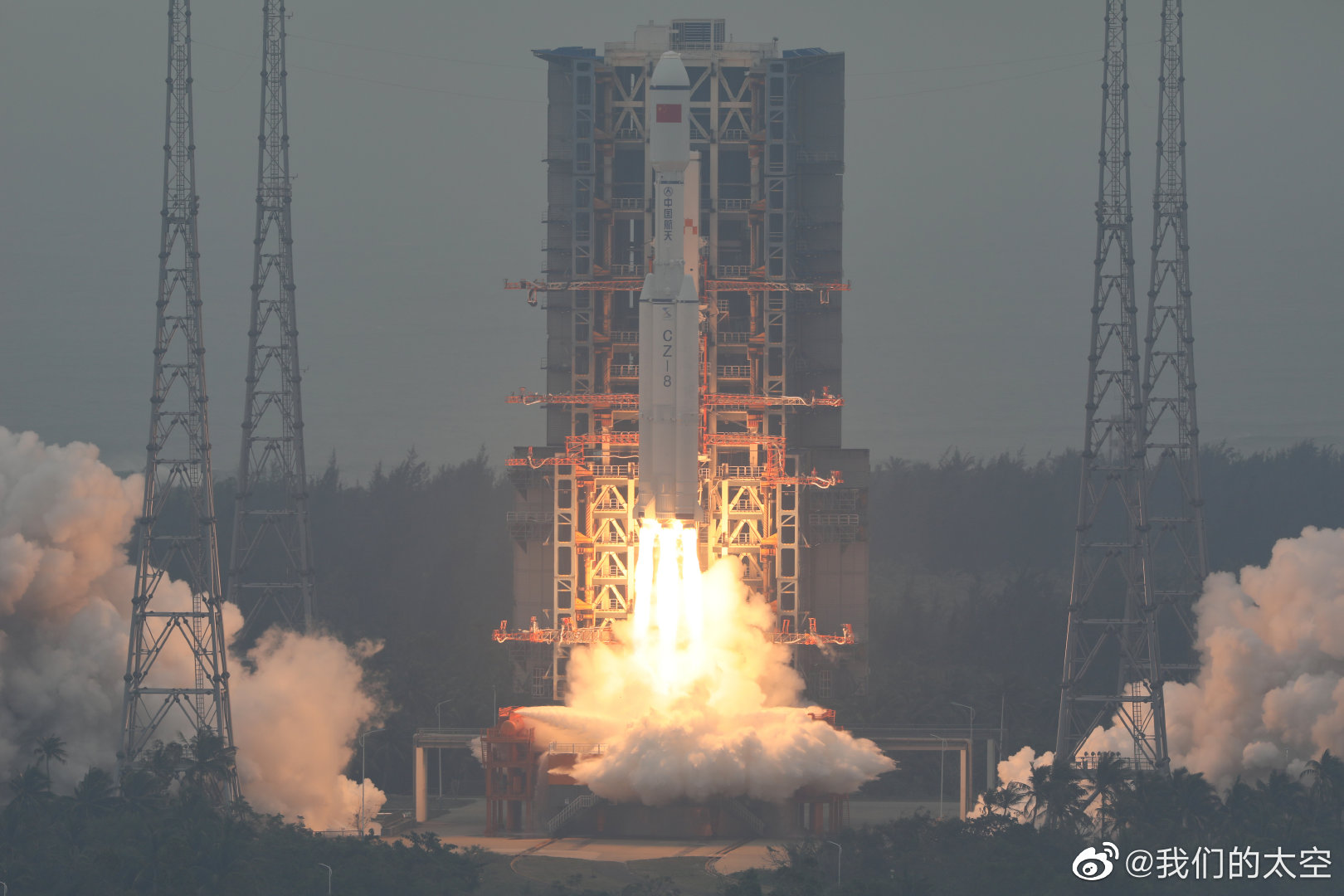
Artemis 2's four astronauts entered lunar sphere of influence April 6, first crewed arrival since Apollo 17. NASA simultaneously proposed 25% budget cut for FY2027.

Today's highlights include key advancements for the Dream Chaser, SpaceX's record launches, Moon mission crowding concerns, and updates in European space policy.
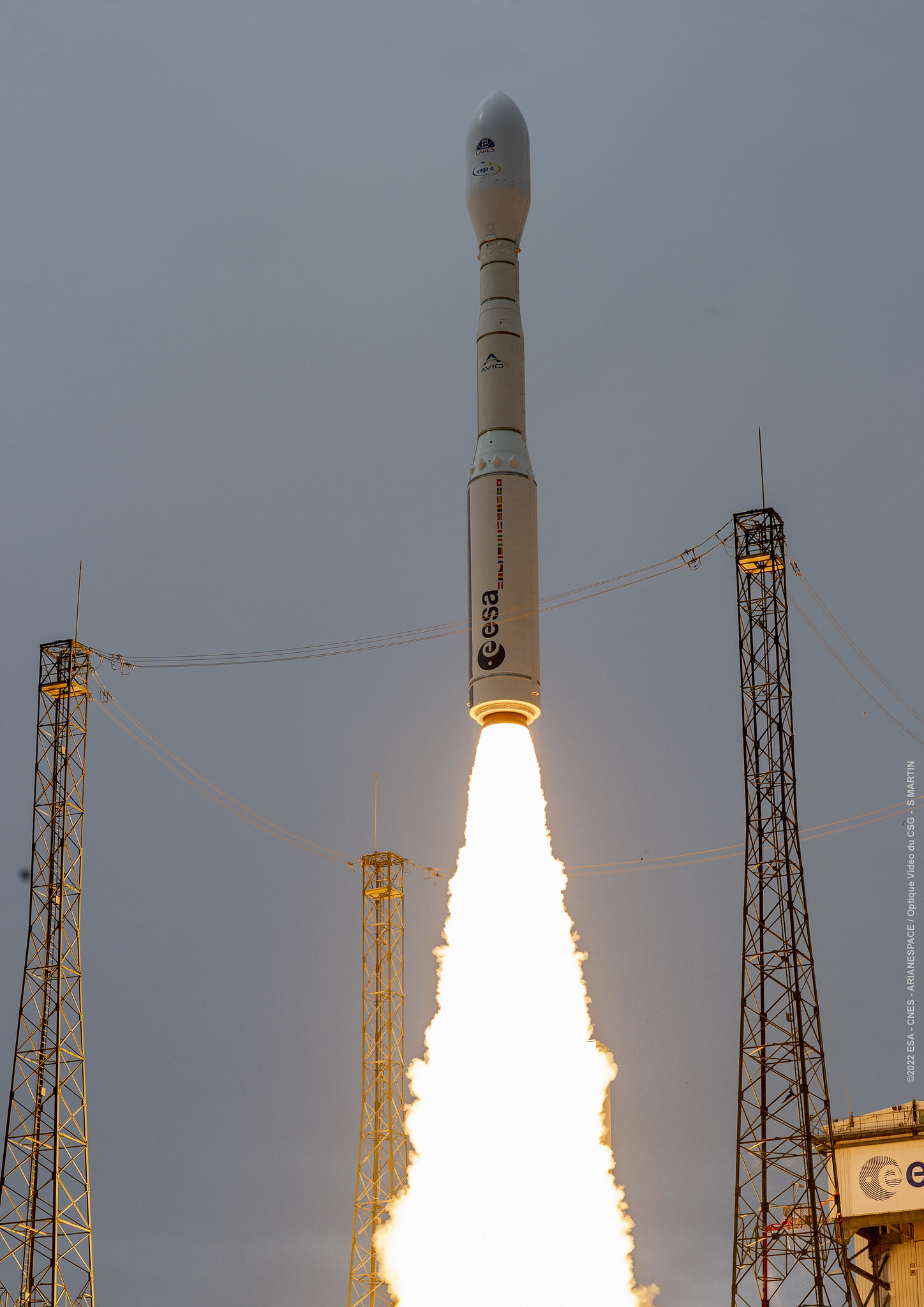
Today's briefing covers the largest-ever spectrum sharing demo planned by the Pentagon, innovative strategies for drone deployment in the Air Force, and significant military procurement developments.

Today's brief covers a significant hypersonic flight by Stratolaunch, the US Space Force's missile warning upgrades, and major government space investments.